
WILL: Follow The Light Review
PC
A slow-burning voyage through storms, memory, and the weight of being a father at sea.
Reviewed by Asura Kagawa on May 09, 2026
You step into WILL: Follow The Light as a first-person narrative adventure that immediately signals it isn’t trying to be a typical game you rush through. Developed by TomorrowHead Studio and built on Unreal Engine 5, WILL: Follow The Light positions itself in that space between a meditative walking simulator and a systems-driven exploration experience.
Right away, the game makes it clear you’re not here for constant action or power fantasy mechanics. Instead, you’re dropped into a world where isolation, weather, and memory are the main forces shaping your journey. From the very beginning, WILL: Follow The Light leans into its identity as something quiet but structured.
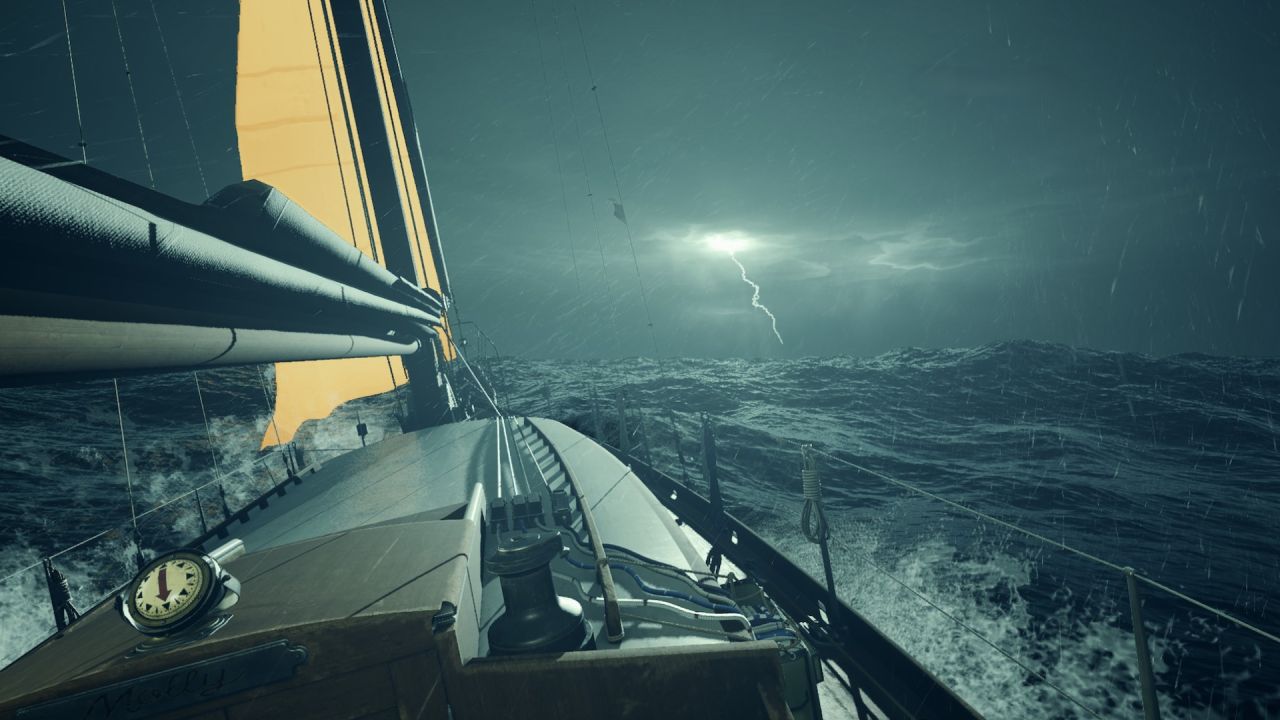
You’re placed in the role of Will, a lighthouse keeper whose life revolves around maintenance tasks, solitude, and slowly unraveling personal history. TomorrowHead Studio builds around the idea that routine itself can tell a story. You’re not saving the world in a traditional sense, but you’re maintaining systems, logging weather data, checking power backups, and existing inside a place that feels suspended between survival and reflection.
What makes WILL: Follow The Light stand out in its early moments is how it uses small interactions to establish character depth.
You’re not thrown into high-stakes drama right away. It allows you to sit in places of silence. To make tea and to go over notes scattered about the house of a lighthouse. These details slowly flesh out Will’s character without the need for exposition.
There are also radio calls and environmental storytelling in the game that allude to a family life that is in tatters, a father-son relationship that is distant, and an emotional distance and work obsession from the past. Before anything dramatic even occurs, WILL: Follow The Light has a sense of place that feels grounded but weighty.
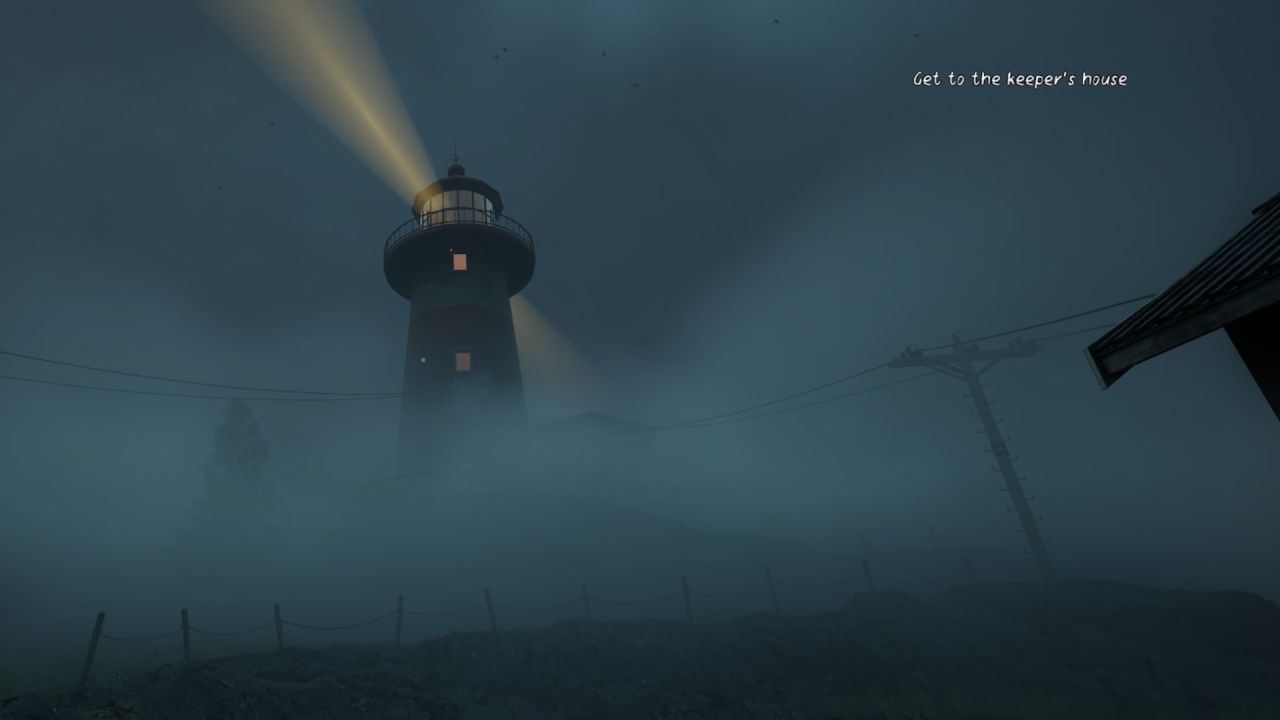
The lighthouse, the surrounding sea, and the isolation of the job all contribute to a tone that never rushes you. In fact, it almost encourages you to slow down so you can absorb how much of its story is embedded in its environments rather than spoken directly. It’s here that TomorrowHead Studio starts showing what they’re aiming for: a narrative experience where atmosphere is as important as dialogue.
As WILL: Follow The Light begins to open up, you start to understand that this is not just a simple character study but a layered story about responsibility and emotional distance. As the game proceeds, we learn more about Will’s past, including his difficult relationship with his father, who also worked in a lighthouse, and his complicated family structure, which includes his son Thomas and wife Isa.
As you move deeper, the narrative begins to reveal heavier emotional layers.
The search for Will’s son Thomas becomes the central emotional thread, but the broader story of family history never isolates it. You also uncover details about Isa and how loss and grief have shaped the family dynamic. WILL: Follow The Light ties these relationships together in a way that makes the journey feel both external and internal at once.
At points, WILL: Follow The Light introduces a magical or symbolic element in the form of a guiding light or lamp that allows you to access deeper memories and hidden narrative fragments. This mechanic serves as a bridge between gameplay and storytelling, emphasizing the notion that WILL: Follow The Light is as much about the reconstruction of memory as it is about physical travel.
WILL: Follow The Light begins its main journey in a deceptively calm way. You will learn the basics of maintenance and routine inspections, almost as a tutorial of daily life. Following these slower moments, the film shifts into its core premise: a storm, a distress call and a sudden need to navigate dangerous waters to reach someone in trouble. This is the transition where the game starts to feel like it’s finding its own identity.
At this point, WILL: Follow The Light shows its main gameplay cycle of exploration, navigation, and solving environmental puzzles.
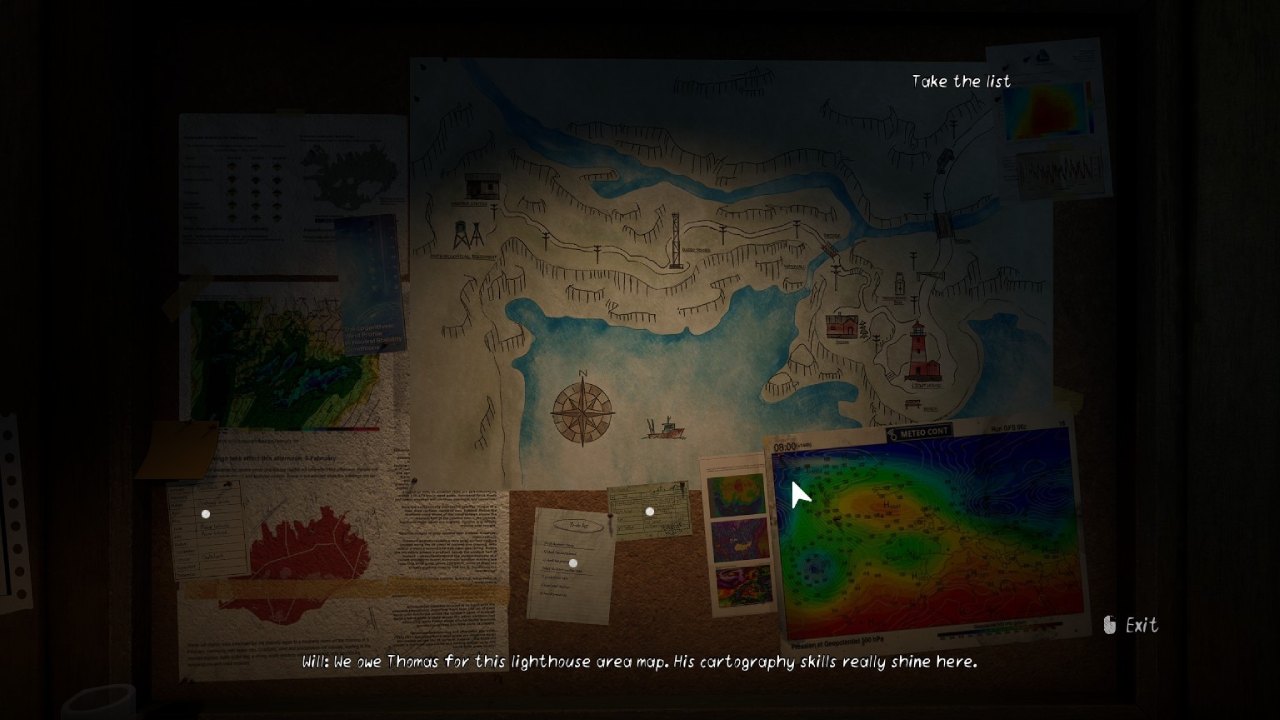
This is not just a question of getting from point A to point B; you are, in fact, managing systems like sails, weather readings, and direction planning. One of the defining features of WILL: Follow The Light is its insistence on realism when it comes to navigation. You’ll often be relying on coordinates, weather stations, and environmental cues rather than simplified map markers.
This design choice gives this game a feel very different from that of other narrative-focused games in its genre. You are expected to interpret tools and systems as if you were actually in the role of a lighthouse keeper and sailor, rather than having constant UI assistance. Lean into that for immersion, but it can feel disorienting if you expect more traditional guidance systems.
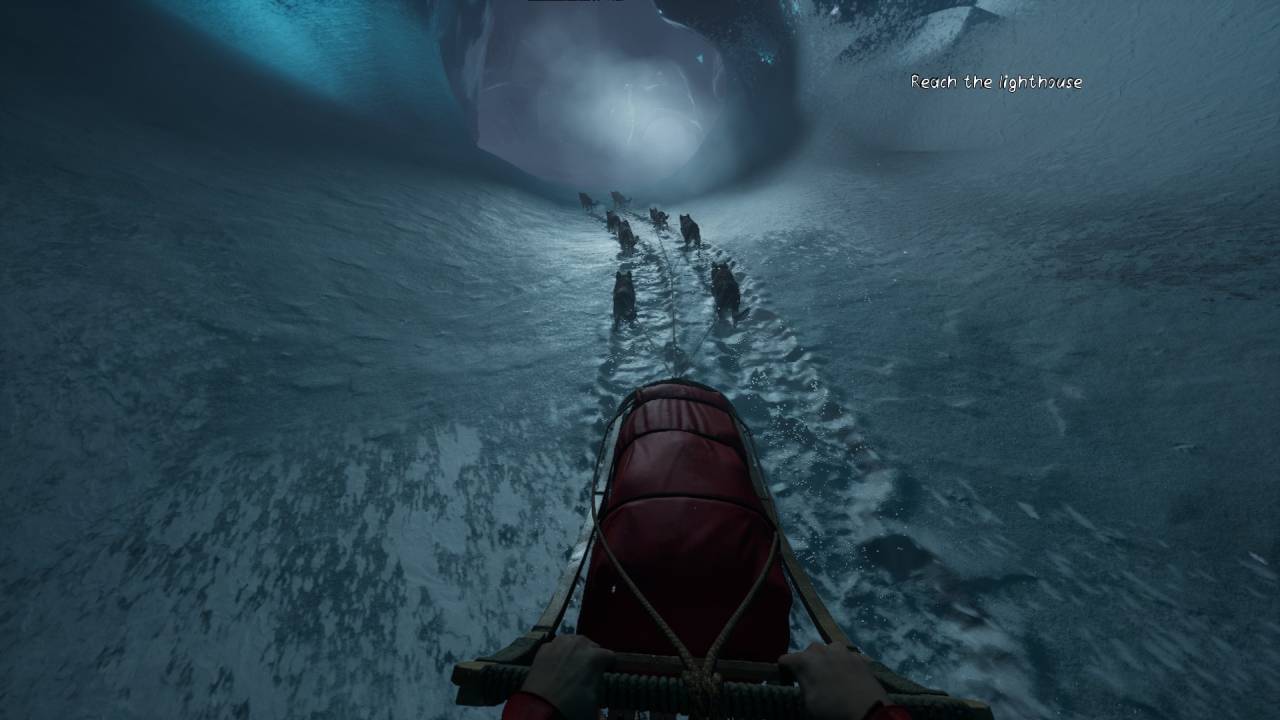
The game is structured by the transition between different environments as the story progresses. You leave the lighthouse and sea navigation sections for snowy mountain sections, where the main form of travel is by dog sled. In these sections, WILL: Follow The Light adds a further level of physical realism, where movement is less about speed and more about control, balance, and awareness of the environment.
Dog sledding isn't meant to feel like an arcade mechanic.
Rather, it emphasizes the burden of travel through harsh conditions. The game’s DNA includes navigating snowstorms and winding paths, reinforcing the notion that WILL: Follow The Light is about endurance, not efficiency. The pace is still slow, but it’s slow for a reason; it fits the setting and emotional mood.
Between these major travel systems, WILL: Follow The Light keeps bringing you back to exploration and puzzle-solving moments grounded in observation. You’re often interacting with machinery, weather stations, generators, and navigation tools. The puzzles don’t rely on abstract logic chains but instead on understanding how objects in the environment function. This keeps the experience grounded, even when the story starts leaning into emotional or symbolic territory.
WILL: Follow The Light has no combat, but the tension as the game progresses comes from system failure, navigation difficulty, and environmental hazards. Storms, visibility problems, and mechanical failures are the biggest hurdles. This is to reinforce the idea that the game is not about fighting enemies, but about surviving conditions and controlling yourself in unpredictable environments.
Exploration is one of the strongest pillars in WILL: Follow The Light.
You’re constantly encouraged to examine your surroundings, take notes, and piece together fragments of narrative context. The game does not rush you through its spaces, and instead, WILL: Follow The Light lets you sit with environments that feel deliberately empty but meaningful. This emptiness is not accidental; it reflects isolation as a core theme.
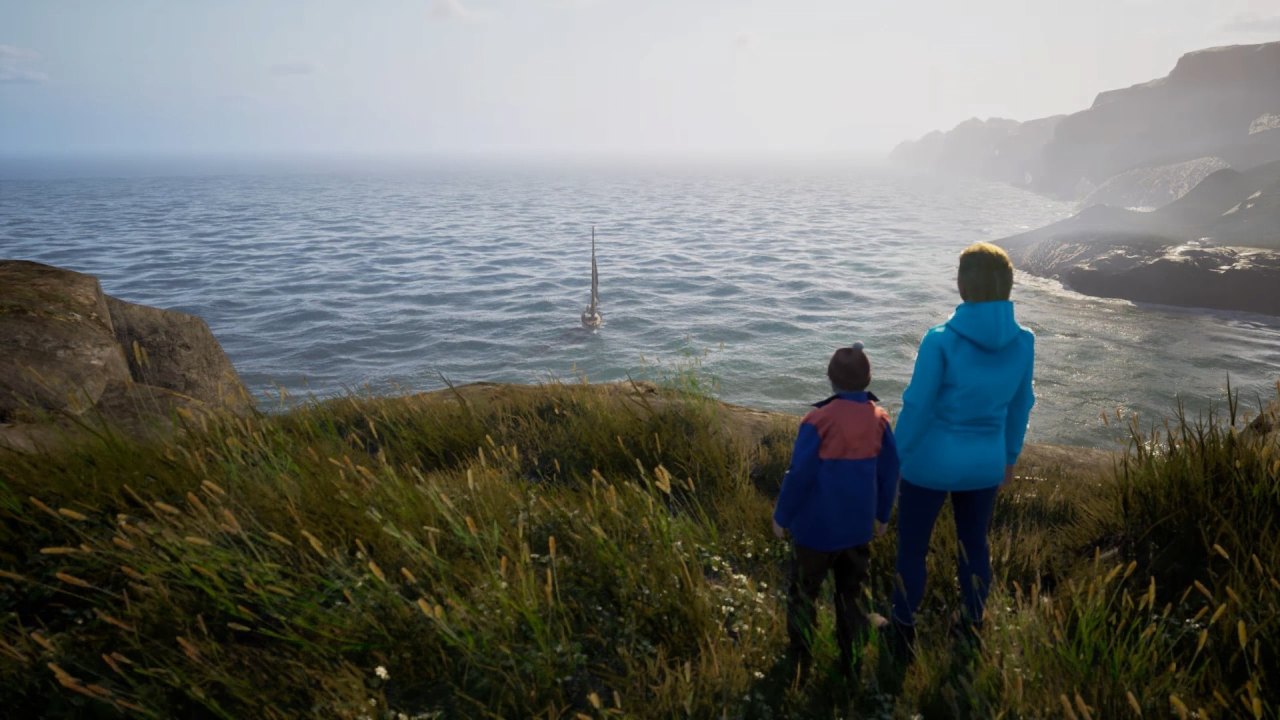
Graphically, WILL: Follow The Light uses Unreal Engine 5 to deliver realistic-feeling environments with a somewhat muted tone. The ocean, the snowy mountains, the ruined settlements. They all have visual identities that stress atmosphere rather than stark contrast. Fog is a big part of WILL: Follow The Light. It’s often used to obscure distant details and reinforce isolation, rather than being a limitation.
The lighthouse sections in WILL: Follow The Light are especially good visually; sweeping shots of the sea and storm effects bring out scale. Even when the game is technically simple in terms of interaction, WILL: Follow The Light uses lighting, weather, and environmental layering to create the sense that each space is lived in and important.
Visual design enhances the emotional tone throughout, rather than detracting from it.
Performance-wise, WILL: Follow The Light runs quite well on modern hardware, with stable frame rates even in the more demanding weather sequences. This allows the player to remain immersed, which is important because it relies heavily on a continuous atmosphere. There’s no technical glitch, and the pace of the game feels intentional, not stilted.
Sound design is a big part of how WILL: Follow The Light communicates emotion. The soundscape is consistent and grounded, built from ambient waves, wind, creaking wood, and distant radio chatter. Voice acting is also a big part of storytelling. The voice acting is mostly natural and understated, not too over-the-top.
The pacing and accessibility of WILL: Follow The Light are some of its more polarizing elements.
WILL: Follow The Light might be overwhelming or unintuitive to players expecting more hand-holding, as it relies on features like coordinate navigation and environmental interpretation. This design choice adds realism but also becomes an early barrier to entry for some players.
The game also has a fairly short play time considering its narrative ambitions. Most playthroughs are within a few hours' range, which makes their emotional pacing feel compressed. But this more compact structure also means the game is still very much focused on its core themes.
The strongest emotional impact of WILL: Follow The Light comes from directly linking gameplay mechanics to narrative consequences. Storm sailing, sailing by no clear compass, sailing on a fragile system—all parallel Will’s emotional instability. This is where the whole thing feels the most cohesive in terms of story and mechanics.
As you approach the end of WILL: Follow The Light, the game leads you toward a resolution that casts the events of the past in a more emotional way. It’s a finale that relies not on spectacle but on thought, leaving you to decide how the journey ties into fatherhood, regret and reconciliation.
Ultimately, WILL: Follow The Light is a debut game that prioritizes emotional storytelling and immersive systems over traditional gameplay variety. While the slow pacing and focus on navigation mechanics won’t be for everyone, it creates a consistent identity that supports its narrative ambitions throughout.
Overall, this is a game that makes you think about sailing, survival, and emotional discovery.
It marries environmental storytelling with realistic navigation systems and quiet exploration to produce something that feels personal and meditative. WILL: Follow The Light has definite problems with pace and accessibility, but it does manage to tell a tight story about family, loss and the burden of responsibility.
Staff Writer, NoobFeed
Verdict
WILL: Follow The Light is an immersive, emotional, slow-paced narrative adventure that shines with realism and atmosphere; pacing and systems won’t be for everyone.
80
Related News
No Data.