
4K vs. 1440p Gaming in 2025: Which Resolution Offers the Best Value
Modern upscaling technologies like DLSS make 4K gaming more achievable, enhancing image quality without heavily sacrificing performance.
Hardware by Tanvir Kabbo on Oct 19, 2025
PC gamers are still arguing about 4K gaming. A lot of people are wondering if now is the right time to switch to 4K or if 1440p is still the best option. Graphics cards are getting more powerful and displays are getting cheaper.
The truth is that both resolutions are fantastic. Still, the best decision for you will depend on your budget, what you value most, and how much performance you're willing to give up for pure beauty.
.jpg)
Visual Leap: Clarity and Sharpness
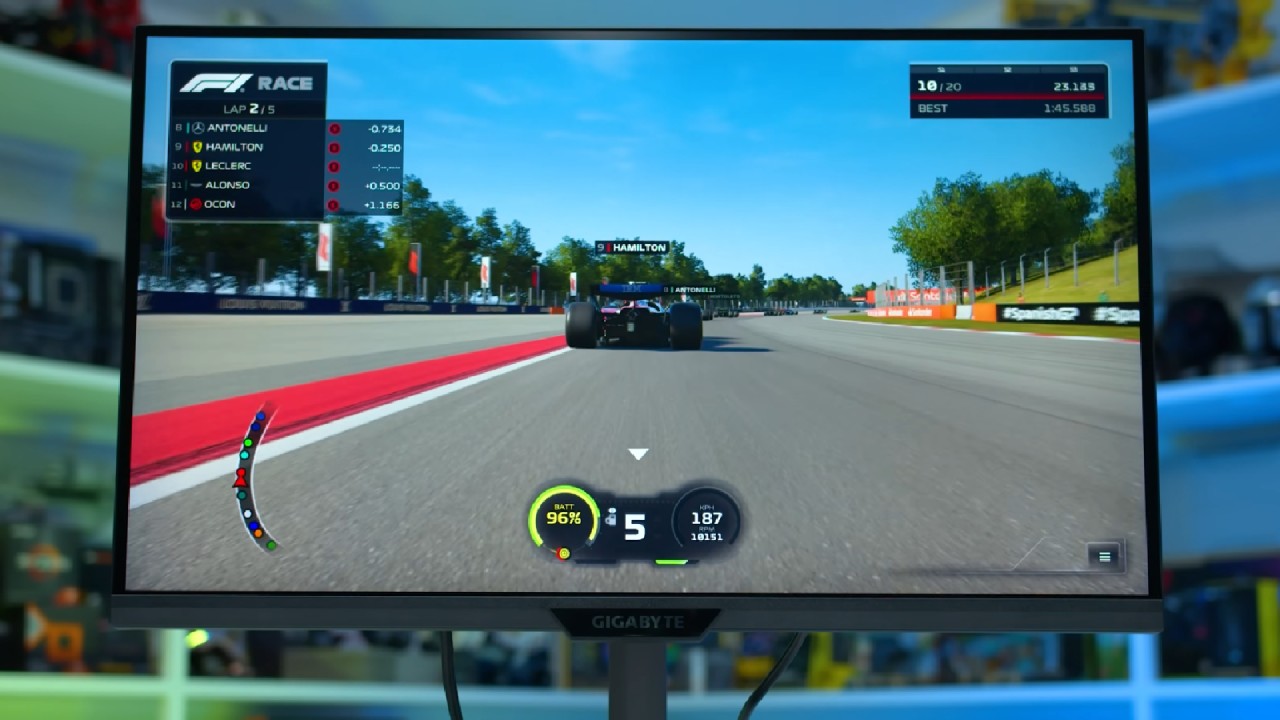
There's no denying it—4K looks stunning. The difference between 1440p and 4K isn't just about pixel count; it's about the overall clarity of the image. Textures look more lifelike, small details like foliage, facial features, and reflections appear sharper, and edges on objects are noticeably smoother. At the proper viewing distance, the improvement is very visible, especially on screens 27-inches and above.
When you pair 4K resolution with modern upscaling technologies like DLSS, the image becomes even cleaner. It reduces jagged edges and shimmering effects without requiring native 4K rendering in every frame. That means even midrange hardware can produce impressive results if you're willing to tweak a few settings.
That said, 1440p still holds its ground. It offers a crisp, detailed image that's far superior to 1080p and often comes with higher refresh rates. If you value ultra-smooth motion and competitive performance over pure detail, 1440p might still be your sweet spot.
Performance and Hardware Demands
Now, let's talk about performance—because visuals don't matter much if your frame rate tanks. 4K gaming pushes hardware to its limits. Even with technologies like DLSS Balanced, GPUs such as the RTX 5060 Ti and RTX 5070 start to feel the strain in demanding titles.
You can make it work with an RTX 5070 if you're comfortable reducing settings or relying more heavily on upscaling. But suppose you want the full native 4K experience with high or ultra settings. In that case, you're realistically looking at something like an RTX 5080.
1440p, however, tells a very different story. It's far easier to drive and still looks fantastic. On average, 1440p can deliver up to 2.25x higher performance compared to 4K. In real-world terms, a GPU like the RTX 5070 that manages around 86fps at 4K can easily push close to 194fps at 1440p.
That's a massive improvement, especially for fast-paced shooters and esports titles where smoothness can make or break your gameplay experience.
.jpg)
Cost Factor
Cost is where the biggest divide lies. A GPU capable of excellent 1440p gaming—say, the RTX5070—sits around $550. If you want to play 4K games at a similar level of quality, you'll probably need an RTX 5080 or above, which will cost you about $1,200. That's a $650 difference only between the graphics cards. And that's not even factoring the high price of a good 4K monitor, especially if you want an OLED panel for those deep blacks and rich colors.
For many gamers, spending over double the cost for the jump from 1440p to 4K simply isn't practical. The visual difference is definitely there, but it's not always transformative enough to justify such a big price hike—especially if you play competitive or fast-paced titles that benefit more from higher frame rates than from pixel density.
Balancing Visuals, Performance, and Budget
4K gaming can be really rewarding if you're a gamer who wants the best of the best and is ready to spend a lot of money on your setup. The colors are bright, the games look amazing, and the cinematic experiences feel nearly real. Buying a 4K OLED display can even make you more productive and enjoy media more outside of gaming, which will make your PC experience better overall.
But if you're on a limited budget or just want a smoother, more responsive experience, 1440p is still the best choice. It has fast frame rates, great visual quality, and lets you use cheaper monitors and GPUs. Also, a lot of 1440p displays now have refresh rates of 165Hz or even 240Hz, which makes them great for both leisure and competitive gamers.
Final Thoughts
There's no denying that 4K gaming looks great, but it costs a lot and needs a lot of power to run. On the other hand, 1440p gives you a much better experience that balances quality, speed, and price. Most gamers will still find 1440p to be the best resolution for PC gaming in 2025.
But if you can afford the upgrade, and you crave that extra sharpness and detail that only 4K provides, it's an upgrade you won't regret once you see it in action.
Whether you choose 1440p or 4K ultimately comes down to what you value most: breathtaking visuals or smooth, consistent performance. Either way, the beauty of PC gaming is that there's no wrong answer—just the setup that fits you best.
Also, Check Our Other Monitor Articles:
- ASUS ROG Strix XG27AQWMG Review: 280Hz 1440p OLED Gaming Performance
- ASUS ROG Strix XG32UCWG Review: 32-inch OLED with 4K 165Hz and HDR
- Samsung Odyssey OLED G81SF Review 2025: Ultimate 32-Inch QD-OLED Gaming Monitor
- Adaptive Sync Explained: FreeSync vs. G-Sync for Modern Gaming Monitors
- Gigabyte MO27Q2 QD OLED Review: Performance, HDR, and Gaming Experience
- ASUS ROG Swift PG27UCDM Review: Blazing Fast 240hz 4K OLED Performance
Senior Editor, NoobFeed
Gaming Hardware Updates
No Data.