
AMD Confirms FSR 4.1 Support for RDNA 3 and RDNA 2 Radeon GPUs
Official FSR 4.1 release removes multiplayer compatibility issues caused by unofficial leaked FSR4 implementations.
Hardware by Nahe Yan on May 15, 2026
AMD today officially announced the launch of FSR 4.1 for the Radeon RX 7000 series and beyond, including the Radeon RX 6000 series. The upgrade adds machine learning upscaling enhancements for older RDNA generations and keeps the older RDNA generations relying on INT8 instructions rather than FP8 acceleration on RDNA 4 GPUs.
The newer FP8 method can be implemented more flexibly for upscaling, AMD says, while INT8 requires more optimization and tuning to ensure image quality and performance. AMD officially stated that FSR 4.1 will be first for the RX 7000 series, with support for RX 6000 cards available in early 2027. It will provide more vivid visuals and smoother gameplay for the supported games, the company said.
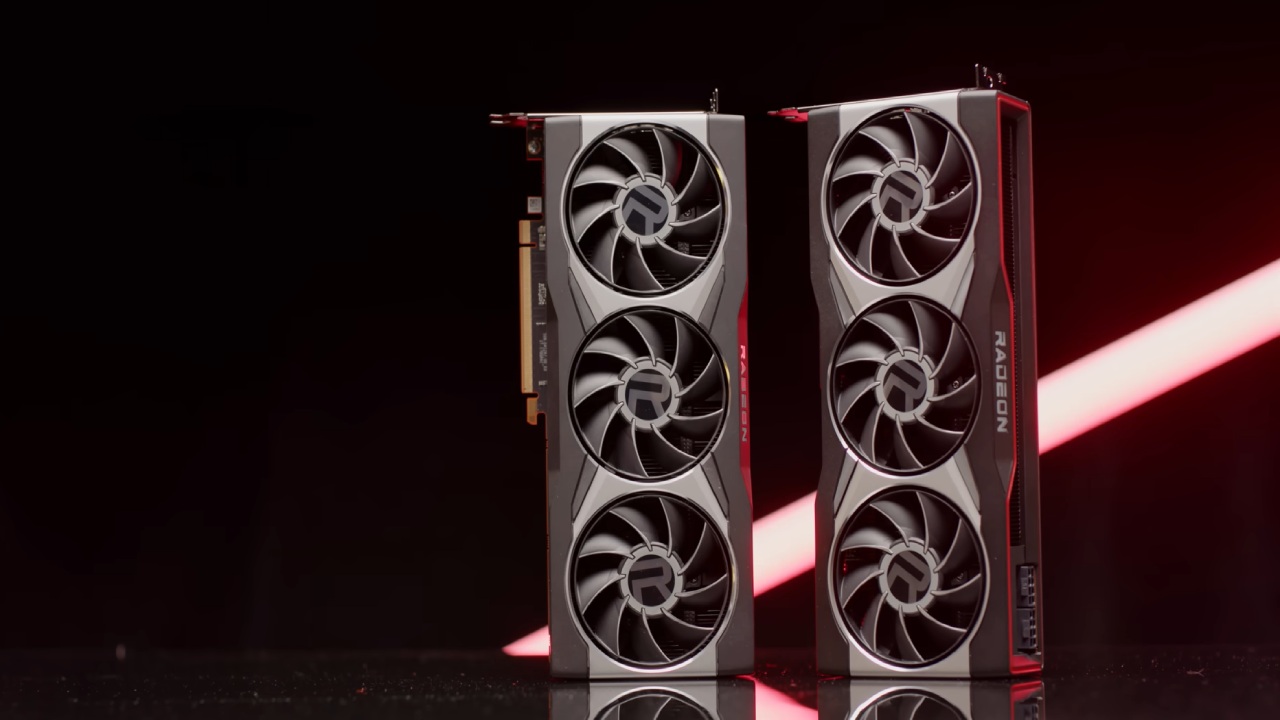
AMD confirms FSR 4.1 for more Radeon GPUs
The team has been working to expand support and evolve FSR 4, AMD said. The company also noted that it supports over 1 billion gaming devices globally and expects greater support as a responsibility.
FSR upscaling 4.1 for RDNA 3 GPUs will be supported by over 300 games and be available out of the box. At launch, more than 300 games will support FSR upscaling 4.1 on RDNA3 GPUs, available out of the box. Additional tuning and optimizations are needed for RDNA2 GPUs, which is why support for them is arriving later.
FP8 vs INT8: Explained by AMD
AMD explained that FP8 AI acceleration hardware is designed into RDNA4 GPUs. AMD said that RDNA 4 GPUs were built with hardware for floating-point computation and machine learning acceleration. The company said FP8 provides the model more space to operate in and simplifies the implementation of machine learning. RDNA 3 and RDNA 2 GPUs have no dedicated FP8 hardware support. For this reason, AMD has had to tune FSR 4.1 for integer-based calculations, using INT8.
To ensure the graphics remained sharp, AMD had to be careful, tune, optimize, and validate the graphics for the transition to RDNA 3 and FSR 4.1, the company said. The company also tested hundreds of PC configurations and games to optimize memory usage, validate motion vectors, and reduce artifacts when fast-moving images appear.
FSR4.1 is the new officially-issued version of FSR4, though the current leaked version is already available for RDNA 2 and RDNA 3 GPUs for use with INT8 instructions. Consult the iGamewall to learn more about the timing of the NVIDIA RDNA3 launch and the details being leaked about the Steam Machine.
The release of FSR4.1 on RDNA3 GPUs seems to be linked to future RDNA3-powered handheld devices. Until now, the new FSR4 feature has been exclusive to the latest GPUs, leaving other gaming devices that run on RDNA3 out.
AMD announced that FSR 4.1 will be coming to RDNA3 gamers in July. It's also coming at the right time, around the release of new handheld gaming systems based on RDNA3 graphics. Throughout the presentation, the company also showcased handheld devices and laptops, underscoring its strategy to go beyond desktop GPUs.
VQI in FSR4.1
AMD showed noticeable improvements in image quality between FSR 3.1 and FSR 4.1. The newer version had clearer details, such as ropes, textures,, and distant objects. The company explained that the INT8 version of FSR4.1 was designed with great care to maintain visual fidelity without requiring dedicated FP8 acceleration hardware.
The main advantages of the official release of FSR4.1 over the current leaked INT8 version are the lack of artifacts and cleaner visuals across multiple situations. AMD also explained that during the production process, every millisecond was important, as excessive processing would be counterproductive. The optimization process seems to be oriented toward achieving an optimal balance between picture quality and frame rate, particularly with RDNA3 GPUs.
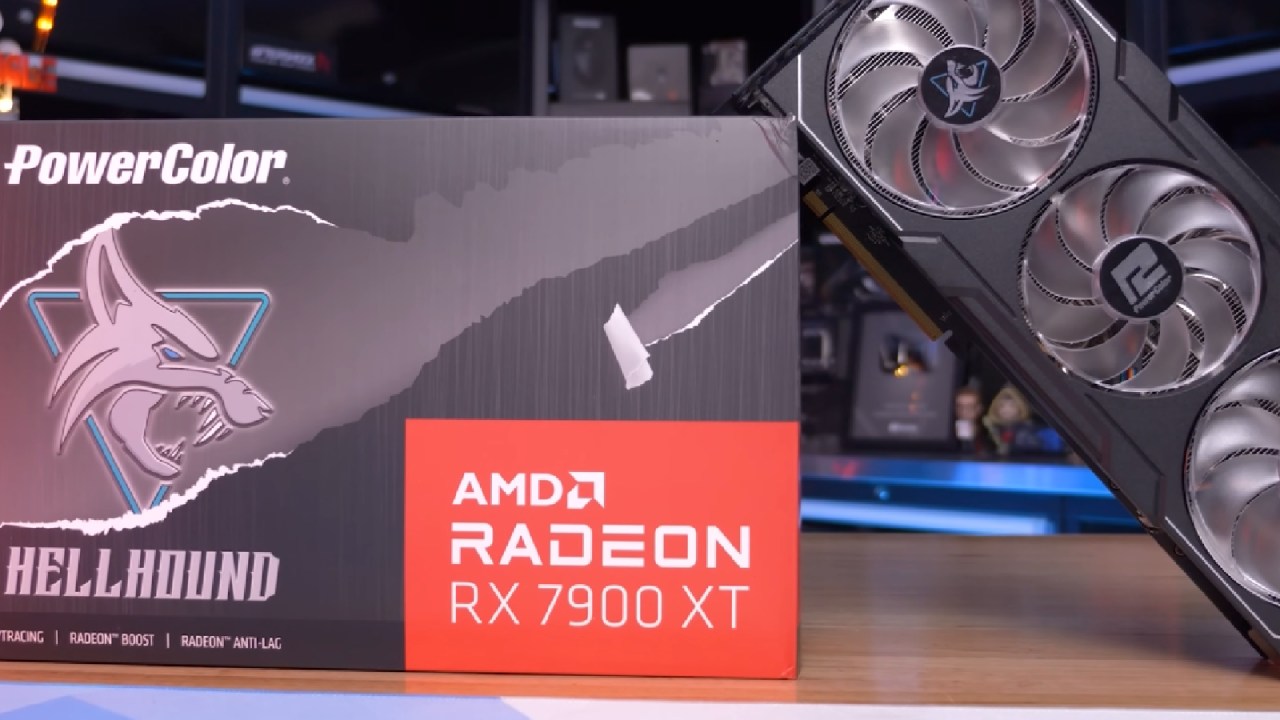
Performance Expectations for RDNA 3 and RDNA 2
One of the most important topics regarding FSR4.1 is performance. The unofficial INT8 implementation for FSR4 can cause significant performance drops in some games. AMD recommends that the official version of FSR 4.1 receive further "tuning" for better performance efficiency on RDNA 3 GPUs. It might enable players to improve upscaling quality while still boosting frame rates in demanding games.
There's also a rumor that RDNA 2 support has been delayed due to performance optimization. It looks like the feature is already running on RX 6000 devices, but AMD may be fine-tuning performance until it launches in early 2027. With AMD's performance gains, maybe for the first time in multiplayer titles, RDNA 3 players can enjoy FSR 4.1 without worrying about unofficial fixes.
Tons of multiplayer compatibility fixes and anti-cheat enhancements. Several anti-cheat fixes and multiplayer compatibility improvements. The private version of FSR 4 was more popular than the official version, in part because it let you play with other people online. In some online games, anti-cheat systems can find files that have been changed and stop the feature from working properly.
That should not be an issue with supported games, as it was officially resolved with the release of FSR 4.1. RDNA3 GPUs will also receive appropriate assistance with machine learning upscaling in multiplayer settings, without setting off anti-cheat mechanisms. If it's just that, then FSR 4.1 is much more useful for competitive gaming workloads where both visual clarity and performance are important.
AMD sees greater Support for Machine Learning Upscaling
According to AMD, gaming is where technology and artistry collide, and the company shared its objective of making machine learning upscaling tools more accessible for developers and gamers.
FSR 4.1 is the official launch of AMD's machine learning upscaling technology for RDNA 4 devices, the first significant scaling of the technology beyond RDNA4 devices. The dedicated FP8 acceleration is retained for RDNA 4 GPUs and is being ported to older GPU architectures for INT8 computation.
The shift also includes support for laptops, handheld systems, and desktop GPUs.
The current leaked INT8 version of FSR4 is more of a pre-release than a full FSR 4 experience. The official release of FSR 4.1 is anticipated to further enhance image quality and efficiency. The optimized INT8 implementation could provide RDNA 3 GPUs with significant improvements even without having access to FP8 hardware acceleration. AMD seems to be focusing on minimizing artifacts, smoothing frame rates,, and enhancing graphics performance across a broader array of hardware.
The update will be released first to RX 7000 users and will take longer to be supported on RX 6000 until early 2027. Although it came late, the inclusion of older Radeon hardware in FSR 4.1 marks a significant change in AMD's approach to machine learning upscaling. Finally, it introduces official ML-upscaling support to a lot more Radeon hardware.
Editor, NoobFeed
Gaming Hardware Updates
No Data.