
Control Resonant Guide | How to Master Combat
Here's a guide on how to master Combat in Control Resonant.
Game Guide by Navid Kabbo on Sep 28, 2026
Combat in Control Resonant is built around aggressive melee attacks, supernatural abilities, and constant movement. Unlike the original Control, Dylan Faden relies heavily on the shapeshifting Aberrant rather than traditional gunplay.
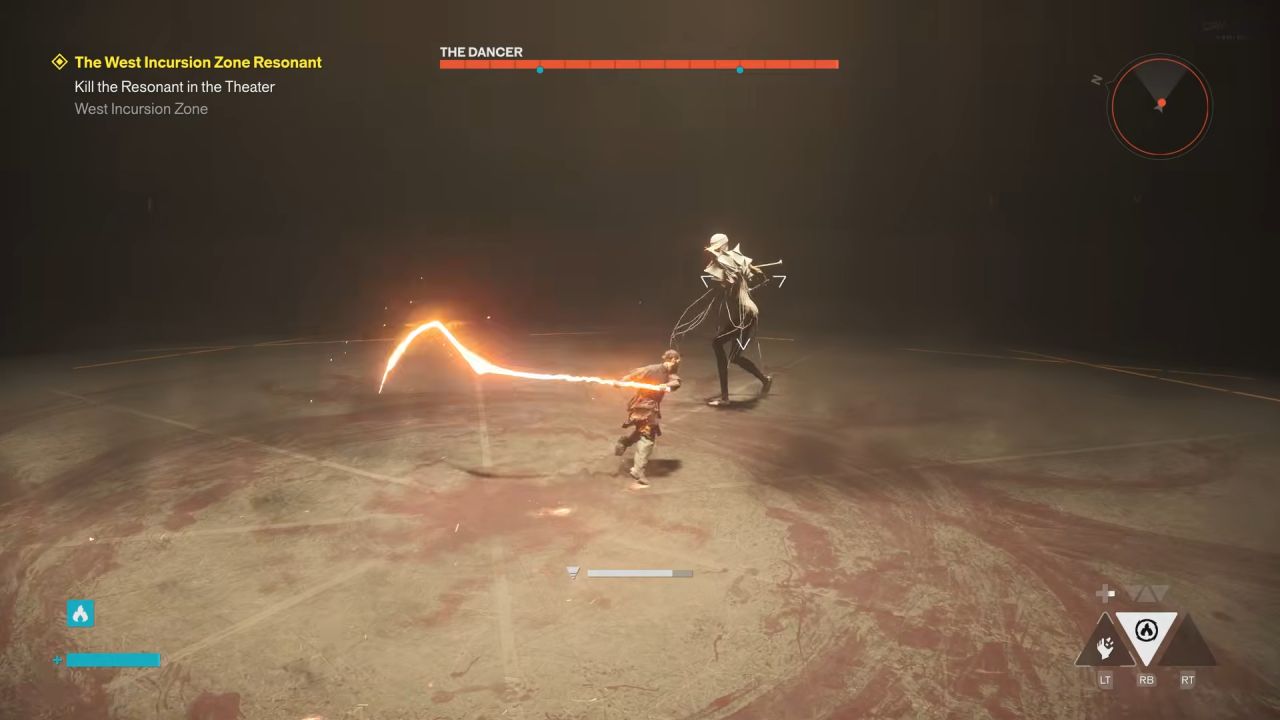
Learning how to manage Power, create Falter opportunities, dodge attacks, and use your Combat Abilities at the right time is key to surviving tougher encounters.
Whether you're struggling with regular enemies or preparing for a difficult Resonant fight, mastering the game's combat loop will make every encounter much more manageable.
Learn the Aberrant's Forms
The Aberrant is the foundation of Dylan's combat abilities. Its different forms give you different ways to approach enemies, so don't rely on a single attack pattern throughout every encounter.
Fast forms are useful for maintaining pressure and dealing with mobile enemies, while heavier forms can provide stronger attacks against tougher targets. Experiment with your available Forms and switch your approach depending on the enemies you're facing.
Keep Attacking to Build Power
One of the most important parts of combat is maintaining your melee pressure. Attacking with the Aberrant helps build the resource required to use your supernatural abilities.
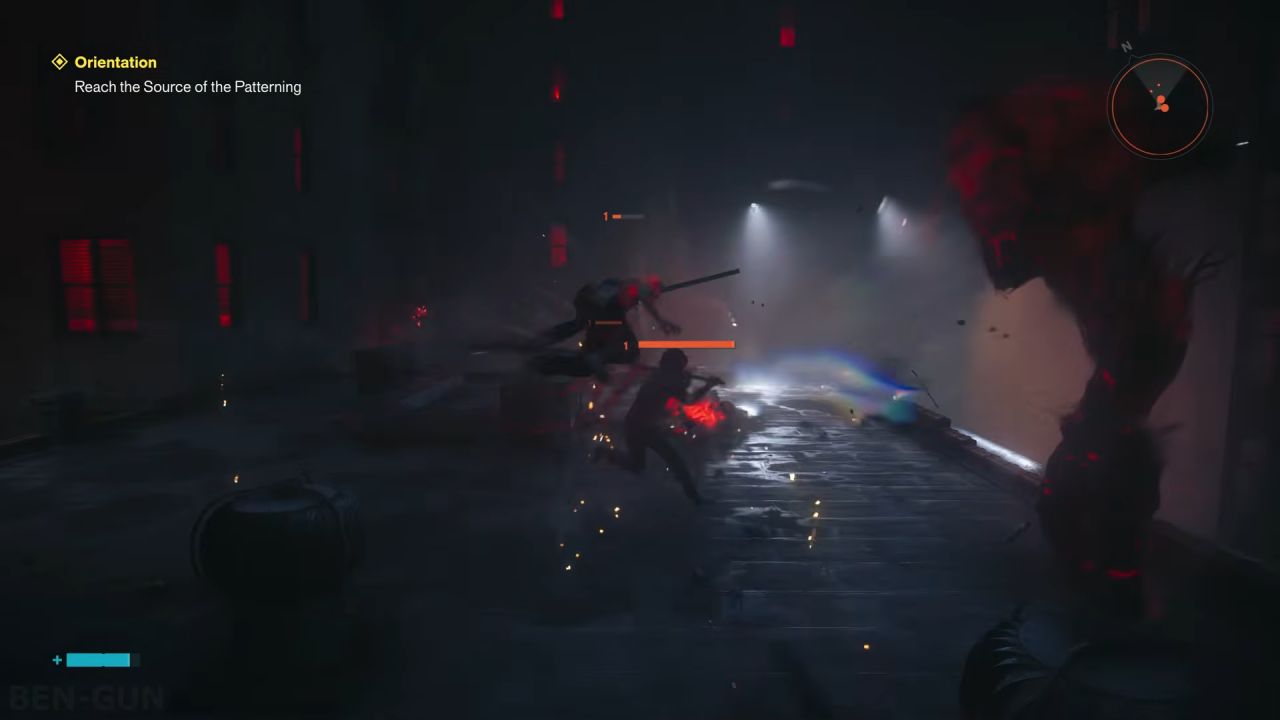
Instead of constantly backing away from enemies, look for opportunities to stay aggressive. Once you have enough Power, use your abilities to interrupt enemies, create openings, or deal burst damage.
A simple combat rhythm to follow is:
- Attack with the Aberrant to build Power.
- Use Combat Abilities when an opening appears.
- Build Falter on enemies.
- Take advantage of the opening when an enemy is vulnerable.
- Return to melee attacks and repeat the cycle.
Master Dodging
There is no traditional block or parry system in Control Resonant, so dodging and positioning are your primary defensive tools.
Don't dodge randomly whenever an enemy attacks. Pay attention to enemy animations and learn when an attack is actually going to connect. A well-timed dodge can keep you out of danger while allowing you to immediately return to the offensive.
Against aggressive enemies, it is often better to dodge through or around an attack rather than retreat across the entire arena.
Use Falter to Create Openings
Falter is an important part of the combat loop. Instead of simply trying to deplete an enemy's health as quickly as possible, focus on building enough pressure to create an opening.
Once an enemy is vulnerable, use the opportunity to deal significant damage or finish the encounter. This is particularly important against stronger enemies that can withstand several normal attacks.
If you're struggling to defeat an enemy, focus less on raw damage and more on creating consistent Falter opportunities.
Don't Waste Your Combat Abilities
Combat Abilities are powerful, but using them randomly can leave you without the resources you need when an enemy becomes dangerous.
Try to use abilities for a specific purpose:
- Use offensive abilities to punish vulnerable enemies.
- Use defensive abilities when you're surrounded or need breathing room.
- Use crowd-control abilities against groups.
- Save some Power when entering a dangerous part of an encounter.
- Combine abilities with Aberrant attacks instead of treating them as separate attacks.
Your Combat Ability setup should also complement your chosen Aberrant Forms. Different combinations can support different playstyles, so experiment rather than trying to force one setup into every encounter.
Keep Moving During Fights
Standing still is one of the easiest ways to get overwhelmed. Enemies can attack from multiple directions, and larger encounters can quickly become chaotic.
Use dodges, movement abilities, and the environment to reposition yourself. If several enemies surround Dylan, create space before committing to another attack string.
At the same time, don't spend the entire fight running away. Your melee attacks are important for rebuilding Power, so return to the offensive once you've created enough distance.
Prioritize Dangerous Enemies
When fighting groups, don't always attack whichever enemy is closest to you. Identify the enemies that can cause the biggest problems and deal with them first.
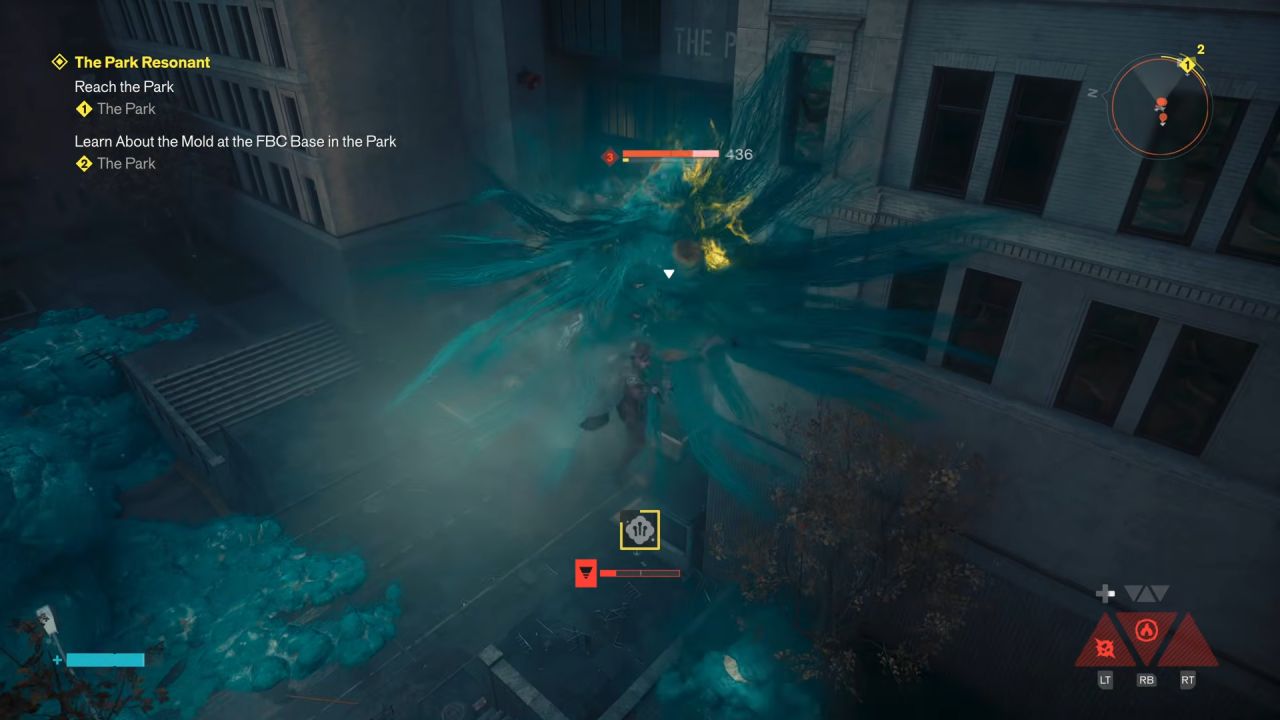
Ranged enemies can pressure you while you're fighting another target, while stronger enemies can disrupt your attacks and limit your movement.
Eliminating one dangerous enemy can make the rest of the encounter significantly easier.
Adapt Your Build
If you're repeatedly losing the same fight, changing your build can be more effective than simply trying the same strategy again.
Experiment with different Aberrant Forms, Combat Abilities, Talents, and Artifacts to find a setup that covers your weaknesses. Control Resonant gives you several ways to customize Dylan's combat style, so your build should support how you actually play.
For example, if you're constantly being overwhelmed by groups, prioritize abilities that give you better crowd control. If you're struggling to survive against a powerful enemy, consider abilities that give you more defensive options or help you create openings.
Practice Against Regular Enemies
You don't need to wait for a major boss fight to learn the combat system.
Use regular encounters to practice:
- Perfectly timing your dodges.
- Switching between Aberrant Forms.
- Building and spending Power efficiently.
- Creating Falter opportunities.
- Combining abilities with melee attacks.
- Staying aggressive without taking unnecessary damage.
Once these actions become second nature, difficult encounters become much easier to read.
Final Thoughts
Mastering combat in Control Resonant is less about constantly attacking and more about understanding the rhythm of each encounter. Build Power through melee attacks, use Combat Abilities to create openings, dodge incoming attacks, and take advantage of Falter whenever you can.
Most importantly, keep experimenting with your Aberrant Forms and build. Once you understand how your abilities work together, Dylan becomes much more effective against even the toughest enemies.
FAQ
Q. Does Control Resonant have a parry or block?
A. No. Control Resonant does not use a traditional block or parry system. Dodging, movement, and positioning are the main defensive tools.
Q. How do you build Power in Control Resonant?
A. Attacking enemies with the Aberrant helps build the resource used for Combat Abilities. Staying active in melee is therefore an important part of the combat loop.
Q. What is the best way to deal with groups of enemies?
A. Prioritize dangerous enemies, keep moving, and use Combat Abilities that can interrupt or control multiple targets. Avoid becoming surrounded whenever possible.
Q. Should you change your Aberrant Forms?
A. Yes. Different Forms and Combat Abilities can suit different encounters, so experimenting with your setup is an important part of mastering combat.
Editor, NoobFeed
Latest Articles
No Data.