
Fellowship Beginner’s Guide | Gameplay Tips & Tricks
A concise, reader-friendly roadmap to mastering Fellowship’s dungeon-focused action from day one.
Game Guide by Faviyan Mustafiz on Oct 16, 2025
Fellowship launches into Early Access on October 16 with a streamlined, dungeon-first MMO experience built for fast group play. You jump in with a four-person party, skip open-world grinds and PvP, and dive straight into boss encounters and loot.
If you want the essentials on roles, UI setup, matchmaking, difficulty tiers, the Star Map, and gear progression, this guide lays out everything needed to get moving confidently and efficiently in Fellowship.
How Fellowship Works
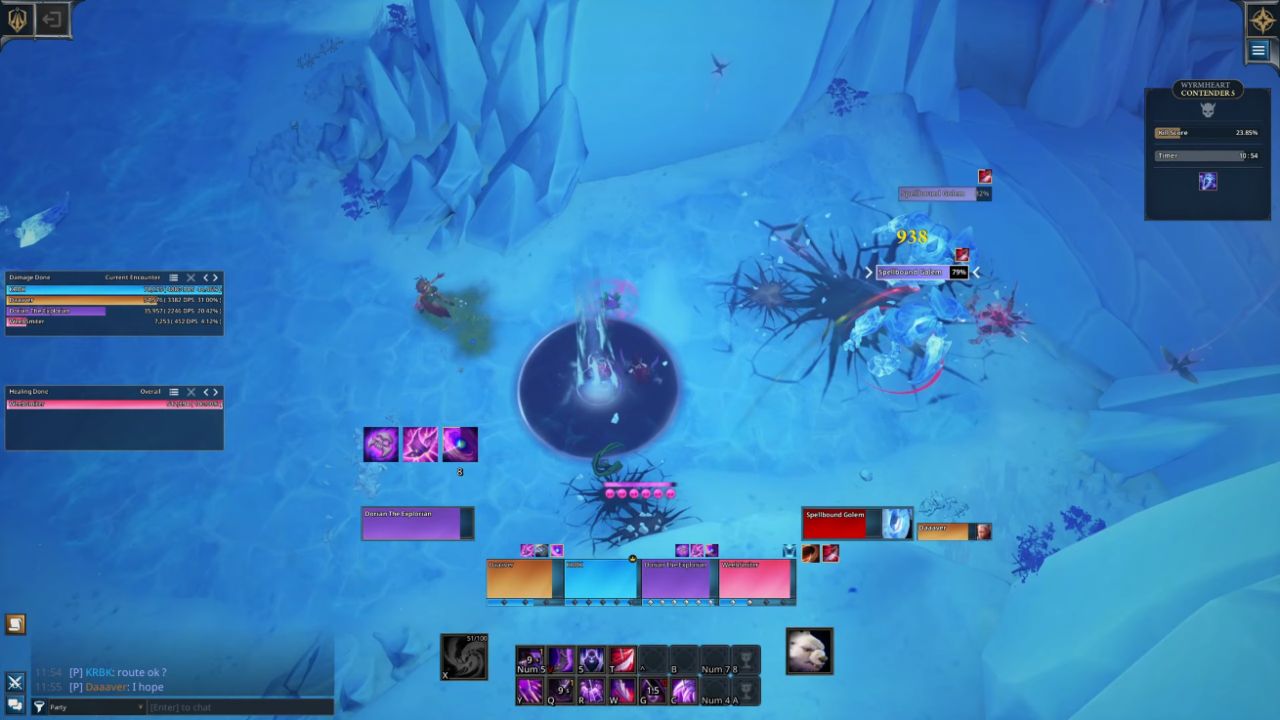
You choose from a roster of heroes aligned to the classic trinity of tank, damage dealer, and healer, and you form a party in the Stronghold. A simple queue sends you into a dungeon featuring one to three bosses.
As you progress, you clear enough enemies to reach 100% on the tracker in the top-right, then defeat the boss to unlock a treasure chest. Inside are items that raise your stats and, in rare cases, unlock new abilities.
After each clear, you return to the Stronghold, equip upgrades, open the Star Map to gain new abilities and talent points, and allocate those points in a straightforward but impactful talent tree.
The loop is pure and satisfying: run dungeons, beat bosses, earn loot, grow stronger, and push higher difficulties for fresh mechanics, tougher enemies, and unique rewards.
The Holy Trinity: Roles That Win Runs
The tank’s job is to control enemy focus and smooth incoming damage. Tanks maintain aggro with taunts and mitigation and should initiate pulls, because Fellowship grants an initial aggro burst to the first target enemies recognize.
Rushing in out of order can wipe the group on higher tiers. Healers keep everyone alive with straightforward but effective tools, while also contributing damage and enemy debuffs when possible.
A crucial responsibility is cleansing harmful debuffs from allies, which often decides success in hard pulls and boss fights. Damage dealers, or DPS, push high output while minimizing avoidable damage.
You must dodge telegraphed area effects and interrupt key enemy casts using the universal utility interrupt available to DPS and tanks. On higher difficulties, interrupts are mandatory—chasing meters at the expense of mechanics is an easy way to lose a run.
UI and Keybinds Setup
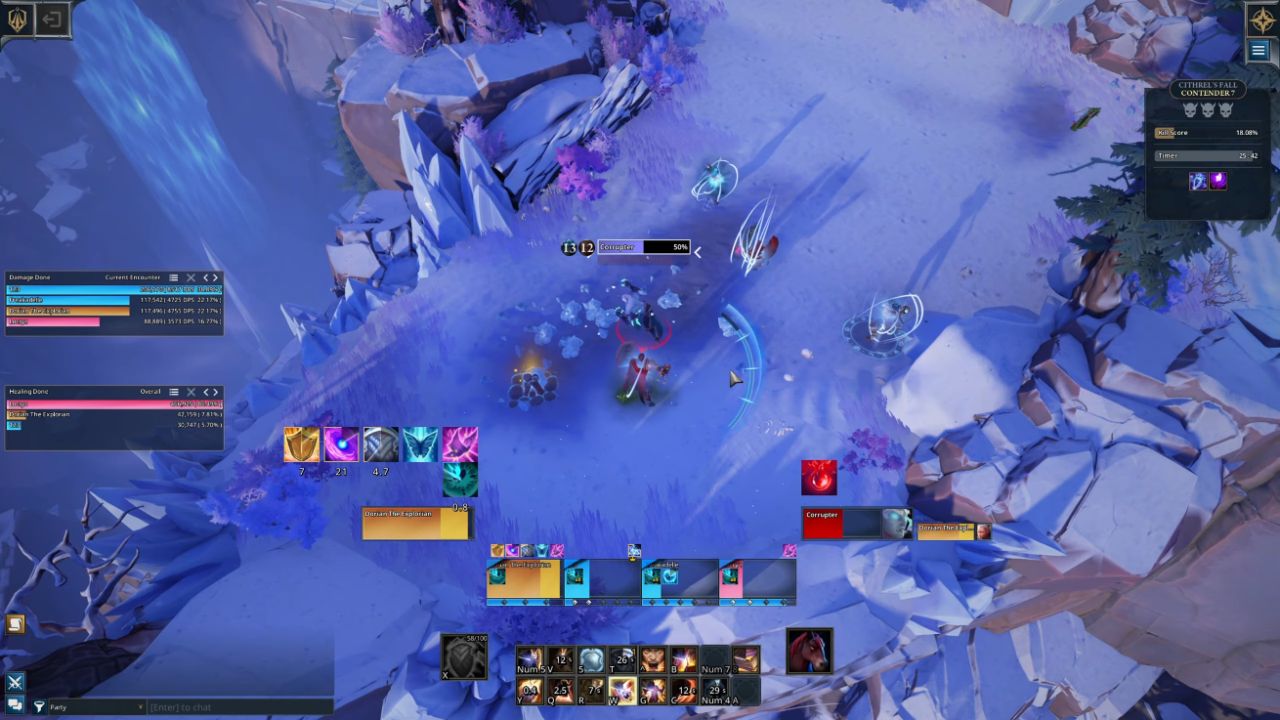
Before your first queue, set up a clean interface. Open Settings via the Escape key or the top-right menu to customize UI elements quickly.
Right-click action-bar slots to rebind keys or swap abilities. Practice on Training Dummies in the Stronghold to learn each hero’s rhythm and test your mappings until the kit feels natural.
Finding a Group and Getting Started
Use Quick Play to jump into early dungeons with an approachable difficulty curve. Quick Play equalizes high-end gear so you are not dragged through by overgeared teammates, and it awards Tokens instead of direct gear—useful account-wide currency you will spend later.
When ready to scale up, switch to Challenges, which are organized into four Leagues with progressively better loot. If you queue as DPS and waits are long, check the Dungeon Tool to see which roles are in demand and consider swapping roles for a faster pop.
Difficulty, Leagues, and Dungeon Score
Clearing tougher dungeons raises your Dungeon Score and unlocks optional difficulty modifiers. To move beyond a league bottleneck, you must time a specific dungeon to promote into the next league.
Each league increases item rewards and adds fresh mechanics to mob packs and bosses. In Sailor’s Abyss, for example, the Horot Coursers that simply hit tanks hard in the Contender League add a cleaving strike with a stacking bleed in the Adept League.
Tanks should keep these enemies facing away from the group and kite when bleed stacks rise too high to avoid a chain wipe.
The Star Map: Abilities, Talents, and Style
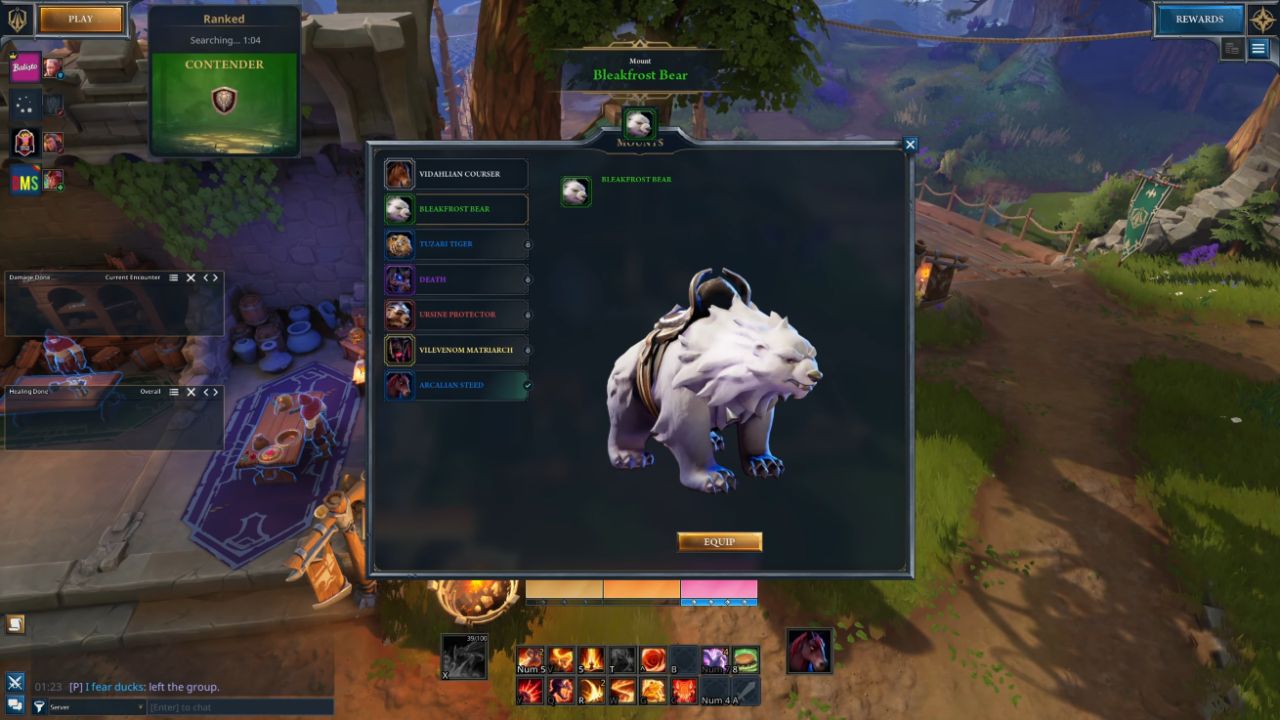
The Star Map fuels long-term growth along two tracks. The left path unlocks class abilities, new talent rows, and your ultimate Spirit Ability, and it advances with every dungeon you finish, regardless of difficulty.
That makes Quick Play a valid way to speed-unlock core tools. The second path ties to your Dungeon Score and league progression, granting talent points, gold, resources, and cosmetics such as skins to help your hero stand out.
Gear, Drops, and Upgrades
Fellowship centers on hunting for better gear. Each hero equips traditional slots across head, shoulders, chest, hands, fingers, and more, plus Relics and Weapons that can grant additional combat abilities.
Items provide main and secondary stats—for instance, Ardios, as a fire mage, prioritizes Intelligence as a main stat, while Helena favors Strength.
Many pieces drop from specific dungeons, and some sets feature bonuses. Every item can be enhanced using farmable currencies earned alongside gear and gold from successful clears.
Life in the Stronghold
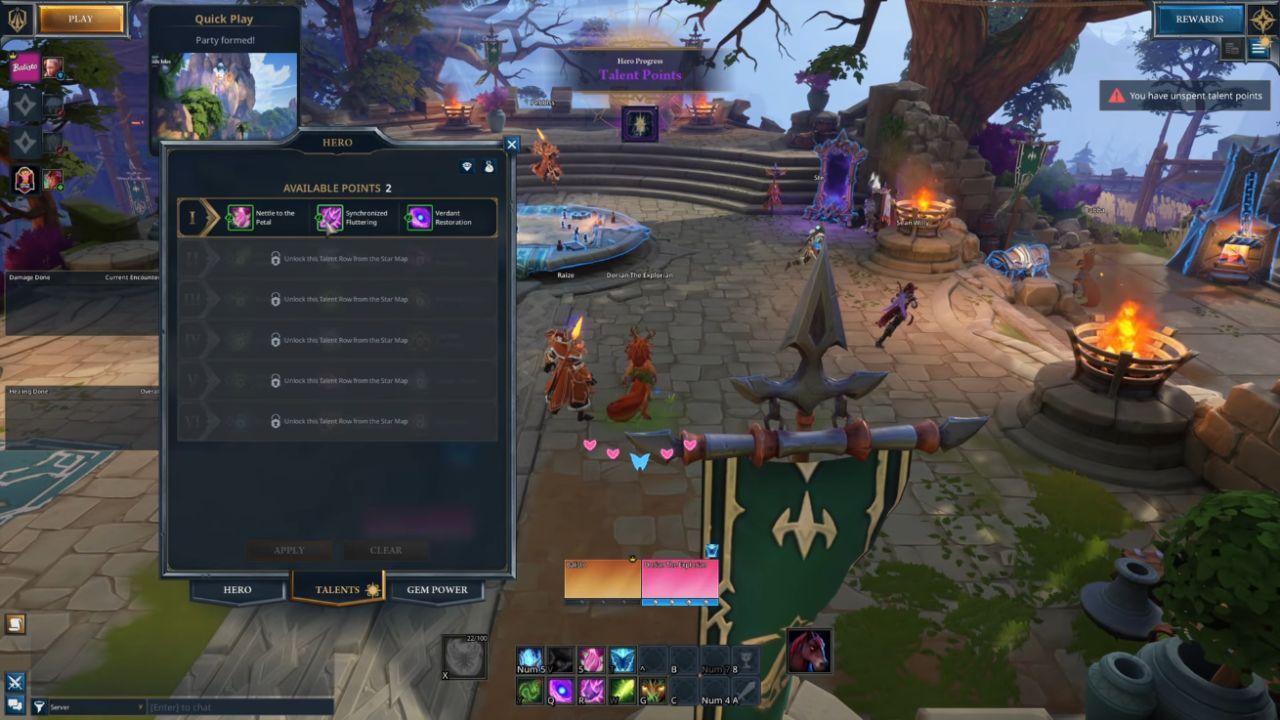
Between runs, the Stronghold houses everything needed to prepare. Visit vendors, the Stable to equip a mount for faster movement, the Scrapper to break unneeded items, and the Reforging Station to transform gear.
Spend Tokens from Quick Play on entry-level gear for under-geared heroes; for example, gear up Mako quickly using Tokens earned on another character. Note that Token-bought items are not upgradeable, unlike drops from league challenges.
Use the Blacksmith to upgrade gear in exchange for gold, raising raw stats and overall power. At the Reforging Station, convert gear pieces and Gems into different slots or stat profiles; if Sylvie already owns higher-level gloves, you can transform new gloves into shoulders and fine-tune stats to match your build goals.
Customization With Gems and Talents
Gems drop from dungeons and socket into slotted items. Different colors provide distinct bonuses, letting you tailor survivability or throughput to the content. Talent points unlock across rows, and Fellowship’s system is deliberately flexible.
Not all talents cost the same, and you may select two or even three in a single row for deeper customization. Respeccing is frictionless—click to remove and reassign points—so you can experiment freely and pivot builds between dungeon types and leagues without hassle.
The Gameplay Loop at a Glance
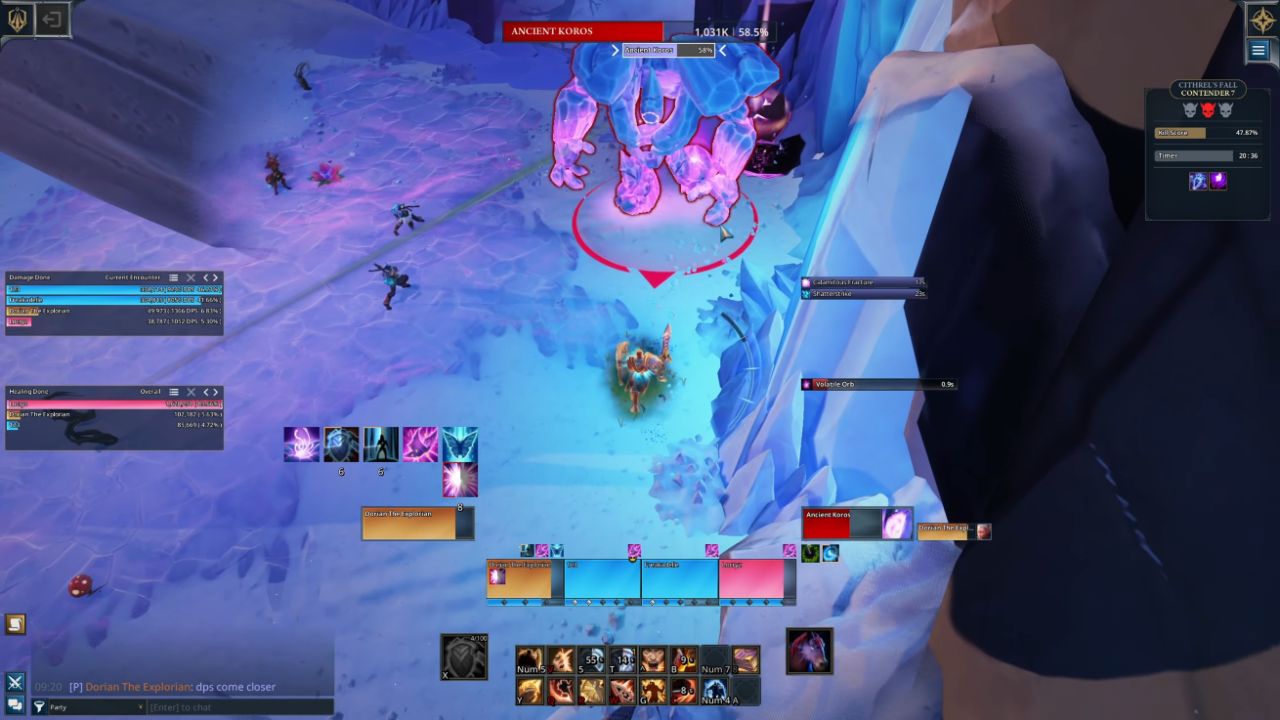
Queue for a dungeon, route toward the boss while clearing to 100%, and execute cleanly on role fundamentals. Tanks hold threat and position enemies, healers stabilize health and cleanse debuffs, and DPS maximize damage while dodging danger and landing critical interrupts.
Defeat bosses, open the chest for loot, equip and upgrade items, invest in the Star Map, and keep climbing into higher leagues for fresh mechanics and better rewards.
Also, check our Fellowship Review other guides below:
- Fellowship Guide | Best Ardeos Build & Rotation
- Fellowship Guide | Best Mara Build & Rotation
- Fellowship Guide | Best Sylvie Healer Build & Rotation
- Fellowship Guide | Best Helena Tank Build & Rotation
- Fellowship Guide | Best Meiko Tank Build & Rotation (Early Game)
- Fellowship Guide | Best Rime Build & Rotation (Quick Start)
- Fellowship Guide | Best Vigour Healer Build & Rotation (Quick Start)
- Fellowship Guide | How to Pick the Right Class
Contributor, NoobFeed
Latest Articles
No Data.