
The Future of RDNA 5 and Enthusiast GPU Competition
Rumors of RDNA 5 suggest AMD could mount a serious challenge in the high-end GPU performance segment.
Hardware by Tanvir Kabbo on Sep 06, 2025
Rumors around RDNA 5 have sparked renewed discussion about the future of the GPU market. With rumors circulating that AMD is planning a major push for high-end GPUs in late 2026 or 2027, aiming for 6090-class performance, there is increasing speculation about whether the enthusiast market is set to become more competitive.
Historically, AMD has often left the very top tier to Nvidia, while Nvidia's Blackwell felt like a minimal effort to maintain dominance rather than push true boundaries.
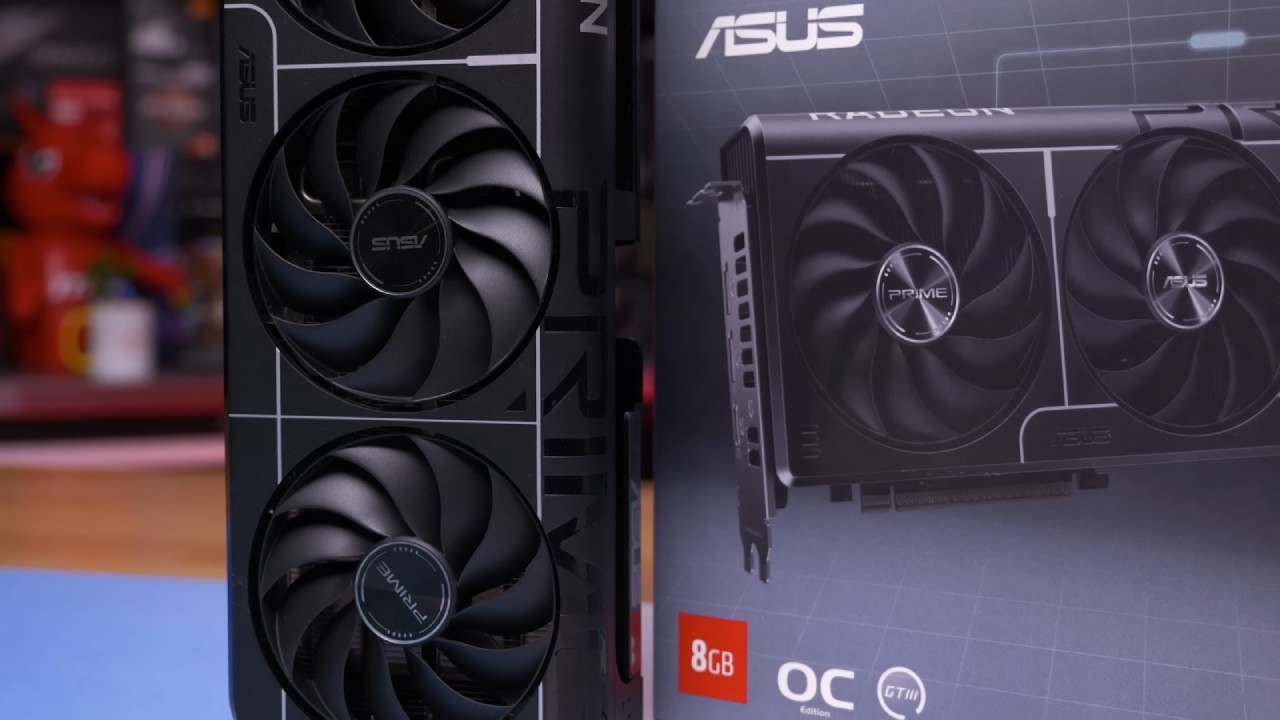
However, AMD seems to be closing the gap on both software and AI features, raising questions about how Nvidia may respond.
Shifting Dynamics in GPU Generations
Every new GPU generation comes with expectations of transformative competition. RDNA 4 was different, as AMD clearly communicated from the start that it would not target the high-end but instead focus on the mid-range and lower segments.
That decision was fair enough, but current leaks suggest the possibility of a massive "mega die" design that creates a wide performance gap between the high-end and mid-range.
While such leaks often originate from single, unverified sources, they nonetheless fuel discussions about whether AMD could finally mount a serious challenge at the top.
The Balance of Innovation and Marketing
We should approach these rumors with caution. Many of us have seen AMD generate excitement with high expectations, only for results to fall short or fail to significantly disrupt Nvidia's position.
Yet, AMD has also delivered strong value plays, as seen with RDNA 4, which, despite not reshaping the competitive landscape, provided solid offerings for mainstream users.
Nvidia, on the other hand, has long relied on DLSS innovations to differentiate its GPUs. Even if AMD succeeds at the high-end, we should not expect Nvidia to abandon DLSS marketing in favor of raw hardware gains alone.
Nvidia has the resources to continue advancing DLSS while simultaneously increasing VRAM, shader counts, and memory bandwidth. AMD, too, has the means—particularly if it channels resources from its CPU division—to fund significant GPU advancements.

The Blackwell Factor and Next-Gen Expectations
Much of the current discussion stems from reactions to Blackwell, which many felt did not push boundaries as expected. However, it is essential to acknowledge that Blackwell was constrained by process node limitations, utilizing the same manufacturing technology as the previous generation.
Nvidia's next-generation GPUs are expected to leverage 3nm manufacturing, which should naturally bring major performance and efficiency gains.
We should not assume Nvidia will grow complacent. Despite criticisms of Blackwell, the RTX 40-series brought significant generational improvements in raw performance, although they were unfortunately paired with steep price increases. This highlights the balance between R&D, process technology, and market strategy.
Pricing, Market Share, and Consumer Impact
The hope for many of us is a level playing field that brings down prices through competition. In theory, AMD delivering a feature-rich, high-performance RDNA 5 lineup could apply pressure on Nvidia to adjust its pricing and innovation strategies.
However, history shows that AMD's value plays do not always translate into significant shifts in market share. Even today, Nvidia remains deeply entrenched, to the point where PC graphics are almost synonymous with the brand.
You may want to see the market return to the days of GTX vs. RX competition, when GPUs were comparable in core features and users could make purchase decisions based solely on performance and pricing. But Nvidia's AI-driven innovations, such as DLSS, have disrupted that balance, leaving competitors playing catch-up.
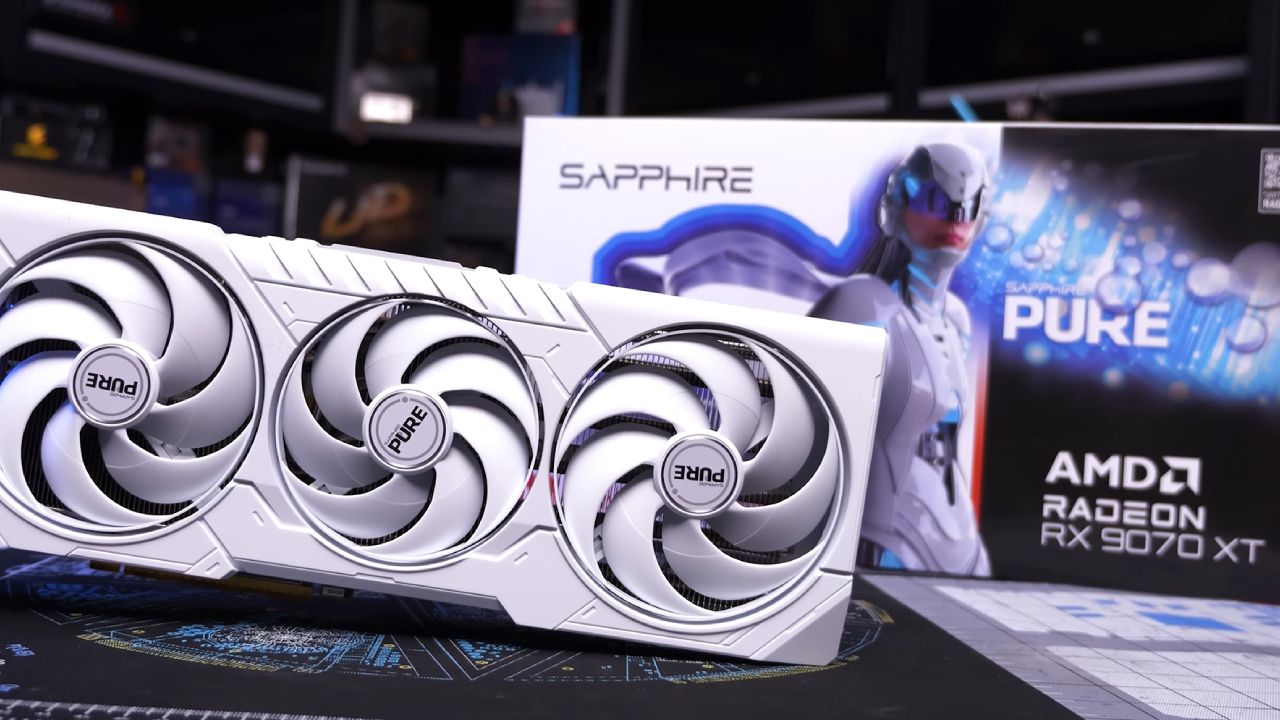
Looking Ahead
It is easy to get caught up in pre-release hype, where the challenger is always rumored to have a "killer product" ready to dethrone the market leader.
Sometimes this turns out true—AMD has recently outperformed Intel in the CPU market—but Nvidia remains in a much stronger position in the GPU space than Intel ever did in CPUs. Nvidia continues to develop and refine new features, while AMD works strategically to close the gap.
For now, it remains uncertain how RDNA 5 will shape the competitive landscape. What we can say is that increased competition benefits us as consumers, as it pushes prices lower and drives innovation higher.
Even if AMD does not achieve market share parity, its pressure on Nvidia ensures both companies must continue to evolve, which ultimately strengthens the enthusiast GPU market as a whole.
Check Our Other AMD articles:
- AMD Ryzen 9 9950X3D Review: Setting The Standard For 2025 Gaming CPU
- AMD Ryzen 7 9800X3D Review: 3D V-Cache Goes God Mode with Stunning Gaming Performance
- AMD RX 9070 Performance Review: Thermals, Clocks, and Real-World FPS
- AMD Ryzen 5 7600 Review: Best Budget Gaming CPU of 2025?
- AMD Radeon RX 7800 XT Review: RDNA 3 Power For Midrange Gaming
- Sapphire NITRO+ AMD Radeon RX 9070 XT Review: The Ultimate 4K Gaming GPU
- AMD Ryzen 7 7800X3D: Delivers Gaming Performance Far Beyond Expectations
- AMD Ryzen 9 7900X Review: Powering the AM5 Era with DDR5 & PCIe 5.0
- ASRock Radeon RX 7800 XT Challenger OC Review: Best Price-to-Performance GPU of 2025
- Intel Core i9‑14900K vs. AMD Ryzen 7 7800X3D: Power Profiles & Gaming Benchmarks
Senior Editor, NoobFeed
Gaming Hardware Updates
No Data.