
GeForce RTX 5090 Powers UE5 Bonsai Demo with Ultra-Realistic Lighting
NVIDIA Bonsai demo introduces RTX Mega Geometry in Unreal Engine 5.6.1 with advanced path tracing and ray reconstruction.
Hardware by Tanvir Kabbo on Nov 05, 2025
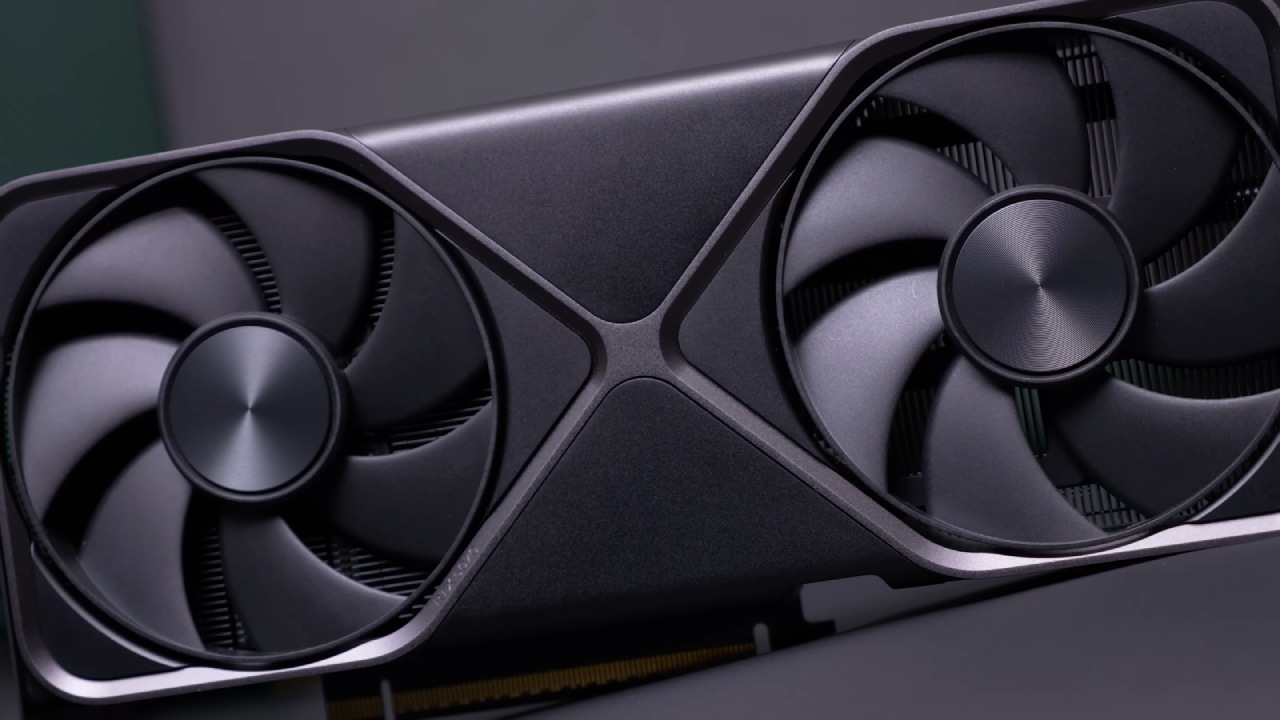
Over the weekend, NVIDIA released a technical demonstration highlighting a range of new technologies. The Bonsai demo runs on the NVIDIA branch of Unreal Engine 5.6.1. It showcases several advanced features, including DLSS technologies, multiframe generation, transformer models, and ray reconstruction.
One of the most notable aspects is its use of RTX Mega Geometry path tracing, combined with Nanite meshes, which offers unprecedented fidelity in Unreal Engine 5 environments.
High-Fidelity Geometry and Lighting
When you load a game using hardware Lumen on Unreal Engine 5, you'll notice compromises in geometry fidelity to make ray tracing work effectively. Low-fidelity geometry in standard setups can create noticeable issues in reflections and prevent ray tracing from being used for direct lighting without visible artifacts.
The Bonsai demo provides a mode that illustrates this, allowing for a clear comparison of standard versus path-traced lighting.
The demo highlights pixel-perfect direct shadows, highly detailed mirror reflections, transparent shadows, colored shadows, and transmission shadows. Transmission shadows, for instance, accurately capture the color of light passing through stained glass—an effect rarely seen in games. These elements together represent the state-of-the-art in ray-traced visuals for gaming.
RTX Mega Geometry in Action
RTX Mega Geometry is a big new feature in the demo. When this option is enabled, it significantly increases the geometric density in the ray-traced view, maintaining detail even when the camera moves or zooms in and out.
Unlike traditional methods that require rebuilding the entire BVH structure for changing geometry, RTX Mega Geometry allows active updates without full reconstruction.
Comparisons in the demo clearly show the difference. With RTX Mega Geometry off, shadows are incomplete, reflections are inaccurate, and lighting often appears blocky. Enabling RTX Mega Geometry resolves these issues by utilizing higher-fidelity geometry in real-time, ensuring that direct and indirect lighting remain consistent and accurate.
Performance Considerations
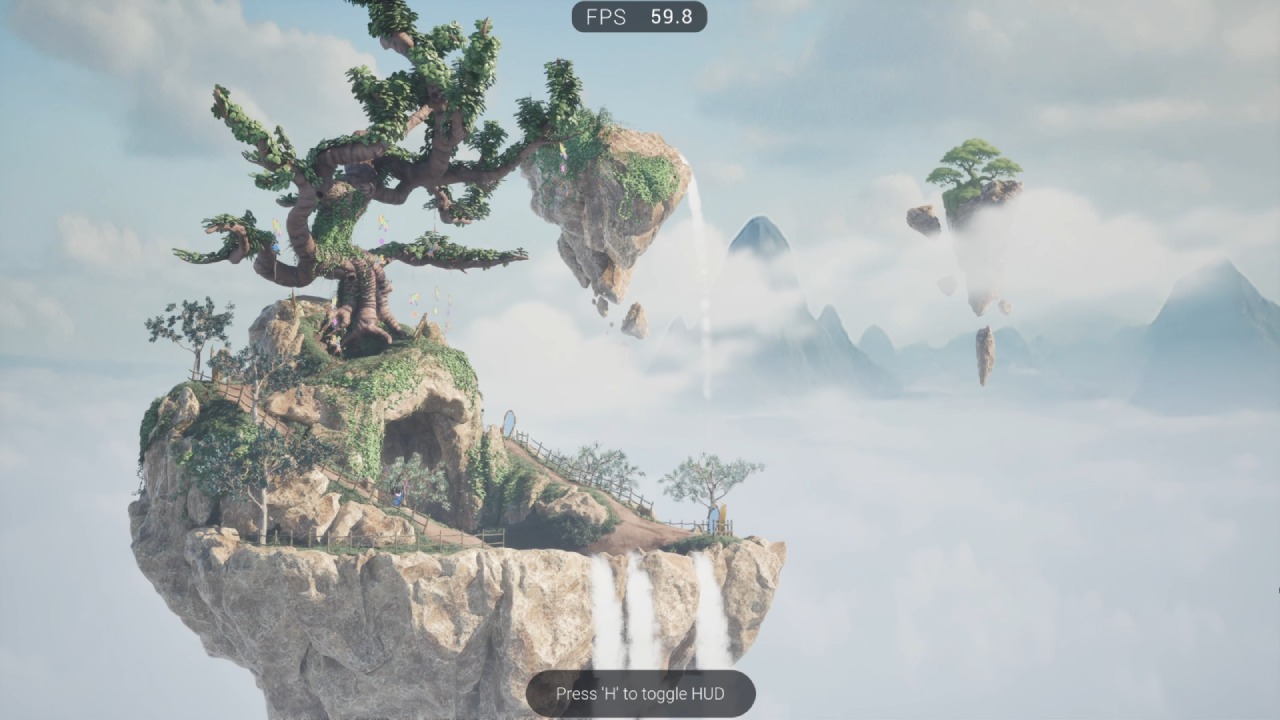
Currently, the demo runs at just above 60fps in 4K DLSS performance mode on an RTX 5090. This indicates the high computational cost of path tracing, even with RTX Mega Geometry, and highlights the challenges of achieving similar fidelity on next-generation consoles.
For example, future PlayStation and Xbox hardware will need significant performance improvements to handle full path tracing at real-time frame rates.
Ray Reconstruction and Transparent Reflections
The demo also demonstrates the effects of NVIDIA's Ray Reconstruction technology. With Ray Reconstruction enabled, the lighting and reflections appear more accurate and polished, adding to the realism of the scene. Mirror reflections in the demo even account for transparency, a feature that most current games do not support.
Developer Implementation and Compatibility
For developers, adopting NVIDIA's Unreal Engine branch is relatively straightforward if the base engine is up to date. The branch adds features without replacing core systems; however, art designed around Lumen or VSMs may require adjustments.
Upgrading from older versions of Unreal may require more extensive work to properly integrate the new RTX Mega Geometry features.
Scaling Unreal Engine 5 for Lower-End Hardware
While the Bonsai demo represents the top end of Unreal Engine 5 capabilities, Epic is also working on solutions for mid-spec PCs and certain handheld consoles, likely targeting the next iteration of Switch hardware.
A new non-Lumen RTGI system, based on radiance field probes, enables games to scale better on lower-end hardware, providing more stable image quality and fewer temporal artifacts while compromising slightly on reflection quality and fine-grained light bounce.
.jpg)
Final Thoughts
The Bonsai demo showcases how RTX Mega Geometry and sophisticated path tracing can enhance Unreal Engine 5's graphics to make them look better than ever before.
The demo focuses on the high-end GPU performance needs, but NVIDIA's new technologies suggest a future where even complex lighting effects, clear reflections, and extensive geometric information are easier to utilize in real-time games.
The addition of scalable lighting solutions for mid-range hardware ensures Unreal Engine 5 remains versatile across both high-end and mainstream gaming platforms.
Also, check our other NVIDIA articles:
- NVIDIA GeForce RTX 5080 Review (2025): Still A 4K Gaming Powerhouse?
- RTX 5090 Performance Testing In GTA 5 – 1080p, 1440p, and 4K Max Settings Benchmark
- NVIDIA RTX 5070 Review: Mid-Range Muscle or Marketing Hype?
- RTX 5070 Ti Review: Performance, Thermals & Power Efficiency Tested
- ASUS ROG Astral RTX 5090 OC Edition Review: 32GB GDDR7 & 4K Gaming Benchmark
- ASUS GeForce RTX 5090 LC Liquid Cooled GPU Review: Unmatched Silence & Speed
- MSI GeForce RTX 5090 32GB SUPRIM SOC Review: Power Efficiency, Cooling, and Gaming Performance
- INNO3D RTX 5060 Ti 16 GB X2 Review: Gaming Benchmarks, Temps, and Power Efficiency
- HP Omen 45L Review: RTX 5090 Performance, Thermals, and Value Analysis
- ASUS TUF Gaming GeForce RTX 5060 Ti Review: DLSS 4, Power Efficiency, and Gaming
- ASUS Prime RTX 5060 Ti OC 16GB Review: DLSS 4, Ray Tracing, & Thermals Tested
- NVIDIA GeForce RTX 5060 Review: Specs, Gaming, and Cost per Frame
- MSI GeForce RTX 5090 GAMING TRIO OC Review: A Monster Power GPU
Senior Editor, NoobFeed
Gaming Hardware Updates
No Data.