
Slay the Spire 2 Guide | All Ascension Levels Explained
A simple guide to how Ascension works, what every level changes, and how to start climbing faster.
Game Guide by Faviyan Mustafiz on Mar 15, 2026
In Slay the Spire 2, Ascension unlocks after a full clear, and in the current early-access build there are ten levels per character in single-player.
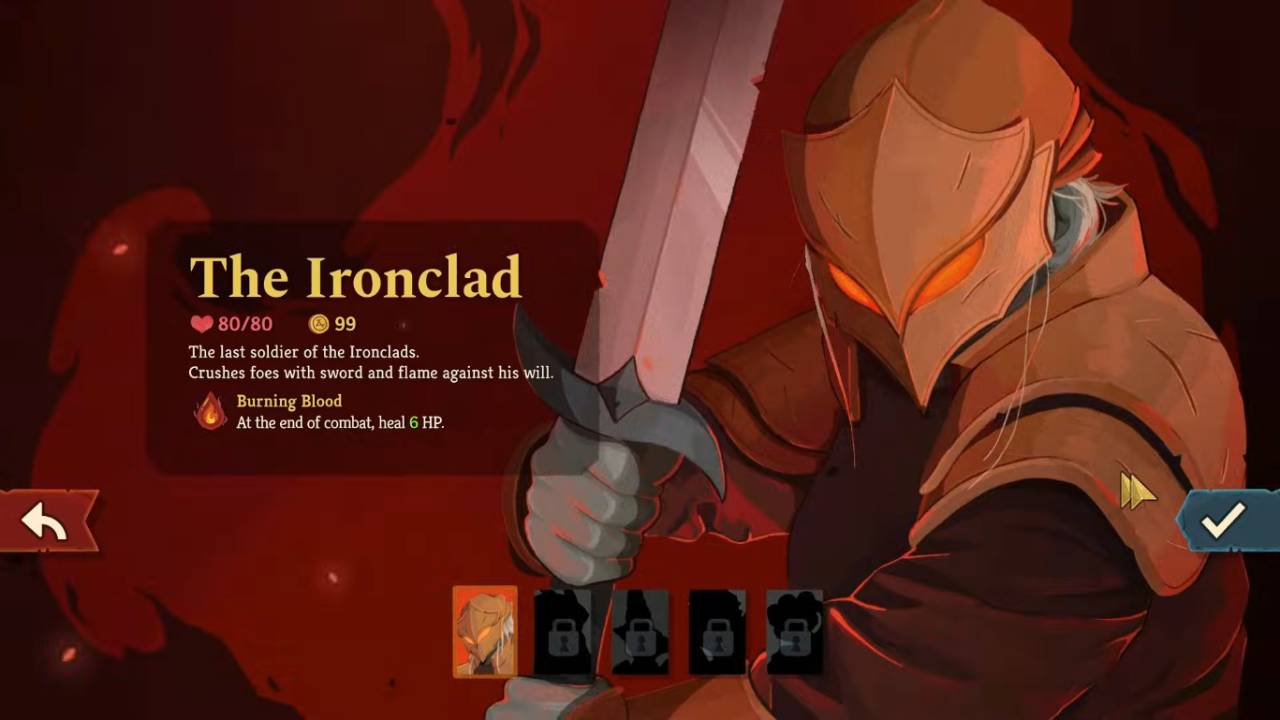
That means that the character you used affects how far you can go. For example, pushing with The Ironclad doesn't automatically raise The Silent or The Defect. This is important because the best way to climb is to pick one character, learn one strong build path, and stack wins instead of switching between classes too soon.
What Each Level of Ascension Does
The ten levels right now are easy, but they get a lot harder when they stack on top of each other. Swarming Elites is the first level of Ascension. It makes elites show up more often. Ascension 2 is Weary Traveler, which means that Ancients only heal 80% of missing HP.
Poverty, which is the third level of Ascension, cuts enemy and chest gold by 25%. Tight Belt is the fourth Ascension, and it takes away one potion slot at the start of the run. Ascension 5 adds the Bane of Ascender. Gloom is Ascension 6, which means there are fewer Rest Sites.
Ascension 7 is Scarcity, which means that upgraded and rare cards don't show up as often. Enemies in Ascension 8 are hard. The enemies in Ascension 9 are deadly. At the end of Act 3, you have to fight two bosses in Ascension 10, which is called "Double Boss."
The Hardest Levels to Respect Early in the Game
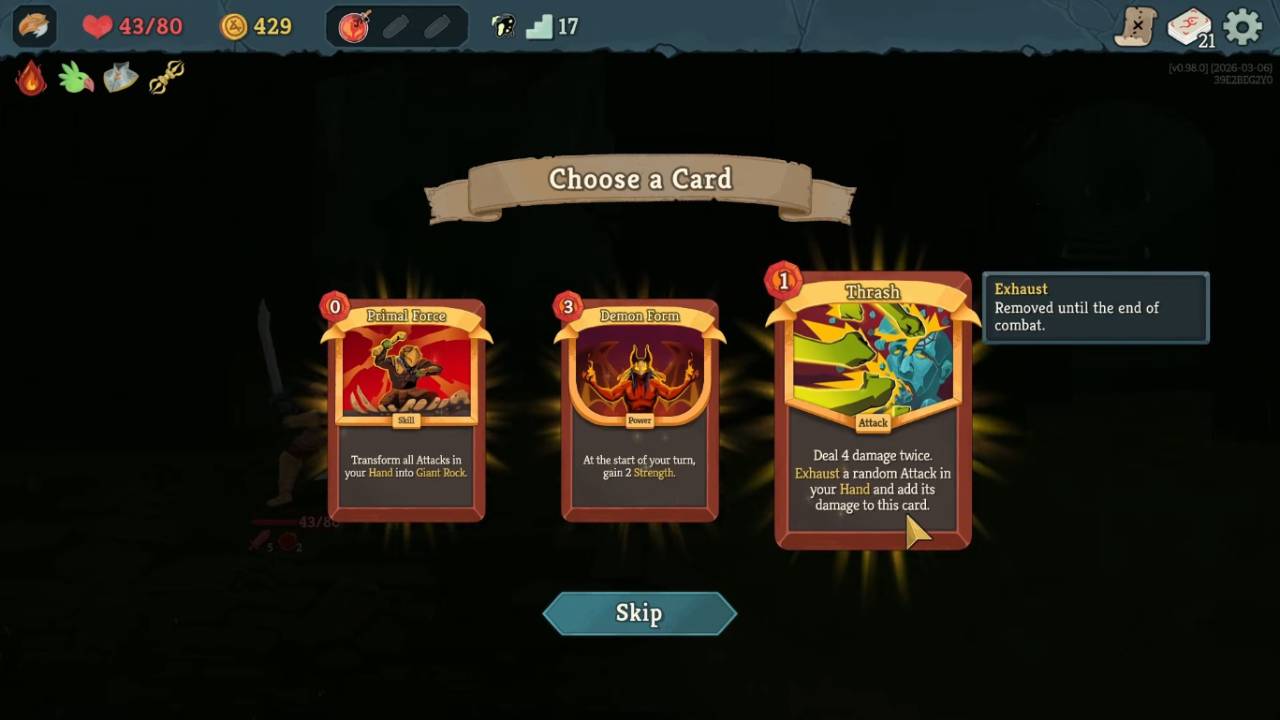
The levels that are the most dangerous are usually not the ones that are the most flashy at the end. Swarming Elites, Gloom, and Scarcity often hurt a run more than new players think because they quietly mess up your route, healing, and rewards.
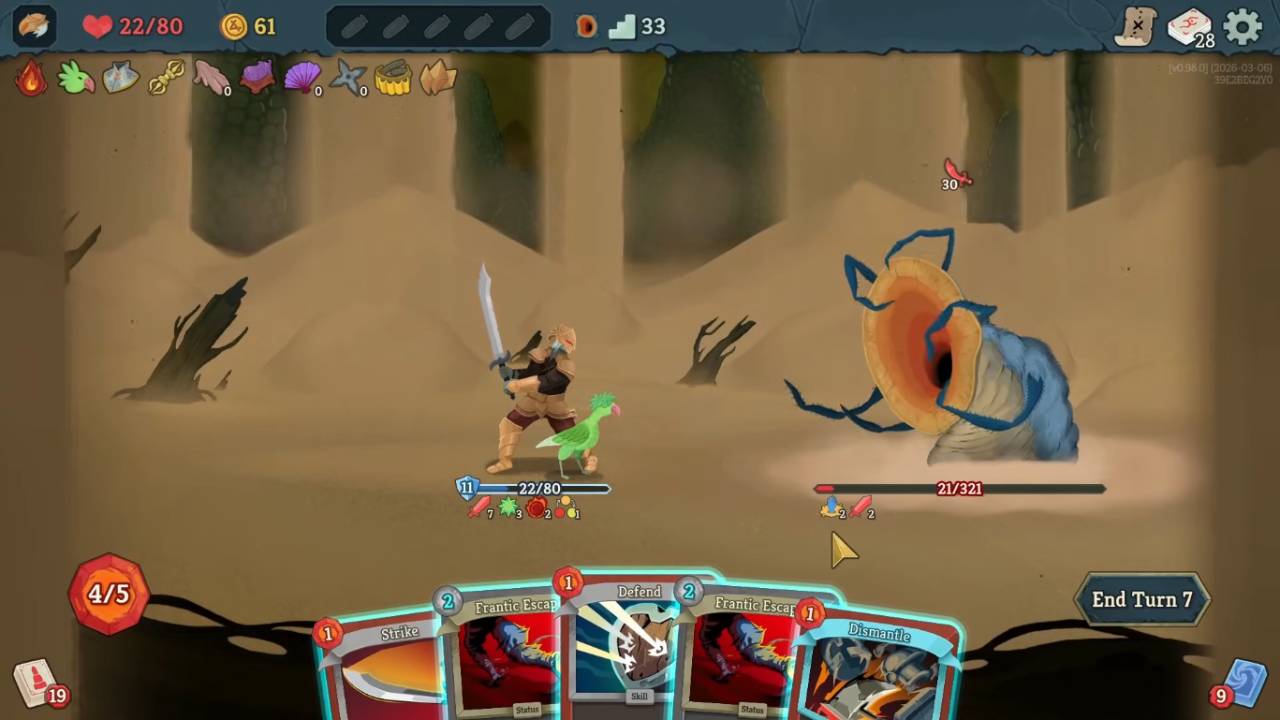
By the time Double Boss gets there, the run is already being tested by smaller problems that started much earlier. That's why better Ascension play isn't so much about greed as it is about being consistent. The higher you go, the more important it is to have a tighter deck, a smarter map path, and cleaner upgrades.
How the Co-op Ascension Works
Co-op does Ascension in a different way. Your progress in single-player Ascension does not carry over, and you can play co-op Ascension with any character.
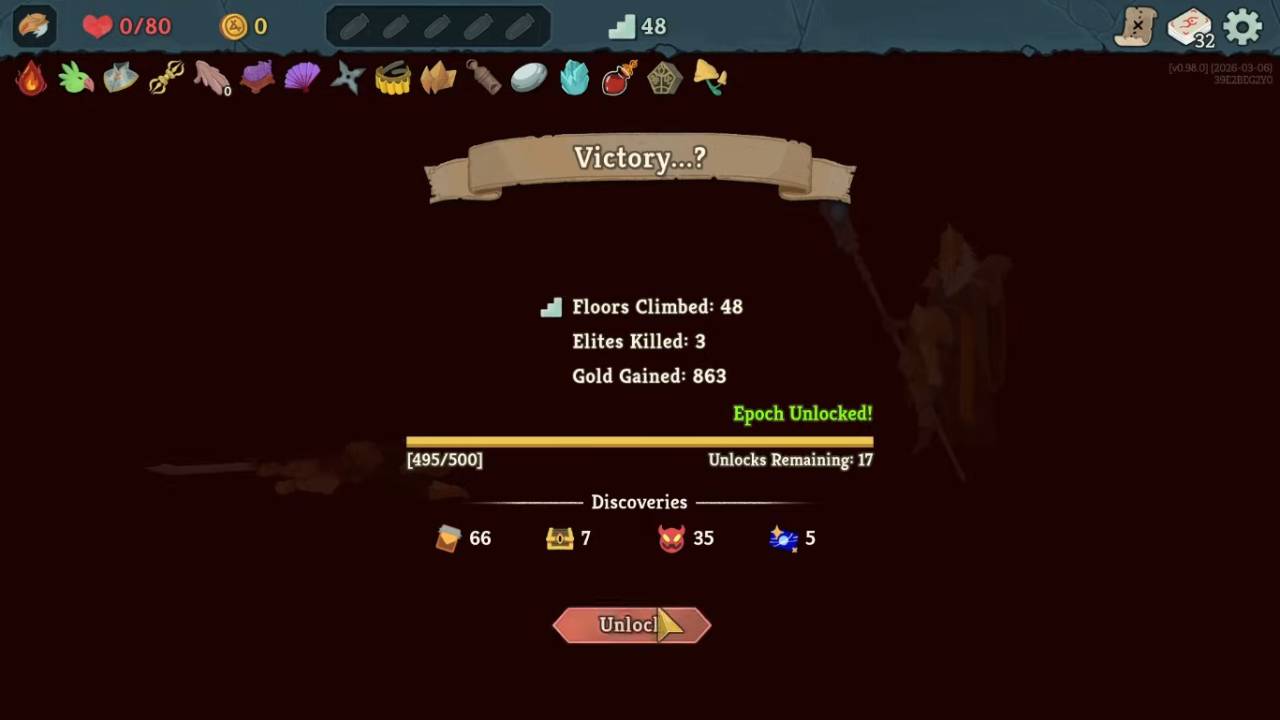
If your team finishes the run, the next level of Ascension opens up for everyone on the roster to play together. That makes multiplayer more flexible, but it also means that climbing with other people is its own track instead of a way to get ahead on your own.
The Best Way to Get Up Faster
Repetition makes the climb easier. Choose one character, use a stable build, and stop taking cards that don't help you beat the next boss. It's okay to learn by trying things out when you're at a low level of Ascension. When the levels start to stack, discipline is usually what helps you win.
Don't take weak rewards, take care of your health, and plan your route around upgrades before elites. That easy way of doing things helps you move up in Ascension more than making clever combos every time.
Also, check our Slay the Spire 2 Review and other guides below:
- Slay the Spire 2 Guide | Byrdonis Egg Quest Guide
- Slay the Spire 2 Guide | How to Unlock Custom Runs Fast
- Slay the Spire 2 Guide | How to Beat Ceremonial Beast
- Slay the Spire 2 Guide | Ironclad Best Build and Tips
- Slay the Spire 2 Guide | Silent Best Build and Shiv Deck Tips
- Slay the Spire 2 Guide | Defect Best Build and Claw Deck Tips
- Slay the Spire 2 Guide | How to Beat Vantom Boss
Contributor, NoobFeed
Latest Articles
No Data.