
Why Black Myth: Wukong Never Got Its Expected DLC
Inside Game Science’s shift from expansion plans for Black Myth: Wukong to new projects and future titles.
News by Mahi Araf on Feb 18, 2026
When Black Myth: Wukong launched in August 2024, it exceeded expectations. It exceeded them. The game quickly became one of the most talked-about releases of the year, praised for its technical polish, including the storytelling and scope. For many of us, it didn’t feel like a complete ending. It felt like the start of something bigger. Naturally, that feeling led to one major assumption across the community: DLC was coming.
On social media and gaming forums, the idea of post-launch expansion became almost a certainty. Throughout late 2024 and early 2025, rumors began circulating about possible timelines. Some discussions pointed toward early 2025.
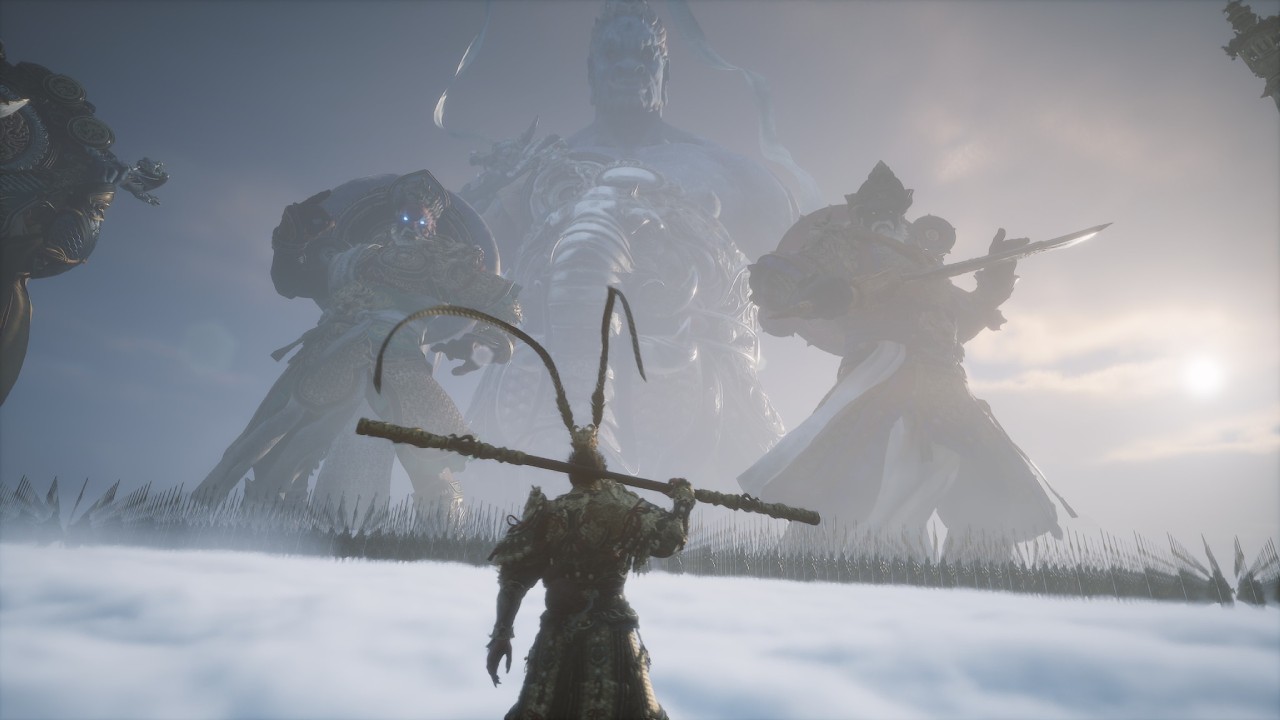
Others focused on the Chinese New Year period as the perfect release window, and it seemed logical because the player base was still active, interest was high, and momentum was on Wukong's side. Everything lined up in a way that made DLC feel inevitable. But as months passed, nothing happened.
There was no announcement. No teaser. No roadmap. No developer update. Not even a short message confirming that expansion content was in development. Instead, silence filled the gap where expectations once stood. Over time, that silence only grew louder.
To understand how things reached this point, it helps to look back at the period immediately after launch.
When Black Myth: Wukong was released, it was clear that its world had room to grow. The way the game was set up allowed for the addition of new areas, storylines, and gameplay systems. From a design perspective, it was great for content after launch.
Behind-the-scenes chatter suggested that expansion ideas were at least being discussed internally. While nothing was officially confirmed, insiders and analysts noted that DLC was likely under consideration. The absence of a formal announcement didn’t stop expectations from building. Instead, it made fans more attentive to every hint and comment coming from Game Science.
At first, many assumed it was just a delay. Large projects often take longer than expected. But as weeks turned into months, doubts began to grow. Complete silence from a major studio, especially after such a successful launch, is unusual. Even projects that are far from completion usually receive some form of acknowledgment.
Around this time, Reuters reports brought new context to the discussion. Game Science founder Feng Ji had spoken publicly about the studio's future direction. In these conversations, he acknowledged that DLC was "a good option." It didn’t close the door on expansion. But it didn’t confirm anything either.
More importantly, his statements placed far more emphasis on other areas. He spoke about new heroes, new gameplay systems, new technology, and a new Black Myth experience. The excitement in his language wasn’t centered around expanding Wukong.
When a studio is actively developing DLC, its messaging is usually direct.
Developers talk about upcoming expansions, updates, or ongoing content plans. In this case, the language felt different and quite vague. It sounded less like adding onto an existing foundation and more like starting afresh.
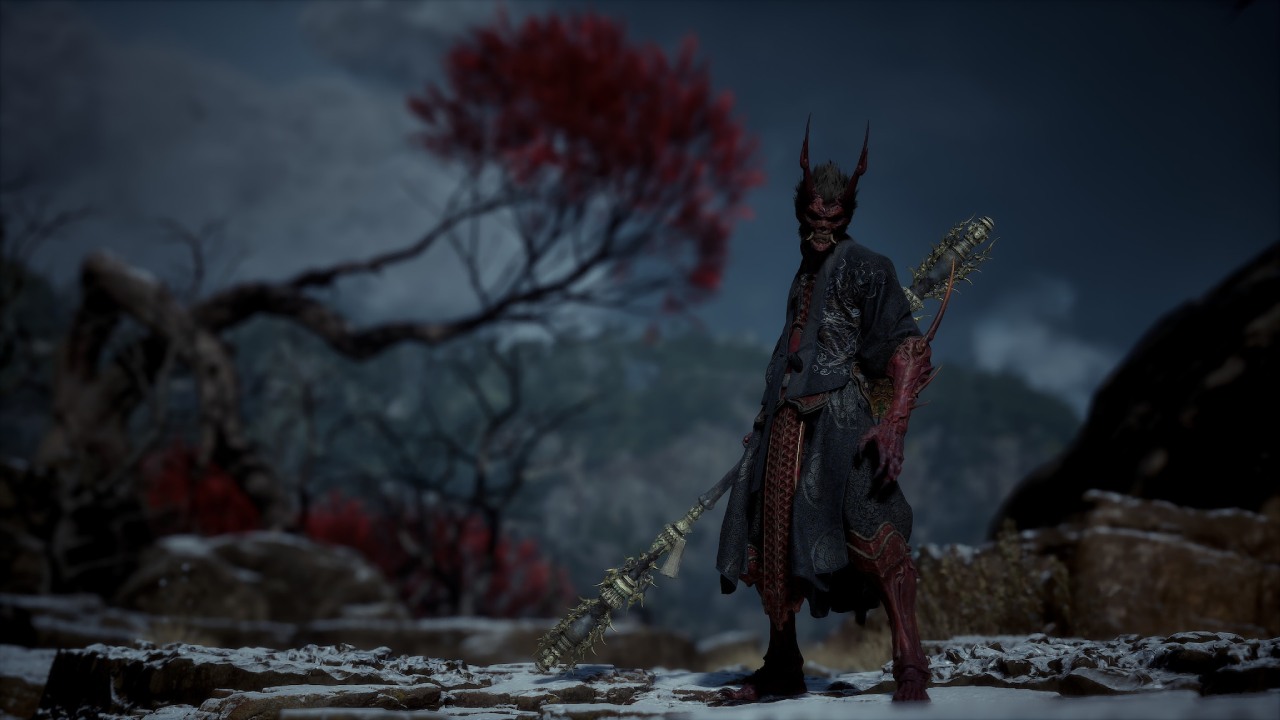
One major factor behind this shift appears to be the game’s overwhelming success. Wukong didn’t just perform well. It became a flagship title. And while success is positive, it also raises expectations. Any expansion released after such a strong launch would be judged against the base game’s quality.
A small or modest DLC would likely disappoint players. Anything released would need to feel substantial. It would need to match the original game’s depth and polish. At that point, an expansion stops being a side project and becomes more like a full-scale production.
For a studio, that creates a difficult choice. Either invest massive resources into DLC and risk being bashed if it falls short, or put that energy into a new game with more creative freedom. The choice seems easy if you put yourself in Game Science’s shoes.
A new game gives developers a clean slate to work with. Designers can try out new mechanics. Writers can come up with new stories. Engineers can fix systems by using new technology. The team can start from scratch rather than work within the limits that already exist. DLC, on the other hand, is an add-on. It necessitates functioning within established frameworks.
This distinction matters when Game Science is deciding where to place its long-term focus.
Officially, Game Science never announced that Wukong’s DLC was canceled. No statement was made confirming that the expansion plans had been abandoned. At the same time, no evidence ever surfaced showing that DLC was in active production. What emerged instead was a pattern of indirect signals pointing toward new projects.
As more time passed, signs of a broader vision for the Black Myth brand became clearer. Reports and comments from insiders hinted at something beyond an add-on. Within the realm of possibilities are a sequel, maybe a new protagonist, or another story set within the same Black Myth-verse.
This change is indicative of a widespread trend in the gaming world. Studios are frequently pressured to expand a major hit right away after its release. On the inside, however, teams might feel eager to try out new concepts or are creatively worn out.
Feng Ji’s repeated emphasis on new heroes and new technology suggests that this internal motivation played a role. The studio seems interested in evolving the Black Myth concept rather than simply extending Wukong.
In game development, anything that is not a priority tends to disappear from public view. Resources go where leadership directs them. If a new project is receiving attention, older plans naturally fall into the background.
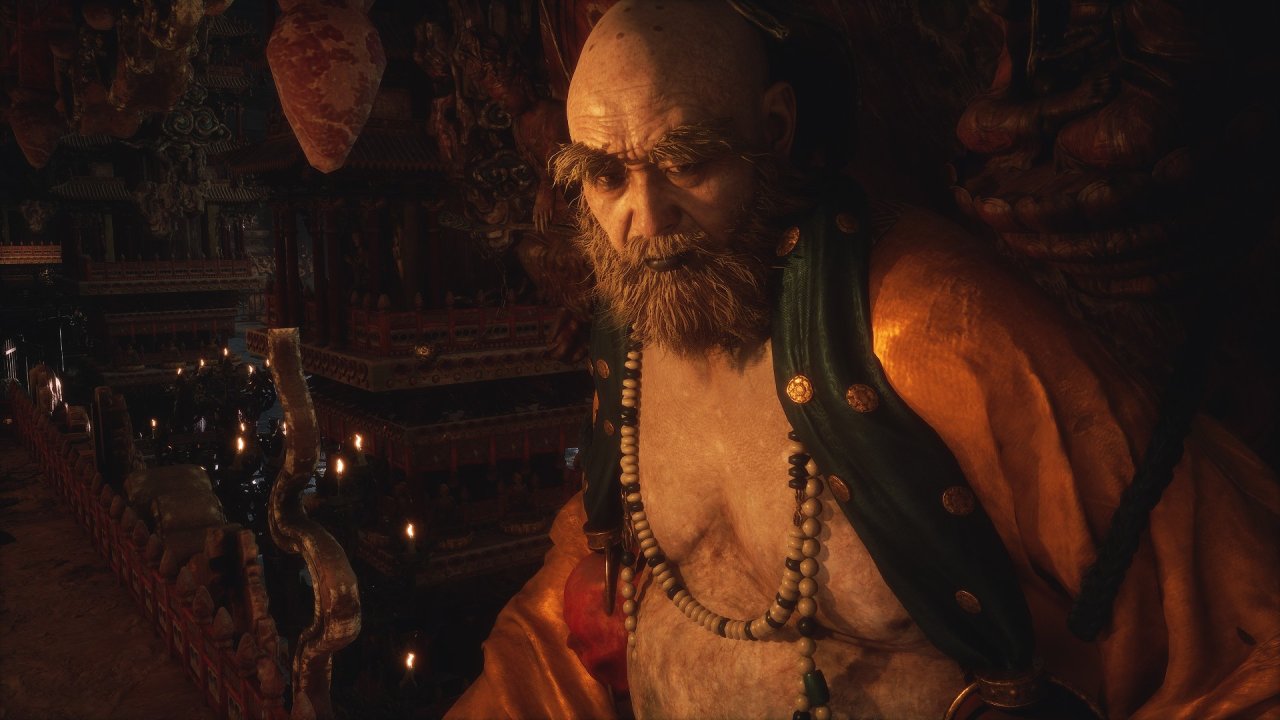
Looking ahead, Wukong’s future remains open-ended.
Two realistic paths stand out. The first is that after completing their current projects, Game Science may eventually return to Wukong and produce DLC. This would likely happen much later, once resources become available.
The second path is that Wukong continues through a larger sequel or spiritual continuation. Instead of returning as DLC, the story may reappear in a more expansive form. In both cases, the absence of DLC does not signal abandonment.
Wukong remains one of Game Science's most valuable creations. Its commercial success and global recognition provide strong incentives to revisit the universe. Completely walking away from a property of that size would be unlikely.
In summary, the missing DLC is not the result of technical problems or development failure. It is the outcome of shifting priorities. Game Science appears to have chosen long-term creative growth over short-term expansion. Rather than building on an existing structure, the studio is focusing on creating something new.
Senior Editor, NoobFeed
Related News
No Data.