
Nintendo Emerges as Last Major Supporter of Physical Games
Sony's decision to end PlayStation disc production by 2028 has reignited the debate over physical media, with Nintendo emerging as the industry's strongest remaining supporter of boxed games.
News by Wasbir Sadat on Jul 12, 2026
Sony’s announcement that it plans to stop selling physical game discs from 2028 has sparked one of the biggest disputes in the gaming world in years. The company also declared that no first-party or third-party PlayStation titles will be released on disc post-transition, thereby terminating physical media on its platform. The change is also expected to influence the development of the PlayStation 6, which is generally reported to come without a built-in disc drive.
Many long-time PlayStation enthusiasts are wondering what will happen to their physical game collections after the announcement. It remains to be seen how Sony will handle the transition of existing libraries to the next generation. Still, many worry that physical ownership may be a thing of the past for PlayStation customers. While others say the best Sony could do is offer compatibility via an external disc drive, the company has no official roadmap.
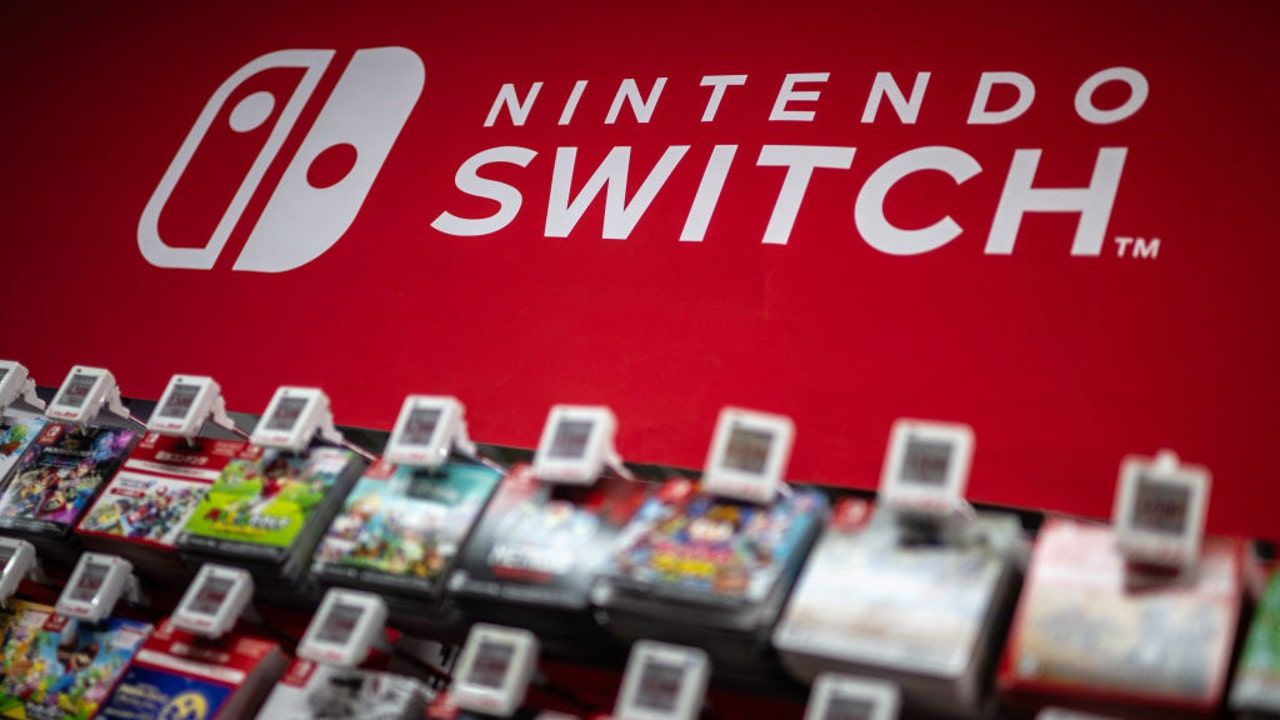
The gaming industry has been making a slow transition from physical to digital purchasing over the past decade.
Still, many players have assumed physical games would be around for at least one more console generation. In fact, Sony’s timeframe has expedited the change, which has collectors and fans concerned about the long-term preservation of their libraries and the elimination of traditional retail releases. Ironically, Nintendo's problematic Game Key Card system is beginning to look more tempting by comparison.
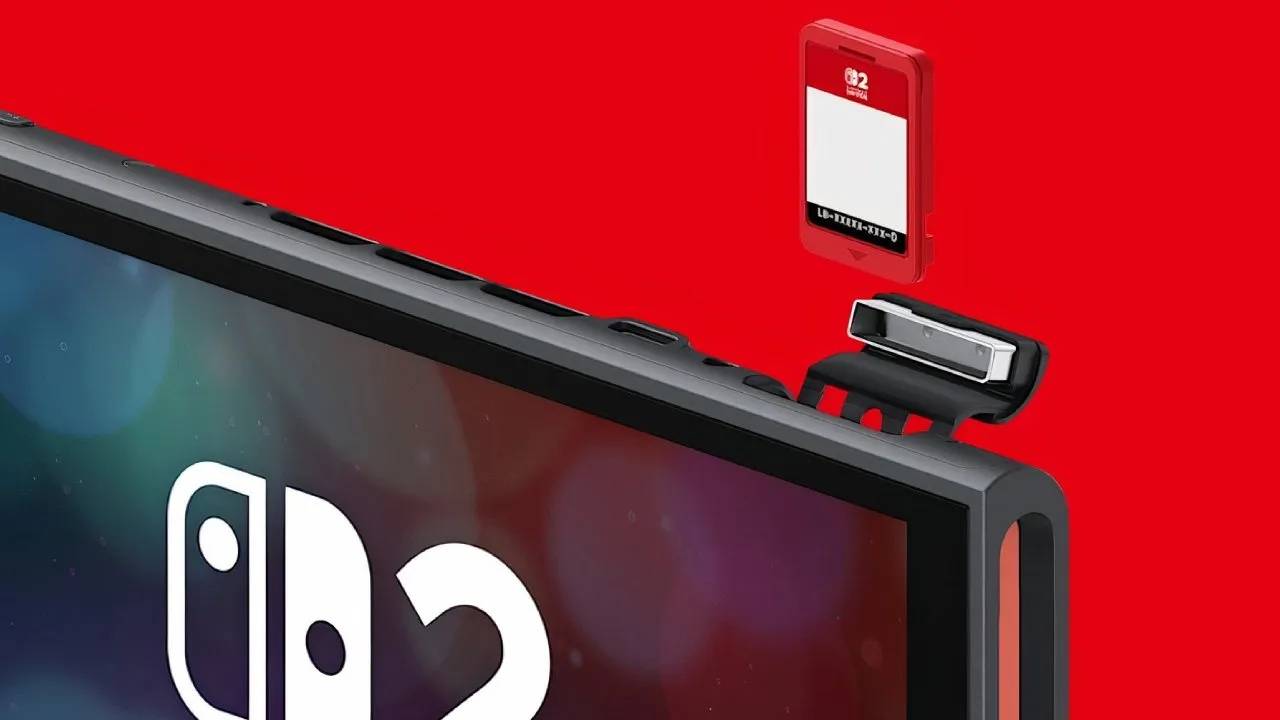
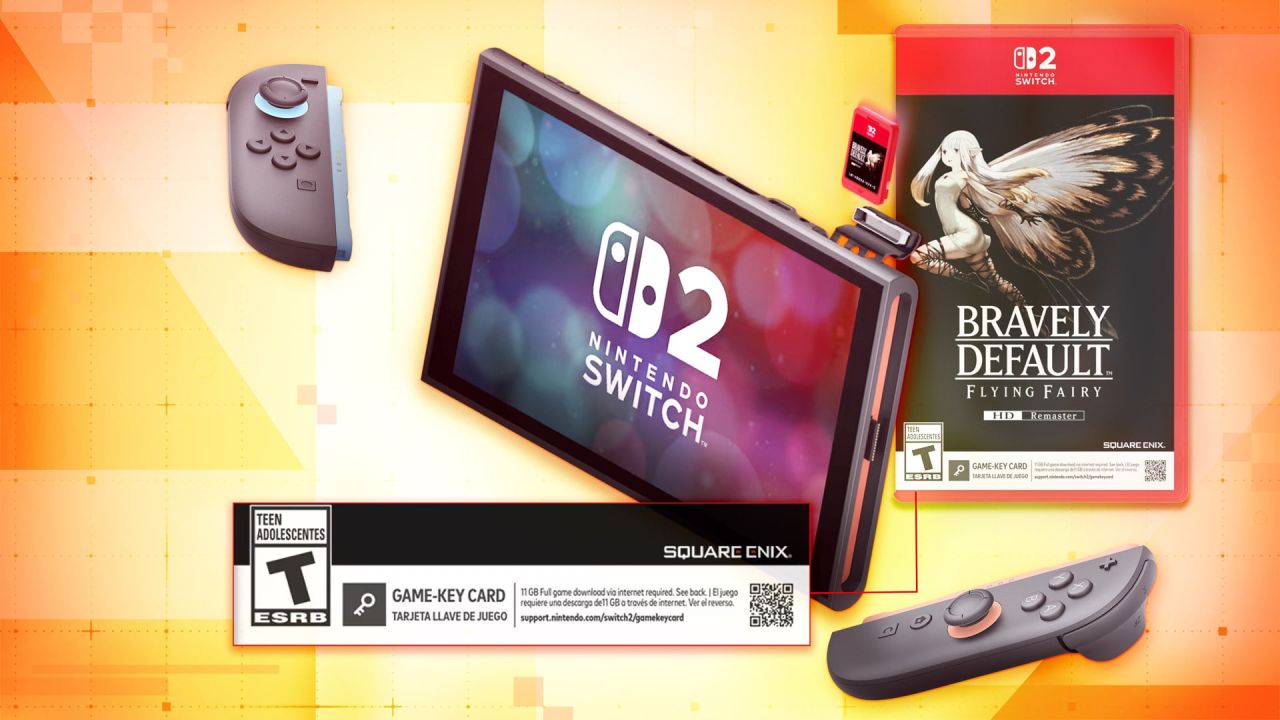
Game Key Cards are not the entire game data; they are licenses to download software from the eShop, though they are still transportable physical objects. Since ownership is related to the card, not a user account, players can trade, sell, or buy them second-hand. Sony, for its part, hasn’t yet detailed any similar digital ownership or resale alternative.
Without a real market, consumers could be robbed of the ability to buy used games, get discounts from retailers, and see aggressive holiday pricing that has historically helped make PlayStation games more affordable. The fans have been quick to react. A petition to get Sony to reconsider its decision has garnered hundreds of thousands of signers, reflecting the level of player displeasure with the issue among those who still want to own physical copies.
Petitions are unlikely to affect companies’ approach, but they do reflect the level of resistance to Sony’s statement. Sony has mostly declined to respond to the criticism, industry observers say. The corporation has not addressed the matter head-on, maintaining its normal social media presence and refraining from publicly discussing the disc phase-out.
For many gamers, the only way to truly make a difference to Sony's ambitions may ultimately be through their purchasing choices.
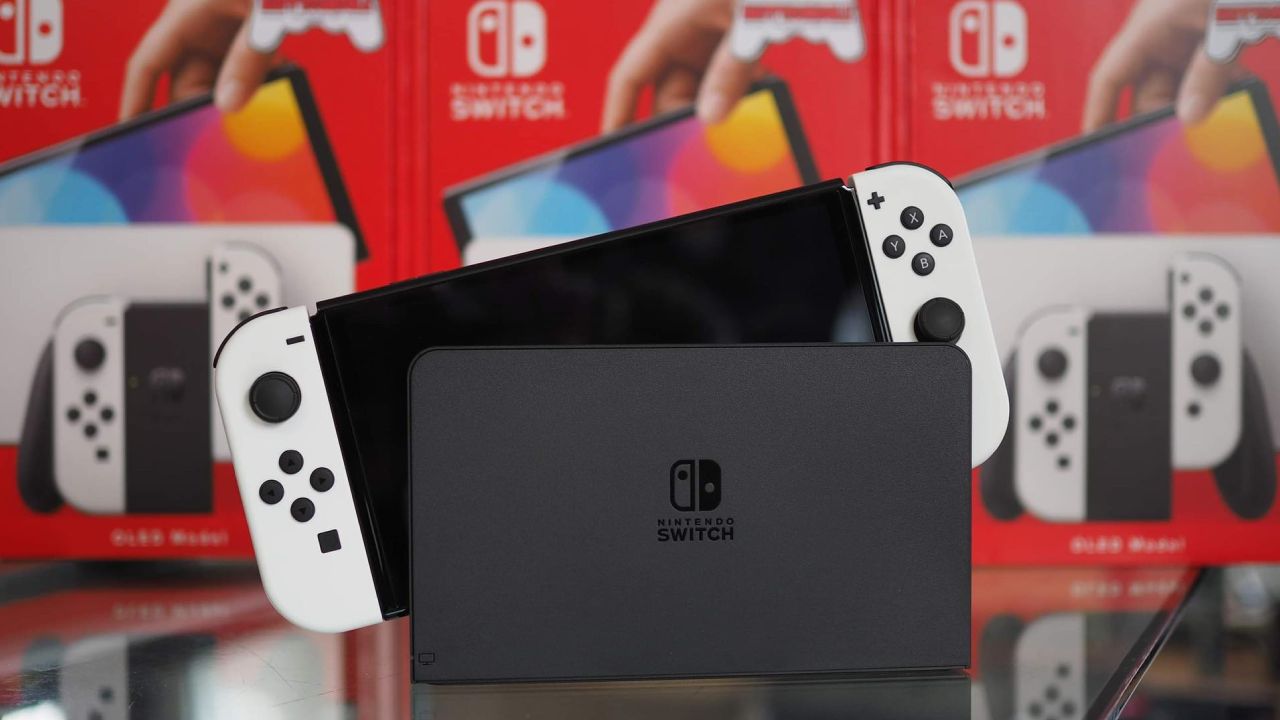
Some were hoping for European rules, particularly after recent laws forced Nintendo to change future technology to allow for changeable batteries. But such expectations have mostly been ignored. Officials have said there is little legal basis to demand continuous physical releases since companies are still free to choose how they distribute games and services.
Market analysts are equally skeptical that Sony will change tack. Industry analyst Dr. Serkan Toto says the corporation was fully aware of the response before announcing it and will not reverse course even if some users quit their PlayStation Plus memberships. That’s a modest fraction of Sony’s business, however, with more than 120 million active PlayStation players and over 50 million PlayStation Plus customers. Hundreds of thousands of cancellations wouldn’t be a huge deal.
The announcement has been received well from an investor perspective. Sony's stock price climbed on the announcement, as it suggested that an all-digital ecosystem may make more money by reducing the costs of producing, distributing, and retailing physical media. Many long-time PlayStation players would say there’s something to be said about tangible games that digital sales can’t replace.
Used game markets offer access to earlier releases at low prices, merchants often reduce the number of physical copies during major sales events, and fans love owning tangible editions of their favorite franchises. That discussion becomes much more important when you contemplate future first-party offerings.
For decades, fans who have purchased physical PlayStation games have worried that remasters and new entries in treasured series may be available only online, leaving collectors without boxed copies to add to their libraries. Proponents of physical media also point out that Sony's historical sales statistics showed physical purchases remained remarkably high for several first-party titles.
Despite growth in digital sales, physical editions have still accounted for a significant share of launch sales in recent years, particularly among loyal PlayStation fans.
The change may not have much effect on casual gamers, who mostly buy annual sports titles or multiplayer games. But among the most vocal supporters of physical games remain collectors and day-one consumers, the sort of people who generally buy premium and limited editions. While Sony is heading for a digital-only future, Nintendo seems to be pursuing a more balanced approach.
While the company has promoted digital purchasing through efforts such as Game Vouchers and lower digital pricing than for physical releases, boxed games remain a significant portion of its business. The latest financial reports indicate that, for the first time, revenue from digital versions of boxed Nintendo games has just topped that of packaged goods.
Yet physical game sales make up a large share of Nintendo’s software revenue, so there’s still demand for cartridges. Digital package downloads accounted for about 35 percent of Nintendo's packaged software sales, while physical packaged software accounted for about 33 percent. Additional digital revenue is another large piece of the company's digital ecosystem, including downloads-only games, downloadable content, microtransactions, and Nintendo Switch Online subscriptions.
The transition to digital downloads has been slow, but Nintendo's ongoing investment in physical retail suggests the business still sees value in offering a variety of ways to buy games. Nintendo has found a middle ground by offering Game Key Cards, which allow for retail distribution while still using digital downloads, rather than completely ditching boxed products.
The strategy has run into difficulties. Some Switch 2 physical releases have allegedly had demand exceeding forecasts in recent weeks, resulting in shortages at retailers and even higher resale prices online.
Those supply concerns only strengthen the assumption that Nintendo's audience still has a lot of love for physical media.
Among the three big console makers, Nintendo seems to be the firm most likely to sustain physical media the longest. Microsoft has been leaning more into digital subscriptions and Game Pass, while Sony has promised to end all disc production completely from 2028.
Nintendo is anticipated to back the Switch 2 for at least five years, with some analysts forecasting a lifespan closer to seven years. Even if the company’s next console adopts an all-digital strategy, that timeline would likely leave Nintendo as the final major console manufacturer still offering some form of physical game ownership.
It remains to be seen whether Nintendo will continue with standard cartridges for future releases or switch to Game Key Cards. But either way, retail purchases, second-hand sales, and transferable ownership would all still be there, all of which are things that lots of PlayStation users feel they are about to lose.
For now, Sony seems hell-bent on riding out the backlash despite mounting criticism, while Nintendo continues to show that tangible media still has a vital following. As the industry continues to move more into the digital era, Nintendo could very well be the last big platform holder to keep physical game collecting alive before the market changes forever.
Staff Writer, NoobFeed
Related News
No Data.