
Xbox Project Helix Revealed: Microsoft’s Bold Next-Gen Console Vision Takes Shape
A powerful hybrid console-PC device, massive backward compatibility plans, and a potential 2027 launch window highlight Xbox’s next big step.
News by Wasbir Sadat on Mar 12, 2026
Microsoft has started to share early information about Project Helix, the name of its next version of Xbox hardware. The company's plans point to a big change in how consoles might work in the future. During talks at the Game Developers Conference.
Xbox gave a number of updates about how to save games, how to make the next Xbox console work with PCs, and when it is expected to come out. The announcement didn't give away too much about the device itself, but it did give more information about Microsoft's plans for the next version of gaming hardware.

Project Helix seems to be a big step forward for the Xbox platform.
It brings back games from decades ago and adds new features that are meant to blur the line between PC and mobile gaming. The company also used the chance to stress that it was still committed to the console market. This was in response to long-running reports that Microsoft might stop making hardware and focus on services and software instead. Instead, the news shows that Xbox is still moving forward with a plan that is focused on consoles.
The new system is the core of that plan. It was made to provide top-notch performance while keeping the large library of games that Xbox users have built up over the past 20 years.
One of the best things about Xbox in recent years has been how it handles backward support. Players can play games that were made for the original Xbox on newer devices like the Xbox Series line. That means that actual copies of older games can still be used today. Players can still play them on new hardware by inserting old discs.
In some cases, the graphics of these older games have been greatly improved. Improvements have been made to games like Final Fantasy XIII that make them look and work much better on newer platforms. For many players, these updates make earlier games feel like they were almost remastered without having to buy anything new.
Xbox wants to keep using this approach as part of its celebrations for its 25th anniversary later this year.
Jason Ronald, an official at Xbox, says that the company's game preservation team is getting ready to release a number of classic games in new ways. This suggests that more improvements and upgrades may be on the way.
What's more, Xbox has hinted that these attempts to keep things alive will continue into the next generation. The company has said again that it will keep games from all four versions of Xboxes playable for years to come. This makes it very likely that Project Helix will follow the same backward compatibility philosophy.
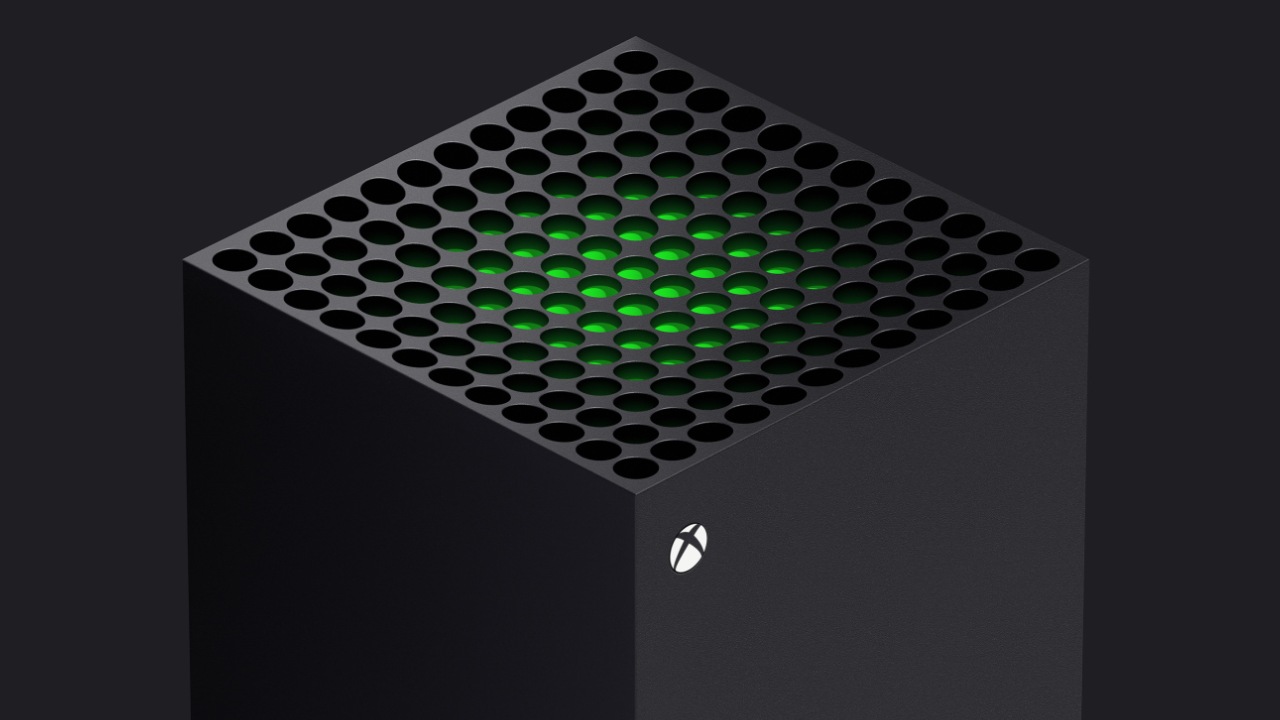
This statement could mean that players could play Xbox games from the first Xbox all the way up to newer games in the future on the next console. For people who have been using Xbox for a long time and have a lot of games, that means they will still be able to play their collections in the future. Microsoft also announced a new feature called Xbox Mode that will be available on Windows 11 PCs next month as part of its attempts to preserve the past.
Xbox Mode basically gives you a streamlined, full-screen game interface that's meant to make you feel like you're using an Xbox. This feature has already become popular on handheld PC gaming devices because it lets players start games through an interface that works well with controllers instead of using normal desktop options.
Microsoft says the goal is to make it easier for people to start playing games right away by creating a simpler setting that is made for controllers and playing in the living room. With this, the goal is to make an experience that feels like a computer, even though it's actually a PC.
Microsoft doesn't seem to be picking one over the other; instead, it seems to be combining the two.
This idea is similar to how Valve works with devices like the Steam Deck, which have a PC backend that drives a console-style interface. As long as players can start games from a console-like interface instead of having to deal with the usual PC hassles, the difference may not matter in the end. A PC foundation might just give you more options, like access to more stores, customization options, and more software support.
In this way, the future of game hardware might include hybrid systems that are easy to use like consoles, but can also do a lot of different things like PCs. The hardware part of Project Helix is looking like it will be very big. Information that has been shared so far suggests that the system will be able to play both Xbox and PC games, making it compatible with all of Microsoft's games.
It is said that the console will use an AMD system-on-a-chip that was made just for the next version of DirectX technology. The system will also have more advanced features, like next-generation ray tracing, GPU direct work graph processing, and new machine learning technologies that are meant to make rendering faster.
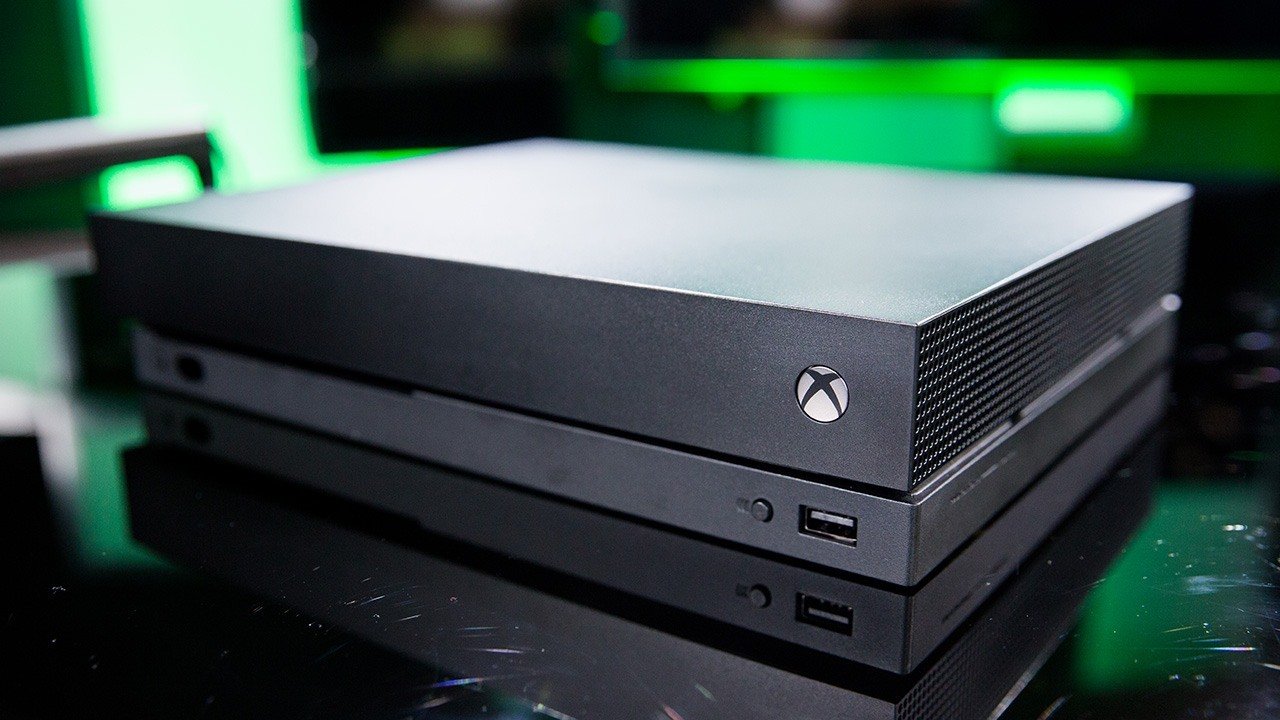
AMD's new FSR Next technology, which focuses on neural rendering and machine learning-based upscaling, is said to have extra features. The system will also handle multi-frame generation and next-generation ray reconstruction techniques that are meant to make lighting and image quality much better.
Besides that, the system should have advanced storage technologies like DirectStorage and deep texture compression.
These could make loading times much faster and data streaming better for big open-world games. All of these features together make it look like Microsoft wants to make one of the most powerful game systems ever. Early signs show that the company is working hard to get the "power crown" for the next generation of machines.
With that method, Project Helix might become the best spot to play big third-party games, like new games in the Call of Duty, Grand Theft Auto, and Resident Evil series. If the system performs significantly better than competing hardware, it might draw gamers who want the best console experience possible.
It's likely that this kind of power will cost something, though. The system might cost around $1,000, which would make it a high-end game device rather than a console for most people. The schedule for working on Project Helix was probably the most important thing that was said during the statements. Microsoft stated that developers will start getting alpha versions of the hardware in 2027. This is the clearest sign yet of when the console is likely to come out.
Many people in the industry think that Microsoft is aiming for a late-2027 release, but a delay into 2028 is still possible based on how development goes.
The news also puts an end to persistent reports that Microsoft might quit making consoles altogether. Instead, it looks like the company is fully committed to keeping the Xbox hardware line going. The reveal comes at a time when the Xbox business is changing leaders. A new CEO is now in charge of the brand. From what the company has said so far, it sounds like the console side of the business will still be a top focus under the new leadership.
Even though there are still a lot of questions about Project Helix, what we know so far points to a big plan for Xbox's future. If Microsoft can make the next Xbox one of the most interesting systems the company has ever made by combining powerful hardware, strong backward support, and a flexible console-PC hybrid design. For now, though, players will have to wait for more news about Project Helix, which Microsoft will keep doing over the next few years.
Contributor, NoobFeed
Related News
No Data.