
What XBOX's Project Helix Means for PS6 Backward Compatibility
New rumors suggest Sony could be reconsidering its move away from discs, especially as Microsoft appears ready to keep physical media alive for its next generation.
News by Adeela Tas on Sep 03, 2026
Sony’s plans for the PS6 have suddenly become less certain, leaving the PS6 strategy surrounded by new rumors that the company may be reconsidering its reported decision to move away from physical media in 2028. The idea has already caused plenty of criticism, and the situation becomes more interesting when you look at what Microsoft and Nintendo are doing with physical media.
The rumor centers on Sony allegedly having second thoughts about leaving discs behind. The backlash appears to have reached a point where it is no longer limited to dedicated gaming communities. You can see complaints under PlayStation videos and social media posts, while even people who normally buy their games digitally have become aware of the planned change.
Timing matters here, with consumers already stretched thin by rising costs elsewhere.
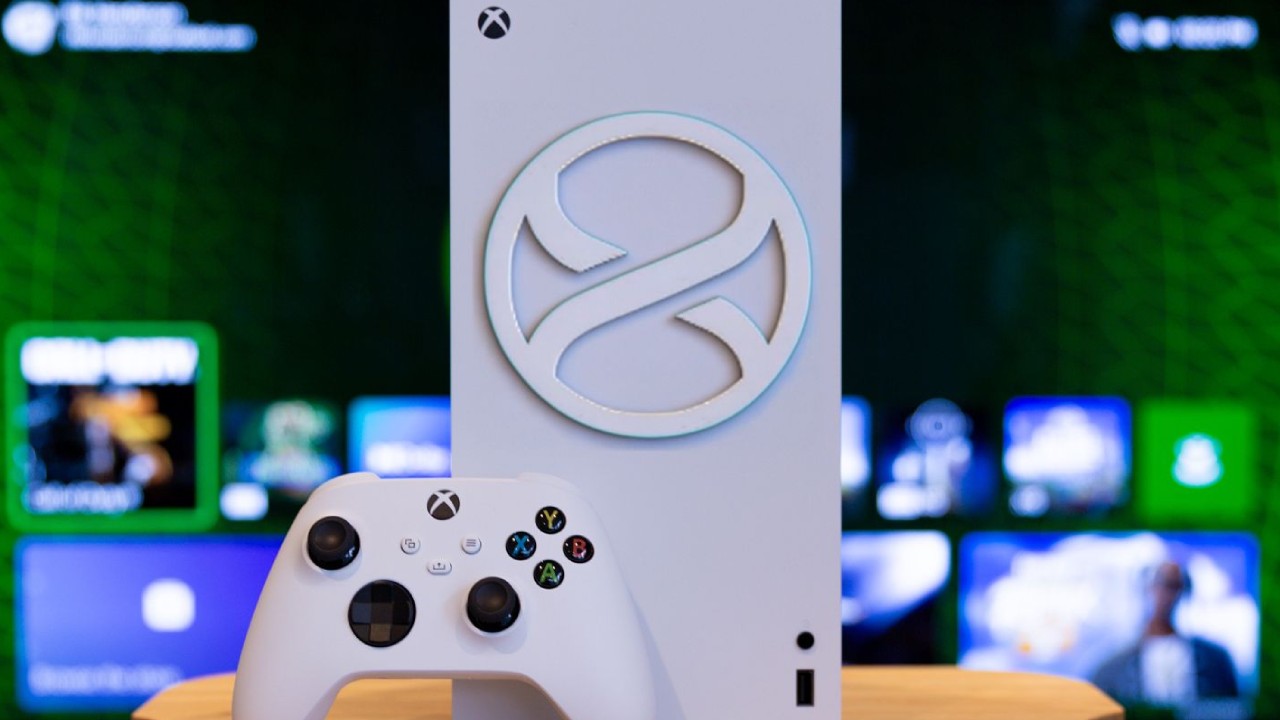
There is also another reason the PS6 strategy could be changing: XBOX. Microsoft has reportedly been telling developers that its next-generation console, Project Helix, will support physical games. More importantly, the system is expected to build on Microsoft’s disc-to-digital approach.
Under that kind of system, you can put a physical disc into the console and have it unlock a digital version for your account. That could let you play the game across supported hardware, including PC or a current-generation XBOX when compatibility allows.
The important part is that the disc can still be transferred. If you hand it to a friend, trade it in, or sell it, the digital license is removed from your account when the disc is registered to another XBOX account. That approach is especially interesting because Microsoft once had plans involving digital ownership and disc-based licensing during the XBOX One era, and those ideas were received very poorly at the time.
Now, parts of that concept could become useful because physical media and digital ownership are being combined rather than treated as completely separate systems. Nintendo is taking a similar route with the Switch 2. Depending on the game, a cartridge can contain the full title, while in other cases the cartridge included with the physical package effectively works as a key that connects the game to your account.
If you give that cartridge to another person, the associated digital license can transfer with it.
It is another example of a company trying to preserve the physical format while still building a digital ecosystem around it. Sony does not appear to have an equivalent system ready for the next generation. That creates a major problem for people who already own physical PS5 games.
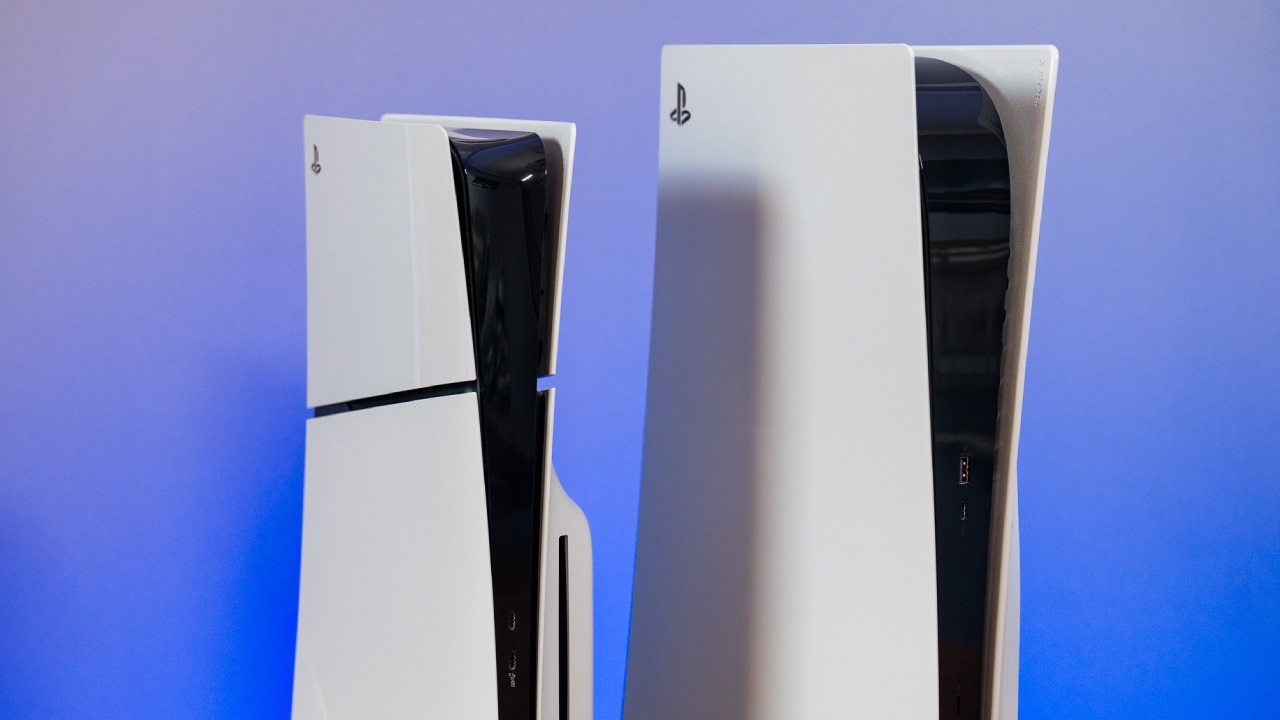
The PS6 is expected to be positioned as an ultimate PlayStation console, with hopes that it will support PS6, PS5 and PS4 software, alongside older generations such as PS3, PS2, PS1 and PSP, and potentially Vita. Digital backward compatibility is one thing, but existing discs are another.
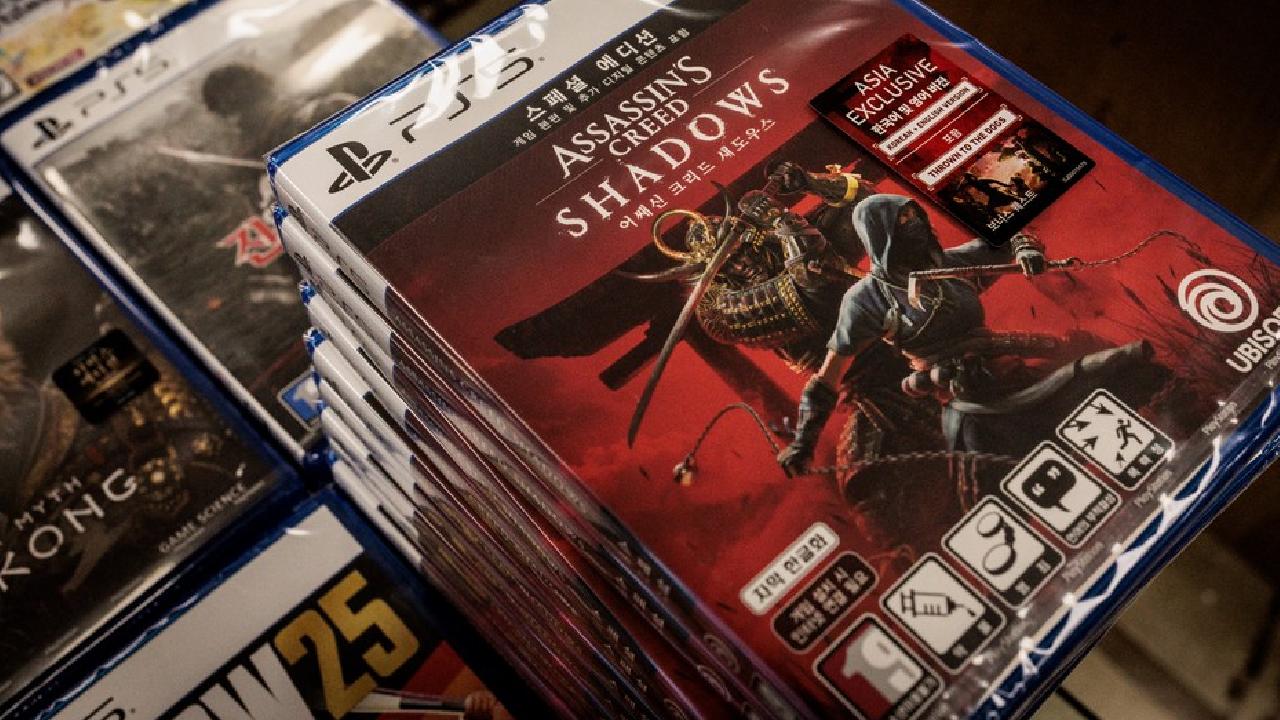
If you own a disc-based copy of Gran Turismo 7, Uncharted 4, or The Nathan Drake Collection, you need some way to use that purchase on future hardware. Simply offering a small discount based on trophies or ownership would not really solve the problem.
Keeping a PS5 around solely to play old discs also feels unrealistic, particularly when console prices are already becoming harder to justify. That is especially important because the PS6 could arrive in a market where consumers are increasingly sensitive to price.
Even someone who can afford a $1,000 console may decide that paying that much is not worthwhile, particularly if the existing PS5 or PS5 Pro still does the job.
One of the traditional advantages of consoles has been getting strong performance and good graphics without having to spend thousands on a gaming PC. That gap has been getting smaller as PC hardware becomes more expensive and console prices rise.
The difference between the Steam ecosystem and PlayStation is not simply about hardware anymore; cost and features are increasingly part of the same conversation. That makes preserving previous purchases even more important.
For that reason, a disc-to-digital system could be a reasonable middle ground for Sony. It would not suddenly make everyone happy with the direction of the PS6, but it could at least give players a path for bringing their physical libraries forward.
There would still be frustration over the broader move away from discs, but having a basic way to preserve ownership would be a significant improvement. The bigger criticism is that Sony reportedly knew it wanted to move away from discs while continuing to sell physical PS5 games throughout this generation.
If the plan was always to end the format after the PS5 era, players could reasonably argue that they deserved to know earlier. Buying a physical game during this generation becomes more complicated when you are unsure how that purchase will work on the next console.
That is why the PS6 rumor about Sony reconsidering its approach feels believable, even if it should still be treated cautiously.
Sony has seemingly planted its position on this issue, while Microsoft is reportedly moving in the opposite direction. If XBOX really does keep physical support for its next console, Sony could find itself standing alone in a particularly unpopular position.
There is, however, conflicting information. A former Sony analyst has argued that the company is not changing course and has even suggested that a future XBOX could be entirely digital. That claim is difficult to reconcile with the existence of Project Helix, which has been publicly discussed as a real next-generation XBOX platform rather than a hypothetical product.
The reported hardware is already moving forward, with the necessary chips said to be ordered. That makes the idea of XBOX suddenly abandoning the technology behind disc-based ownership harder to understand. If Microsoft is investing in a disc-to-digital system, it would make little sense for that feature to exist only briefly before disappearing with the next console generation.
Microsoft’s broader record on backward compatibility and game preservation also makes continued physical support seem plausible. The uncertainty is also a reminder to be careful with analyst predictions. Gaming has no shortage of people making confident claims about an all-digital future, cloud gaming or the end of traditional consoles.
The predictions can also reflect the direction companies are interested in pursuing, rather than what players actually want.
Sony’s reported sales figures do not necessarily settle the argument either. The company has said there has been no measurable sales impact from announcing its future plans, but that does not mean consumers who want physical games should simply accept the decision. A customer does not need to represent a huge percentage of sales to have a legitimate reason to expect their purchases to remain usable.
Sony’s position has also benefited enormously from the strength it built during the PS4 generation. That success may have created confidence that the company can make unpopular decisions without losing enough customers to matter. But the gaming market can change quickly, and one major mistake can make long-time players feel disconnected from a platform they once strongly supported.
You can already see signs of that broader frustration in the way some traditionally pro-Sony players are becoming more interested in the Switch 2. Nintendo’s approach shows that a modern console ecosystem does not necessarily require completely abandoning physical media.
Ultimately, the PS6 physical games situation remains a rumor, and there is no guarantee Sony is actually changing its plans. Still, a compromise would make sense. If Sony can create a reliable way to carry existing discs into the next generation, it would at least address the most basic concern surrounding its strategy.
For now, the PS6 remains surrounded by uncertainty over how physical ownership will work. Sony could stick with its original plan, make a partial adjustment, or develop something closer to Microsoft’s model. Of those possibilities, bringing physical libraries forward seems like the most sensible option, especially for players who have spent years building collections that should not suddenly become tied to aging hardware.
Editor, NoobFeed
Related News
No Data.