
Echoes of Aincrad Review
PlayStation 5 Pro
A gorgeous solo climb through Aincrad's early floors, told through fresh eyes.
Reviewed by Adeela Tas on Jul 09, 2026
We've waited years for a Sword Art Online game that finally lets you step away from Kirito's shadow, and Echoes of Aincrad is Bandai Namco's answer to that wish. Releasing on PS5, PC, and XBOX, this is the latest entry in a console lineup that has always tried, with mixed results, to recreate the feeling of being trapped inside an MMORPG.
Past entries mostly kept you tagging along with the series' famous cast, but Echoes of Aincrad has you build your own character from scratch and watch the story unfold from a completely different angle. This is a change the community has been calling for ever since Fatal Bullet allowed players to battle alongside Kirito rather than play as him, and it is clear the developers have finally answered the call.
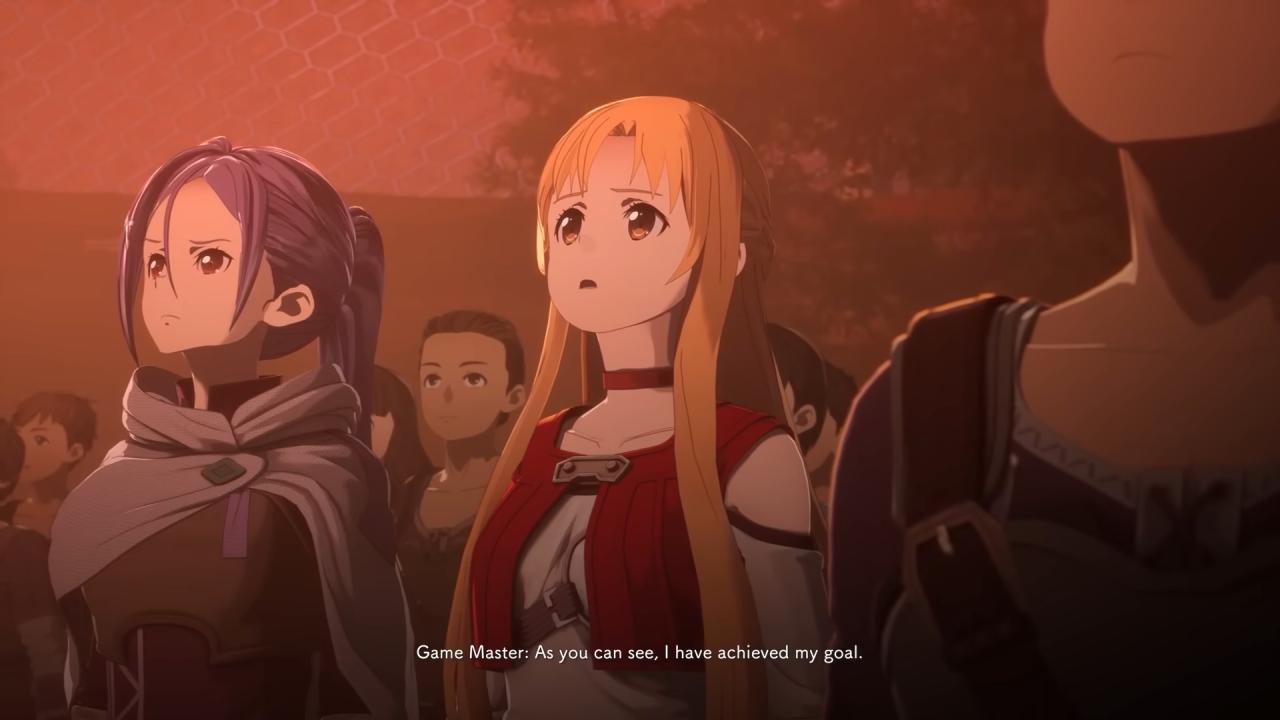
It is also evident that the story being set within the Aincrad arc was intentional.
It's the most recognizable stretch of the franchise, and building an original tale around it without leaning too hard on established lore is a genuinely bold move for Echoes of Aincrad, even if you'll notice it still can't fully escape the shadow of the source material.
The plot drops you in before Sword Art Online's official launch, during the closed beta, where you meet a spirited, dependable player named Iori. Your early hours together are about survival more than anything else, especially after your starting group gets wrecked by a wave of monsters, leaving you to fend for yourself.
From there, your circle grows to include the sharp, well-connected Argo and the easygoing Zach, and by the end of the prologue, you and your new friends promise to reunite once the game officially goes live. That beta segment does a lot of heavy lifting for character setup, though you'll feel a little deflated once launch day arrives and strips away the fast-travel points and progress you built during it, forcing you to retrace steps you already know.
Once Echoes of Aincrad's real game begins, the story runs alongside the first arc of the anime, complete with the infamous announcement that dying in the game means dying for real, and that logging out or removing the headset carries the same fatal consequence.
Echoes of Aincrad pairs a highly compelling premise with restrictive, invisible walls and a slow-moving opening act.
Rather than just retelling events you already know from the show, Echoes of Aincrad hands you and a few other characters mysterious brooches that flash visions of a coming catastrophe, giving your original cast their own quest to prevent it while still racing toward the 100th floor.
It's a clever bit of world-building that slots neatly beside the anime's canon instead of undercutting it, and the permadeath stakes actually feel heightened once you realize failure means everyone dies, not just you. Unfortunately, the pacing drags across Echoes of Aincrad's opening hours.
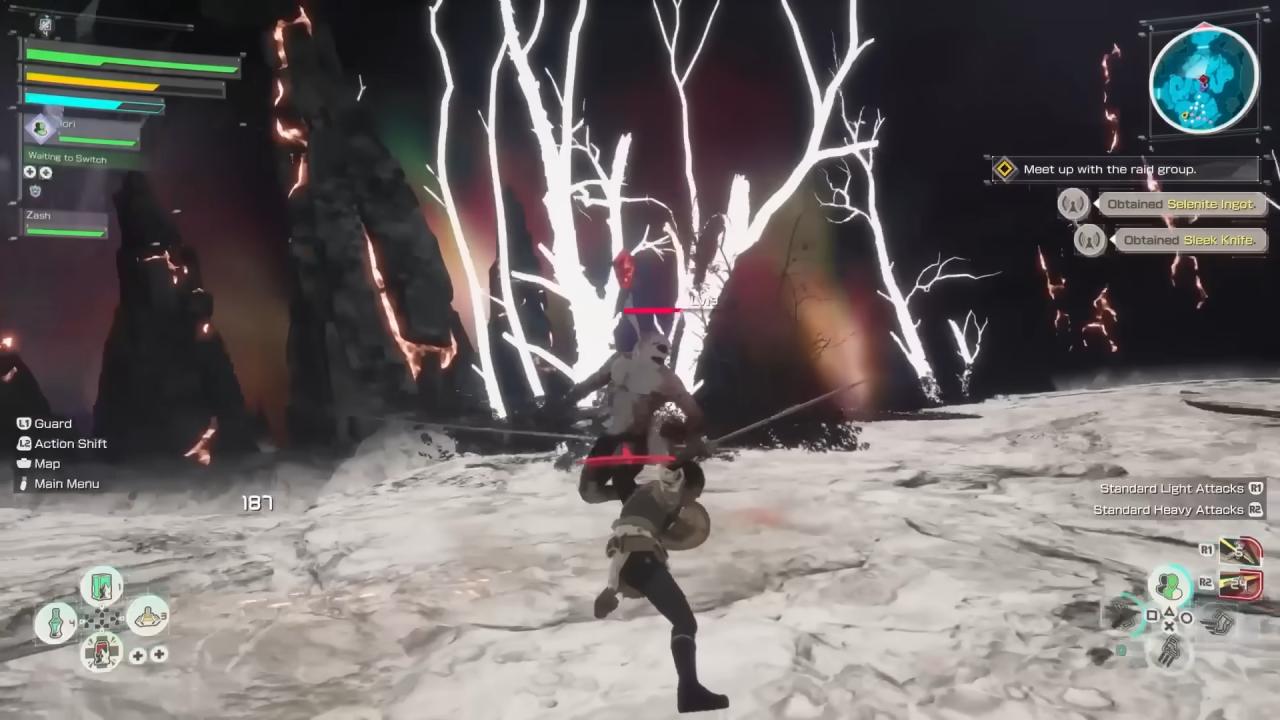
Missions take a long time to actually move the plot forward, dialogue tends to repeat itself, and you'll find yourself skipping through conversations that could have been trimmed considerably. Structurally, you're not roaming one seamless open world in Echoes of Aincrad.
Each floor is said to span a huge amount of ground, but you only ever get access to a fenced-in slice of it tied to whatever mission you've picked. Step outside the invisible boundary, and you'll get pulled straight back with a blunt warning, which kills a lot of the sense of discovery that the gorgeous scenery is clearly trying to sell you on.
You'll travel to a town, pick up a job from the mission terminal, warp near the objective, fight your way through, and loop back to sell loot and restock.
All towns follow the same format: the blacksmith, the item store, your inn room, and the quest hub, all connected by fast travel after having passed through the save points in the surrounding area. There are side quests, but most often these do not involve much more than fetching an item or eliminating a monster den, and completing these quests doesn't seem to matter much beyond unlocking a blueprint or some in-game money.
NPCs fill out the towns in large numbers, yet none of them react to you in any meaningful way, so the illusion of a living, breathing MMORPG population falls apart fast once you actually start paying attention. Your own character stays mostly silent too, limited to little more than a nod or a shake of the head in conversations, which makes the surrounding cast feel like they're carrying scenes on their own.
Treasure chests and hidden trinkets scatter the map too, sometimes tucked behind vines you need to torch or walls you need to blast open, but the payout is inconsistent enough that hunting them all down starts to feel like a chore rather than a reward.
There's also an odd bit of verticality built into the world, with certain ledges triggering a rewind if you fall from too high up, while lower drops just let you tumble and roll back to your feet, and figuring out which is which as you explore takes some trial and error.
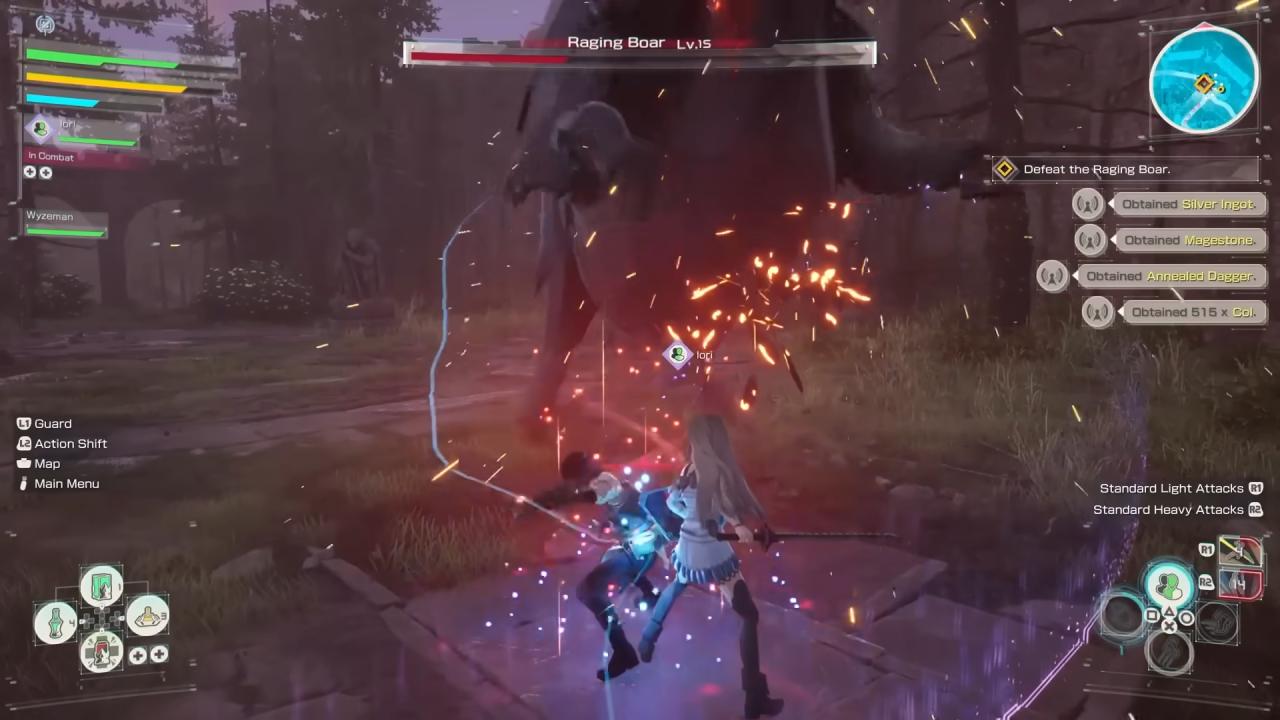
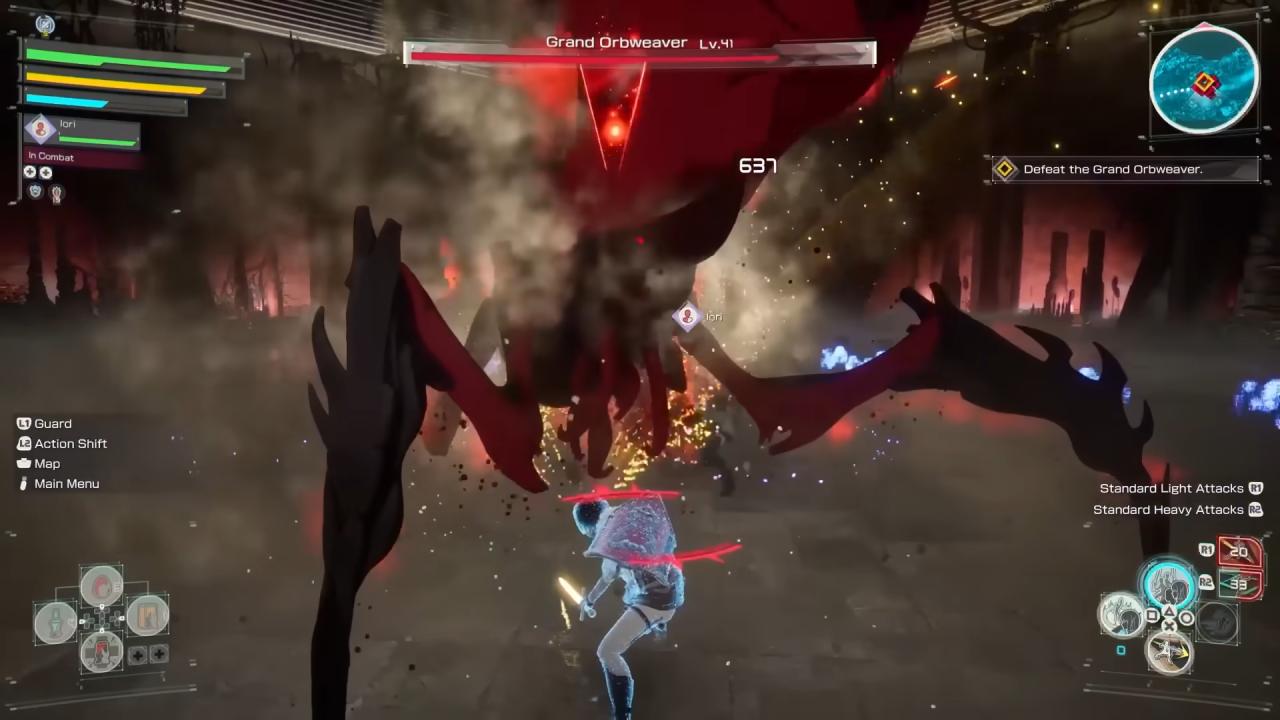
It is within combat that Echoes of Aincrad receives the bulk of its praise.
It features regular light and heavy attacks, but where the game truly shines is within well-timed dodges and parries that can create openings for powerful counterattacks in concert with your companion. Heavier weapons like maces and two-handed axes can throw out crushing hits without needing to charge up the way swords do, which is handy for knocking stubborn enemies off balance before finishing them off.
Six weapon types are available in total, from swords and daggers to heavier maces and axes, each with its own rhythm, and you're free to swap between them without any real penalty to figure out what clicks for you, though daggers in particular stand out for how efficiently they clear out groups.
Swords have skills that are flashy moves that take up SP but have special properties to them, such as the lunge skill from a rapier that uses a shockwave or the hit from a heavier sword being able to cut down a harder enemy but also stun them, although you can only equip three sword skills per weapon at once.
Managing your companions matters just as much as managing yourself; you can set them to mirror your target for tougher single enemies or let them roam free against groups, and each partner brings distinct support or offensive abilities that can swing a fight in your favor, such as a healing field or an attack buff that grows stronger as an enemy's health drops.
Environmental puzzles occasionally break up the fighting, too.
Such as needing a specific fire tool to burn away obstructing brush or an explosive to blast through a cracked wall, and the logic behind which tool works where can feel arbitrary, especially when you're carrying a flame-infused weapon that should logically do the same job but simply doesn't interact with the scenery.
What holds the combat back is repetition. Enemy types recycle constantly, often as simple palette swaps of the same wolves, boars, and trolls, and mini-bosses are frequently just bulkier versions of regular monsters, copied and pasted across different zones.
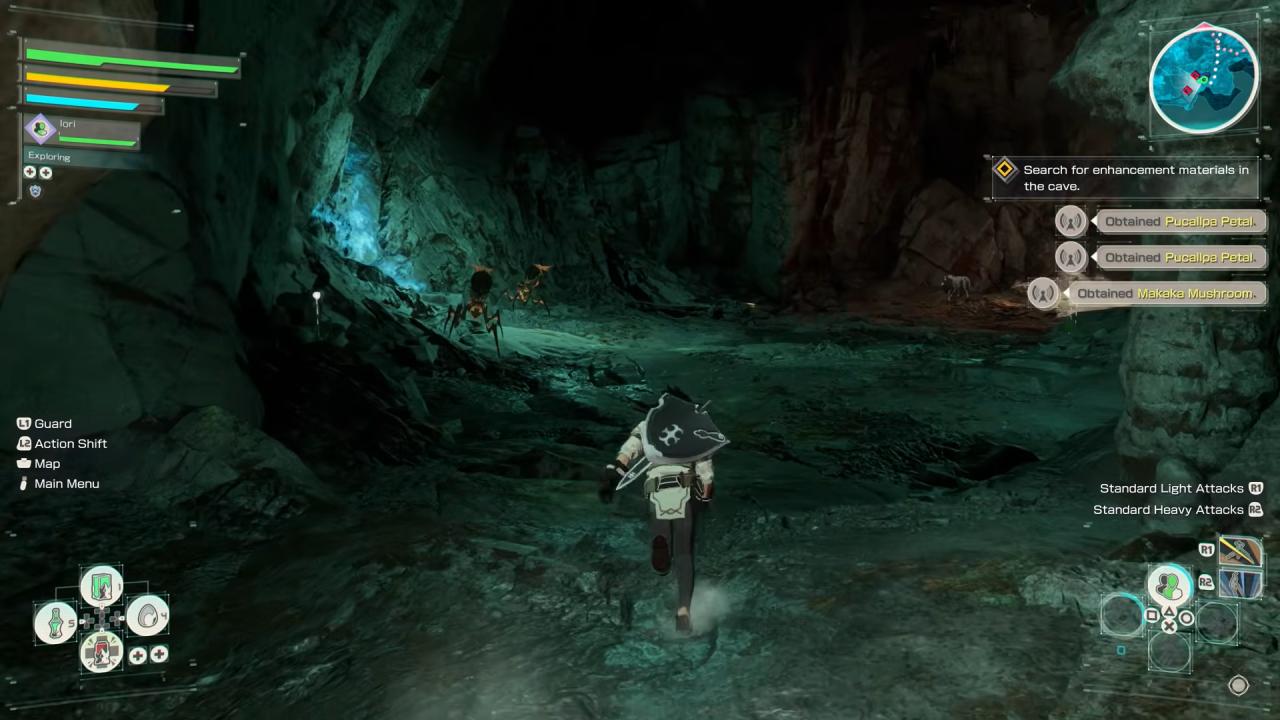
Bosses fare better, with genuinely memorable set pieces, like a giant creature that lumbers through a comedic dance routine, and satisfying weak-point takedowns once a target staggers, but even those get reused more than you'd like across the campaign.
Dungeons compound the issue, since many segments share identical floor plans that you're made to run through twice, first to clear it and then again after a mini-boss fight resets the layout, padding out playtime without adding anything new to look at.
Enemies also tend to notice you from an unreasonable distance.
Even when you're just trying to reach the next checkpoint, you'll frequently get dragged into fights you didn't ask for. On the flip side, the underlying systems feel intuitive enough that you rarely fight the controls themselves, and Echoes of Aincrad offers four selectable difficulty levels, so higher settings give the combat a sharper edge if the default feels too forgiving.
Growth in Echoes of Aincrad depends greatly on how much you are ready to grind. At each level, you will earn points that can be used to raise your basic stats, and in the menus, there will be an indication of how each stat affects your character. Certain thresholds will grant you some special bonuses.
Most of your experience comes from simply killing whatever crosses your path, since monsters scale to keep you from falling too far behind, but that also means the grind rarely feels purposeful beyond keeping pace, and stretches of the campaign can feel padded once you realize you're mostly farming the same handful of creatures for XP.
Weapons and gear drop constantly, to the point of becoming clutter, so the blacksmith becomes essential for melting down unwanted loot into materials or transferring passive traits from one weapon to another, letting you build something close to a personal favorite over time. Note that you can't swap gear mid-mission, so any adjustments have to happen back in town before you head out again.
After the story wraps, randomly generated warp dungeons take over as the endgame loop.
This rewards you with keystones that boost your stats further, and these climb up to ten difficulty tiers that are unforgiving if you show up underleveled or under-equipped. Clearing those tougher tiers strengthens your keystones permanently, giving you a real reason to keep grinding once the main campaign credits roll.
A separate permadeath mode is available for anyone who wants the full weight of Sword Art Online's stakes to carry over into their save file, deleting your progress entirely if you fall in battle. Visually, Echoes of Aincrad is easily one of its strongest aspects. The environments range from lush woodland and swampy lowlands on the first floor to a stark, sun-bleached desert on the second.
Both are rendered with a level of care that makes exploring genuinely pleasant on the eyes, even when there's not much to actually do out there. Towns in particular carry their own distinct personality, filled with charming architectural touches and colorful crowds, even if those crowds are ultimately just set dressing.
Some dungeons break from the norm visually too, with glowing glyphs and crystalline formations giving certain story-critical areas a real sense of atmosphere that the rest of the map doesn't always match. Performance remains consistently steady throughout, though you can switch from graphics to performance mode, and there really isn’t much of a difference when actually playing the game.
The technical issues you’ll encounter include things such as assets appearing later than they should.
It’s something that won’t really affect your experience of Echoes of Aincrad in any way. On the audio end, it’s pretty good too. There’s appropriate music for all of the story elements and for all boss battles to make the fights feel meaningful enough, despite the fact that not all systems deserve that.
Also, Echoes of Aincrad is the first title in this series to have a full English dub where everything is spoken in-game, including dialogue for optional quests, which adds some extra layer of polish to the game that wasn’t there before and allows you to hear your favorite characters with all their traits preserved.
That being said, the Japanese audio performs better than the English version, so it would be wise to change languages beforehand, and if you’re playing in a region that has separate translations for text, you’ll know how important voice acting is.
By the end of the game, you'll probably come away feeling conflicted yet not uncharitable towards Echoes of Aincrad. It has its own emotional substance, rooted in the dread of a world where death is absolute, the security of depending upon a handful of friends and companions, and a deliberate process of liberation from an unwanted nightmare.
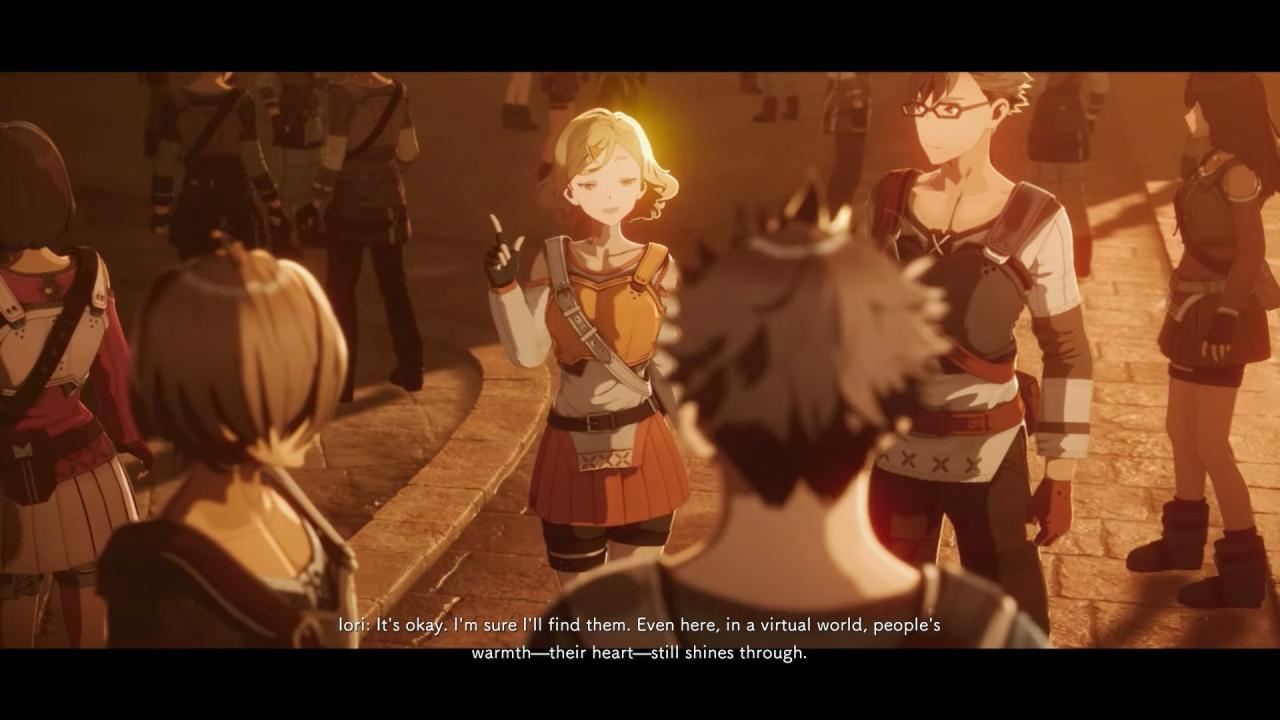
The choice to tell an original story instead of retreading Kirito's journey pays off more often than not.
The lines are visible here, too: bustling towns devoid of life, explorations that are confined by fences on all sides, crafting where stats trump imagination, and dungeons that have no problems recycling themselves. It genuinely feels at times like one team poured everything into building a beautiful, detailed world.
All the while, a separate team decided there wasn't much reason to fill it with anything to actually do, and that disconnect is the single biggest thing holding the experience back. Echoes of Aincrad has the bones of the SAO game longtime fans have wanted for years; it just needed more time in the oven to fill out everything surrounding that skeleton.
As a first outing built around its own cast, it's a promising, if uneven, start rather than the definitive adaptation the franchise has been chasing, and if the developers use this as a foundation to build on for future floors, there's a genuinely great game waiting somewhere underneath.
Editor, NoobFeed
Verdict
Echoes of Aincrad is a visually striking journey through Aincrad, offering satisfying combat, a fresh original story, and a solid first step toward the SAO game fans have long been waiting for.
72
Related News
No Data.