
Morbid Metal Review
PC
Early Access
An action roguelite finding its identity inside a crowded genre.
Reviewed by Azfar Rayan on Apr 09, 2026
Morbid Metal has the kind of origin story that companies try to make up but rarely get right: it started out as Felix Schade's college project and turned into Screen Juice's first commercial game, with Ubisoft backing its final push. Insight into that path is important because it explains why the game already has the visual authority and technical ambition of something more significant than a normal early access release.
This also explains the higher standards, since a project that goes from being a one-person prototype to a publisher-backed action game is looked at more closely for reasons other than novelty. What comes out is a strong base that flashes real star power while still showing the flaws of a work-in-progress that's still looking for the precision it needs to really rule its lane.
The roguelite market is now full of games that promise justice, progress and a new run that will definitely go better than the last. Morbid Metal doesn't come into a market that isn't full of games, of course.
To stand out from the rest, a game needs more than merely smooth controls and a dark world.
Those are no longer the things that make a game special; they are just the bare necessities. There needs to be either a single catchy hook, a progression model that changes each time, or enough mechanical polish that playing it over and over again feels like music instead of work. That's both the best and worst thing about this game: it's very close to that limit.
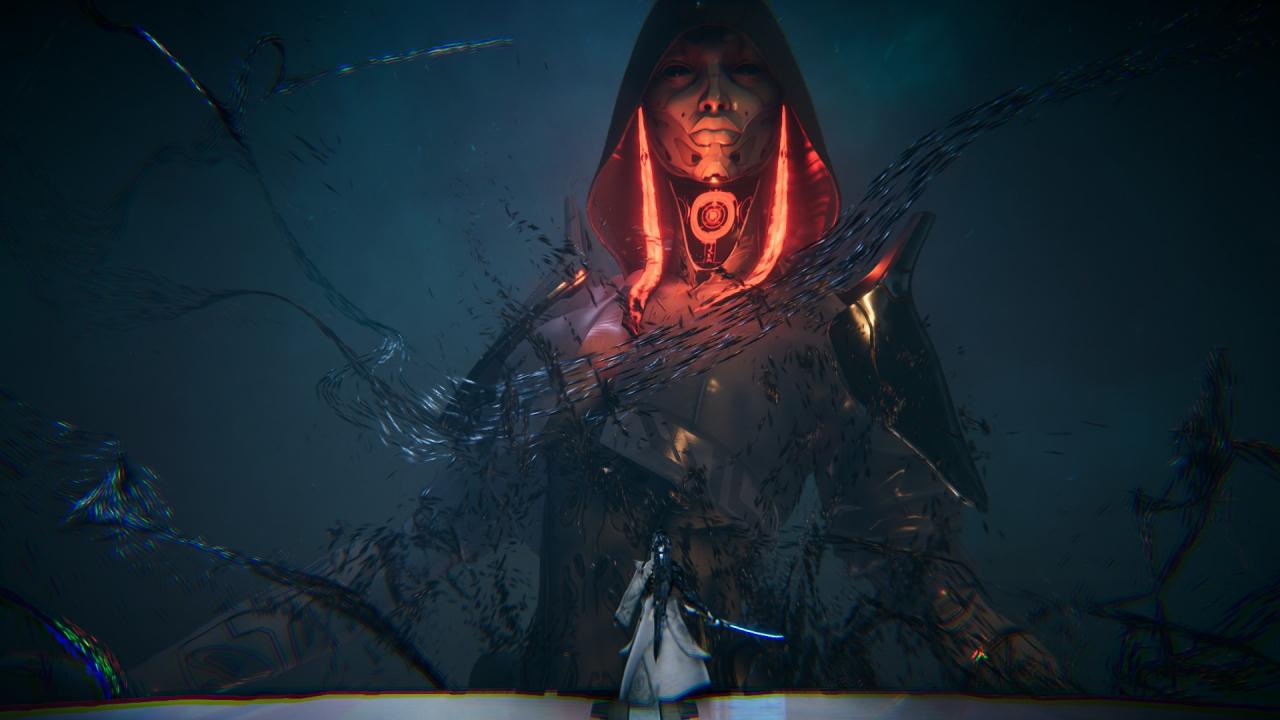
Morbid Metal puts you in a simulation that is falling apart while you control the last AI that the Operator made. This AI is a harsh leader whose command structure gives the world its most dramatic edge. At first glance, the premise sounds interesting because it turns each run into both a task and a test, with bad AIs blocking the end of a sequence of violence that seems algorithmic, ritualistic and just a little sad.
The mysterious figure, Eden, who shows up between fights, is a nice change of pace from the Operator's harshness and gives the game a thin but powerful emotional contrast. The way the story was set up isn't particularly great, but it works well enough to create drama and mystery without getting in the way of the action. The story is more interesting for its atmosphere than its depth.
There are bits of history, interesting exchanges between characters and a world that hints at disaster without fully describing it. In an early access setting, that method can work well if the pieces are interesting enough to keep you going. In this case, the writing sometimes uses implication instead of directness when it should be clear.
There's an interesting link between control, autonomy and synthetic life, but the build as it stands doesn't take those ideas very far. They look more like sketches than real statues. So, the story is interesting as a frame but not enough as a payoff. At this point, the narrative is more like a journey than a goal.
Morbid Metal is a third-person hack-and-slash game where the main rules of play are controlling cooldowns, moving and switching between characters. As you go through each run, you will encounter battle arenas, optional detours, hidden pickups, challenge spaces and chances to level up.
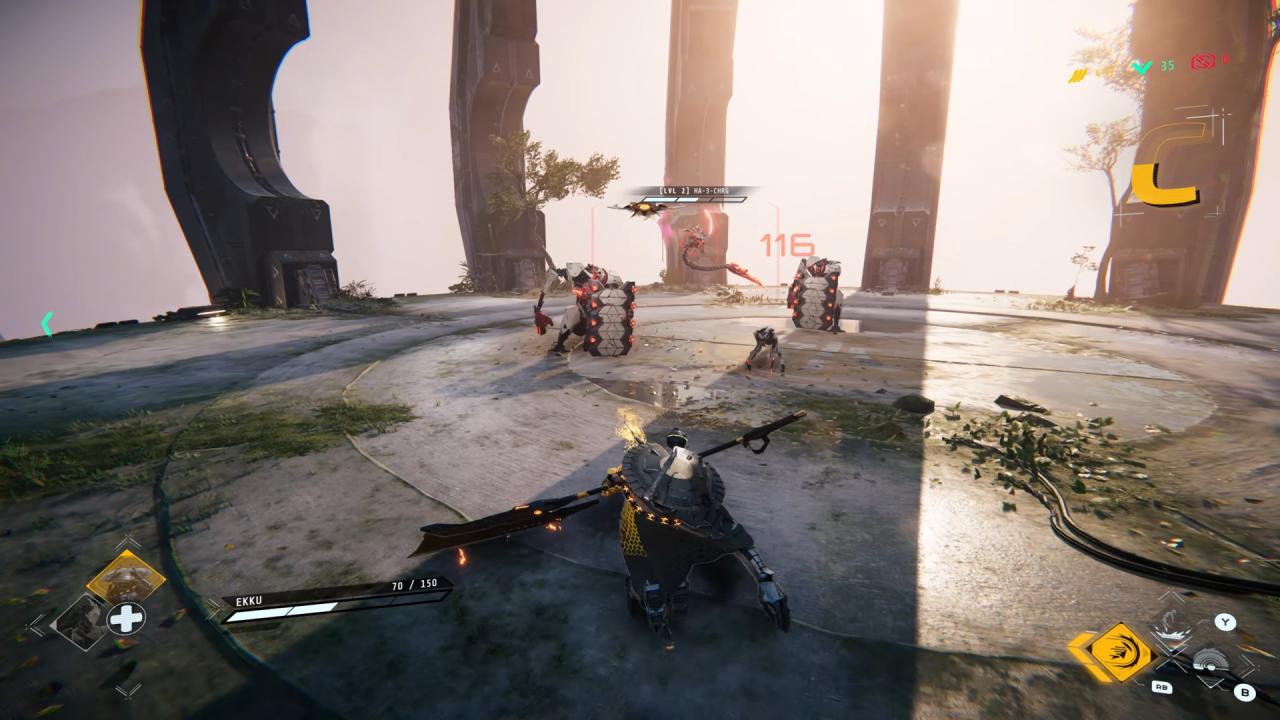
You must balance the need to stay living with the desire to go too far for better rewards.
It's easy to start reading right away because of how it's put together, which is good in this type of writing where too much information is often thought to be complicated and too much confusion to be trouble. Moving around and being aggressive are both okay in this game, so the loop keeps going. This makes fights feel quick, deliberate and often shocking.
This game really stands out because of its shapeshifting party system. At any time, you can switch between characters who have different jobs, personalities and economies. Flux lets you move quickly, hit accurately and do stylish flash damage. With Ekku, on the other hand, you can get stronger, throw things and take charge of the fight. Later unlocks give you even more tactical choices.
The best way to play is not to stick to your favorite set of moves, but to make a pressure sequence that feels planned instead of made up on the spot. This is because cooldowns are shared between forms. That method makes each fight special; every good fight is a show of timing, spacing and carefully planned escalation.
The problem is that this method can also turn expressive play into rotational discipline, especially once the best patterns are clear. Instead of letting you improvise when facing different types of enemies, the game sometimes pushes you to use all of your skills as quickly as possible because that's where the best output is.
There is still a big difference between stylish skill and mechanical efficiency, which makes freeform combat artistry seem a little less magical. It's still fun, and sometimes it's really amazing. More enemy types should act in different ways, building paths should be clearer and trade-offs should be more useful so that the system can be changed as needed.
Morbid Metal puts fighting at the center of the game and treats traversal, challenge rooms and arena layouts more like supporting structures than equal pillars. That choice makes sense, since the swordplay and skill chaining are by far the best parts of the game.
The impact, speed and visual sharpness do a lot of the convincing. The action language is very dense, with expressions like dodges, counters, aerial launches, area control and cooldown-linked burst windows that are easy to read even when the screen is full of enemies and effects.
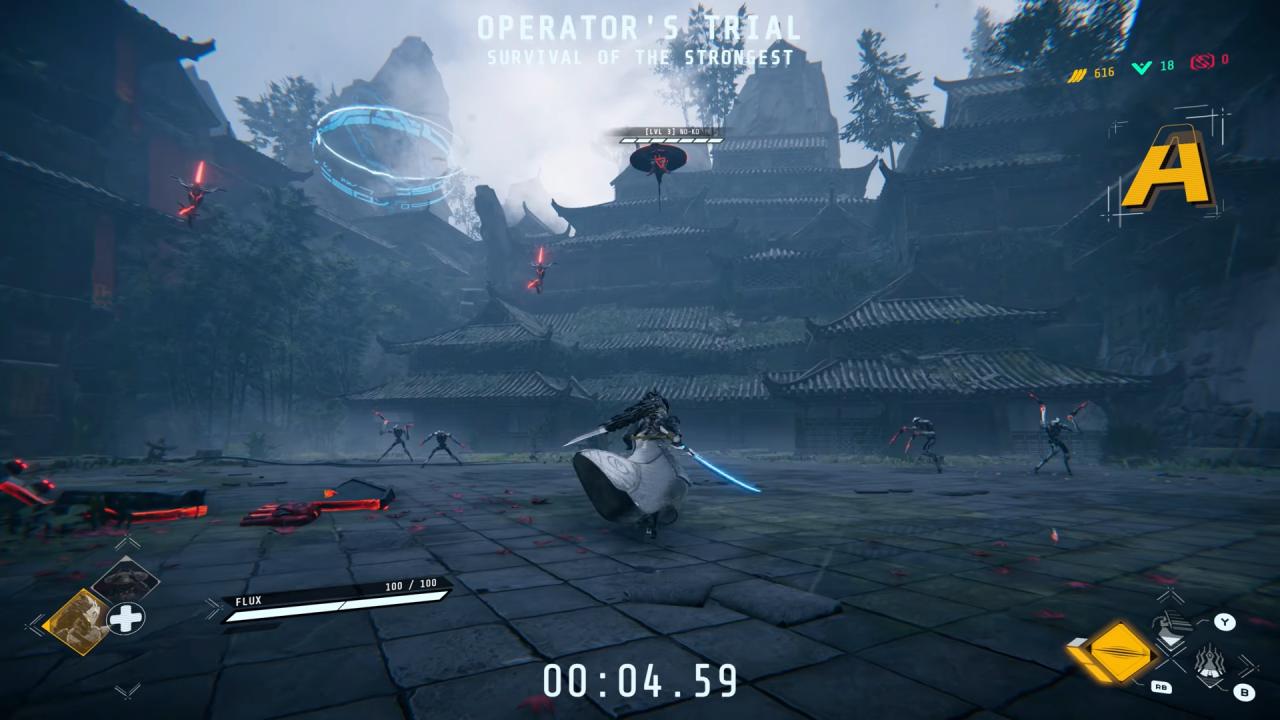
When the game is running at full speed, it feels like an energized mix of character action show and roguelite persistence, which is a very appealing idea. Morbid Metal isn't as sure concerning fairness when they talk about it because there are reports of awkward hits happening during or right after special attack sequences, especially when fighting bosses.
There's more to that conflict than just a matter of balance.
Action games depend on you believing you deserved to lose and could have escaped it. It's not a challenge when an enemy punishes escape frames that look as if you took a hit but are actually dangerous. It's deception, and trust is broken faster than any number of damages. This isn't a major flaw, but it's the kind of thing that separates a good battle system from the official one.
The puzzle part isn't as complicated as it used to be. It's more about finding your way, picking the right path, finding secret chests, keeping track of time and doing optional trials. That lighter touch works well enough to keep the game's pace steady, but it also means that the areas that aren't battle rarely offer memorable contrast or a sense of authorial surprise.
Challenge rooms and micro-decisions that can lead to different outcomes are nice changes of pace, but the current pool of rooms doesn't seem big enough to keep the feeling of finding something new for long sessions. This means that the game's high points are more intensely physical than intellectually complex, which is fine, but it does make battle depth more important to the whole experience.
The good news is that the basics of the fight are strong enough that you can do them over and over again before you get tired. The bad news is that you will get tired, especially when you're running toward the first boss for a long time, and there aren't enough new environments, enemies or big changes in the pace to keep your energy going.
At this point, you can't help but compare it to the best games in the genre. This is because the best roguelites know how to make repeating patterns feel fresh by using rhythm, surprise and building up the difficulty. In this case, the action is still tempting, but the loop around it sometimes asks for tolerance when it should be making you want to do something.
Then talk about how you gain XP and how that changes the game. Morbid Metal has a complex progression system that is based on short-term resources like Void Matter and longer-term currencies like In-Run Resources.
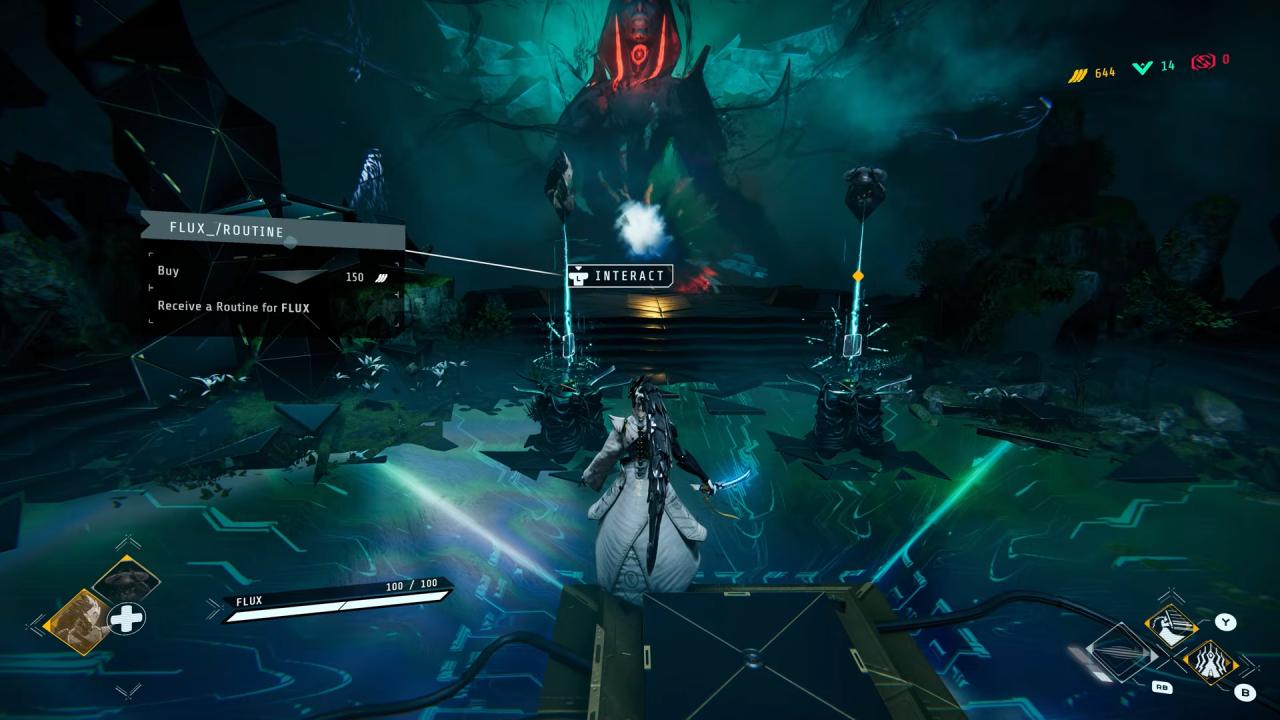
It also has upgrades that are linked to routines, Corpora, abilities and steady stat growth.
Because of this, each run has two emotional tracks: one is focused on immediate survival and tactical adaptation, and the other is on account-level momentum that slowly grows what future tries can become. In theory, it's a good design because it lets failure still feel like progress and encourages you to look into side material, challenge rooms and secret routes to get more out of their time.
In reality, the grind doesn't feel as exciting as it used to because many permanent upgrades feel incremental rather than transformative. This takes away from the excitement that usually comes with the long-tail progression of the genre. The way Morbid Metal looks is just what a modern action roguelite should have.
It combines smooth sci-fi surfaces with fantasy elements, Japanese design language and a shiny metallic finish that makes the world look high-end. The character silhouettes are clear, the ability effects are flashy without getting confusing, and the landscapes, like the stylized, lush biomes, look expensive even when the same parts are used over and over again.
The design of enemies is also very good; smaller flying threats, melee units and bosses all feel like they belong in the game's made-up story instead of looking like they came from a random asset mood board. The bigger problem isn't quality, it's differentiation. The art direction looks good from almost every angle, but it's still looking for that one visual identity that would make a single frame instantly recognizable.
While the music is competent, well-organized and occasionally moving, it doesn't always grab your attention as the visual design does. The effects for blades, powers and movement really make the world feel real, and the voice acting for the Operator and Eden adds a nice tone that is all at the same time creepy, formal and controlled.
Music doesn't get in the way of the flow; instead, it adds to it. This keeps things clean and means that fewer sounds will stick around after the session is over. Even though nothing sounds cheap or careless, the mix as a whole feels more useful than iconic right now, like a good addition rather than a feature that makes it stand out.
Morbid Metal is already more than just an interesting concept. It has a combat system that has real market appeal and is easy to understand right away, which can draw you in long before the main content roadmap is finished.
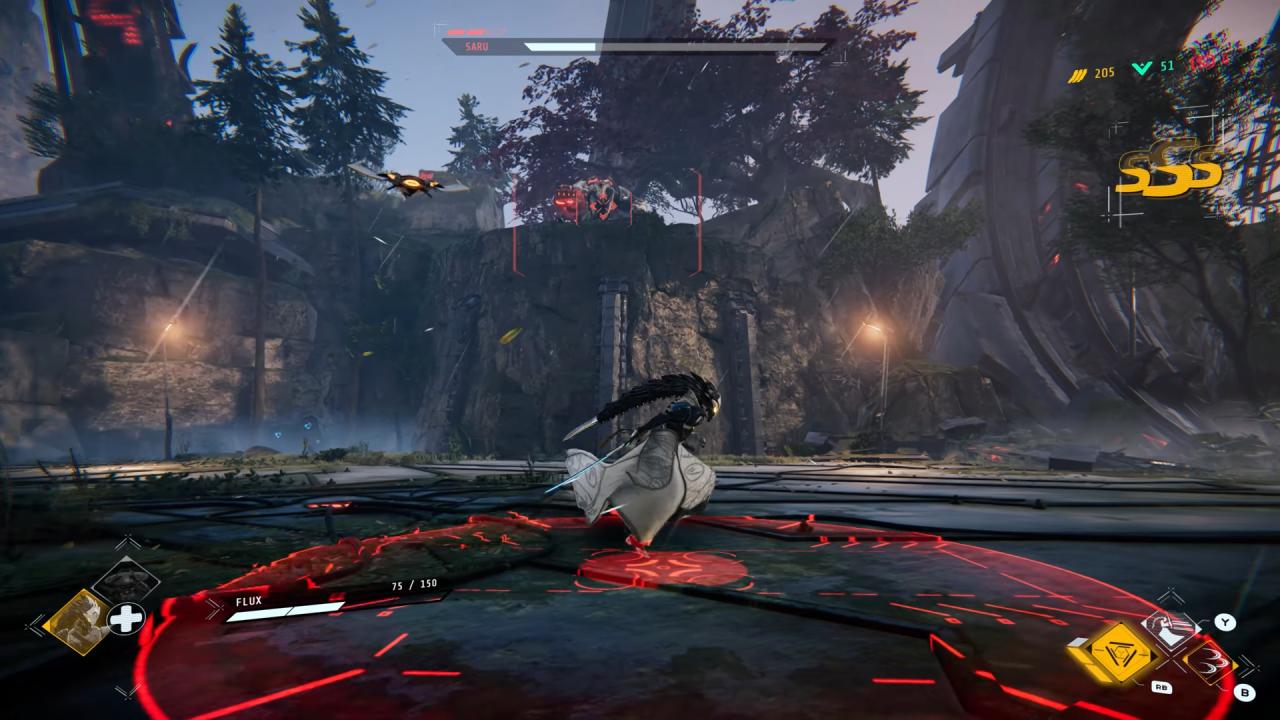
Its main hook that changes forms isn't only a trick; it's built in.
Cool combos, smart timing and a fast pace are all possible. This is something that many action games try to do but rarely succeed. At the same time, the present version has some issues, including rooms that are repeated, progress that doesn't always feel worthwhile and fights that are rough and take away from the fantasy of exact control. This tension sums up the game in a single statement: great craft, unfinished orchestration.
The suggestion is hard to understand, not because of poor quality but because of when it should be given. Fans of roguelites and character-based action games will enjoy this game a lot. It might even become a future favorite once the balance, range of content and system tuning are just right.
People who want to try this type of game for the first time might not like how repetitive it is, how hard it gets quickly, or how little the story moves forward right now, even though the game looks sure of itself. Without a question, the foundation is strong. But the real greatness will depend on whether or not future updates can turn style into staying power, momentum into identity and promise into writing.
Senior Editor, NoobFeed
Verdict
Morbid Metal is a striking Early Access action-roguelite with superb combat foundations, elegant visual craft, and clear potential, but repetition, uneven progression, and fairness issues still keep it a step away from true genre leadership.
72
Related News
No Data.