
The Berlin Apartment Review
PC
A journey that slowly builds up and makes you face the weight of responsibility.
Reviewed by Nusrat Choity on Nov 17, 2025
The Berlin Apartment is a great example of how narrative-driven games can be powerful. An indie studio that loves telling stories about history made it. It takes you deep into the complicated world of Berlin during the Cold War. This game is different from most modern video games because it doesn't have a lot of action. Instead, it focuses on loneliness, longing, and self-discovery.
The Berlin Apartment gives a nuanced look at life in East Berlin just before the fall of the Berlin Wall, set against the backdrop of a divided Berlin in the late 1980s. This game isn't just about solving puzzles and exploring; it's also about feeling the weight of history on your shoulders and living in a world where freedom and communication are just out of reach.
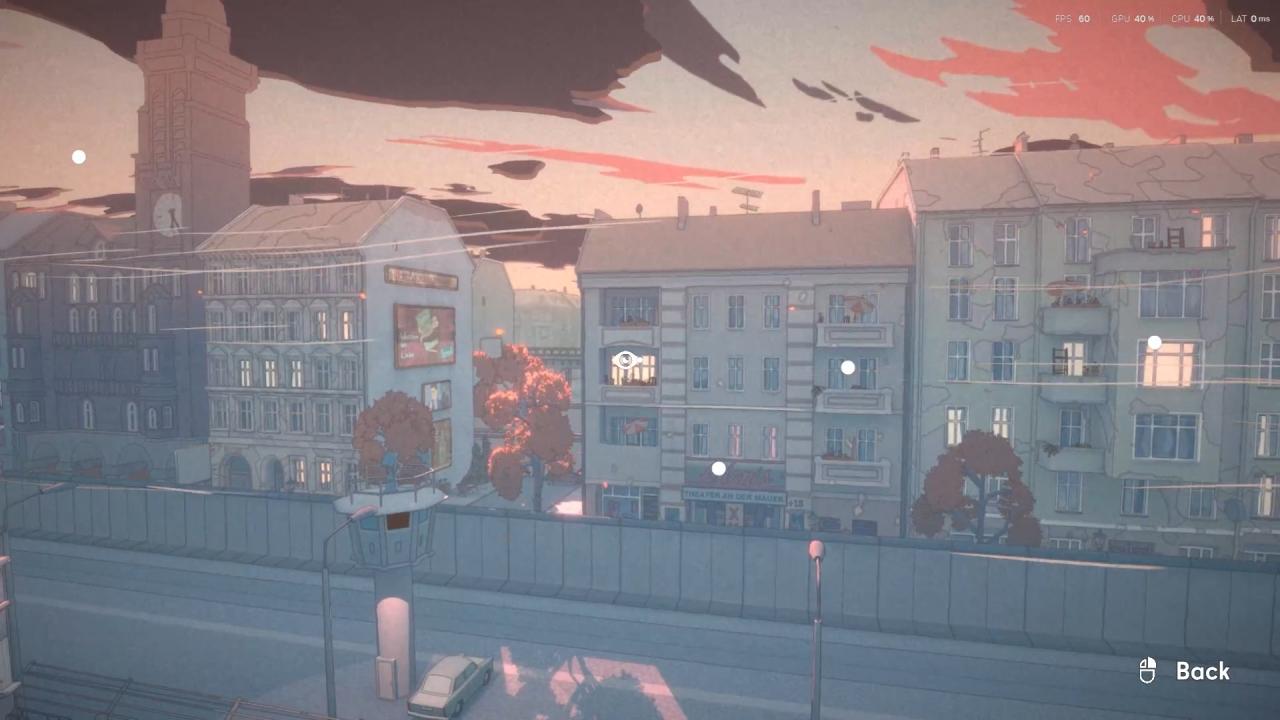
The developers wanted to make something that would touch players on a deeper, emotional level, and that's how the game came to be. There was more to it than just the physics and fancy graphics.
It was about making the story seem real and important. Politics and relationships that were a mess at the time gave the people who built The Berlin Apartment ideas. The game was a way to study how people bond when the world is bad.
In a world of video games where fast-paced action is the norm, The Berlin Apartment dares to slow down and make you think about the details of your surroundings and the emotional weight of each choice. In an industry full of fast-paced thrills, this game stands out as a gem because of how it tells stories and builds worlds.
The main story of game is about Collia, a man who lives in a small apartment in East Berlin in 1989. At first glance, his life seems boring, full of boring routines and a sense of quiet acceptance. Collia spends his days watering his plants, dealing with his weird roommates, and looking for meaning in a life that doesn't seem to connect with the rest of the world.
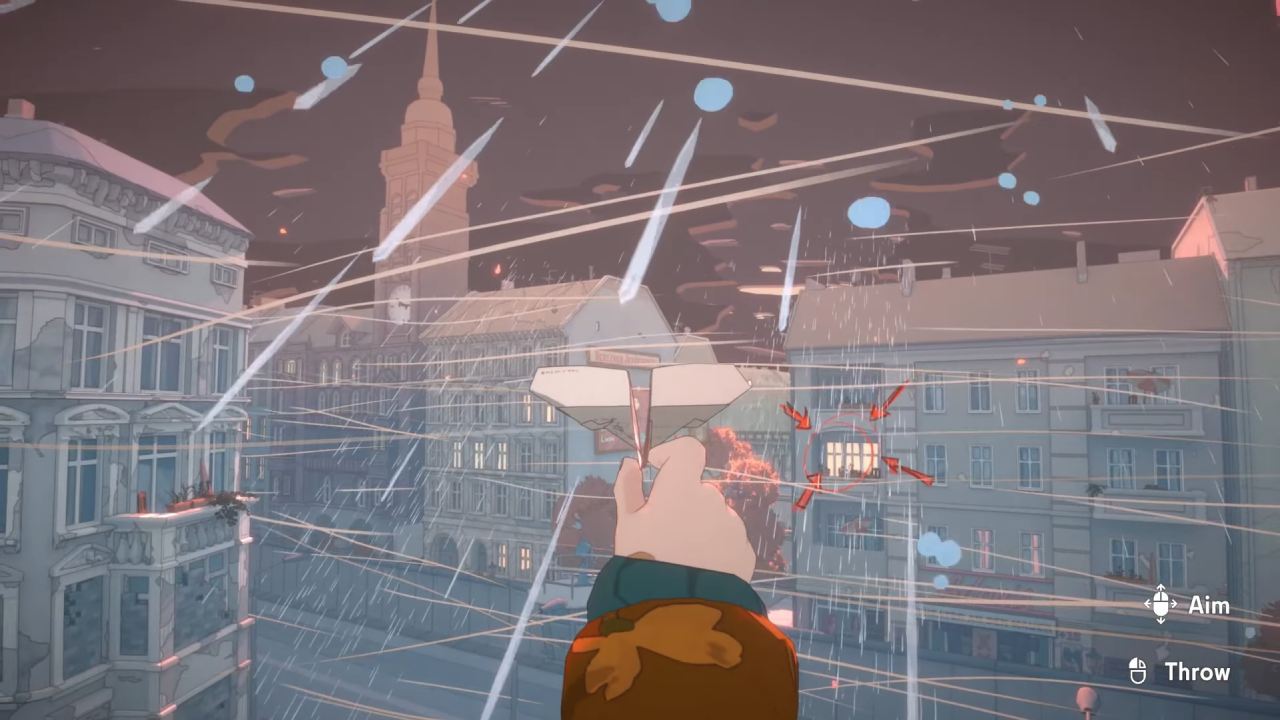
But one day, his routine is broken when a strange paper airplane from the other side of the Berlin Wall lands in his apartment. The plane, which has a note and a phone number on it, becomes a symbol of something bigger: hope, connection, and the chance to get away.
As Collia starts to talk to the strange person on the other side, the story changes.
Things that begin as a simple talk quickly become difficult and emotional. Collier's flat tells you more about his past, like how he got along with his roommates and what was going on in the city government.
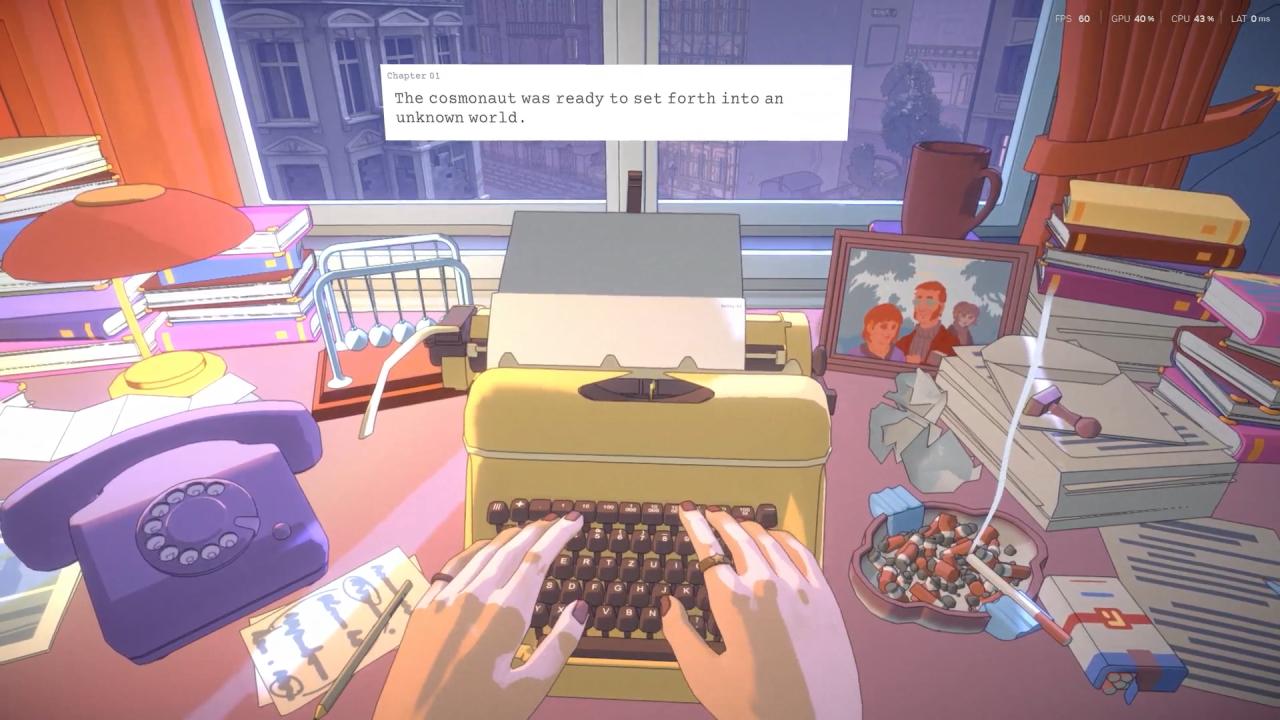
In Collia's life and in the world around her, East and West are at odds with each other. You need to put together all the pieces of the puzzle that are in the apartment, from old letters to forgotten memories, to get the whole story.
As you figure out the mystery, you have to make the same choice that Collia does: stay in the oppressive world of East Berlin or take the risk and step into the unknown. With each conversation, discovery, and interaction, the emotional stakes get higher. This makes it clear that The Berlin Apartment isn't just about the walls that separate the city; it's also about the walls we build inside ourselves.
The game is different from other action-adventure games in that it doesn't have fast-paced combat or complicated puzzle-solving sequences. Instead, the game is all about exploring and interacting with things. The apartment itself becomes a character, with its rooms full of things from the past and clues about what will happen next.
Most of the time, you'll be exploring the apartment, picking things up, and learning more about Collia's story.
Finding things is the main mechanic of the game. The game makes you pay close attention to the little things around you, from a simple note on a piece of paper to the mysterious paper airplane that starts it all. The plants, letters, and old furniture in the apartment all have their own stories to tell.
You will touch these things, look at them, and sometimes think about what they mean in a bigger picture. Finding these little moments from the past is what keeps the game going. You don't have to hurry; the game encourages you to take your time, enjoy the setting, and think about how history has affected every part of the apartment.
You will also talk to different characters, like Collia's housemates and the strange person on the other side of the Wall. These conversations are important to the plot and usually have choices that change how the story goes.
Even though the choices you make don't change the story very much, they do help you get to know the characters better and make you feel like you have some control over a world where freedom is limited.
It doesn't have any traditional fights or action scenes, but it does have puzzles that help move the story along. These puzzles aren't the usual hard ones you'd find in a game; they're more subtle and make you think. For example, one of the first puzzles is to fold a paper airplane.
This seems like an easy task, but it has a lot of meaning. The way you fold the plane and the message you write on it change how you talk to the strange person. It's an example of how the game's puzzles are connected to the story instead of being separate challenges.
As you learn more about Collia's story, the real puzzle in The Berlin Apartment is figuring out how to deal with the complicated web of relationships and feelings that come up. It's not just about solving puzzles or finding things that are hidden; it's also about putting together the pieces of a life lived in a world that is split.
Every choice you make, from what to write in a letter to how to answer the phone, is part of the game's bigger puzzle.
In The Berlin Apartment, you don't get experience points (XP) or level-ups like you do in other games. Instead, you move forward by exploring and discovering the story. You will learn more about Collia's past, his relationships, and his feelings the more you interact with the world around you.
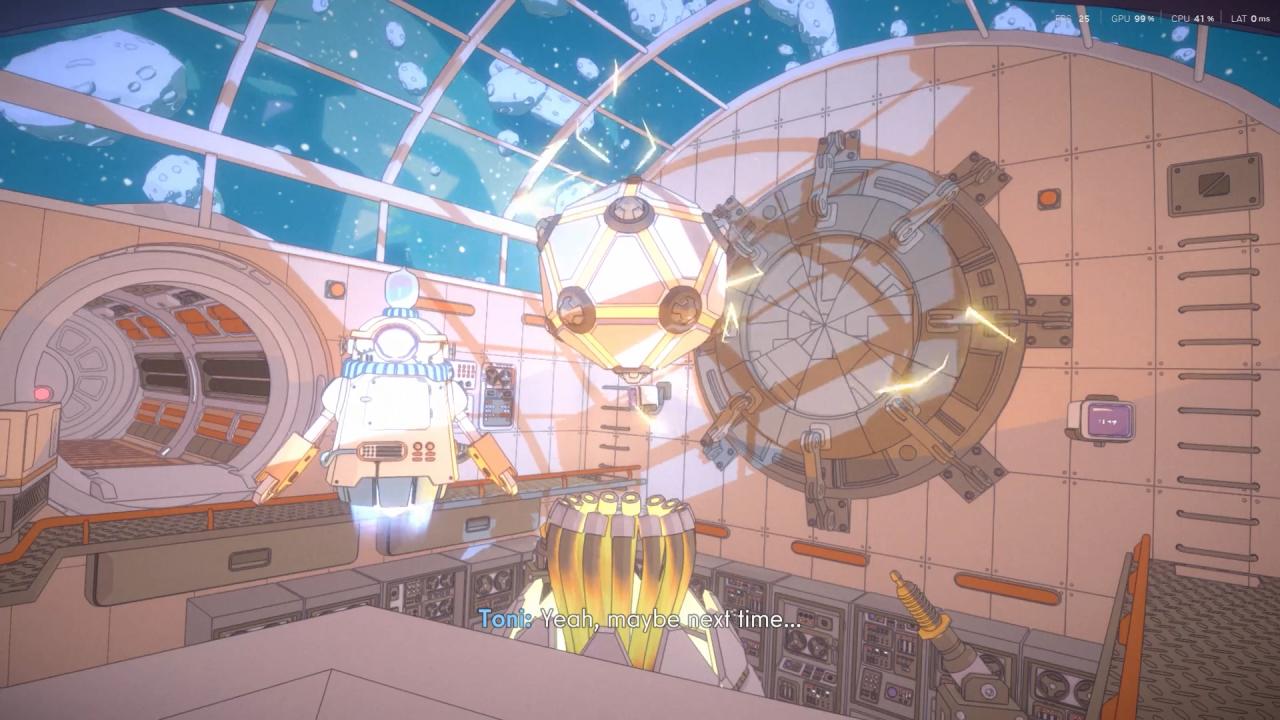
Putting the story together gives you a sense of growth, and each new piece of information sheds light on the bigger political and personal problems at work. The game rewards players who are curious and pay attention to the details. The ultimate goal is to go on an emotional journey to understand Collia's situation and the choices he has to make.
The Berlin Apartment doesn't have any grinding mechanics. The story is the only way to move forward, and the game opens up more as you get deeper into it. It's a slower, more thoughtful kind of progress, where each step forward feels like it was earned by exploring and thinking about things instead of doing the same things over and over again.
The graphics in The Berlin Apartment are beautiful, not because they are realistic or grand, but because they capture the sad mood of the time. The developers picked a muted color scheme, with grays, browns, and greens making up most of the space. This color scheme is like the dark mood of East Berlin, where people often lived in the shadows, far from the bright promises of the West.
The apartment is very well thought out, and every detail has a purpose. The creaking floorboards and slightly cracked windows give the place a lived-in feel. The furniture, your personal items, and even the plants you take care of all help tell the story. The lighting is soft and low, which adds to the game's sad mood.
The light changes at times to show how heavy the story is emotionally. The visuals help you feel like you're in the story, whether it's the quiet stillness of the apartment or the strange glow of the paper airplane flying in from the West.
Sound design in The Berlin Apartment is great; it adds to the mood and the story in small but powerful ways. The game makes you feel alone by using sounds like the ticking of a clock, the distant rumble of city life, or the soft hum of an old refrigerator. These sounds aren't just background noise; they're part of the world, making you feel like you're stuck in a moment that will never end.
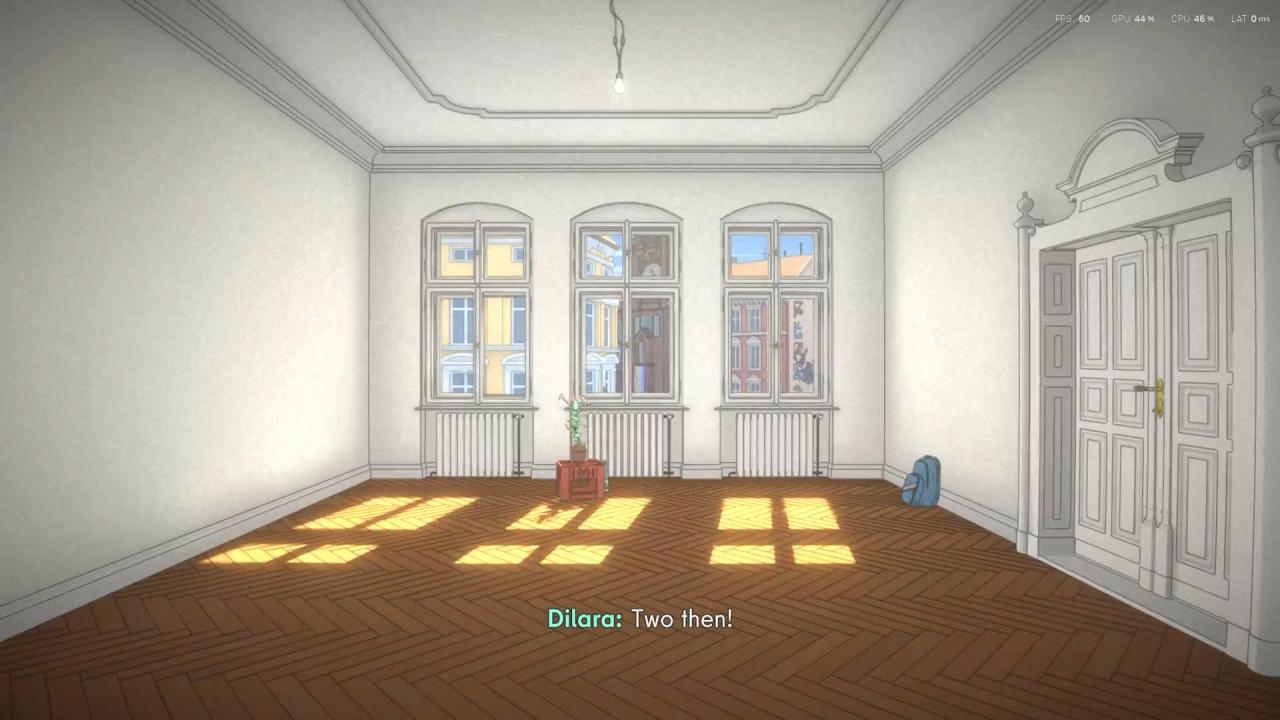
The voice acting in The Berlin Apartment is especially good. Everything the characters say makes them seem real, and each one adds to the story and their interactions. The talks range from lighthearted teasing to tense, emotional exchanges that show how the characters are feeling and what's going on in the world politically at the time.
The speech actors really bring the characters to life with their lines, which makes the sad parts of the game even stronger.
The music is haunting and sad, with sparse piano melodies and subtle orchestration that capture the sad mood of East Berlin. The music gets louder at important points in the story, which makes the emotional stakes higher. At other times, it stays quiet, letting the mood speak for itself.
The Berlin Apartment is a deeply emotional and immersive experience that combines historical storytelling with personal reflection.
It's a game that makes you think about the choices that affect the characters' lives and take your time. Some people might think that the lack of combat or fast-paced action is a bad thing, but for those who like a game with a story and time to think, this one is a work of art.
The game's rich setting, interesting characters, and challenging puzzles all come together to make it a game that is as much about feeling and thinking as it is about finding things.
As you walk through the apartment, touching its things and putting together Collia's past, you'll be drawn into a story that is as much about the emotional cost of living behind the Iron Curtain as it is about the universal human need for connection.
The Berlin Apartment makes you think about what it really means to connect with other people, even when the odds are against you, in a world where walls - both real and emotional - separate people. This is a powerful message. It will stay with you long after the credits roll, and you'll feel both sad and hopeful.
Contributor, NoobFeed
Verdict
Set in Berlin during the Cold War, The Berlin Apartment is a hauntingly beautiful story-driven game that takes players on an emotional and thought-provoking journey through history.
70
Related News
No Data.