
ZERO PARADES: For Dead Spies Review
PC
A cold, slow-burning espionage RPG about loyalty, paranoia, and the cost of losing yourself.
Reviewed by Nusrat Choity on May 21, 2026
People were bound to compare ZERO PARADES: For Dead Spies to Disco Elysium at some point. People began pointing out the painterly graphics, the internal dialogue system, and the heavy focus on conversations and political topics as soon as the first screenshots were posted online. The comparison is still used all over the place, and it makes sense.
Because ZA/UM is known for making one of the most talked-about RPGs of the last ten years, expectations were going to be high. The interesting thing about ZERO PARADES is that it doesn't try to repeat the exact same experience throughout. There is no doubt about the DNA, but this is a very different story.
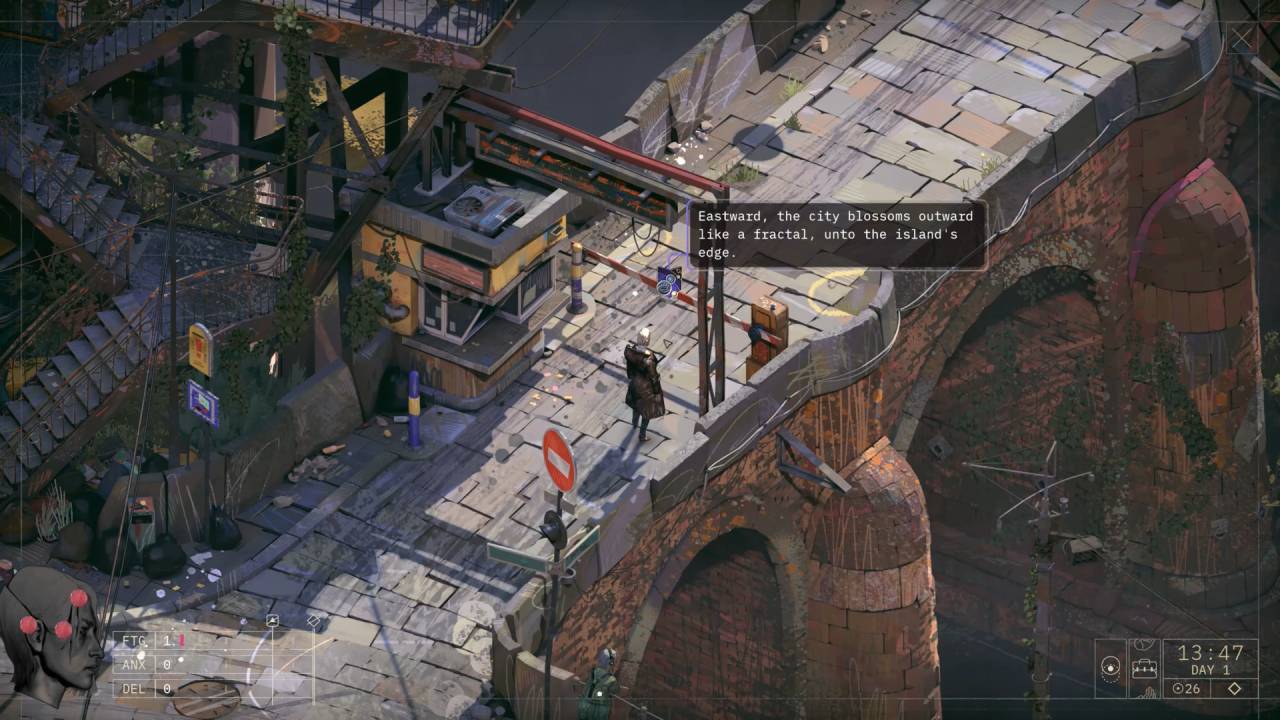
This game isn't about crazy detective work or self-destructive comedy. Instead, it's about feeling paranoid, tired, and alone. It's cooler, quieter, and easier to handle. There is still sharp political commentary and strange humor in the writing, but the tone as a whole is darker. Even when they're just talking, they always have the feeling that something is wrong.
The story is about Hershel Wilk, who goes by the code name Cascade and used to work in intelligence but was put on leave for years after a failed mission. He is now called back into the field. When she gets to the city of Portofiro, she hopes to meet up with her assigned partner again, but he is barely attentive and seems to be in a catatonic state. No one tells it like it is. The agency hides information, the city seems unsafe, and each lead seems to be linked to a bigger problem that's not being seen.
That's enough to get you interested, but how ZERO PARADES deals with Hershel's inner life is what really keeps it going. Like in Disco Elysium, your skills are not just numbers that sit in options. They talk to you all the time. Hershel's personality has different parts that talk over each other, cut her off, and force her to make decisions. One part of her mind may want to be loyal to the government, and another may make her feel anxious or unstable emotionally.
At first, it sounds like a lot, but the game handles it fairly well. Each voice has its own personality, and as time goes on, they become less like machines and more like broken pieces of Hershel herself. Some are useful. Some others are harmful. When the pressure starts to build, some of them become really scary.
It turns out that the pressure system is one of the best parts of the whole game.
Instead of regular health bars, Hershel has to deal with tiredness, stress, and hallucinations. These conditions get worse with every failed talk, stressful moment, or careless choice. While coffee might help with tiredness, it makes nervousness worse. While alcohol can calm you down, it can also make you more mentally unstable. There are some talks that can have long-lasting effects if they bring up certain fears or memories.
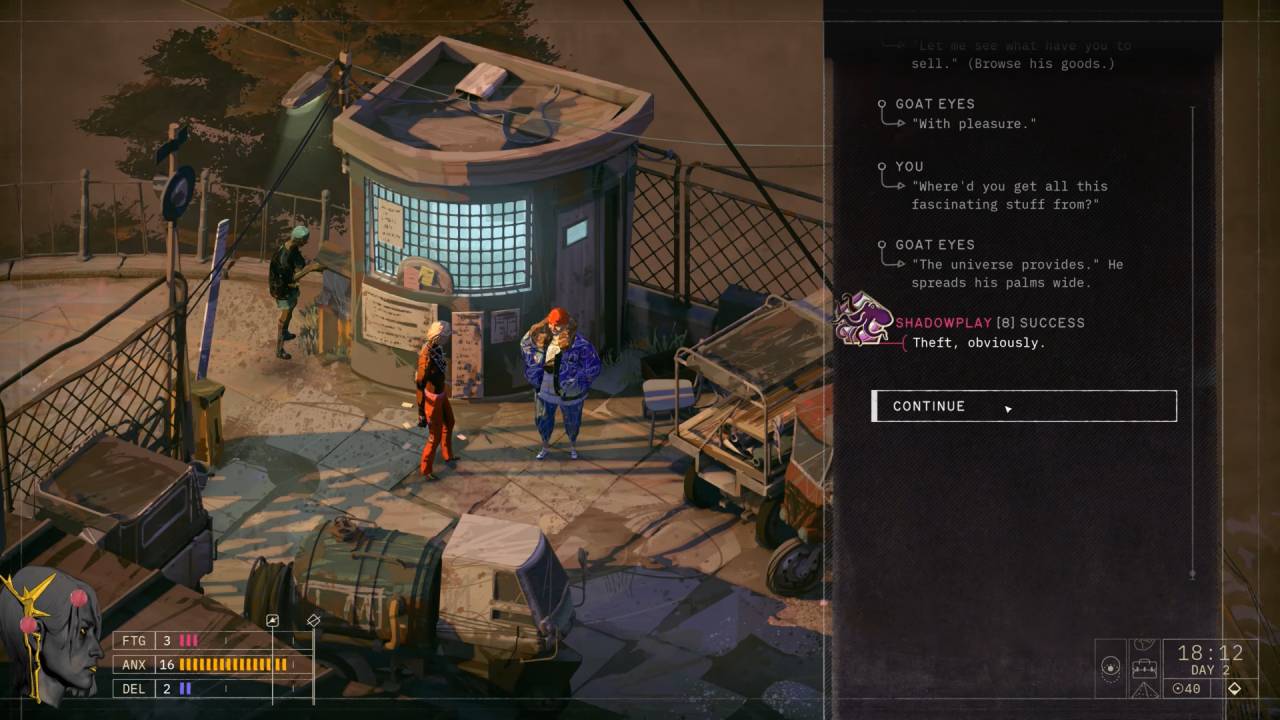
The way this method fits in with the roleplaying is what makes it work. There are no loose ends in the story. The physics keep making Hershel's mental state and the stress of her investigation worse. She worries that she might say the wrong thing, fail a check, or start another downward spiral in her mind, which can make even easy conversations very stressful.
You may be used to the skill check system if you have played other CRPGs with a lot of conversation, but it is used in a more interesting way than most RPGs do. While success is nice, failure often leads to totally different results instead of just stopping progress. Not getting an important check in on time could lead to a new route, hurt a relationship, or put Hershel in a messier situation that is even more memorable than if he had succeeded.
Being ready to fail makes the game move naturally, which is something that many RPGs have trouble with.
If you stop thinking of it as a system you need to beat, it starts to feel more like a story responding to your version of Hershel. It's likely that some players will restart failed checks out of habit, but it's clear that ZERO PARADES is meant to reward players who can deal with bad results instead of always trying to get perfect ones.
Portofiro also gets a lot of praise because the city almost brings the game's mood to life as much as the characters do. Here, it's not a fancy spy world full of fancy gambling and high-tech gadgets. The city is an old industrial area that is still trying to stay alive after years of economic downturn and government meddling. Empty factories, squalid apartments, flickering neon signs, and streets awash in rain create a constant sense of ruin.
Things in the city look like they have been getting worse for decades and people continue to wait for things to get better. The writing about politics in the world is complicated, but it's never dull. Throughout the story, characters with different ideas constantly clash, and the game doesn't make these disagreements into simple good vs. bad arguments.
Whether it's communism, fascism, capitalism, or nationalism, each system is shown through the people who live under it, not through huge information dumps. In some talks, it gets really awkward when the characters sound real instead of over the top like they're in a cartoon.
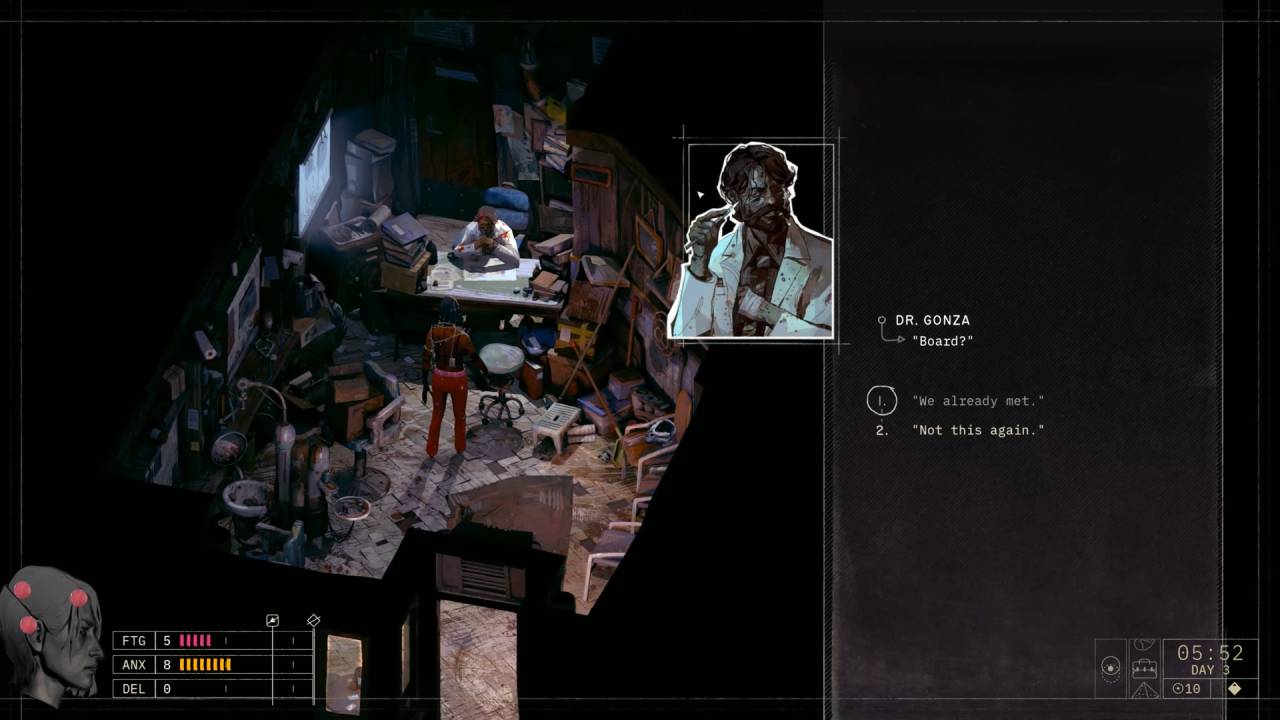
But there are moments where the writing tries a little too hard to sound clever.
There are also moments where the conversations turn into long philosophical discussions that seem a little forced and less like they belong together. Not every conversation flows well, and some moments would have been better with some better editing. The game assumes that people can sit through long conversations, which can be either immersive or tiring depending on how you handle slow stories.
The slower pace is probably the most important thing for people who want to play to know before they do.
The plot isn't like most spy thrillers. Large-scale shootouts don't happen every hour, and there aren't many exciting action scenes that move the story along. Reading people, following hints, going back to places you've been before, and trying to keep Hershel together long enough to figure out what's going on are what the game is mostly about.
That method works really well sometimes. At other times, the research can become frustratingly vague. The log keeps track of your goals, but ZERO PARADES doesn't always tell you exactly what to do next. It's easy to miss important clues, and talks that don't point you in the right direction can make some parts of the day feel pointless. Players who are used to always being on the move may have trouble during the slower parts.
Even so, it's hard to leave the story once it starts to grip you. It doesn't use cheap plot twists to make the story darker, and as more about Hershel's past is revealed, the emotional weight of her character keeps growing. Hershel doesn't feel like a clean slate like many RPG main characters do before the story even starts. Instead of creating a whole new personality from scratch, the acting involves changing how she reacts to the damage.
In a very specific way, the game looks beautiful. The art style makes you think of Disco Elysium right away, but ZERO PARADES is also unique because of the things that are different. The landscapes look painted and dreamlike, but they feel a little sharper and brighter with neon lights. Portraits of characters are especially good. Every face looks like it's been through a lot, which fits the mood exactly.
It's also worth mentioning that the music knows when to be quiet. The game does not use a lot of dramatic orchestral music in its scenes. Instead, it relies heavily on ambient tracks, faraway electronic tones, and long stretches of silence filled only by rain or city noise. It makes you feel nervous, and the feeling doesn't go away, not even when things are calm.
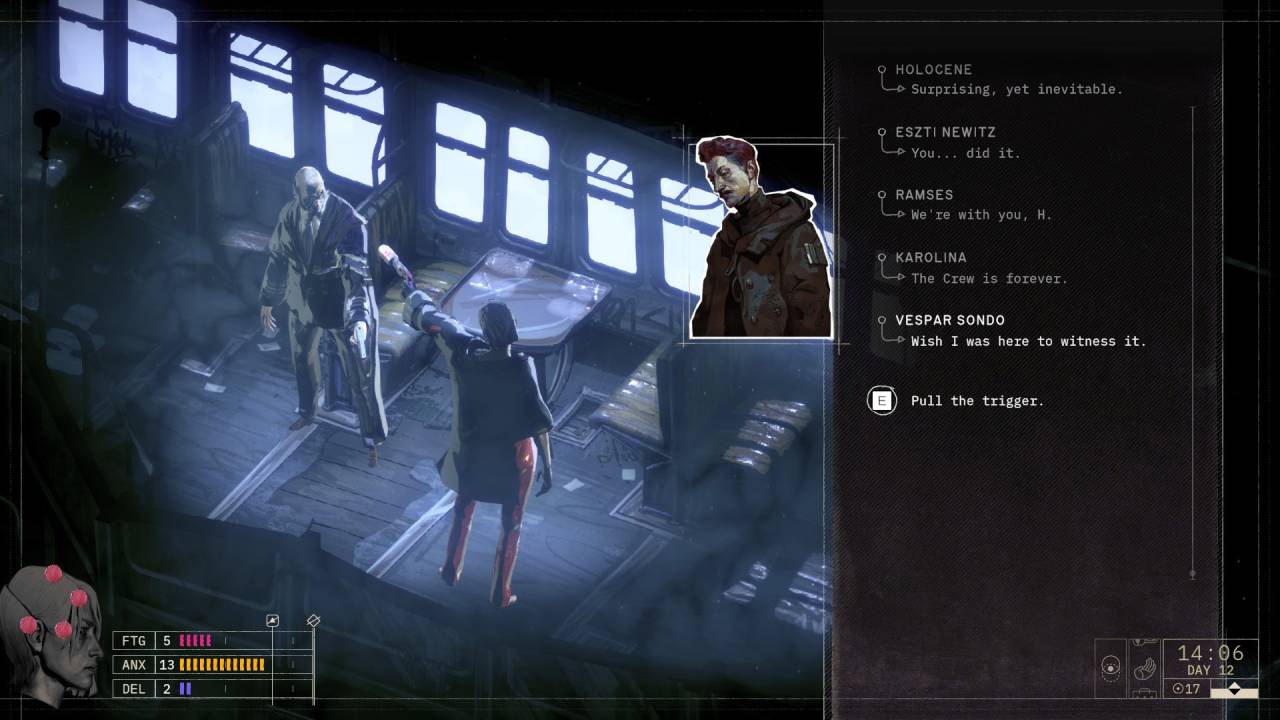
The voice acting also makes the psychological parts of the story more interesting. Hershel's inner voices all sound different from each other, making her talks seem real instead of fake. In some of the best parts of the game, Hershel just stands there while different parts of her mind fight about what to do next.
What’s special about Dead Spies is how consistent it is with its tone. The game doesn’t suddenly turn into a power fantasy or try to cater to a wider audience in the middle of it. It keeps talking about doubt, political unrest, emotional breakdown, and how tiring it is to live in systems that slowly eat away at the people who work for them.
The work isn’t perfect. There are times when the pacing drags, some of the dialogue is a little flowery, and there are moments when the game feels like it’s just stuck in the shadow of Disco Elysium due to similarities. But even with those problems, this is still one of the most interesting story-based RPGs to come out in a long time.
ZERO PARADES is a truly memorable experience for people who are okay with slower stories and darker topics. There are some games that stick with you long after the credits roll. It's not because of big story twists or big spectacle, but because they make you think about tough issues.
Contributor, NoobFeed
Verdict
ZERO PARADES: For Dead Spies is smart, tense, and atmospheric rather than standard spy action, focusing on psychological pressure and sharp writing. It moves slowly at times, but once the world and people grab you, you'll never forget it.
79
Related News
No Data.