
Rise of the Red Dragon: China's AAA Games are Quietly Reshaping the Industry
A mythical convergence of tradition, tech, and tenacity is redefining the future of gaming, one high-impact release at a time.
Opinion by Zahra Morshed on Aug 03, 2025
Something is shifting—quietly, methodically, and with the weight of a giant awakening. For years, the global gaming landscape has been dominated by Western and Japanese titans, pushing out cinematic epics, relentless live-service titles, and IPs so polished they risk sterilization. But while much of the world kept its eyes trained on Los Angeles, Tokyo, and Montreal, another force was gathering momentum beneath the radar. That force? China.
What looked like a small flow of exciting videos and big projects has turned into something that can't be ignored. China is no longer just playing around in the AAA game market; it's starting to take over. The moment that started the change didn't come from well-known giants; it came from a game called Black Myth: Wukong.
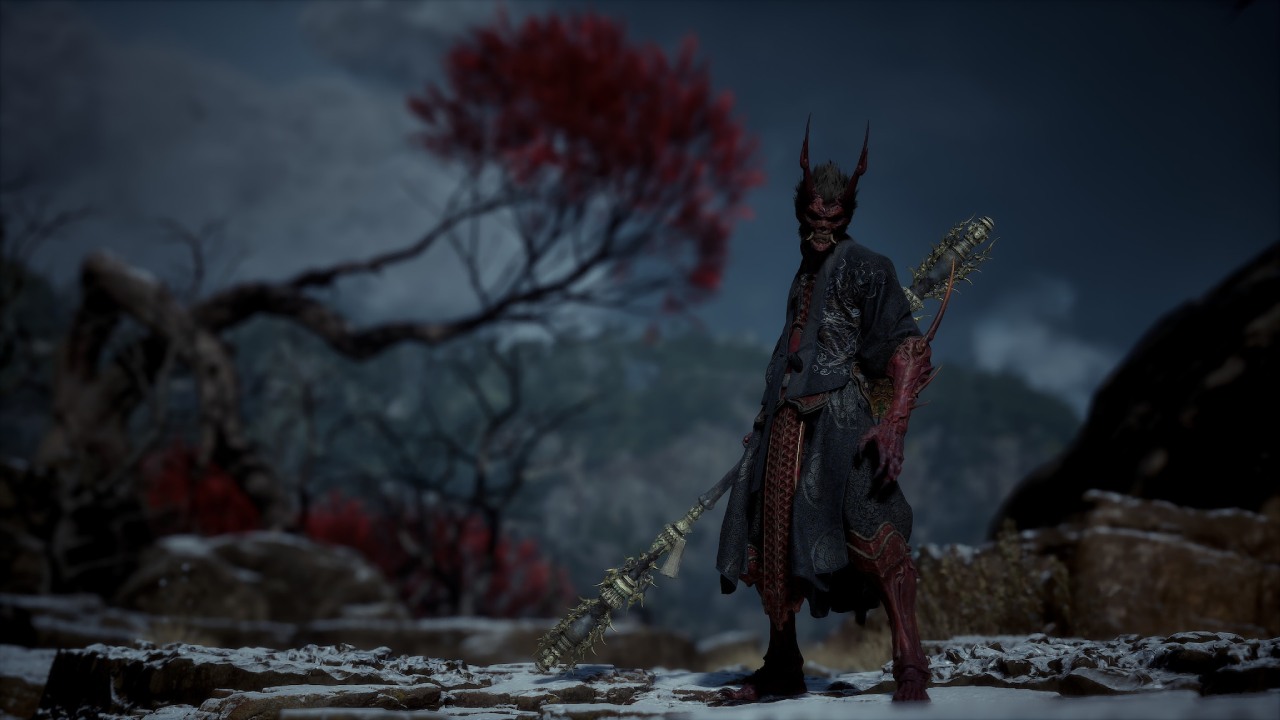
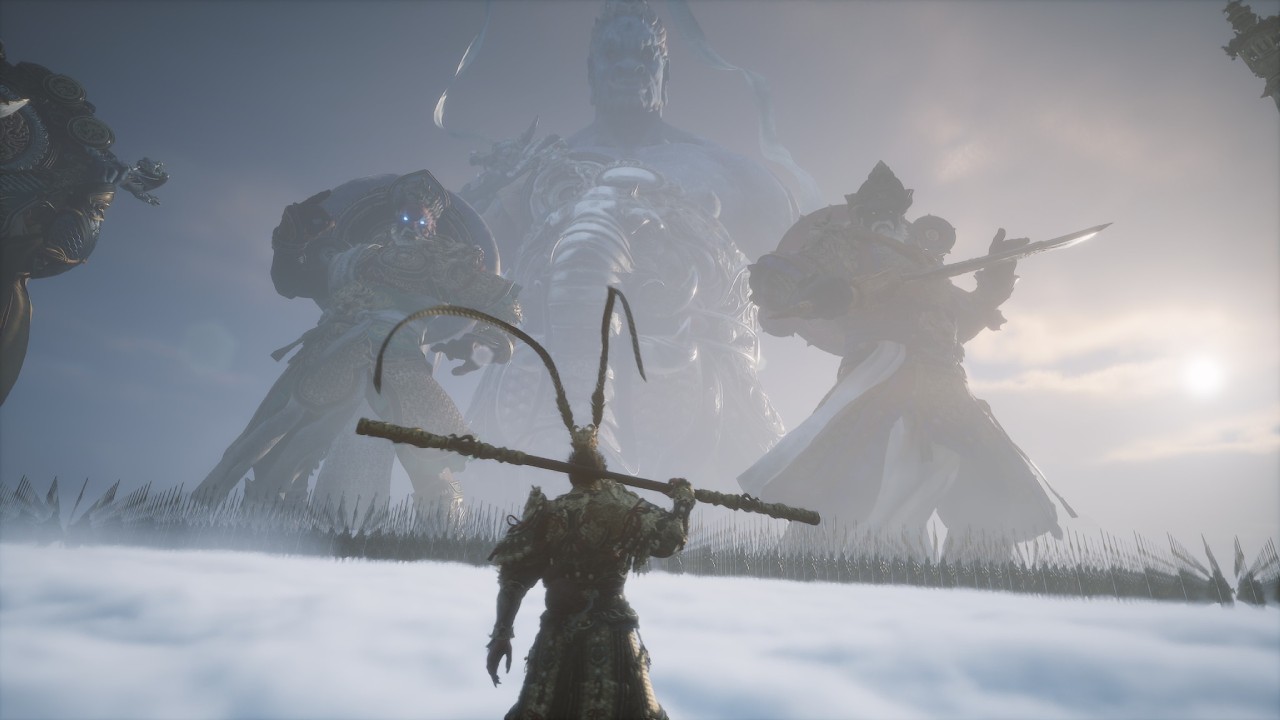
This wasn't just a title—it was a declaration. Based on the legendary tale of Journey to the West, Black Myth: Wukong launched into the public eye with seismic force. In a mere 72 hours, it sold over 10 million copies—rivaling the likes of Elden Ring and Hogwarts Legacy. Its concurrent Steam player count was second only to PUBG, a platform milestone that once seemed unattainable for any developer outside the mainstream AAA circle. And it hasn't even launched on Xbox yet—set for release this August.
More than a game, Wukong became a turning point—a clear, irrefutable sign that Chinese studios weren't just catching up. They were redefining the rules.
For decades, red tape kept the Chinese gaming industry insular. Game consoles were banned outright from 2000 until 2015. Developers navigated dense bureaucratic approvals, a notoriously rigid content regulation process, and a market culturally tuned toward mobile and MMO titles. But the tides turned fast once the console ban was lifted. A dormant hunger for console and PC experiences exploded overnight.
The numbers are staggering. From a $10 billion valuation in 2003, China's gaming market has ballooned to nearly $400 billion. Its player base has surged to 674 million—more than twice the size of North America's. And behind that tidal wave is a rising generation of studios determined to make games that are able to stand shoulder to shoulder and compete with the world's best.
But Black Myth: Wukong was just the start.
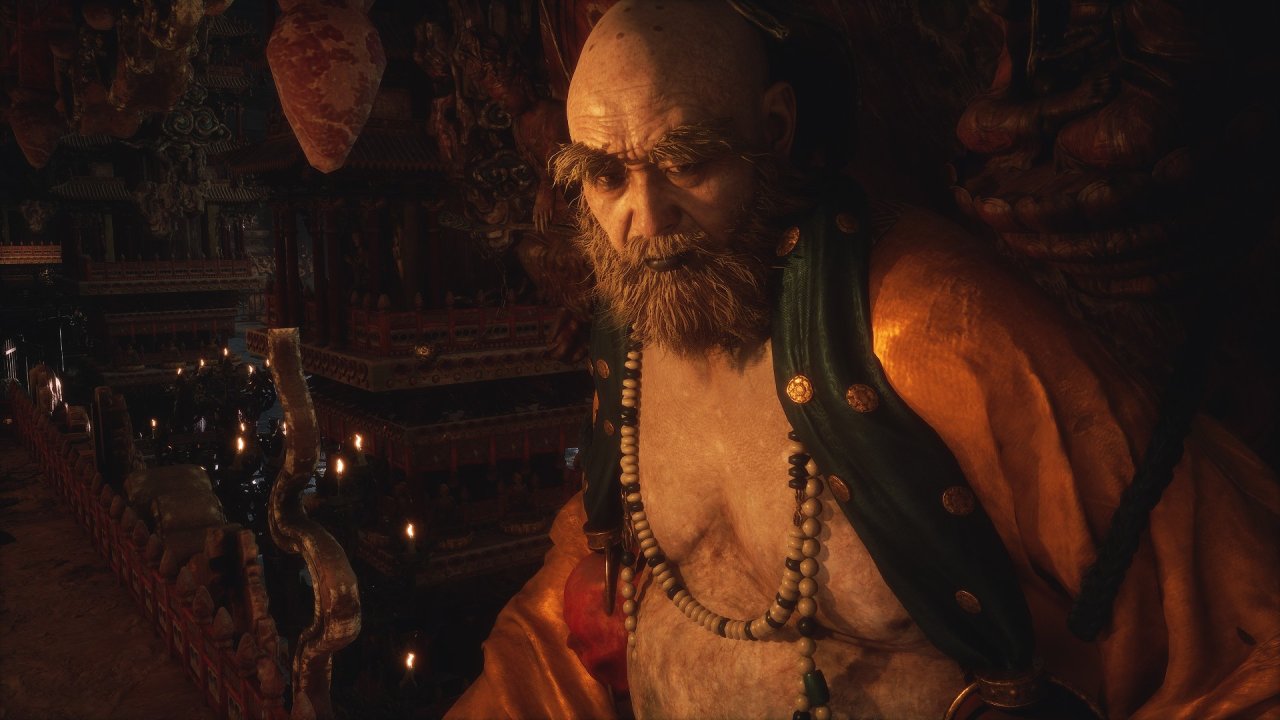
Following closely are an entire slate of action RPGs steeped in Eastern mythology and bristling with modern polish: Phantom Blade Zero, AI Limit, Tides of Annihilation, Lost Soul Aside, Wu Chang: Fallen Feathers, and Echoes of Yayi. Each project brings its own distinct identity while tapping into a shared cultural wellspring of folklore, mysticism, and operatic drama.
Take Lost Soul Aside, for example. Once a one-man fan project inspired by Final Fantasy XV and Devil May Cry, it has since evolved into a full-fledged AAA production over more than 15 years. Its release will ride the momentum that Wukong unleashed, but its roots reach deep into China's quiet, persistent ambition.
It's no longer a question of "if" Chinese developers can compete—it's how quickly they'll overtake expectations.
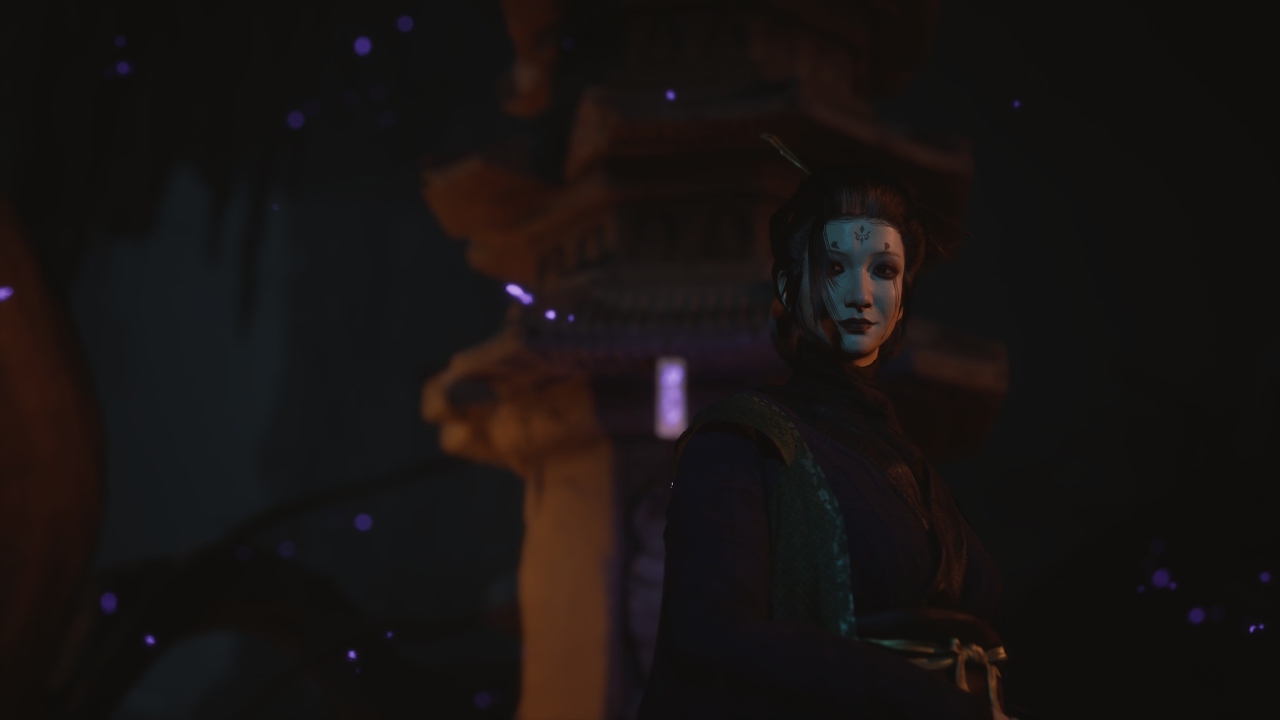
What's especially compelling is how China's studios are blending native cultural richness with global appeal. Wu Chang: Fallen Feathers infuses the Soulslike genre with eerie Chinese mythology, haunting visuals, and thematic weight that feels ancient yet entirely fresh. Meanwhile, Phantom Blade Zero fuses kinetic Devil May Cry-style combat with interconnected Dark Souls-inspired worlds, wrapped in a brooding aesthetic that nods subtly to Resident Evil.
These aren't derivative works—they're evolutions. Genre mashups that make sense. Narratives that feel local but scale globally.
Why the sudden acceleration? A confluence of factors. Studios now have access to massive funding from giants like Tencent and NetEase, alongside infrastructure support from programs like Sony's China Hero Project. And with Wukong proving that 30 million units sold in six months is achievable—not just a dream—the risk calculus has changed. Publishers aren't just cautiously optimistic anymore. They're all in.
Ari Chen, head of Eclipse Globe Games (the studio behind Tides of Annihilation), captured the mood succinctly. His team, which includes developers from Assassin's Creed and Yakuza, had the expertise to build a AAA title long before Wukong landed. What they lacked was validation. Now, they have it. And so does every other rising Chinese studio.
It helps that the Chinese government is also on board. For Phantom Blade Zero, developers received official funding support for using 3D scans of real ancient Chinese architecture—part of a broader push to champion soft power through cultural exports. This is no longer just about games. It's about global storytelling, national identity, and digital legacy.
And while it may seem risky to cluster around the action RPG genre, that choice isn't arbitrary. Chinese mythology naturally lends itself to Soulslike structure—dreadful creatures born of superstition and symbolism, crumbling ruins haunted by metaphysical unease, and layers of lore designed to be unraveled. The aesthetic is already there. The narrative depth? Baked in.
But it's more than just storytelling. Chinese studios are leading a quiet design rebellion against the modern Western model of live service saturation and monetization bloat. They're embracing single-player adventures again—crafted experiences with beginnings, middles, and ends. No perpetual grind. No battle passes. Just high-caliber immersion.
Soulframe Lang, the creative mind behind Phantom Blade Zero, made the point plainly. With single-player games, players finish, reflect, and move on—with a sense of completion and clarity. And here's the twist: the success of one title actually feeds interest in the next. Not cannibalization—acceleration.
And that acceleration is being noticed. Sony, once synonymous with Western powerhouses like Naughty Dog and Guerrilla Games, is shifting weight. It cut about 900 PlayStation jobs around the world in February 2024, closing London Studio and lowering the size of teams at Insomniac and Media Molecule. In contrast, it's doubling down on Asia. The China Hero Project, India Hero Project, and Amina Hero Project are nurturing regional devs with publishing, QA, and marketing muscle. The message is clear: Asia is the new frontier.
There's more. Sony recently invested $318 million in Kadokawa, the parent company of FromSoftware, the studio behind Elden Ring and Dark Souls. Though not a full acquisition, it gave Sony a 10% stake, the largest of any outside investor. Pair that with a $460,000 stake in Bandai Namco—home to Gundam, Dragon Ball, and Sword Art Online—and a strategic pattern emerges. This isn't just a bet. It's a multi-layered campaign to control the pipeline of anime, manga, and gaming IP for decades to come.
Why? Because the global demand for these narratives is exploding. And Chinese, Japanese, and Korean studios are delivering what players are clearly craving: visually striking characters, tactile combat, and unapologetic fun. Stellar Blade, Honkai: Star Rail, and Tekken 8—these games put style and speed ahead of cynicism and checklists. They aren't embarrassed by their fantasy. They don't hedge with irony. They lean into power, aspiration, and spectacle.
Meanwhile, much of the Western market continues to wrestle with creative paralysis. Endless reboots. Exhausting monetization schemes. Characters engineered by focus groups and dulled by endless PR reviews. The result? Titles that aim to offend no one but thrill no one either.
It's not just about aesthetics. It's also about pace. Eastern studios iterate faster. They build engines, then refine them. Monster Hunter. Persona. Tekken. They evolve. They don't start over. FromSoftware reuses its tech across titles and reinvests in polish. That's how they release landmark titles every 2–3 years while Western studios struggle to push out one game every six.
But it comes with a price. Crunch culture in the East isn't gone—it's normalized. While Western studios face mounting pressure to unionize and reform (and rightly so), many Asian teams still operate under 12-hour days and 6-day weeks. Overwork is culturally entrenched. Courts have started to push back, but the habits remain deeply woven into studio life.
Yet even in this tension, something profound is happening. China, South Korea, and Japan are becoming not just centers of production—but centers of influence.
This isn't a blip. It's a rebalancing. And as global giants like Sony pivot eastward and smaller studios in Chengdu, Seoul, and Tokyo churn out dazzling, responsive titles that connect instantly with audiences—one thing becomes clearer with every passing month:
The future of gaming isn't just being written in English anymore.
It's being written in Mandarin, Korean, and Japanese—on ancient scrolls, next-gen engines, and storyboards steeped in legacy but wired for tomorrow.
Watch closely. The avalanche is already in motion.
Contributor, NoobFeed
Latest Articles
No Data.