
Going Medieval Guide | How to Build Fortress
Here's a guide on how to build fortress in Going Medieval.
Game Guide by Rubaiyat Shihab on Apr 05, 2026
Going Medieval gives you a lot of room to build, with a multi-layer system that lets you go above ground, below it, and into the sides of cliffs. Getting comfortable with it takes a little time, but these tips will help you build something that works and holds up as your settlement grows.
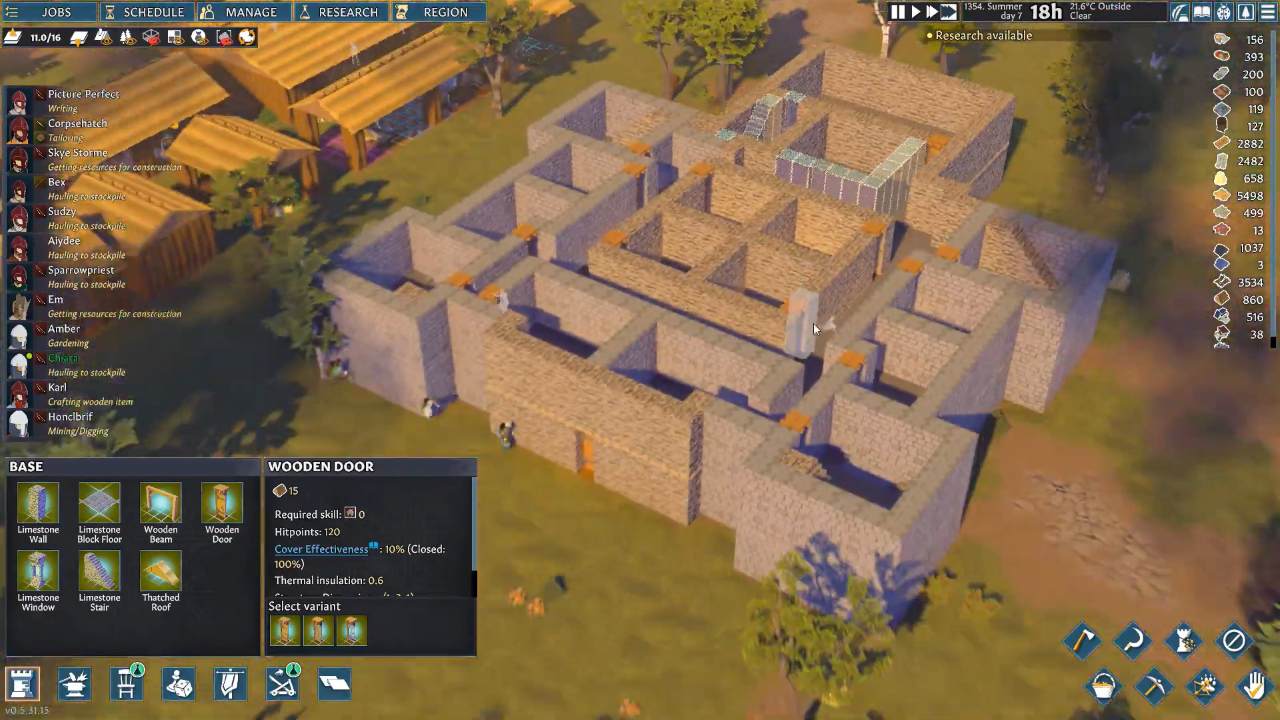
1. Let The Settlement Grow On Its Own
You don't need a detailed plan from the start. Going Medieval naturally pushes you toward a fortified layout as the game goes on. You won't have access to every building material right away, so your settlement will develop in stages as you unlock new things through research and experience. Wooden structures come first, then stone, and your production areas will need expanding as you move into iron weapons and armor. Planning ahead is fine, but the shape of your village tends to work itself out as you play.
2. Prioritize Defense Early
Raids happen. The first few won't involve many attackers, but as your settlement gets bigger and your regional influence grows, the groups that come after you get larger too. Getting a wooden perimeter wall up early gives you a sense of how much space your village takes up and how much room you have to expand into.
One thing a lot of new players get wrong: Merlons are not walls. They sit on top of walls and give archers cover to shoot from. Enemies walk straight through them. Build actual walls first, then add Merlons on top.
3. Build A Cellar Before Summer
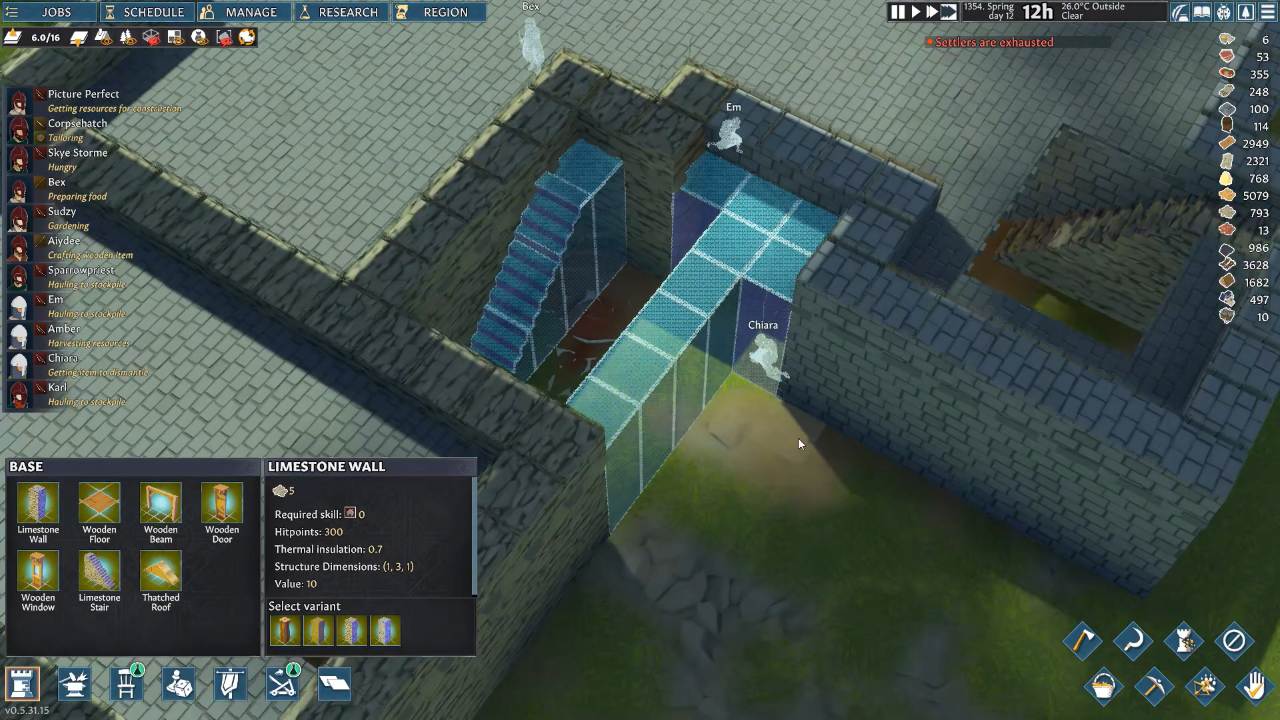
Food starts to go bad during summer, even if it's stored in a shed. Underground storage is the only way to keep it from rotting. To build a basic Cellar, assign a settler a mining task and have them dig a 6x6 hole in the ground. Put a Staircase leading down into it, lay wooden flooring at the bottom, and place a Stockpile down there. Right-click the Stockpile and set it to accept food only. Then cover the top of the pit with wooden flooring. That's your first Cellar done.
Navigating the underground layers takes a little getting used to. Use Z and X on your keyboard to move between levels as you build.
4. Windows Are More Than Decoration
Windows in Going Medieval actually do something. Keep them shut during winter to hold heat in, and open them in summer to stop your settlers from picking up the Sweaty debuff. Instead of clicking each window one at a time, double-click any window on a building and you'll get a menu that lets you open or close all windows on that layer at once.
5. Wood Floors Speed Up Your Settlers
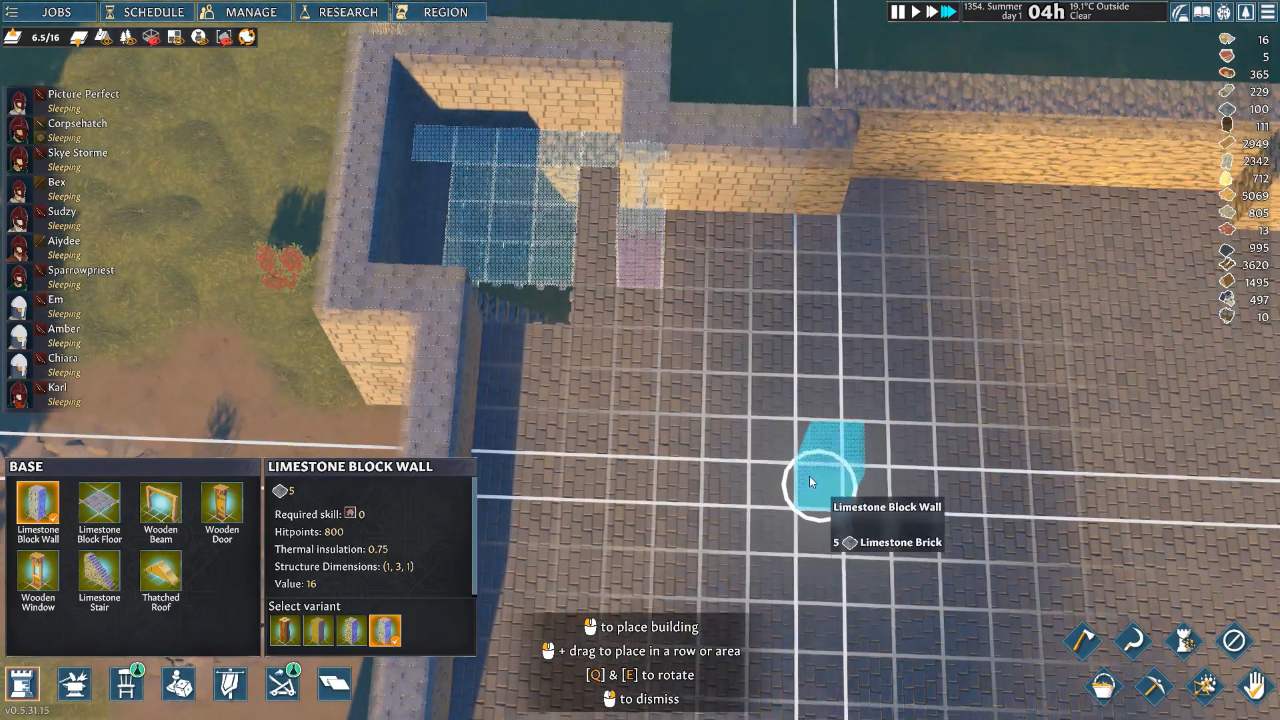
Placing wooden flooring around your settlement makes your settlers move a little faster while they go about their tasks. It adds up over time, especially as your village gets bigger and settlers are walking longer distances. Connect buildings with wood paths, run them between your farms, and you can even extend them out toward tree clusters or surface clay deposits. Wood isn't unlimited though, so it's worth finishing your main buildings before spending too much of it on paths.
6. Beams Can Go Outside Too
Beams are mainly used to support large rooms and upper floors, but the game lets you place them anywhere, including outside. If you have two outbuildings close to each other, you can run Beams between their exterior walls to create a small covered walkway. It doesn't do much from a practical standpoint, but it adds to the look of the settlement.
7. Use The Room Overlay To Check Room Quality
In the top left of the screen, there are several overlay options and a layer counter. Hover over the colored tab and you'll see all the rooms in your settlement displayed by type and color. Different colors tell you whether a space is a Spare Room, a Shared Bedroom, or something else.
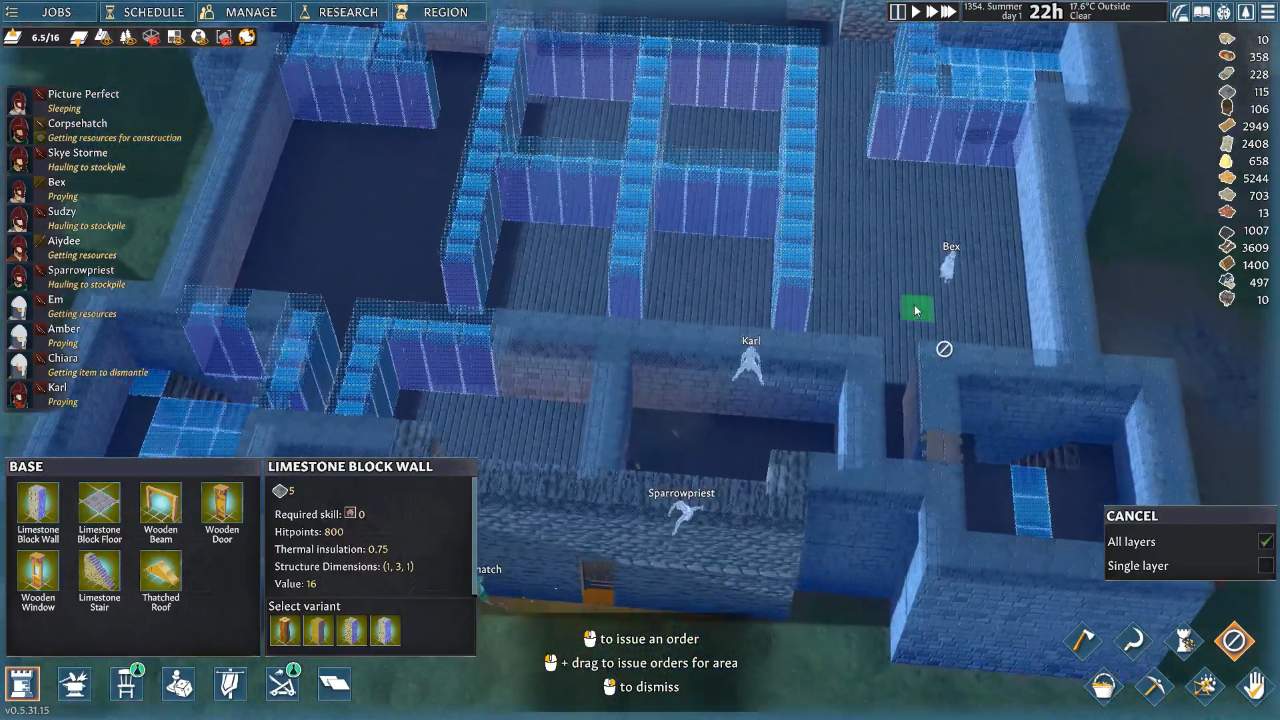
The overlay also shows the rating of each room. Things like temperature, furniture quality, floor type, and decorations all feed into that rating. When settlers spend time in a room — sleeping, eating, or praying — a higher-rated room gives them a mood boost. Keeping an eye on room ratings helps you understand where your settlers are struggling and what needs improving.
Also, check our Going Medieval Review and other guides below:
- Going Medieval Beginner's Guide | Gameplay Tips & Tricks
- Going Medieval Guide | How to Raise Animals
- Going Medieval Guide | How to Build Underground
- Going Medieval Guide | How to Build Walls
- Going Medieval Guide | How to Mine
- Going Medieval Guide | How to Build Mineshaft
- Going Medieval Guide | How to Remove Villagers Chain
Editor, NoobFeed
Latest Articles
No Data.