
Intel and AMD Prepare Next-Gen CPU Battle with Massive Core and Clock Boosts
Rising core counts, higher clocks, and stronger integrated graphics redefine expectations for next-gen systems.
Hardware by Tanvir Kabbo on Feb 25, 2026
The desktop CPU industry is about to change significantly, as both Intel and AMD are preparing major architectural updates.
Intel's 12th-generation CPUs were the first to use a hybrid big-little design, which combines performance and efficiency cores on the same chip. The idea was to find a balance between great performance and low power use.
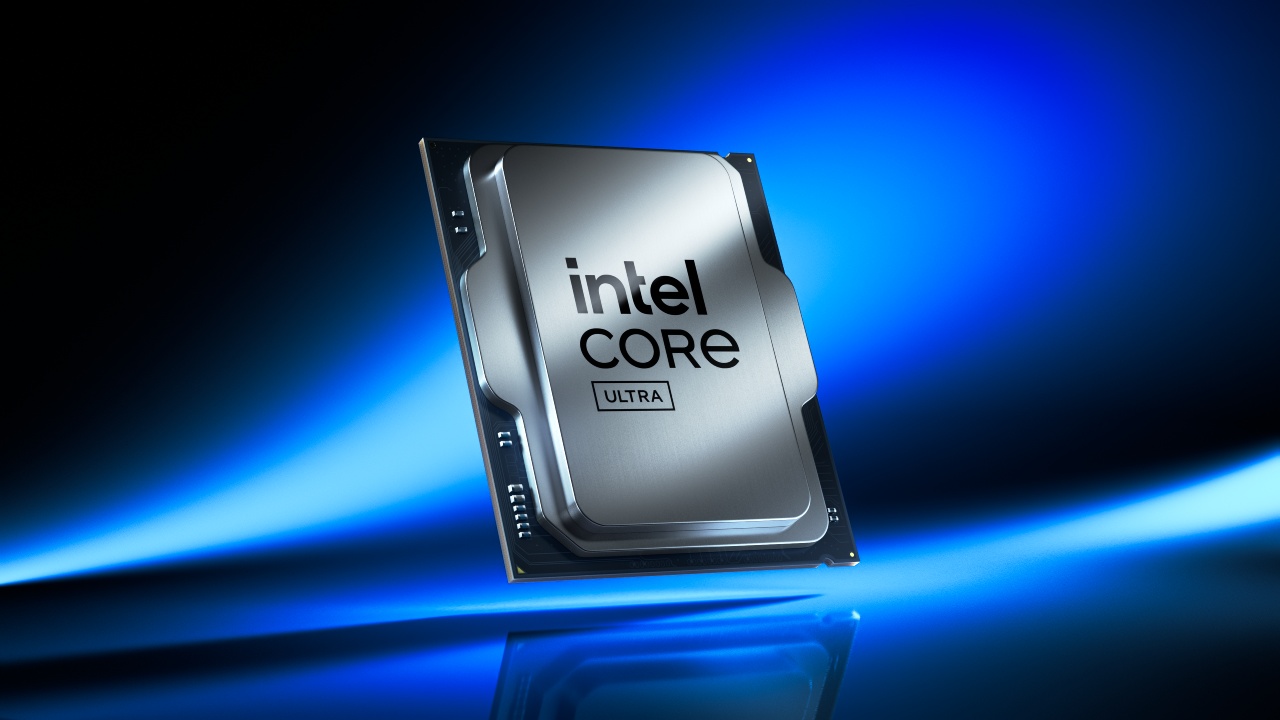
Intel's Hybrid Design and Thread Director
Intel built Thread Director, a machine learning-based scheduler that helps distribute jobs to the right cores, to manage this hybrid architecture. The method is new, but it has made things more complicated. Scheduling software, ensuring it works across different operating systems, and optimizing workloads all require careful planning.
There are rumors about a Unified Core Architecture. Intel may be aiming to shift toward a unified core design, according to new research. A recent job posting mentioned a unified core design team, which backs up earlier rumors that Intel would abandon the split-core model. If this is accurate, Thread Director would no longer be needed, and scheduling would be much easier.
What Could Unified Core Really Mean?
There are several ways to understand what a unified core could mean. One report says that Intel might get rid of performance cores altogether and improve efficiency cores so that they can handle all tasks. Another idea comes from a patent describing a software-defined super core in which several cores work together to act as ultra-wide execution resources.
No matter how it is done, the possibility of change means the CPU design philosophy needs to be completely rethought.
AMD's Next-Gen Ryzen Push
AMD is also preparing for a major upgrade to the next generation of Ryzen. Leaks suggest that the number of cores could go up to 24, along with faster clock rates and a new manufacturing node. These modifications could be AMD's largest step forward in desktop computers in years.
There are rumors that Intel is working on Nova Lake, which might have up to 52 cores and its own version of X3D-style cache improvements.
CES 2027 Could Be a Big Change
Reports say that both firms are planning big announcements for CES 2027, which will make January 2027 a very competitive time. If the timeframes hold, the next product cycle might change what people expect from desktop performance in a lot of different areas.
AMD's Growing Interest in APUs
AMD is also making smart efforts in the APU market. The Ryzen AI 300 series never made it to desktop computers, but it has been confirmed that the next generation of Ryzen 400 series APUs is on the road.
Based on Zen 5, marketing brochures say that configurations can have up to 12 cores and 24 threads, with boost speeds of up to 5.2 GHz.
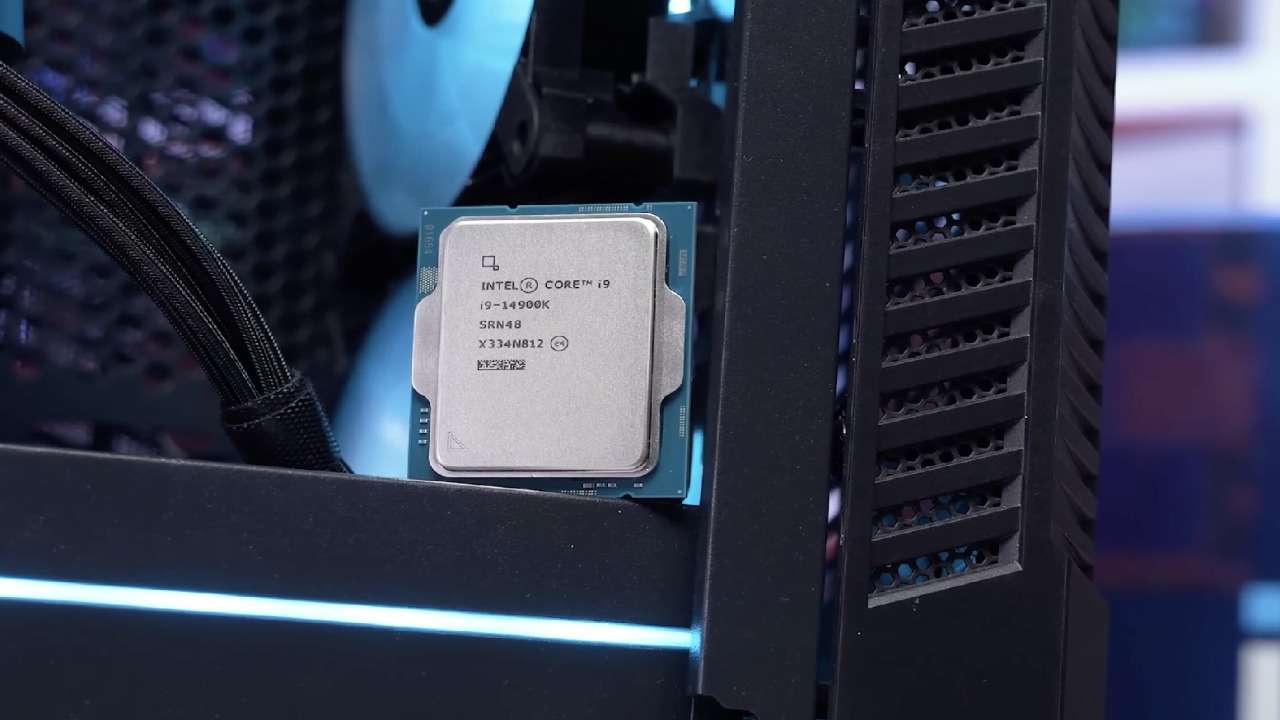
Integrated Graphics Make Progress
The biggest improvement is in how well the integrated visuals work. The iGPU is said to boost the number of compute units from 12 to 16, which is a 33% increase.
For people who are having trouble with high discrete GPU pricing, powerful APUs offer a good gaming solution that doesn't require them to buy a separate graphics card right away.
Transformative Period Ahead
Intel's change in architecture and AMD's aggressive updates to its CPUs and APUs are signs that big changes are coming. The limits on performance are getting higher, the number of cores is growing, and integrated graphics are getting better and better.
The desktop market in 2027 could be very different from what it is now, and the fight between these two big companies is getting stronger.
Also, check our other hardware articles:
- AMD Ryzen 9 9950X3D Review: Setting The Standard For 2025 Gaming CPU
- Amazon Luna 2025 Review: Is Prime Gaming's Cloud Service Your Go-To For Casual Fun?
- AMD RX 9070 XT Review: AMD's RDNA 4 Champion for 1440p Gaming
- GeForce Now Ultimate: Ditching Your Gaming PC For Cloud RTX 4080 Power?
- NVIDIA GeForce RTX 5080 Review (2025): Still A 4K Gaming Powerhouse?
- Intel Core Ultra 9 285K Review And Performance Breakdown (2025)
- AMD Ryzen 7 9800X3D Review: 3D V-Cache Goes God Mode with Stunning Gaming Performance
- Intel Core Ultra 9 285K vs AMD Ryzen 7 9800X3D: In-Depth Gaming Performance and Benchmark Comparison
- NVIDIA GeForce RTX 5080 Super Performance In Cyberpunk 2077: Path Tracing & DLSS 4.0 Tested
- AMD Radeon RX 9070 XT In Cyberpunk 2077: Ray Tracing & FSR 4.0 Tested
- Intel Arc B580 Review: The $250 GPU Revolutionizing 1440p Gaming
- Intel Arc B570 Vs. B580: Value, Specs, And Real-World Gaming Performance
- RTX 5090 Laptop Vs. M4 Max MacBook Pro: Ultimate Raw Performance Vs. Battery Endurance
- Intel Arc b580 Vs. RTX 4060: Game Performance And Value Analysis
- RTX5090 Hell Is Us Demo 4K Ultra Benchmark: DLSS Vs. Native Performance Guide
- NVIDIA RTX 5070 Review: Mid-Range Muscle or Marketing Hype?
- Nintendo Switch 2 Review: Handheld Performance, Features & Value Breakdown
- RTX 5070 Ti Review: Performance, Thermals & Power Efficiency Tested
- Samsung Odyssey OLED G81SF Review 2025: Ultimate 32-Inch QD-OLED Gaming Monitor
- AMD RX 9070 Performance Review: Thermals, Clocks, and Real-World FPS
- AMD Ryzen 5 7600 Review: Best Budget Gaming CPU of 2025?
- AMD Radeon RX 7800 XT Review: RDNA 3 Power For Midrange Gaming
- Asus ROG RTX 5090 Astral OC Vs. Founders Edition: The 4K Gaming Benchmark
Senior Editor, NoobFeed
Gaming Hardware Updates
No Data.