
RTX 5080 Review: How it Stacks up Against the 4080 Super, 4090, and 5090
RTX 5080 balances powerful 4K gaming performance, improved efficiency, and next-generation memory bandwidth in NVIDIA's Blackwell lineup.
Hardware by Tanvir Kabbo on Sep 08, 2025
NVIDIA's GeForce RTX 5080 marks the newest entry in the Blackwell lineup, positioned as the more accessible high-end alternative to the ultra-premium RTX 5090. It is designed to carry forward the mantle of 4K gaming performance, offering significant improvements over the RTX 4080 Super while still competing closely with the formidable RTX 4090.
The launch raises one central question: how well does the 5080 balance performance, efficiency, and value in the current generation of graphics cards?
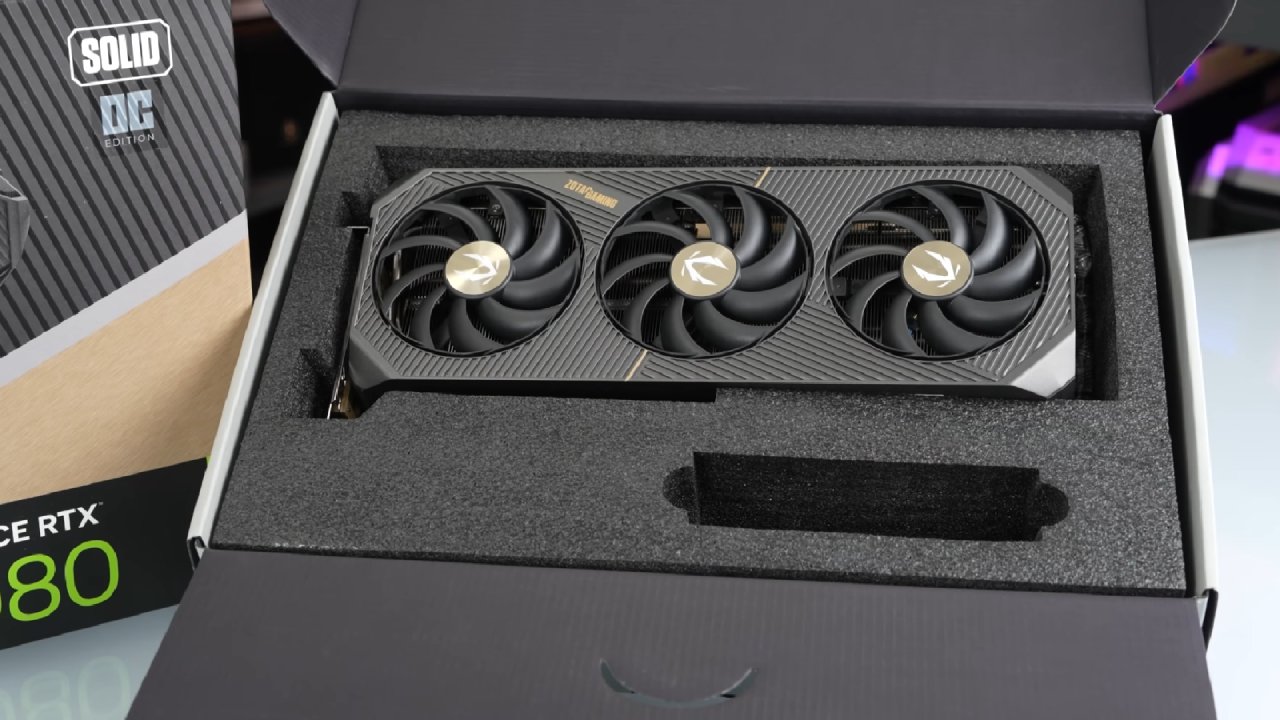
Specs and Architecture
The RTX 5080 is built on the GB203 GPU die, a scaled-down version of the GB202 powering the RTX 5090. While it shares the same TSMC 4nm manufacturing process as the Ada Lovelace generation, several key refinements make it stand apart.
The card carries a 360W power draw, slightly higher than the 320W of the RTX 4080 Super, but introduces 16GB of GDDR7 memory with a bandwidth of 960 GB/s.
This alone gives it a roughly 30% advantage in memory throughput over its predecessor. Clock speeds also see a modest increase, boosting around 200MHz higher than the 4080 Super.
In addition, new features such as FP8 compute and ninth-generation NVENC acceleration ensure the 5080 can handle next-generation gaming and creative workloads with ease.
Performance at 4K
When it comes to gaming performance, the RTX 5080 finds its sweet spot at 4K. Benchmarks place it at about 77% of the RTX 5090's raw output, meaning the flagship remains far ahead with a commanding 56 percent performance lead.
Compared to the RTX 4090, the 5080 generally delivers between 80% and 83% of its performance, leaving the 4090 roughly 20% faster overall.
Against the RTX 4080 Super, the gains are clearer, with the 5080 coming in around 14% to 15% faster on average. These uplifts translate into smooth frame rates that consistently push well above 100 FPS in demanding modern titles at 4K Ultra, especially when paired with DLSS 3.5.
For those still using the RTX 3080, the new card represents a massive leap forward, delivering up to 60 percent more performance compared to the RTX 2080, offering as much as four times the power.
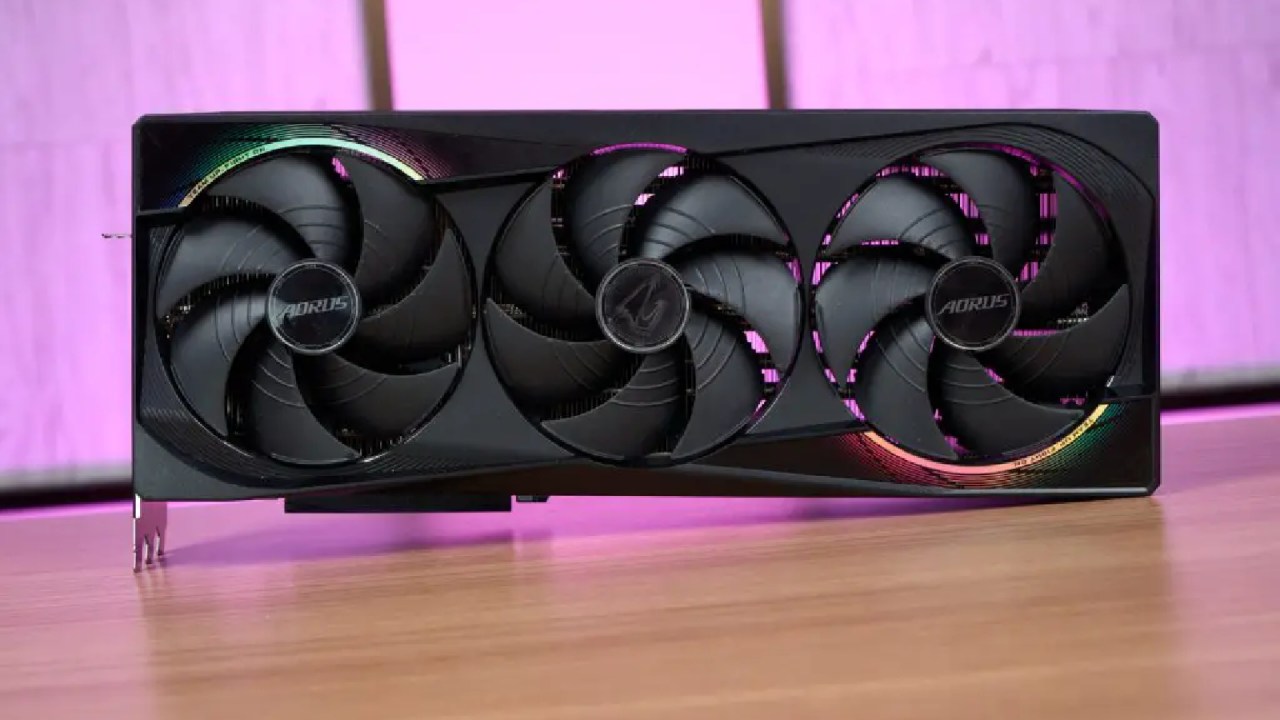
Efficiency and Thermals
Despite drawing more power than the RTX 4080 Super, the RTX 5080 achieves impressive efficiency thanks to its architectural refinements and GDDR7 memory.
In practice, it lands close to the RTX 4090 in terms of performance-per-watt, while noticeably surpassing the 4080 Super.
Thermal performance remains well within expectations, with most high-end air and liquid cooling solutions easily keeping temperatures under control.
Nonetheless, the card does undergo power spikes, so it is recommended to use it with a robust power supply that has a rating of at least 850 watts.
The Value Perspective
RTX 5080's true excellence lies in its placement within the product stack. It is significantly cheaper than the RTX 5090 while still delivering around three-quarters of its performance, and it outpaces the RTX 4080 Super enough to make the generational jump feel worthwhile.
The RTX 4090, however, complicates the picture. For gamers, the 5080 comes close enough to make the flagship's premium difficult to justify, but for creators and professionals who demand extreme compute power and larger VRAM pools, the 4090 remains the better long-term investment.
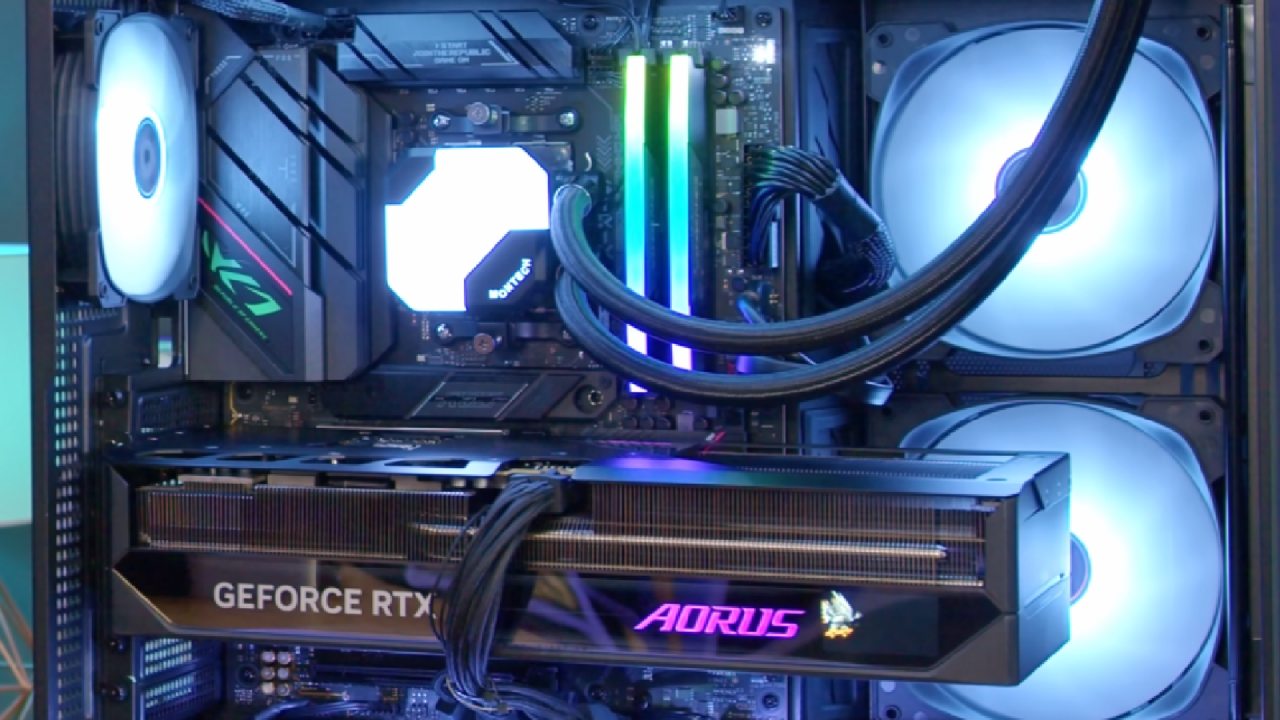
Final Thoughts
RTX 5080 emerges as the appropriate successor to the RTX 4080 Super, offering high-end gamers a card that balances performance and cost while keeping the future-proofing features of the Blackwell generation.
While it cannot match the brute force of the RTX 4090 or the unprecedented ceiling of the RTX 5090, it defines itself as the ideal choice for enthusiasts who want reliable 4K performance without paying flagship premiums.
For players upgrading from the RTX 20-series or 30-series, it represents one of the most compelling leaps in recent years.
Ultimately, the RTX 5080 cements itself as the 4K gaming GPU of choice for the majority of enthusiasts, striking the best balance between next-generation features, efficiency, and affordability.
Check Our Other NVIDIA Articles:
- GeForce RTX 5090 Unleashed: Is NVIDIA's New Flagship the Ultimate 4K Gaming GPU?
- NVIDIA GeForce RTX 5080 Review (2025): Still A 4K Gaming Powerhouse?
- RTX 5090 Performance Testing In GTA 5 – 1080p, 1440p, and 4K Max Settings Benchmark
- RTX 5090 Laptop Vs. M4 Max MacBook Pro: Ultimate Raw Performance Vs. Battery Endurance
- NVIDIA RTX 5070 Review: Mid-Range Muscle or Marketing Hype?
- RTX 5070 Ti Review: Performance, Thermals & Power Efficiency Tested
- Asus ROG RTX 5090 Astral OC Vs. Founders Edition: The 4K Gaming Benchmark
- ASUS ROG Astral RTX 5090 OC Edition Review: 32GB GDDR7 & 4K Gaming Benchmark
- ASUS GeForce RTX 5090 LC Liquid Cooled GPU Review: Unmatched Silence & Speed
- MSI GeForce RTX 5090 32GB SUPRIM SOC Review: Power Efficiency, Cooling, and Gaming Performance
- INNO3D RTX 5060 Ti 16 GB X2 Review: Gaming Benchmarks, Temps, and Power Efficiency
- HP Omen 45L Review: RTX 5090 Performance, Thermals, and Value Analysis
- ASUS TUF Gaming GeForce RTX 5060 Ti Review: DLSS 4, Power Efficiency, and Gaming
- ASUS Prime RTX 5060 Ti OC 16GB Review: DLSS 4, Ray Tracing, & Thermals Tested
- NVIDIA GeForce RTX 5060 Review: Specs, Gaming, and Cost per Frame
- MSI GeForce RTX 5090 GAMING TRIO OC Review: A Monster Power GPU
Senior Editor, NoobFeed
Gaming Hardware Updates
No Data.