
Blue Archive Review
PC
Blue Archive: guns, gacha, and surprisingly great storytelling.
Reviewed by Maisie Scott on Sep 12, 2025
Blue Archive is one of those games that didn't get much attention when it came out in 2021. It was developed by Nexon Games, formerly known as NAT Games, which is now a subsidiary of Nexon. A lot of people, including myself, thought it was just another gacha game with anime girls holding guns that were too big for their bodies.
But it's made a very special place for itself over the years. Other gacha games are more focused on competitive meta or high-end technical complexity. Blue Archive, on the other hand, focused on something different: an emotional story centered around characters and a fun, surprisingly good community.
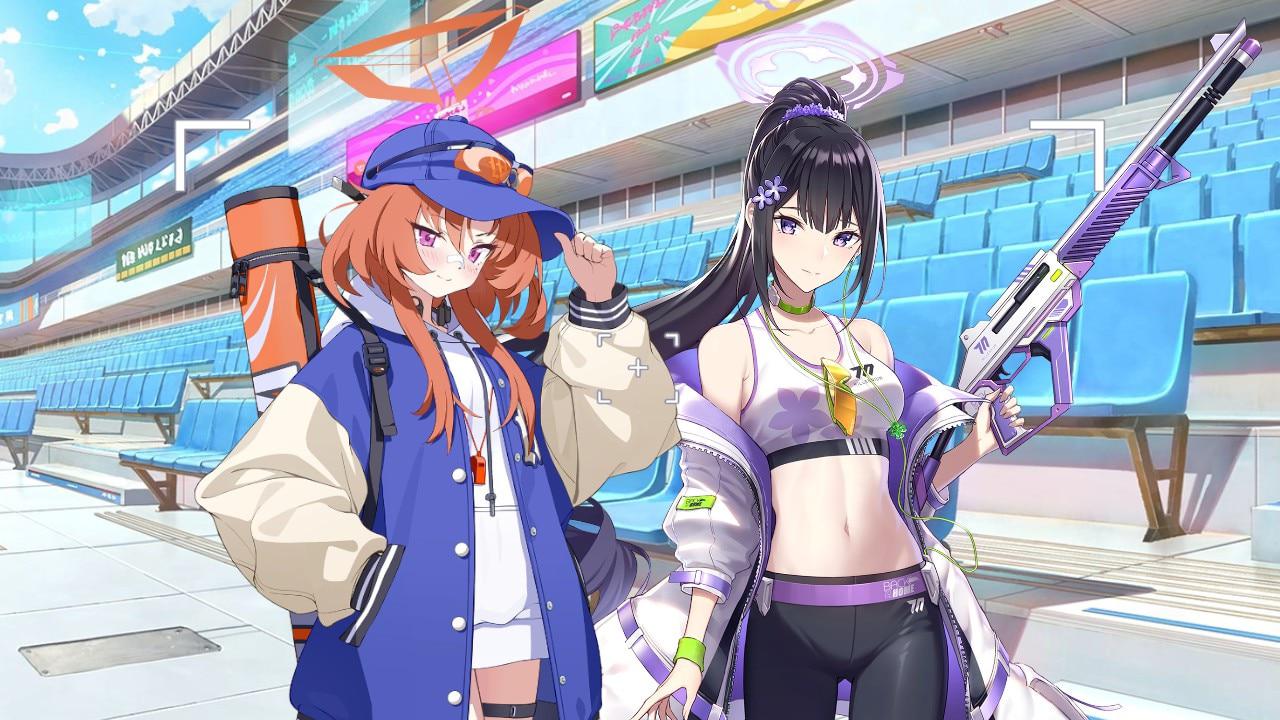
Blue Archive didn't always look like it would work out. Nexon has had some hits and misses in the mobile space, and Blue Archive seemed like it would be a niche project for anime fans. But Blue Archive slowly gained popularity, thanks in large part to its story, likeable characters, and fun gift system.
It also has a fan base that doesn't see it as tough competition, but rather as a friendly gathering where everyone shares fan art, memes, and breakdowns of their favorite students. Nexon released a PC port for Blue Archive after it had already become known as one of the most unique gacha games available.
The story is, without a doubt, Blue Archive's best feature. At first glance, it looks like a visual novel. The main character, Sensei, is the protector and teacher of all the schools in Kivotos, a vast city-state where various academies oversee different areas.
There are certain aspects that are unique to each school. For example, Millennium Science School is full of tech geniuses, Gehenna Academy is a hot mess, and Trinity General School is proper with religious themes. After the President of the General Student Council goes missing, Sensei is thrown into this world and told to keep order in a city where teenage girls use heavy weapons to solve issues.
The story is more than just cute girls with guns, though. Blue Archive has emotional moments that come as a surprise. You can get to know each student better through the bond episodes, which show you some of their fears, traumas, or silly dreams.
Some stories are funny and hilarious, while others are very sad. The game has breakdowns, plots, betrayals, and heart-to-heart moments that happen when you least expect them. They feel more real than most gacha stories.
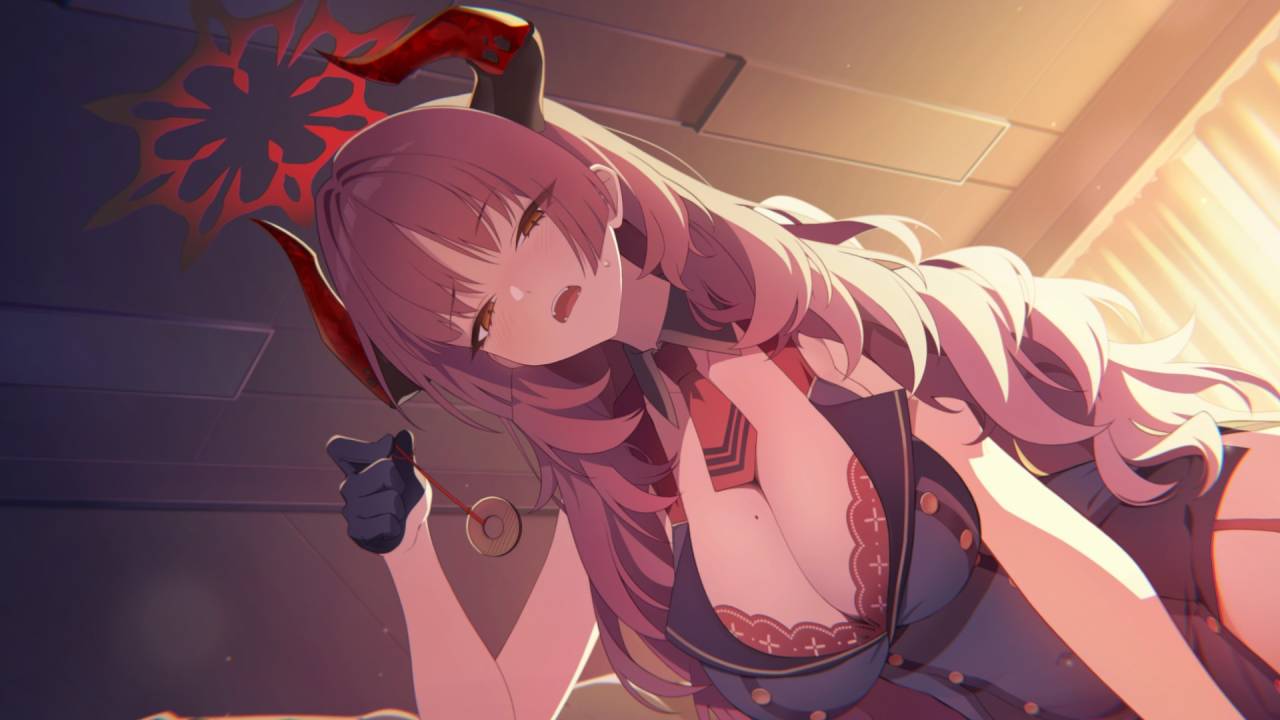
In the main story, we meet a mysterious group of adults and learn about the scary False Sanctums, which are structures that warn of end-of-the-world threats coming to Kivotos. Things get much more dangerous as Sensei and the students fight monsters, undead animals, and political chaos.
But even though there is a cosmic threat, the game always comes back to its main idea: the duty to help young people deal with their worries, hopes, and fears. You're not just a nameless boss; you're a trusted teacher whose job it is to be there for the kids when no one else is.
The story of Blue Archive is unique because it combines both silly cartoon comedy and emotionally charged, real-life writing. One of the most emotional and bittersweet experiences the gacha space has ever seen. It's not just a loli shooter, as some fans might call it.
Compared to more complex strategy games like Arknights, Blue Archive is easier to play. You put together a group of six students: four are strikers, who are your main fighters, and two are special roles, which are support units that heal, buff, or fire heavily. The people on the team are important, but the rules are easy enough that even newbies can quickly understand them.
Combats unfold in real time, and your students will automatically fire enemies while you control their EX skills. It's crucial to employ each EX skill at the proper time, whether you're dropping a bomb, healing your team, or firing a powerful sniper shot. Each skill costs points from a shared pool.
There are more tactical choices to make because of where your units are placed, how cover works, and class benefits like damage types like explosive, piercing, or mystic. Besides battles, the game has different modes, such as Grand Assault and Total Assault, which are like raids with huge monsters like Big Chicken and Big Snake. There are more rules in Total Assault because you can only use certain classes.

Tactical Challenge is the PvP mode where you play against real people or teams run by AI. It feels too heavy on RNG, though, and most people see it as a job rather than a highlight. Joint Firing Drill has some crazy challenge modes with changes that make the game more interesting.
Final Restriction is one of the real ending content that gives you upgrade materials instead of premium currency. The events change about every two weeks, and there are story parts and stages that give resources. New limited characters are often presented at these events, which keeps things interesting.
Blue Archive is probably not the game for you if you want deep and difficult fighting. Blue Archive's fights can feel simple when compared to Arknights' tower defense or GFL2's tactical depth. You mostly just watch your characters auto-fire while tapping EX skills now and then. It's not really bad; it's just not very heavy.
The good thing about this style is that it's easy to use. You don't have to spend hours learning how it works. Don't worry too much about getting perfect. Just enjoy the story and clear stages as you please. In Total Assault, boss fights and raids are where the game really tests how well you can coordinate time, positioning, and teamwork with your EX skills.
That's where Blue Archive shines a little stronger, giving you times when you need to think instead of scrolling. On the other hand, a lot of the gameplay gets old after a while of seeing a few fights. This flaw is most obvious in the tactical Challenge (PvP), where games often come down to luck or raw force instead of strategy.
.jpg)
If you care most about how the game plays, Blue Archive won't surprise you. But if you think of it as a way to tell a story and bring characters closer together, it works fine. Blue Archive is a gacha game that focuses on farming. AP, the main energy currency, is spent on stages to get materials that raise a student's level, improve their skills, or open new gear.
There is some grind, but compared to many of its competitors, this game seems pretty easy. A lot of pyroxenes (the premium currency) are given out as prizes for events, raids, and maintenance. This makes it easier to save up for limited banners without incurring a significant expense. It takes 200 pulls (24,000 pyroxenes) to spark a character, which sounds like a lot but isn't in the world of gacha.
You'll slowly fill up your stash with free tickets, raid prizes, and event bonuses. It takes a lot of time to grind for student upgrades, but the game keeps things going with new material and events all the time. In some games, not having a meta unit can be very frustrating.
But in Blue Archive, the community focuses on supporting the people you like rather than the best, which makes progressing less stressful. The graphics in Blue Archive are just the right amount of cute and simple. The battle models are clear, bright, and easy to spot, but the character art and bond story images really stand out.
Designers at Nexon have given each student their own personality through their art, like Hoshino's sleepy smile, the Train Twins' wild energy, or Mari's endless sweaty track themes.
.jpg)
The café system, which lets you make your own area and talk to your students, adds to the charm. You could rotate the café to get a better look at how it's decorated, but even so, it's a cozy spot that fits with the character-driven focus of the game.
When played on a PC, the graphics look great, but the user interface could use some work. The crafting choices are too far apart, and the settings for formations don't really matter. Still, the look is polished, and even though the models are simple, the movements are very expressive and give the game a lot of personality.
Another great thing is the music. Blue Archive features a mix of upbeat computer tracks, melancholic piano pieces, and humorous jingles that complement the story's mood and events. The tracks for raids and boss fights are more exciting, while the tracks for the café are calmer.
Japanese seiyuu bring each student to life through their voices, which is also very good. Because of these performances, story scenes have real emotional weight, and even silly lines in MomoTalk (the in-game texting app) feel real because of how the actors say them. The battle sound design isn't anything new, but the EX skill noises and gunfire are loud enough to keep fights interesting.
Blue Archive is an interesting mix of opposites. The gameplay isn't as deep or exciting as it is in some other gacha games. But the plot, people, art, and community make it one of a kind. It's not about how well the mechanics work; it's about how you get to know the characters and how much fun it is to be among a group of kind people.

If you are tired of gacha games that are crazy about meta units and make fun of you for liking the wrong character? Blue Archive is a nice change of pace. A lot of fan art is being made, the story is very emotional, and Nexon has been surprisingly generous with prizes. More people can now use it, thanks to the availability of a PC driver; however, the user interface still requires some improvement.
Blue Archive might be the best experience gacha, but it's not the best game gacha. This story is heartfelt, funny, and shows that the people you meet along the way are sometimes more valuable than the work itself.
Editor, NoobFeed
Verdict
Blue Archive delivers a unique gacha experience where emotional storytelling, charming characters, and a welcoming community outweigh its shallow combat. If you value narrative and bonds over meta gameplay, this game is a heartwarming, highly enjoyab
85
Related News
No Data.