
Thick As Thieves Review
Xbox Series X|S
A focused stealth game that brings back the tension modern games forgot.
Reviewed by Nusrat Choity on May 24, 2026
These days, spy games don't really go for stealth anymore. The majority of new games let you sneak around for a while before giving you enough tools and skills to easily beat every enemy. The reverse is true for Thick As Thieves. It wants you to stay hidden at all times, and the whole thing is based on the stress of knowing that one mistake could ruin everything.
It's clear that Thief: The Dark Project and Dishonored influenced this game, but it doesn't feel like a straight copy of either. It's more like a mix of deep sim ideas and extraction-style gameplay, all in a small co-op stealth experience. Putting those two things together feels surprisingly new.
Thick As Thieves seems small at first glance. The campaign is short, and there isn't as much material as in bigger stealth games. There are only a few main environments. But the smaller view starts to feel like it was meant to be there after some time with it. The point is not to give you too much information. It's about going through carefully planned missions where every choice counts.
The thing that makes Thick As Thieves work is how true it is to itself. There isn't any extra crap here. There aren't any big skill trees that slow things down. There shouldn't be a huge open world full of repeated filler. It gets back to what it’s good at: good stealth gameplay, cool level design, and tension to keep it fun. That approach generally works well.
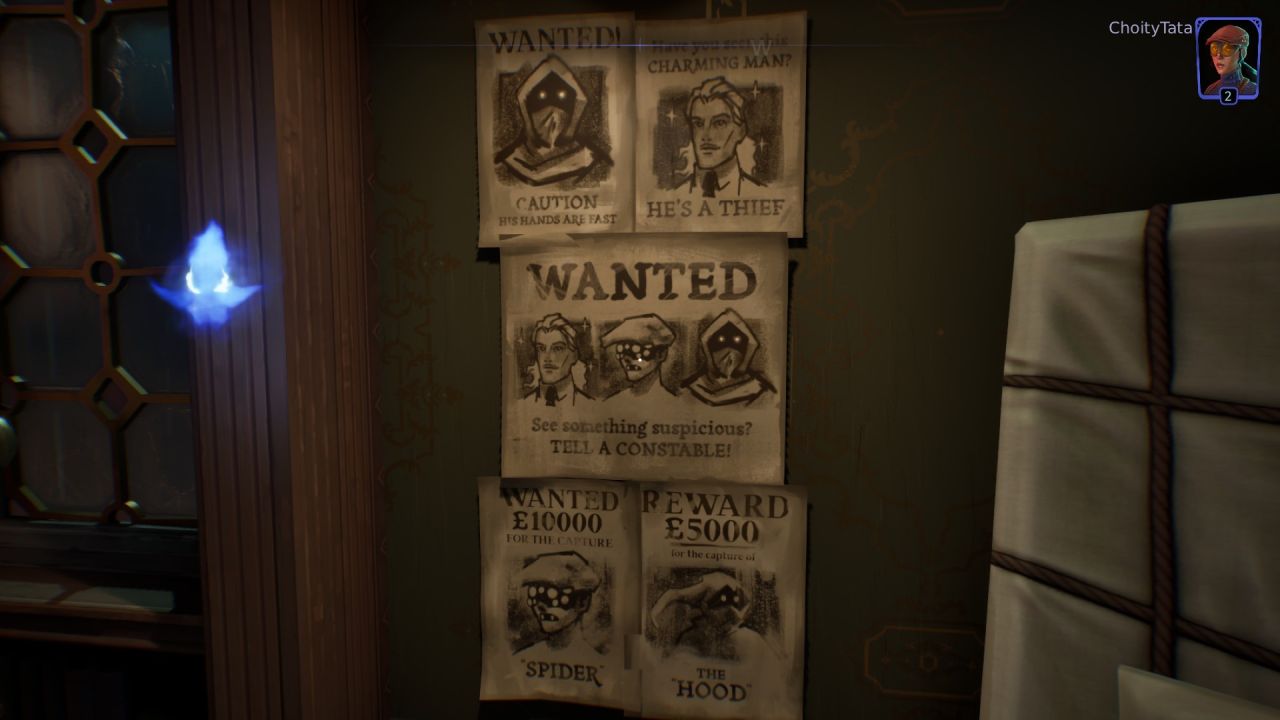
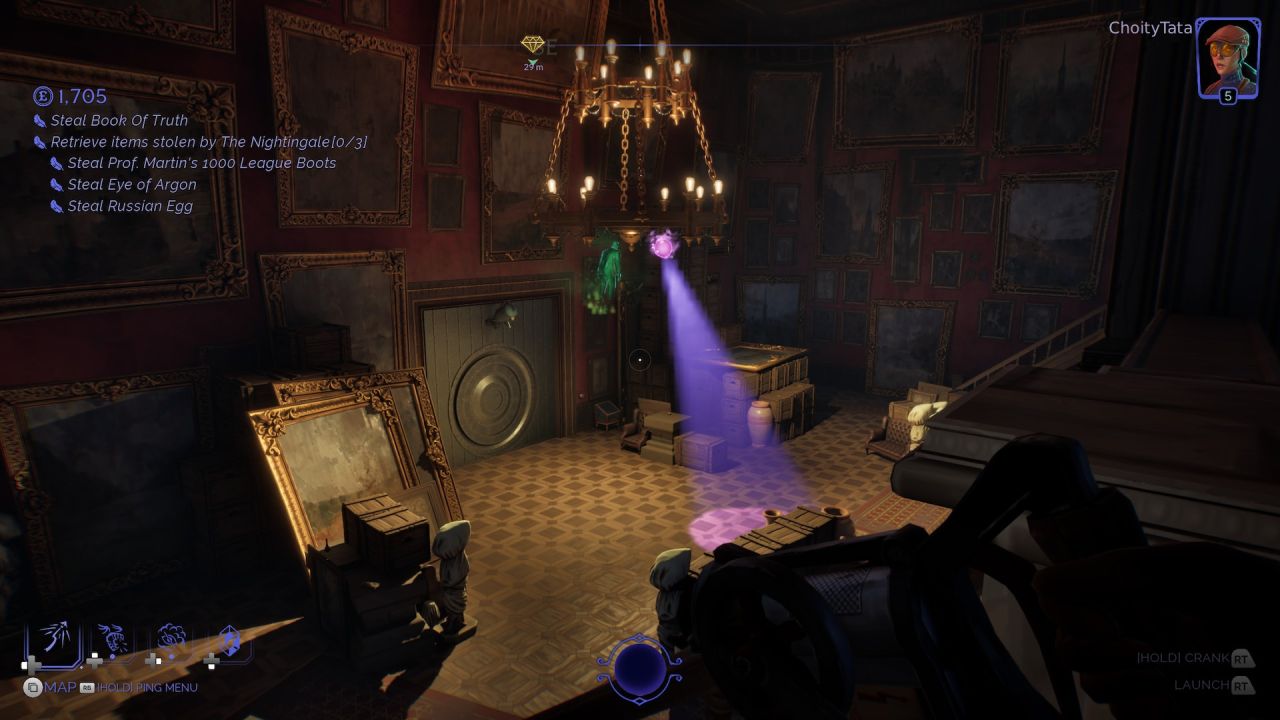
The story is set in a dark, fictional city based in Scotland in the early 1900s that blends magic and machines. It’s one of those places that immediately draws your attention because of how well everything fits together. The world contains haunted guards, mechanical traps, rain-soaked rooftops, and magical objects all working together to create a stylish atmosphere without trying too hard.
You are a professional thief hired by mysterious clients to find valuable artifacts and secret documents in extremely well-guarded places. Early jobs seem rather simple, but as the story progresses, a magical gem linked to larger plots involving secret societies and wealthy families is gradually uncovered.
Throughout the campaign, the story stays pretty light.
Instead of long cutscenes, most of the story happens while you're wandering. As they walk around, guards talk informally, secret notes reveal bits of history, and overheard conversations slowly fill in the blanks about the world. This subtle method works well with the game, keeping things moving smoothly and not getting in the way of stealth play for too long.
The issue is that the story stops short of reaching its full potential. It feels like the world is full of ideas, but the effort is just beginning to scratch the surface. There are hints of broken governments, crime networks, and strange magical technology, but not enough is done to really look into any of it. Thick As Thieves is almost over by the time things really start to feel interesting.
But the world is remembered long after the story is over because of the environment's support.
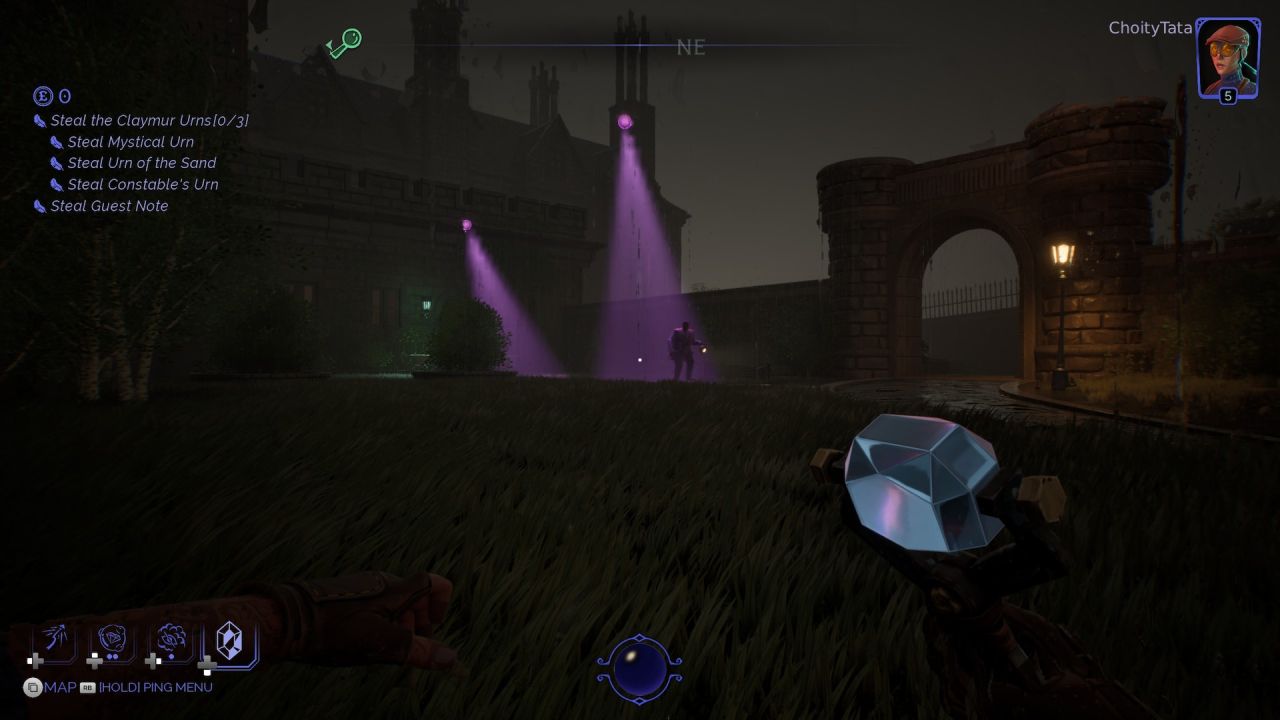
At this point Thick As Thieves really begins to shine. The structure is pretty easy. You go into a guarded area, find your target, steal any goods you can, and then use an extraction point to get away before the guards catch you. But the stress that builds around those goals is what makes the game so fun to play.
You have to be stealthy here. Because fighting is meant to be weak, getting seen almost always causes trouble. Guards are brave, quick, and very aware when you least expect them. Small mistakes can be very costly. Bright areas, noise, leaving doors open, and traps are likely to attract attention.
That constant stress changes how you do each task. You naturally slow down and take in everything around you rather than rushing to reach your goals. Patrol paths are important. Your shadows matter. Noise is important. Thick As Thieves always punishes the careless and praises the patient.
The music and visibility system is one of the best parts of the game.
A stealth indicator tells you how exposed you are based on lighting and movement, and guards change their behavior in response to strange sounds and changes in the surroundings. It feels risky to walk straight down a well-lit hallway, but it feels much safer to crouch down in the dark. In some situations, even footprints can warn enemies, which makes every task even more dangerous.
The tools help people think of new ideas without making things too easy. Smoke bombs can help you get away fast. You can quickly get from one platform or roof to another with climbing tools. If a fairy has magic, she can steal keys, trick guards, or turn on switches from a distance. Because these tools don't feel too powerful, hiding stays the main goal, and the game doesn't turn into an action playground.
A lot of praise should also go to the level design. There are only a few main maps, but each one is jam-packed with different ways to get around, secret passages, ways to go up and down, and many entry spots. Missions don't always force one answer. You can sneak through servant passages, climb on roofs, crawl through secret tunnels, or carefully trick guards into letting you through.
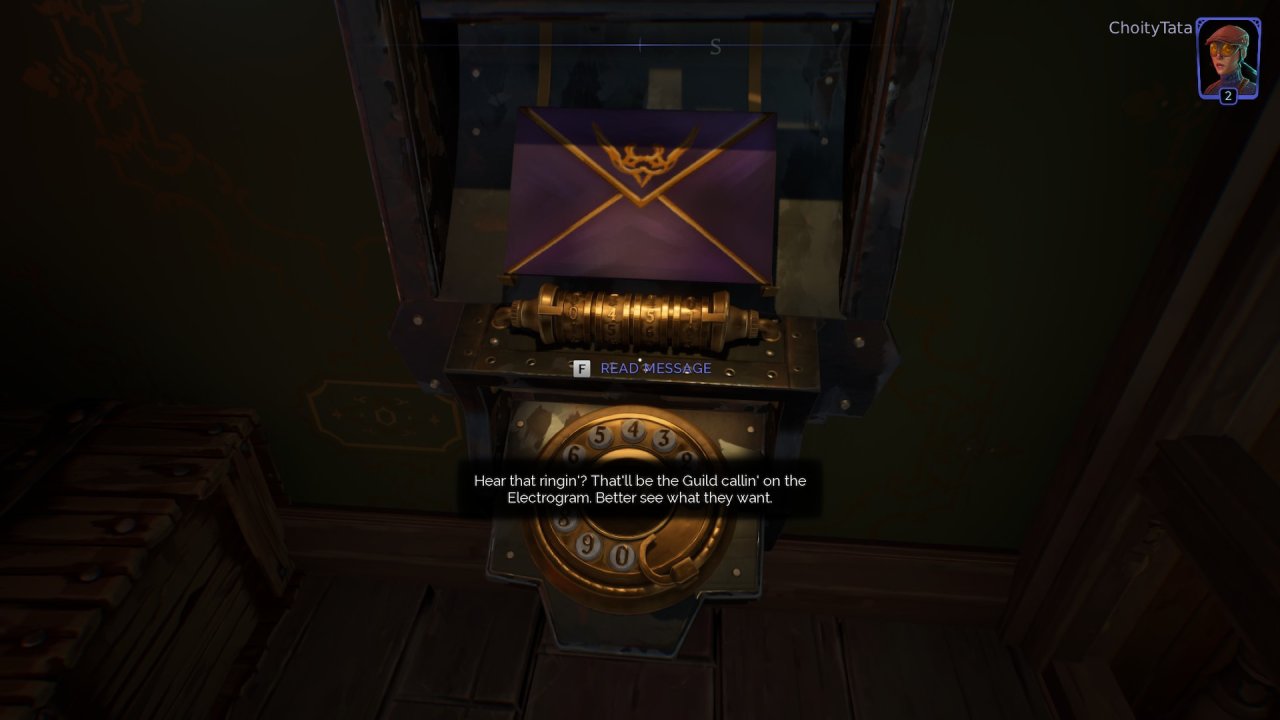
You can play the game more than once because each time the goals and the placement of things are different. There are times when important keys appear in different places, patrol routes change slightly, and security plans change enough that tasks don't feel set in stone. That sequence of steps keeps the same run interesting for longer than you might have thought.
Playing with other people makes the beat of the game fun in interesting ways.
Sneaking through these places with someone else can get tight and crazy all at once. While one person sneaks into a vault, the other can distract the guards. When the stealth fails, people have to make quick plans to get away. Thick As Thieves is clearly intended for team play, and working with other people is one of the best parts of the game.
Most of the time, combat is there to punish people who fail at sneaking. Sometimes you can knock out guards and use tools to escape dangerous situations, but generally, fighting them directly is not a good idea. Guards are usually in a lot of trouble when cornered, as guards recover quickly and reinforcements arrive quickly.
One of the best things about the game is its restriction, which makes you more careful. Combat isn’t always reliable, so there’s a feeling that stealth is worth something. Never a surefire way to solve a problem, every close call makes things tense.
The stealth pieces and puzzle pieces combine easily. Missions often require you to find secret keys, figure out how to open locked vaults, deactivate magical traps, or find other ways to get into restricted areas. Each puzzle isn’t too hard, but they all work well together because they feel like they belong to the infiltration process rather than being different parts of the game.
You make more money from successful heists the further you progress in the game. You can earn more currency to unlock tools, cosmetics, and harder game modes as you safely steal and extract more valuable items. Luckily, the progression method also prevents you from grinding too much. Unlocks happen slowly enough that making progress feels satisfying without getting boring.
The main problem is that there aren't enough real rewards yet, so the game lacks content. Once most of the tools and upgrades are unlocked, the main reason to play missions again is to enjoy the stealth gameplay. Thief As Thieves looks surprisingly good for a small project that's all about sneaking.
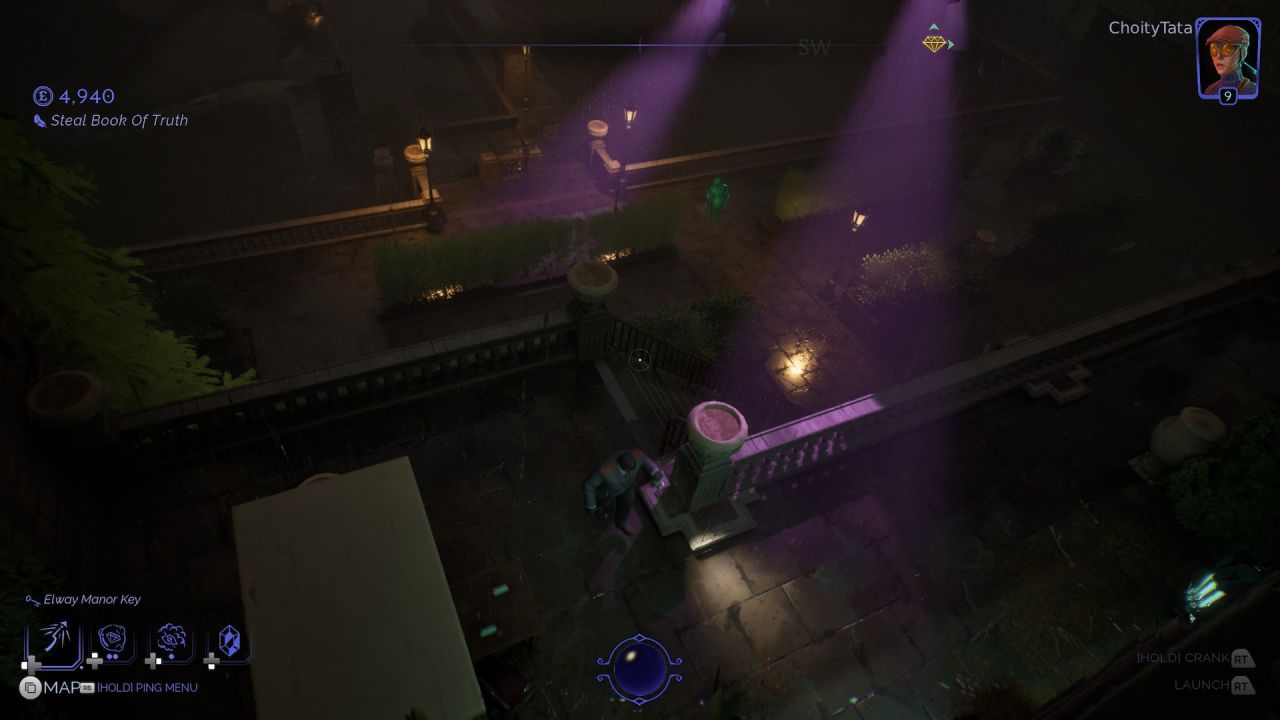
Most of the work is done by the art direction. Dimly lit hallways, rain-soaked streets, industrial machinery, glowing magical effects, and spooky interiors all contribute to a strong atmosphere that complements the game. The game’s world doesn’t boast cutting-edge graphics, but it looks good and feels unique. Lighting is a very important part of the overall experience.
Shadows do more than just look nice. In a direct way, they change how you move through your surroundings.
It feels risky to be in bright hallways but safe to be in darker corners. This automatically makes the stealth systems stronger. The settings themselves are very realistic and full of small details. There are secret tunnels in every mansion and alternate entrances on every rooftop, and it seems like almost every area was designed to give you more than one way to reach your goals. Even after a couple of runs, the maps continue to show me shortcuts and secret tracks, easy to overlook at first glance.
There are still a few bugs in the code. There are occasional small bugs, clipping issues, and frame drops. All of them are noticeable enough to tell you this is still a smaller-scale production, but not so much as to ruin the experience. The big problem is the lack of variety in the surroundings. There aren't enough great plans out there. After a certain number of hours, you'll start to feel comfortable with it.
In the end, sound creation is one of the most important parts of the whole thing. Audio cues always affect the decisions you make. Because awareness is so important for stealth. Guards mumble to themselves as they walk down nearby halls. Steps can be heard in other rooms. It's raining on roofs. When you move, wooden floors make noise. Every sound makes things more tense.
The guards are especially good at their job because they sound the alarm without seeming unfair. Hearing footsteps getting closer makes people worry right away, especially when there aren't many places to hide. During infiltration scenes, Thick As Thieves does a great job of building suspense with ambient sound.
The music is pretty quiet for most of the game, which is great for this type of stealth game. The sound doesn't overpower scenes with dramatic music; instead, it stays quiet until times of escape or close detection raise the tension. The Scottish-inspired dialogue gives the world its own style as well.
The conversations between the guards bring the settings to life and add a dark sense of humor to the otherwise serious mood.
Thick As Thieves feels like a stealth game made by people who really know why old-school stealth games were so fun. It gets rid of systems that aren't needed and works on infiltration, tension, and experimentation alone. It stands out right away in a genre that has become surprisingly rare because of that method.
It's impossible to ignore the limited information. The story is short, and there aren't many big maps. Once you finish unlocking big things, the game stops moving forward quickly. You can also see the rough edges of the technology.
But the main gameplay is good enough that these flaws are easy to overlook. Sneaking through these carefully planned environments, figuring out how to get around patrol routes, barely getting away with stolen goods, and working together to make stealth plans is a fun way to play that never gets old.
The game is sure of what it wants to be, which is more important. It doesn't follow trends or add too many unnecessary features. You can expect stealth to carry the experience, and most of the time, it does.
Contributor, NoobFeed
Verdict
Thick As Thieves is a stylish and tense spy game with great co-op gameplay and smartly designed levels. The only things that hold it back are the small amount of content and a few technical issues.
78
Related News
No Data.