
Total Chaos Review
PC
A Descent into Industrial Horror
Reviewed by Subaiyta Jahan on Nov 30, 2025
An unconventional growth path led to Total Chaos. It started out as an ambitious, entire conversion mod based on the outdated Doom II architecture rather than a stand-alone game. Over time, it evolved into a fully autonomous survival-horror game.
It became known over time for its pure ambience, puzzling level aesthetic, and very melancholic tone, which was evocative of the psychological dread of Silent Hill. Its modding origins are still visible in the game's peculiar controls and sometimes awkward corners, giving it a distinct personality that distinguishes it from modern, simplified horror games.
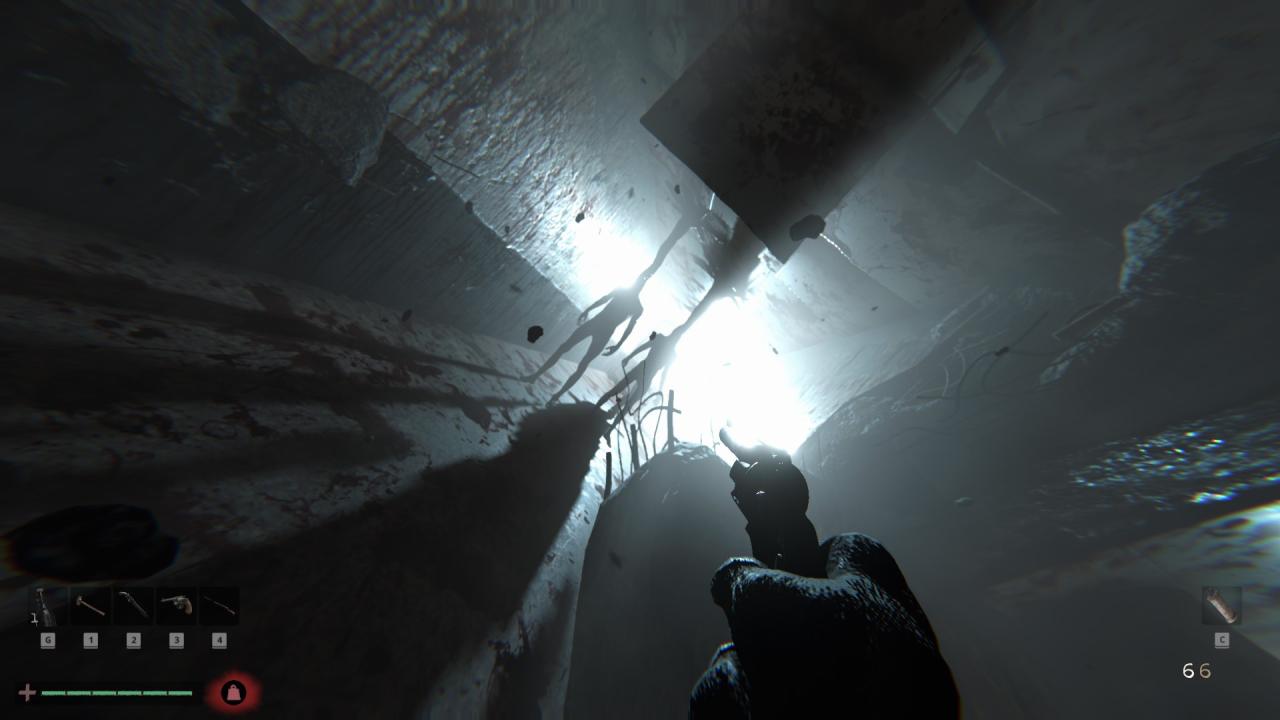
As a single piece, the game expanded into a dismal, unfriendly environment, a stifling industrial ruin. Its design philosophy represents a period when horror games were based on experimentation, scarcity, and a willingness to disappoint in search of tension. It is the result of passion rather than corporate polish. That spirit is fully maintained in Total Chaos—sometimes wonderfully, sometimes excessively.
The narrative opens with an unidentified Coast Guard responding to a distress call from Fort Oasis, a remote island that was formerly home to a mining colony but is now a decaying wreck. The environment functions more like a vast dungeon with pathways formed by decay rather than logic than a standard gaming world. Fort Oasis is a character in and of itself.
Scattered notebooks, ancient records, and unsettling environmental signals put together the island's terrible downfall, while its rusting equipment, dilapidated structures, collapsed tunnels, and damaged facilities constitute the narrative's core.
Total Chaos gained recognition for its eerie tone, perplexing level style, and pure ambiance.
A voice on the radio that is far away, weird, and mysterious gives advice. The voice doesn't comfort or command; it only moves the voyage ahead and reveals some facts about things that happened before. The delayed flow of information keeps people in a state of uncertainty all the time.
The novel becomes a puzzle in which each clue draws the reader closer to danger when combined with the gloomy emptiness of the surroundings. The island's calm, broken only by distant waves or mechanical groans, drives the story toward a tone of loneliness and worry.
Exploration, resource scarcity, survival management, and the ongoing fear of ambush form the core of the gameplay. The easiest way to get through the game is to navigate enormous labyrinth-like levels, each of which is incredibly crowded with environmental dangers, locked doors, dead ends, and hidden passageways.
The process of progress is straightforward: locate a key, unlock a new region, find another necessary item, and advance farther into the island's interior. The difficulty of tracking one's surroundings overshadows this structure's simplicity. Every hallway must be mentally mapped in the absence of a map system, making exploration a stressful chore where turning around becomes second nature.
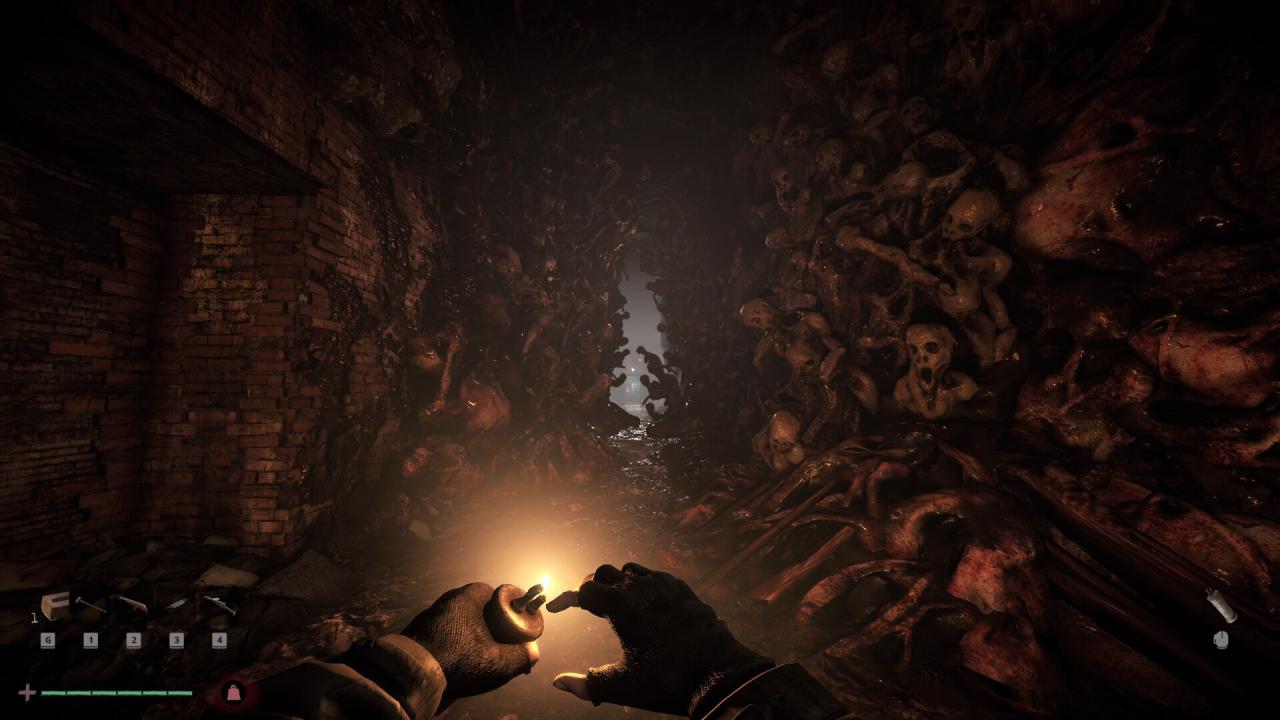
Bleeding, hunger, stamina, and sanity are all concurrently layered survival mechanics in the game. Every bar requires ongoing maintenance, and if it is overlooked, it quickly collapses. Hunger gradually decreases, and blood drains health unless it is replaced. In addition, stamina determines the outcome of a fight, and sanity distorts vision in terrifying ways. Although survival tactics are frequently used in contemporary horror, Total Chaos takes them to a whole new level.
Difficult decisions must be made about what to use, what to make, and what to save for emergencies, given the limited supply. For better or worse, this level of scarcity shapes the entire experience and defines the game's character.
The inventory mechanism itself is similar to a real bag with a small number of spaces that must be carefully arranged. Even basic mending becomes a strategic risk because it takes time to get things, particularly during combat. Vulnerability is reinforced by some of this deliberate friction. At other times, it lacks the smoothness typical of contemporary survival games and seems like a holdover from the game's mod beginnings.
The puzzles in Total Chaos usually have to do with correcting flaws in the environment. Some of the hardest things to do are using heavy machinery, unlocking locked doors, finding secret switches, or manipulating the environment with drugs that make you see things that aren't there.
One interesting situation is when someone takes drugs that temporarily make them less reasonable, which changes the level's structure to disclose a passage that was previously hidden. The universe itself bends to psychological distortion in certain parts, creating imaginative—and frequently unsettling—moments.
Combat is where the game's intensity rises. Encounters appear less like power fantasies and more like desperate battles where survival is almost impossible. Weapons are hard to come by, fragile, and often handmade. In order to avoid receiving too much damage, the dodge, parry, and shove skills are crucial for survival.
Opponents may materialize out of the shadows or from corners while assaulting in bunches. From massive, brute-like creatures that attack with terrifying speed to acid-spitting spiders, their conduct varies but is always vicious. One kind of rival cannot be fought with one's back to the other; if one looks away, it may quickly close the distance, instilling a constant sensation of fear.
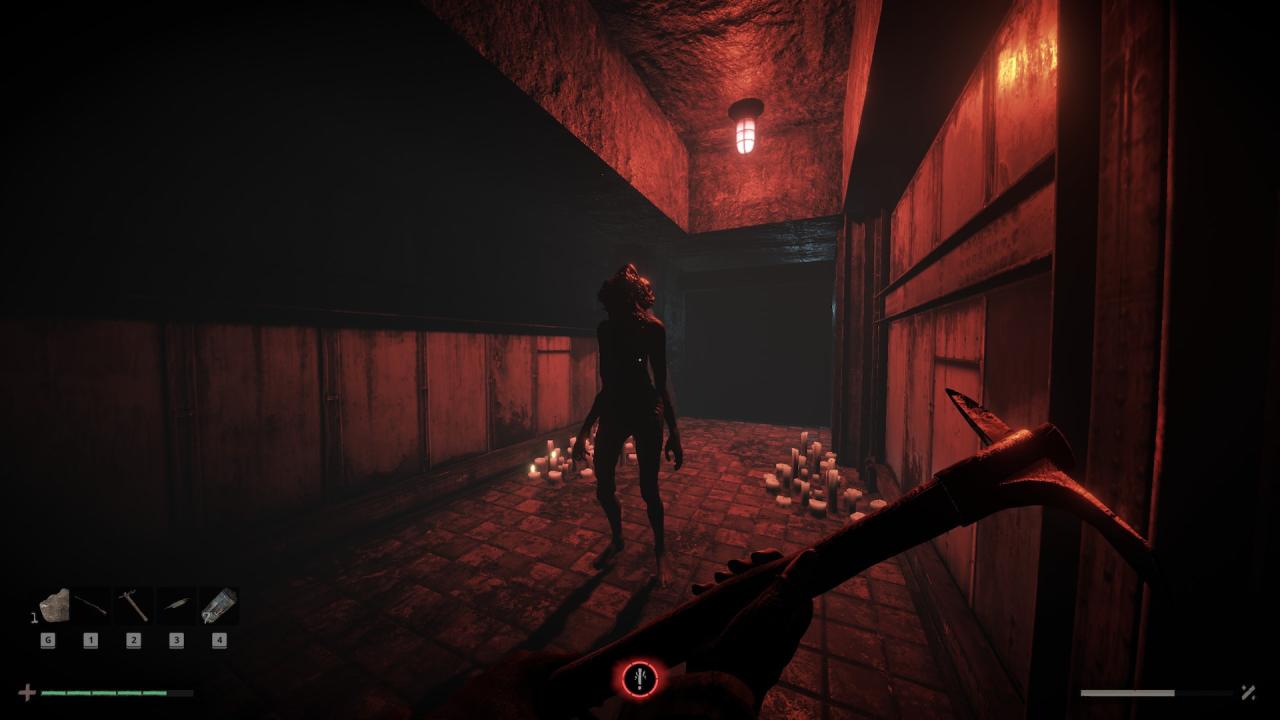
These kinds of interactions indicate how serious the game is about psychological stress and make the stress level go up a lot. The downside is that enemies could sometimes have a lot of health, which makes fights that should be easy last longer. When there aren't enough healing items, combat might get boring, especially in the late game when the player has to fight more often yet doesn't have enough resources to keep all of their survival systems running.
Unpredictability is successfully created by the puzzle-combat rhythm. While fight encounters inspire real dread, environmental puzzles are creative enough to promote exploration. However, the combination of too many survival tactics and too resilient enemies may often make the experience unpleasant.
Tension can escalate into rage throughout extended periods of time when there are few save spots and few resources, particularly in late-game situations. Some of these features feel less intentional and more like leftovers of the game's mod history, even though the game thrives on difficulty. Instead of using a conventional XP or leveling system, advancement in Total Chaos is focused on scavenging, crafting, and equipment improvements.
You may make your own weapons, bandages, safety gear, and equipment to increase your endurance by assembling supplies. There are recipes all around the world that encourage discovery and transform resource scarcity into a framework for sustained advancement. Instead of empowering people, crafting becomes essential for survival.
Since there is no conventional leveling, advancement depends only on item management and mechanical skill. Due to its promotion of the game's harsh survival identity and its lack of a sense of gaining strength, this design may lead to fatigue late in the game.
Total Chaos's graphic aesthetic effectively conveys urban degradation.
The visual style of Total Chaos does a great job at capturing industrial decay. With leaky pipes, peeling concrete, damaged machinery, and harsh lighting, the sets have a gritty, rusty appearance. Shadows fill whole rooms, requiring close attention. Landmarks like fallen beams, broken elevators, or pools of stagnant water are essential for direction since the absence of a chart accentuates the visual experience.
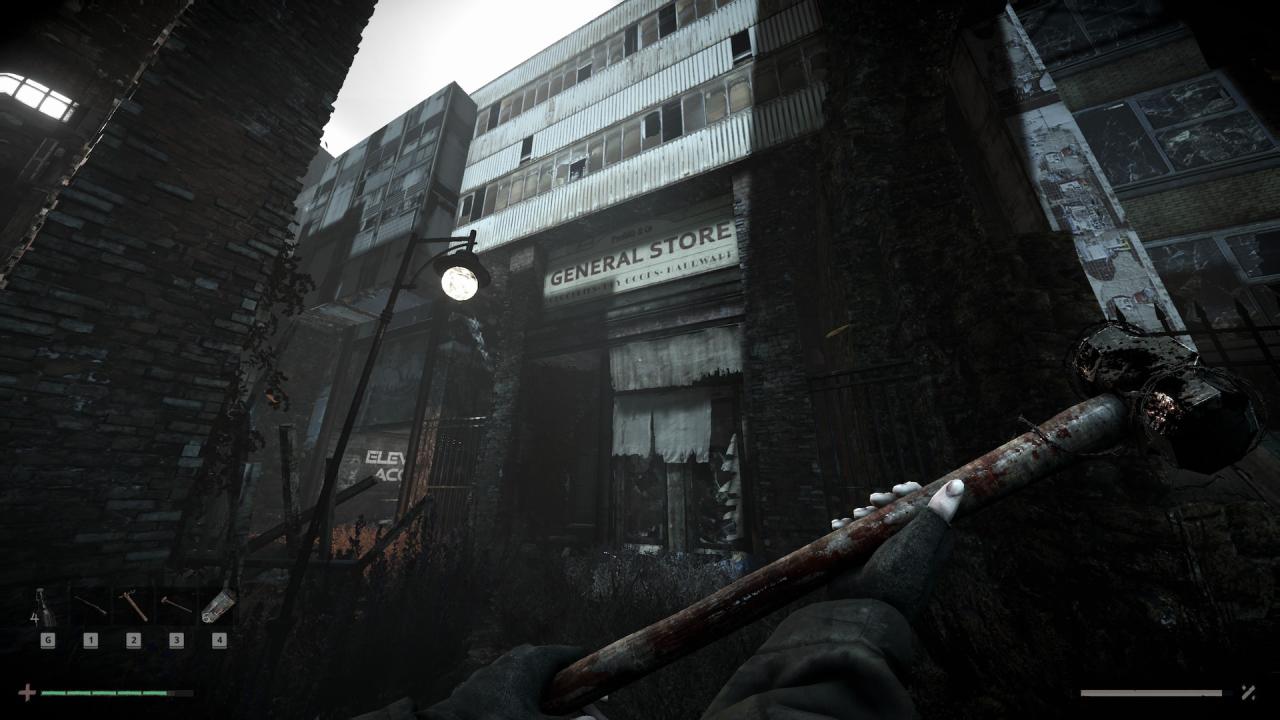
One of the most powerful graphics components is lighting. Dim bulbs provide pockets of safety encircled by unbreakable shadows, while flashlights hardly penetrate the darkness. Every uncharted area becomes a possible danger as a result of this contrast, which heightens the mood and gaming stress. Although the intricate designs are well-thought-out, their size may sometimes make them seem overpowering.
You can see the game's independent and mod-based roots in numerous parts of it. Textures often feel stretched or plain, and animations can seem stiff. Still, the visual style does a good job of showing desolation and sadness by focusing on atmosphere instead of photorealism. Even if there are sharp edges here and there, the atmosphere feels stable, heavy, and strangely alive.
The game's audio design is among its most impressive achievements.
One of the game's most remarkable accomplishments is the audio design. The tension is continuously ratcheted up by its soundtrack. The sound of waves breaking over cliffs creates a desolate backdrop, as distant mechanical moans reverberate through tunnels and monsters growl from hidden nooks.
The soundtrack, which combines industrial drones, eerie tunes, and warped background noise, really enhances the mood. Particularly powerful is environmental audio. Silence is a weapon because it amplifies fear more than loud noises. Many of the most thrilling moments can take place in complete stillness, where the lack of sound raises the possibility that danger is approaching.
The combination of sound effects, muted music, and surrounding ambience creates a fully immersive horror scenario that effectively captures the claustrophobic atmosphere of Fort Oasis. Total Chaos is a survival horror game that never ends. It is based on tension, scarcity, and a sense of dread in the air.
It expertly mixes modern survival skills with the claustrophobic fear that is common in classic psychological horror. The confusing level design, creepy radio story, and scary enemy encounters all work together to make an environment that keeps your mind on edge. The game's strongest features are its mood, sound design, and the way it tells stories through its environments.
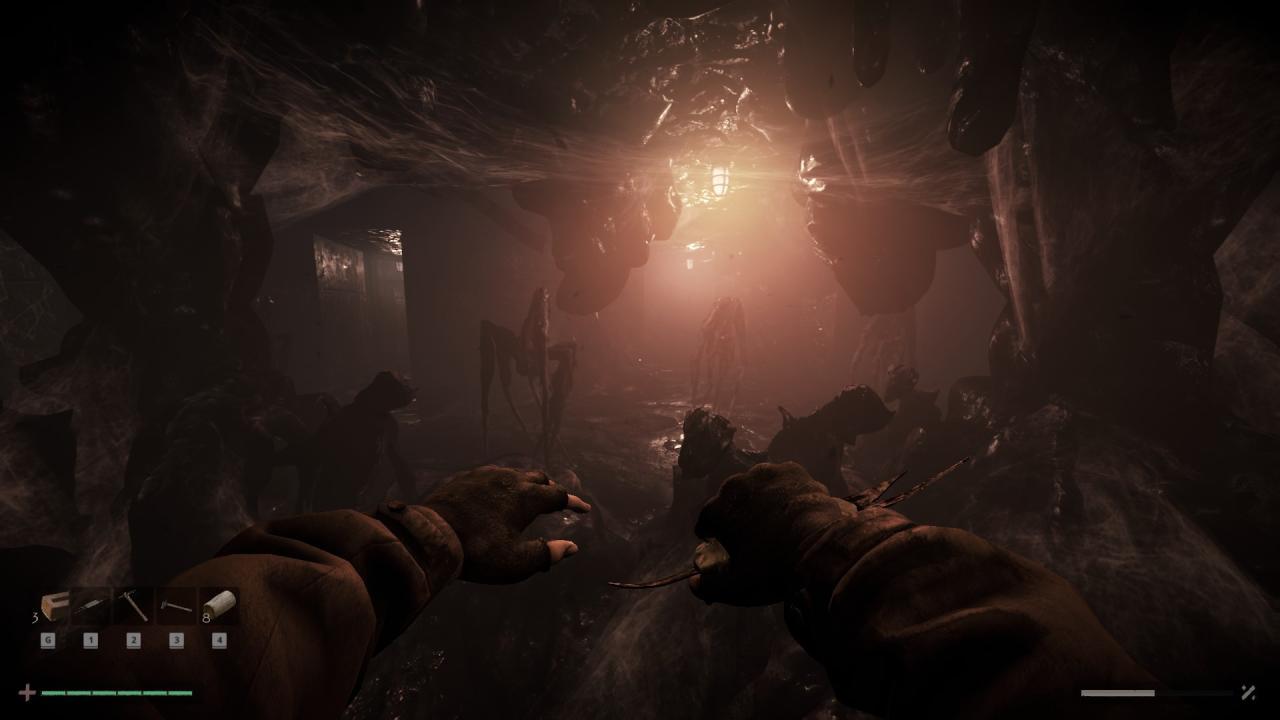
The intensity of the game may make it less enjoyable.
But the game's intensity can make it less appealing. A variety of survival strategies, unpredictable save spots, high monster health, and confusing inventory navigation may make late-game sections difficult endurance tests.
These elements make the experience more challenging, but they don't ruin it. Because it strongly penalizes errors and promotes cautious strategies, the game demands patience and persistence. For gamers who enjoy difficult landscapes and difficult survival strategies, the game offers an amazing, albeit imperfect, experience.
Total Chaos is an example of aggressive autonomous growth despite its faults. Because of its origins as a comprehensive conversion mod, it possesses a certain realism that is uncommon in current horror. With further refinement, it could have reached even greater heights, but even in its current state, it is a captivating and profoundly haunting slide into industrial nightmare.
Contributor, NoobFeed
Verdict
A gripping yet punishing survival-horror journey. Brilliant atmosphere and tension, held back by harsh difficulty and rough edges. Immersive, haunting, and unforgettable for those willing to endure its extremes.
78
Related News
No Data.