
BOOK OF HOURS Guide | Understanding and Mastering Crafting
Here's a simple guide to Understanding Prentice, Scholar, and Keeper-Level Crafting
Game Guide by Subaiyta Jahan on Nov 22, 2025
Crafting in Book of Hours is built around two key elements: a skill and a workbench. Every recipe begins with matching the right skill to the right workstation.
Once the basics are understood, the system becomes a powerful tool for creating memories, tools, upgrades, and rare items.
Prentice Crafting Basics
Skills and Lessons
Every crafting attempt requires a skill. Skills come from Lessons, which are gained by reading books. Each skill contains two possible aspect paths, allowing two different crafting routes depending on which aspect is used.
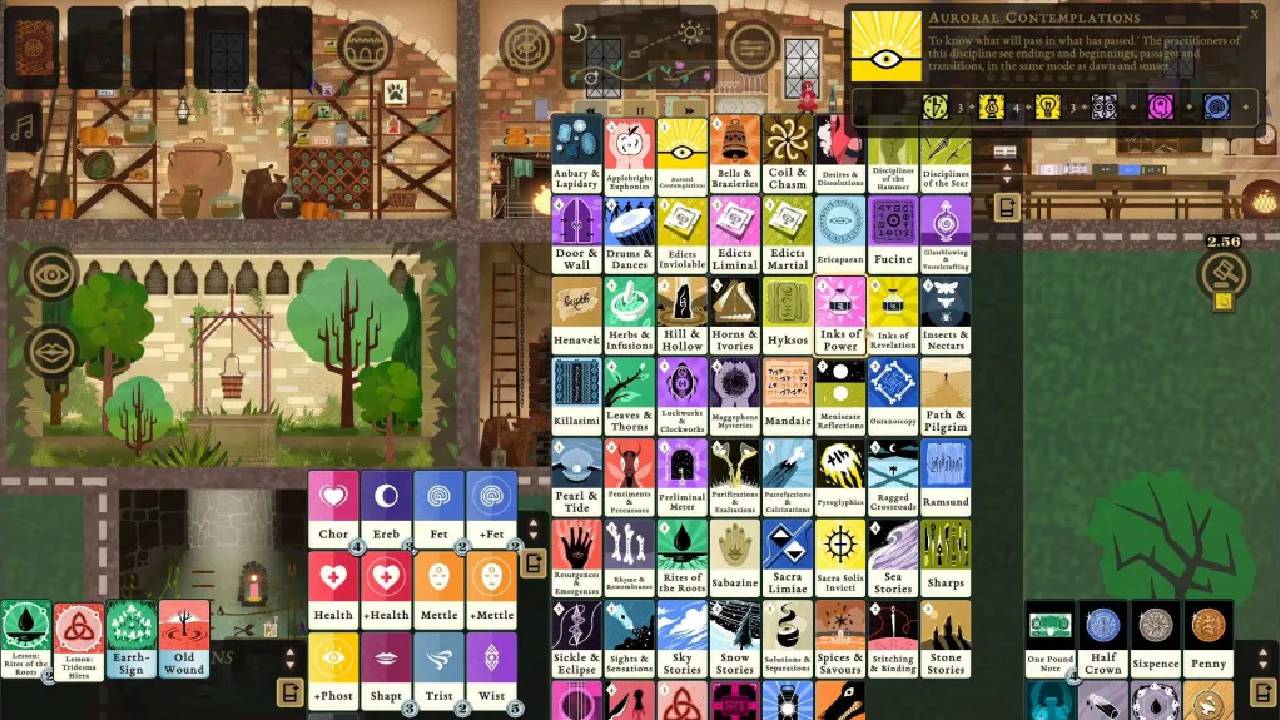
For instance, a single talent may include both Lantern and Edge. Anterns provide one outcome at a workbench, while Edge at a separate station creates something quite distinct.
Workbench Compatibility
Each crafting station accepts specific aspects.
Examples:
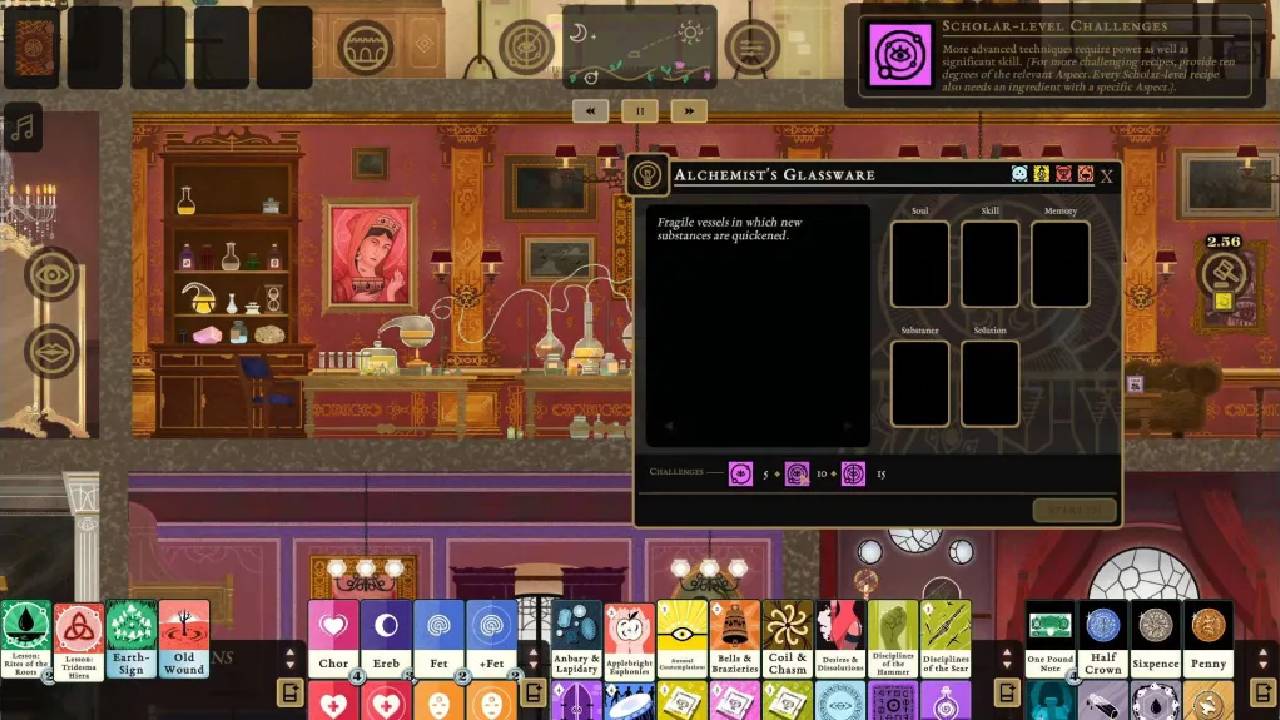
Alchemist's Glassware Bench accepts: Winter, Lantern, Grail, Forge.
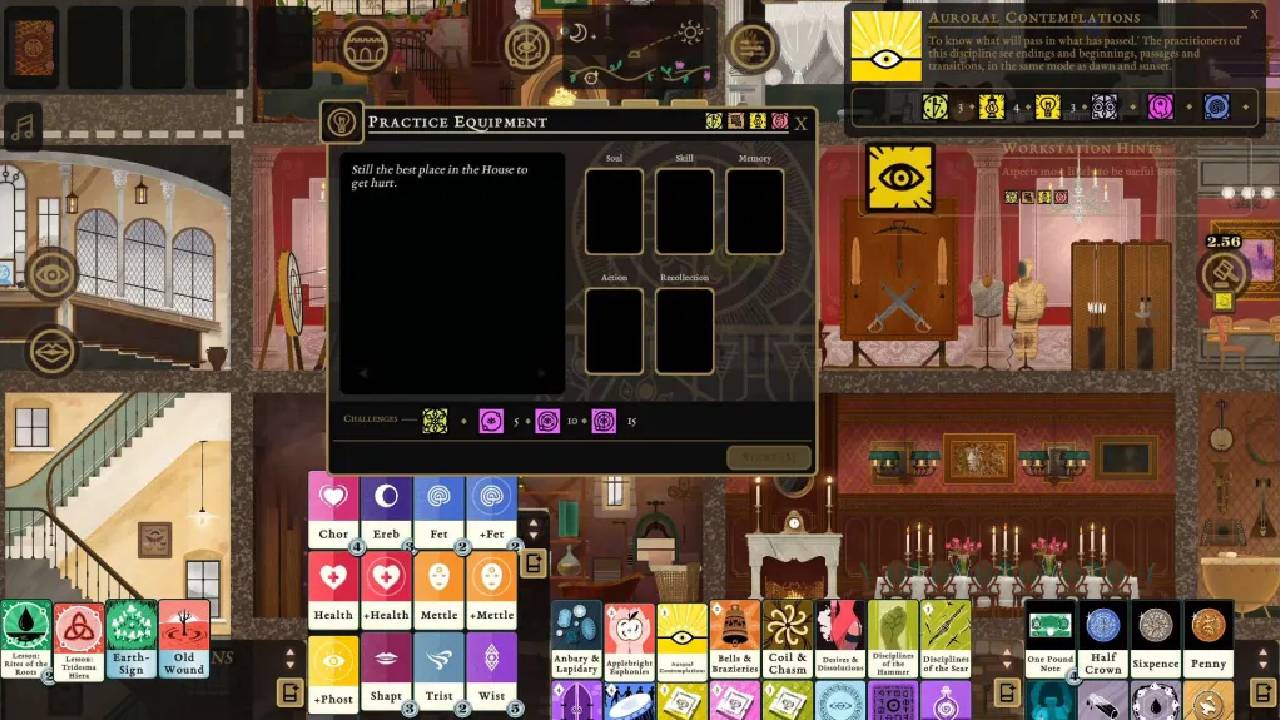
Practice Equipment accepts: Edge
A skill can only be used if one of its aspects matches a workbench's icons.
If a skill has Lantern and Edge, but the table only accepts Lantern, then only the Lantern aspect may be used there.
Two Crafting Paths per Skill
Most skills offer:
Two Tier 5 crafts
Two Tier 10 crafts
Two Tier 15 crafts
This means that a single skill can yield six possible items, depending on which aspect is chosen. A few skills behave differently, but most follow this structure.
Flexibility of Prentice-Level Crafting
Prentice crafting is simple:
Any compatible workstation works
Only the aspect match matters.
No special ingredients are required.
Deep slots on workbenches are not used yet.
Once a skill reaches Level 2 or 3, Prentice-tier items become easy to produce. This tier includes:
Temporary memories
Permanent memories
Simple consumables
Basic tools
Even early in the game, Prentice's crafting is surprisingly useful.
Entering Complicated Crafting Scholar and Keeper Tier Difficulties
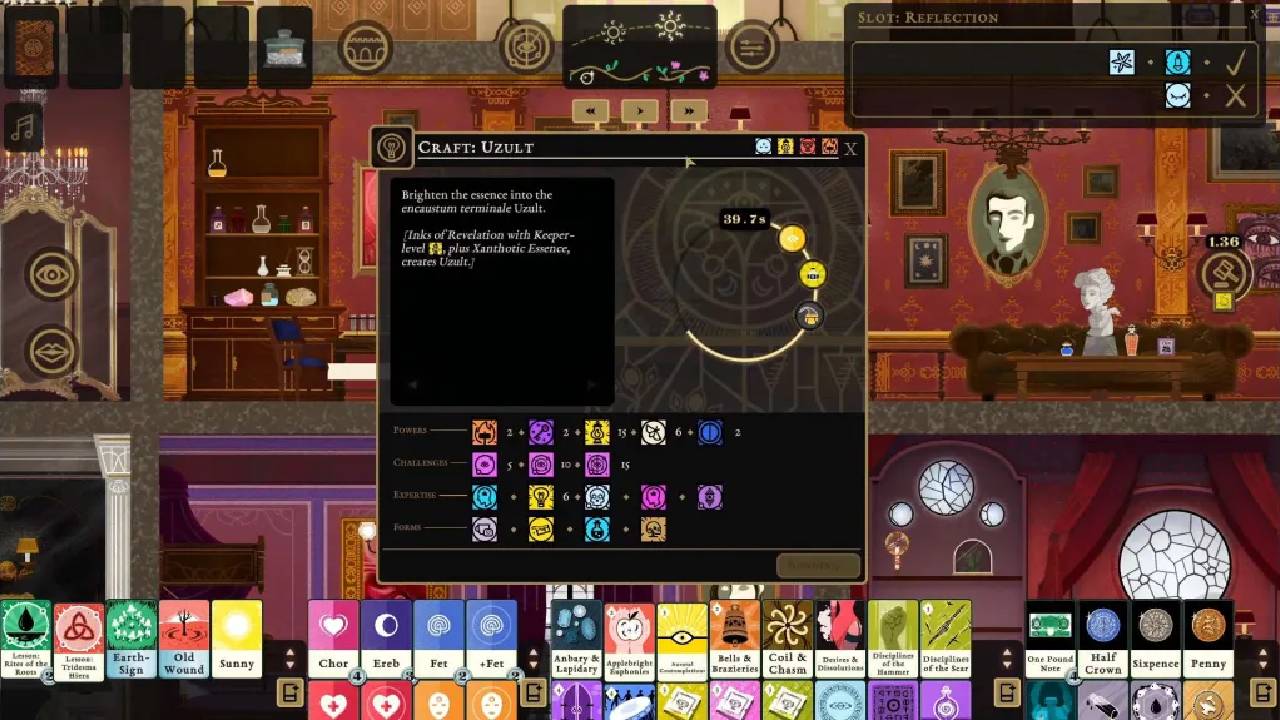
Recipes get more complex as crafting progresses, requiring both unique ingredients and higher aspect values.
Scholar-Level Crafting
Aspect Requirements
A Scholar-tier recipe requires a full 10 points of a specific aspect (such as 10 Lanterns). The skill used must be upgraded enough to supply those points.
Required Ingredients
Every Scholar-tier recipe needs one additional ingredient.
Examples:
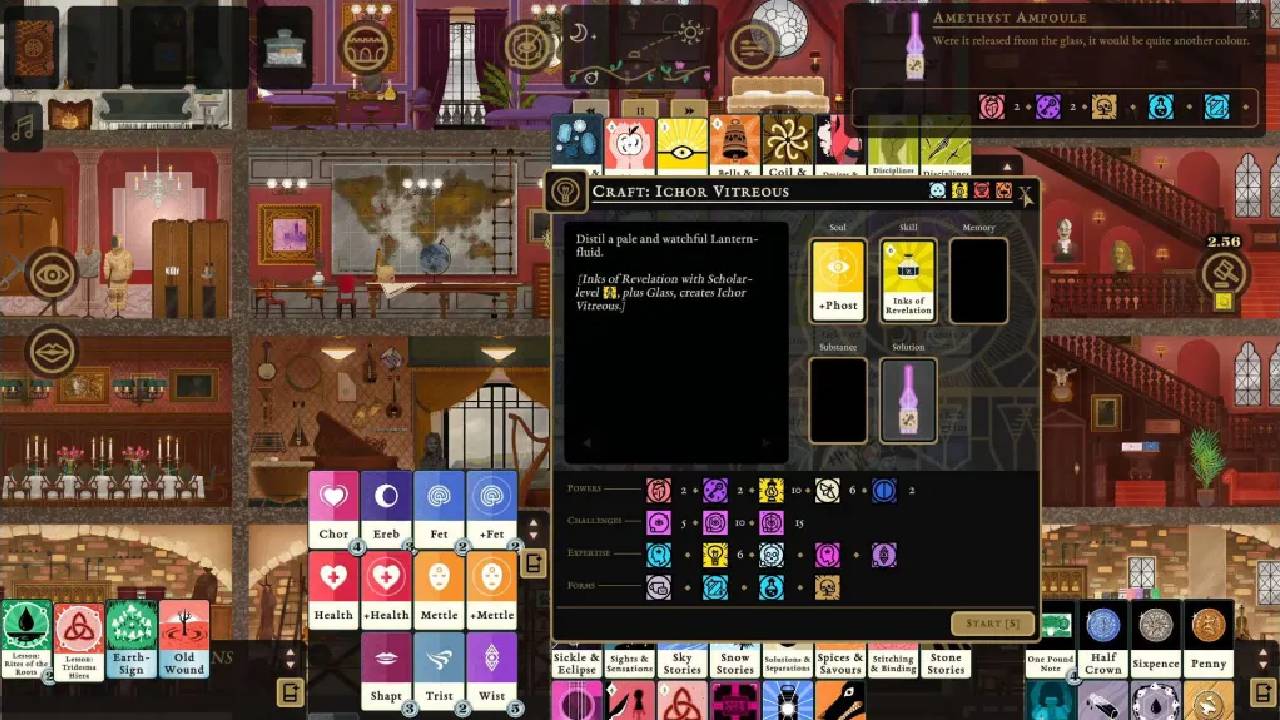
Lantern ink recipes may require glass.
Heart-based recipes may require an instrument.
Other recipes may require special metals, powders, or essences.
Hints for these ingredients often appear when reading books. Temporary reading texts frequently describe rituals, mixtures, or symbolic materials related to advanced crafting.
Finding the Correct Workbench
Scholar recipes begin using the deeper slots on crafting stations. These slots are locked during Prentice-tier crafting.
A Scholar recipe can only be completed if:
The workbench supports the skill's aspect.
The workbench has the correct deep-slot type.
The required ingredient can be inserted at that station.
Choosing the wrong workbench results in a recipe that cannot be completed.
Keeper-Level Crafting
Keeper-tier recipes build on Scholar-tier recipes and add even stricter conditions.
New Special Components
Every Keeper-tier craft requires a very specific rare component, often something exotic like:
Xanthotic Essence
Refugent
Unusual crystals
Rare symbolic ingredients
These items correspond to the final mastery of each aspect.
Workbench Restrictions
Keeper crafts can only be performed at workstations that:
Accept the final required component.
Allow deep-slot placement
Support the skill's aspect.
Match the symbolic material needed.
This is where crafting becomes puzzle-like. The correct table must be found among:
Mirror cabinets
Shrines
Forgeries
Alchemical benches
Rare or hidden workstations
Part of the challenge is simply discovering where each recipe belongs.
Hints From Books
Books become essential at this stage. During reading sessions, a lot of temporary text bubbles mention:
Materials that work well together
Rituals
Symbolic combinations
Interactions between aspects
High-tier crafting is guided by these suggestions. Knowing them reduces the need for research and reveals intentional combinations.
Tips for High-Tier Crafting
Experiment with results to learn what each workbench supports.
Watch for reading hints, especially those describing materials or rituals.
Explore the mansion to unlock new exotic workstations.
Collect items with many aspects, as they often solve ingredient requirements.
Upgrade skills early, since advanced crafting requires high aspect totals.
Crafting in Book of Hours begins simply with basic Prentice recipes but grows into a detailed and symbolic system at the Scholar and Keeper levels.
New regulations, unique ingredients, and workstation specifications are introduced at each tier. Nearly every item in the game may be crafted with experimentation, careful reading, and a well-rounded skill set.
Also, check our BOOK OF HOURS review and other guides below:
Contributor, NoobFeed
Latest Articles
No Data.