
MSI Shadow 2X GeForce RTX 5050 Review: Budget GPU Showdown
Discover how MSI Shadow 2X RTX 5050 handles top AAA titles at 1080p with high presets
Hardware by Tanvir Kabbo on Jul 28, 2025
When Nvidia quietly released GeForce RTX 5050 without sharing any early tests, gamers everywhere were left guessing how well it would run the latest titles. We wanted to clear up the mystery, so we grabbed MSI Shadow 2X GeForce RTX 5050 and ran a full suite of real world game tests.
By focusing on everyday gaming sessions and popular benchmarks, we’ve gathered precise data on what you can expect from this card. Read on to see whether it lives up to its price tag or if you’ll find better performance elsewhere.
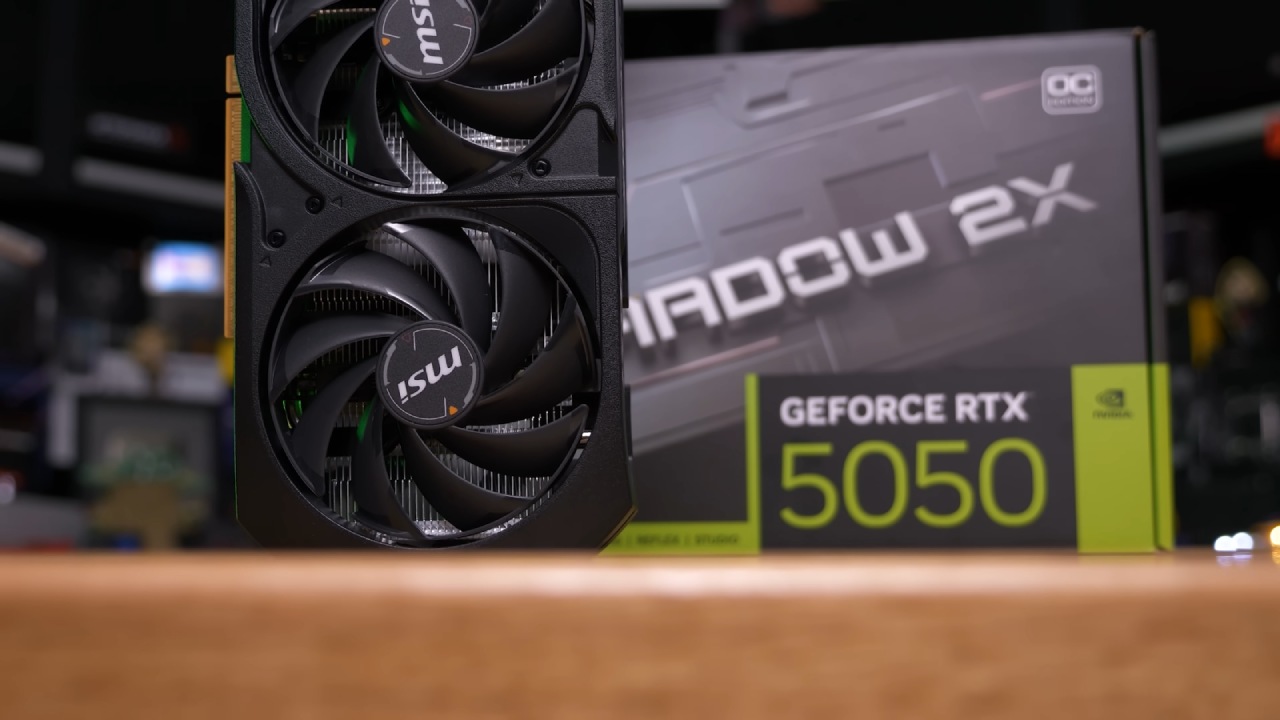
First Impressions
MSI Shadow 2X GeForce RTX 5050 felt compact and simple to handle. The dual fan cooler and plastic backplate give it a lightweight build that slips easily into most mid tower or small form factor cases.
With its single 8 pin PCIe power connector and 130W TDP, installation was straightforward, and our test rig recognized the card immediately without any driver complications once the official release drivers were installed.
Specifications Overview
Under the hood, RTX 5050 uses the smaller Blackwell GB207 GPU die, packing 16.9 billion transistors within a 149 mm² area. Nvidia chose 8GB of GDDR6 memory clocked to deliver 320GB/s of bandwidth, a 30% reduction compared to its higher end Blackwell siblings. The clock speed peaked at 2850 MHz under load, giving us confidence that the card could push respectable frame rates at 1080p.
Despite being priced at $250, RTX 5050 sacrifices about 33% of the CUDA cores found in RTX 5060 to hit that entry level price, making it 17% cheaper than its next tier sibling.
Gaming Performance
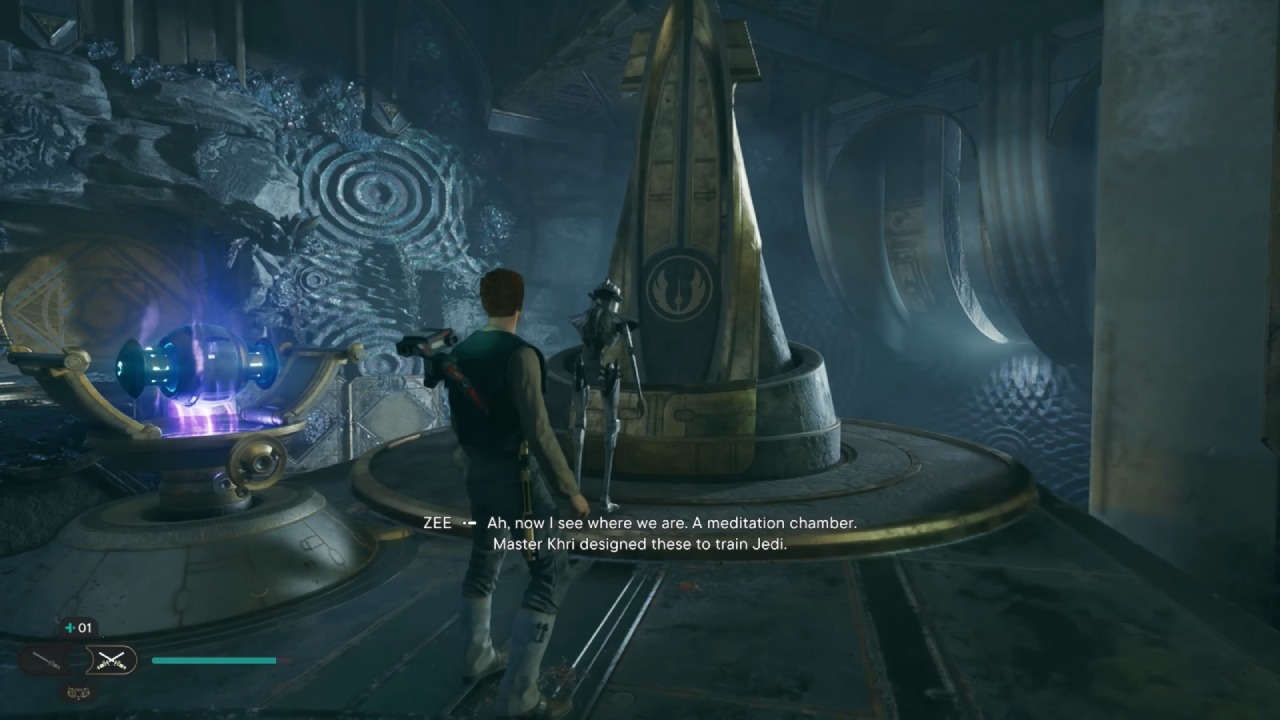
We ran 18 modern games at 1080p using high presets to compare RTX 5050 against a variety of previous generation cards. In Marvel Rivals, the card delivered around 50 fps, which felt playable but was still 25% slower than an RX 9060 XT 8GB. Star Wars Jedi Survivor averaged 70 fps, matching the older ARC B580 and RX 6650 XT but trailing 9060 XT 8GB by 41%.
Cyberpunk 2077 ran at about 72 fps, putting RTX 5050 on par with an RTX 3060 and RX 6650 XT while falling 54% behind 9060 XT 8GB. Hogwarts Legacy's performance also settled around 70 fps, equivalent to an RTX 4060, yet again 50% slower than the Radeon alternative.
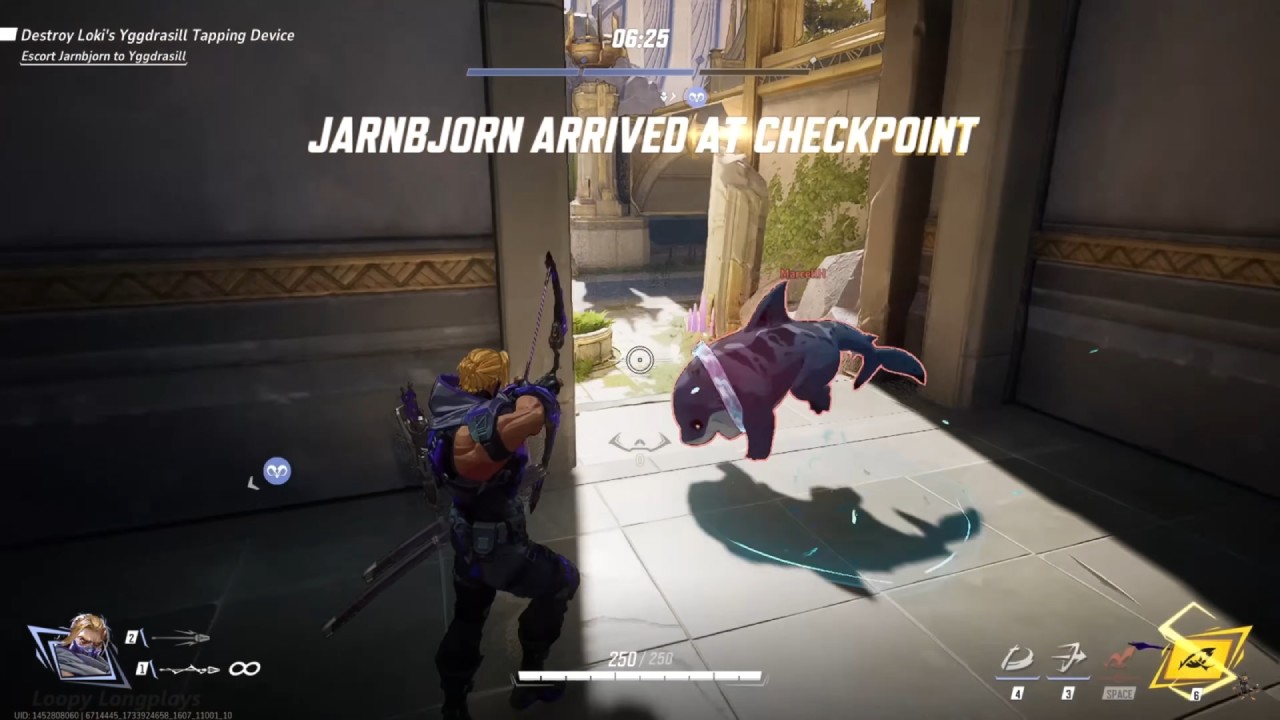
Even with ray tracing enabled in Star Wars Outlaws, we saw only 34 fps—just enough for a glimpse of RT effects, but half the speed of the 9060 XT 8GB. On average across all titles, RTX 5050 managed 66 fps, making it 3% slower than RX 7600.
Power, Thermals, and Noise
One of the nicest surprises was the card’s low power draw. Under combined GPU+CPU load during a one hour F1 25 loop, our system consumed 131W, and the GPU core temperature peaked at 73°C. Despite using just 130W, MSI Shadow 2X’s fans ramped up to 1900 RPM, producing about 38 dB of noise.
While the thermals remained well within safe limits, the audible fan noise could be a distraction in quiet rooms.
Value Analysis
At its $250 MSRP, RTX 5050 reduces the cost per frame by only 5% compared to RX 7600’s launch price and costs 3% more per frame than 8GB RTX 5060 Ti. When you compare it to RX 9060 XT, the 8GB version offers 20% better value, and even the 16GB variant is about 7% more cost effective. At retail pricing,
RTX 5050 ends up costing roughly 20% more per frame than a 9060 XT 8GB at 1080p, and that penalty grows to 30% at 1440p. In other words, you can get significantly higher performance for just a small premium by choosing either RTX 5060 or RX 9060 XT.
Final Thoughts
We recommend looking beyond MSI Shadow 2X GeForce RTX 5050 unless you find it on sale for around $200. For only $50 more, RTX 5060 or RX 9060 XT 8GB will deliver much smoother frame rates and better long term value, and stretching to 16GB 9060 XT at $350 makes it a solid investment for future game releases.
RTX 5050 is cool and efficient, but its performance and price positioning make it hard to justify when better options are available for just a bit more money.
Check Our Other NVIDIA Articles:
- GeForce RTX 5090 Unleashed: Is NVIDIA's New Flagship the Ultimate 4K Gaming GPU?
- NVIDIA GeForce RTX 5080 Review (2025): Still A 4K Gaming Powerhouse?
- RTX 5090 Performance Testing In GTA 5 – 1080p, 1440p, and 4K Max Settings Benchmark
- RTX 5090 Laptop Vs. M4 Max MacBook Pro: Ultimate Raw Performance Vs. Battery Endurance
- NVIDIA RTX 5070 Review: Mid-Range Muscle or Marketing Hype?
- RTX 5070 Ti Review: Performance, Thermals & Power Efficiency Tested
- Asus ROG RTX 5090 Astral OC Vs. Founders Edition: The 4K Gaming Benchmark
- ASUS ROG Astral RTX 5090 OC Edition Review: 32GB GDDR7 & 4K Gaming Benchmark
- ASUS GeForce RTX 5090 LC Liquid Cooled GPU Review: Unmatched Silence & Speed
- MSI GeForce RTX 5090 32GB SUPRIM SOC Review: Power Efficiency, Cooling, and Gaming Performance
- INNO3D RTX 5060 Ti 16 GB X2 Review: Gaming Benchmarks, Temps, and Power Efficiency
- HP Omen 45L Review: RTX 5090 Performance, Thermals, and Value Analysis
- ASUS TUF Gaming GeForce RTX 5060 Ti Review: DLSS 4, Power Efficiency, and Gaming
- ASUS Prime RTX 5060 Ti OC 16GB Review: DLSS 4, Ray Tracing, & Thermals Tested
- NVIDIA GeForce RTX 5060 Review: Specs, Gaming, and Cost per Frame
- MSI GeForce RTX 5090 GAMING TRIO OC Review: A Monster Power GPU
Senior Editor, NoobFeed
Gaming Hardware Updates
No Data.