
No, I'm not a Human Guide | How to Get the Child of Doom Ending
Here's a guide on how to get the Child of Doom ending in No, I'm not a Human.
Game Guide by Mash Rahman on Oct 15, 2025
Of all the many endings in No, I'm Not a Human, the Child of Doom ending stands out for the surreal and disturbing symbolism it showcases. It combines tragedy, trauma, and religious imagery, creating an unforgettable symphony.
In this guide, I will help you get the Child of Doom Ending.
It all comes down because of one innnocent decision.
It all begins the moment a young woman, who appears to be a night worker, appears at your door. She calls the protagonist "baby" and proposes to comfort him in exchange for lodging. Her appearance is what triggers this sequence, so inviting her in is the initial key decision—saying no to her aborts the path. Having her in, be kind to her.
Abusive conversation or questioning shuts down the story too soon. Each gentle or sympathetic line moves her arc forward, increasing your chances of reaching the desired outcome. In the next few days, she speaks with the protagonist on a deeply personal level, revealing to him pieces of his past.
In dialogue, she describes her domineering father and how that past left scars of anger, confusion, and regret. The game quietly lays the emotional groundwork for this ending through these dialogues. Continue to choose sympathetic options whenever she talks about pain or loneliness.
She then begins sleeping in your bed at night, which is crucial to the next part. Never attempt to get rid of her or skip nights after she's present; her sleeping beside the protagonist maintains the continuity. Soon, strange occurrences begin to take place.
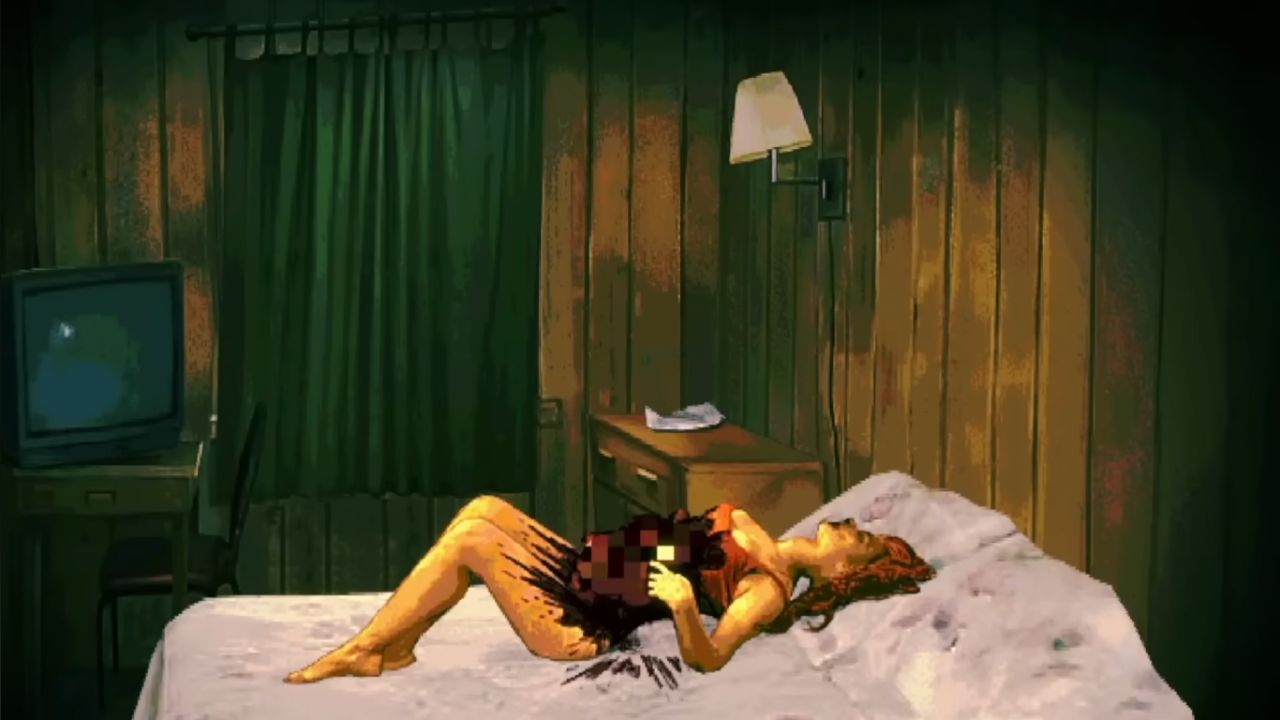
At night, you experience paranormal phenomena—moving shadows, eerie whispers, or distorted sounds. If you continue playing, the protagonist experiences visions of the woman in agony. That is the indication that the sequence of events has hit the climax.
Players say these occurrences begin after three or four nights of play, but the timing will be arbitrary. The woman will probably die young. Once that happens, a new interaction stage begins. After her death, explore every accessible room.
Many gamers say the fetus or baby entity may appear in various places, such as near curtains, in the restroom, or in the living room. Before you discover it, you could hear a creepy infant scream.
Be cautious while you search; the encounter may need to happen many times until it works well. If you can't find the baby thing, you can't go on; therefore, it's important to look carefully.
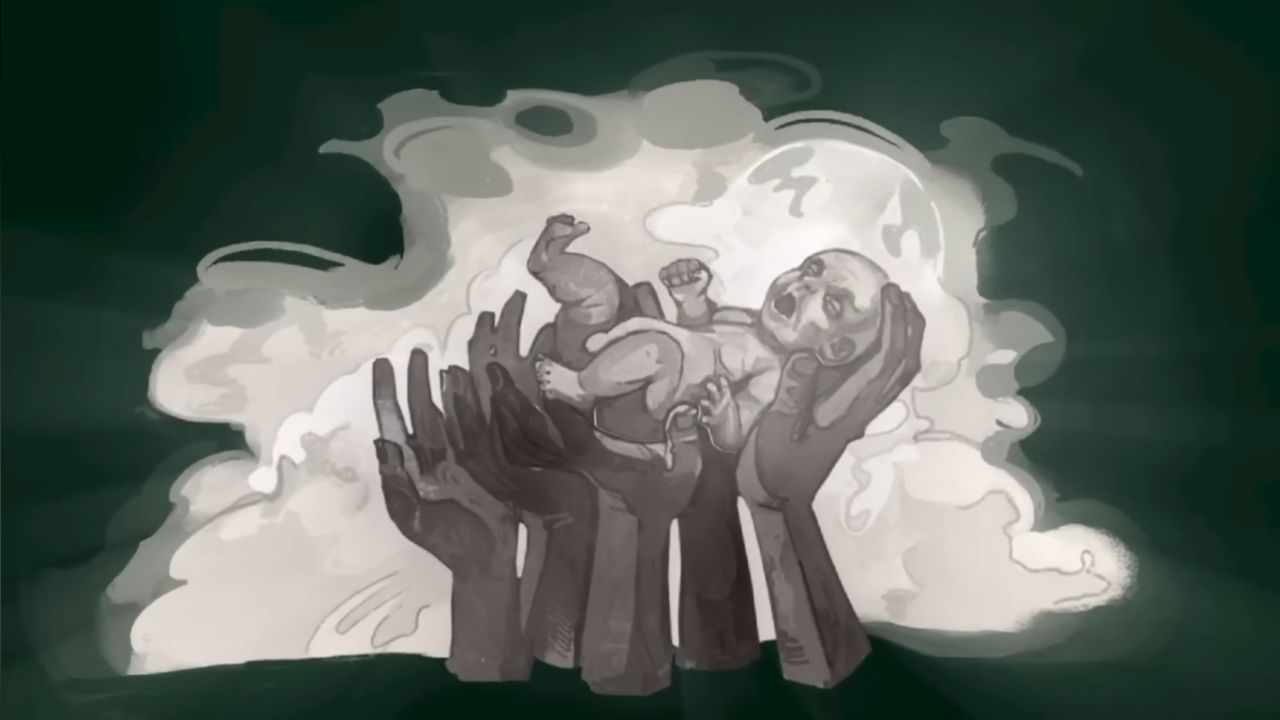
When you find the child, paranormality intensifies. A ghostly baby hovers in midair, its skin abnormally pale, with three hypnotized people hovering around it. Each of them reaches out to the baby, trying to pull it towards themselves in different directions, and a frightening tableau of spiritual tug-of-war is created.
The hero, overcome by shock and horror, loses his hand and fires his gun. The screen fades to black. When the light returns, the imagery is completely reversed—angelic figures descend, carrying a veil of revelation rather than terror.
A female divine figure announces that the hero is their own prophet, chosen to guide mankind to heaven. She praises his sacrifice of the child, telling him that the child was a creature who could unleash unspeakable abominations. The tale becomes sacrificial.
The mob adores the hero, placing him above them and crying out his name in a salvation chant. He notices that one of them is holding nails and realizes, too late, that he is to be crucified as their messiah. The ending dissolves as he is taken away to his fate, symbolizing the loss of control and transformation of a broken man into a forced martyr.
The player is left equally perplexed as the protagonist, marveling at the moral nature of what has occurred and the significance of his so-called cleansing. From a technical standpoint, several glitches can avert this ending.
If you use violent dialogue, don't let the woman sleep indoors, or murder her before the normal trigger, the Child of Doom sequence will never initiate. Some members have pointed out that random bugs can sometimes cause the fetus not to appear, even when the requirements are met.
Multiple saves over the course of days prevent soft locks. Reload if you can't find the baby after a thorough search when the woman's death is hit; its spawn point tends to differ due to randomness or minor bugs. Don't interrupt the last cutscene—alt-tabbing or exiting may cause the game to not save the endgame and mark it in your library. The symbolism in this ending is multifaceted.
On a surface level, it describes the protagonist's descent into madness. The night worker represents his need for security and maternal nurture lost through methods of abuse. Her "child" is a manifestation of inherited guilt and trauma—something that's born of pain and doesn't deserve to live.
Killing the ghost of the child represents the protagonist killing the form of trauma.
In killing the ghost, the hero attempts to murder the form of the trauma. Instead of peace, however, he's deified by strangers who interpret his actions as divine intervention. This savage irony converts his intimate gesture of healing into mass delusion.
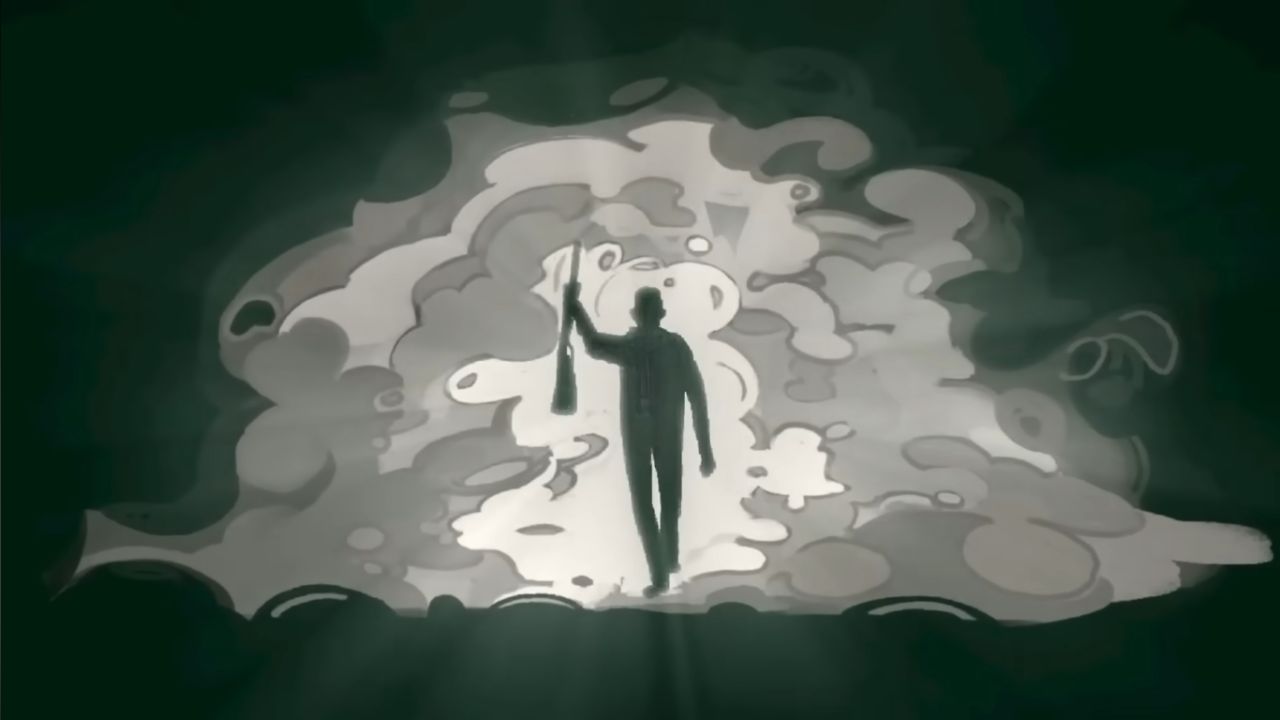
The cultists and angels misinterpret his desolation as prophecy, demonstrating how blind faith distorts human tragedy into myth. His crucifixion becomes both a punishment and a coronation, sealing his fate as a savior who never wished to be one.
Thematically, the Child of Doom ending ties together ideas from other routes in No, I'm Not a Human: guilt, identity loss, and corrupted salvation.
The protagonist's pain powers a universal cycle in which humankind constantly recreates monsters and messiahs. The child, the woman, and the angels represent the cycle.
Interpretations have seen the three beasts drawing the child as representations of forces set against each other—birth, death, and rebirth—each seeking to prevail.
In firing, when the protagonist actually chooses destruction rather than the potential for new creation, he creates a world that worships him not for wisdom but for fierceness and transforms an experience of horror into a mythos of belief.
To summarize the gameplay requirements quickly: let the night worker in the door, be nice to her while she's there, watch her die, search for the baby, and watch the final sequence without interruption.
Completing this gets the "Child of Doom" option added to your list of endings, depending on the game version. This route is among the hardest because it requires patience and some emotional choices rather than quick reflexes. Last but not least, the Child of Doom ending is less about success or failure but about discovery.
It's the story of a man haunted by the specter of his father's violence, comforted by a stranger who will also become a mother and horror.
Through surreal horror and distorted faith, No, I'm Not a Human presents the disturbing notion that salvation may arrive disguised as tragedy—and that in destroying what he fears, the protagonist becomes the very symbol others worship.
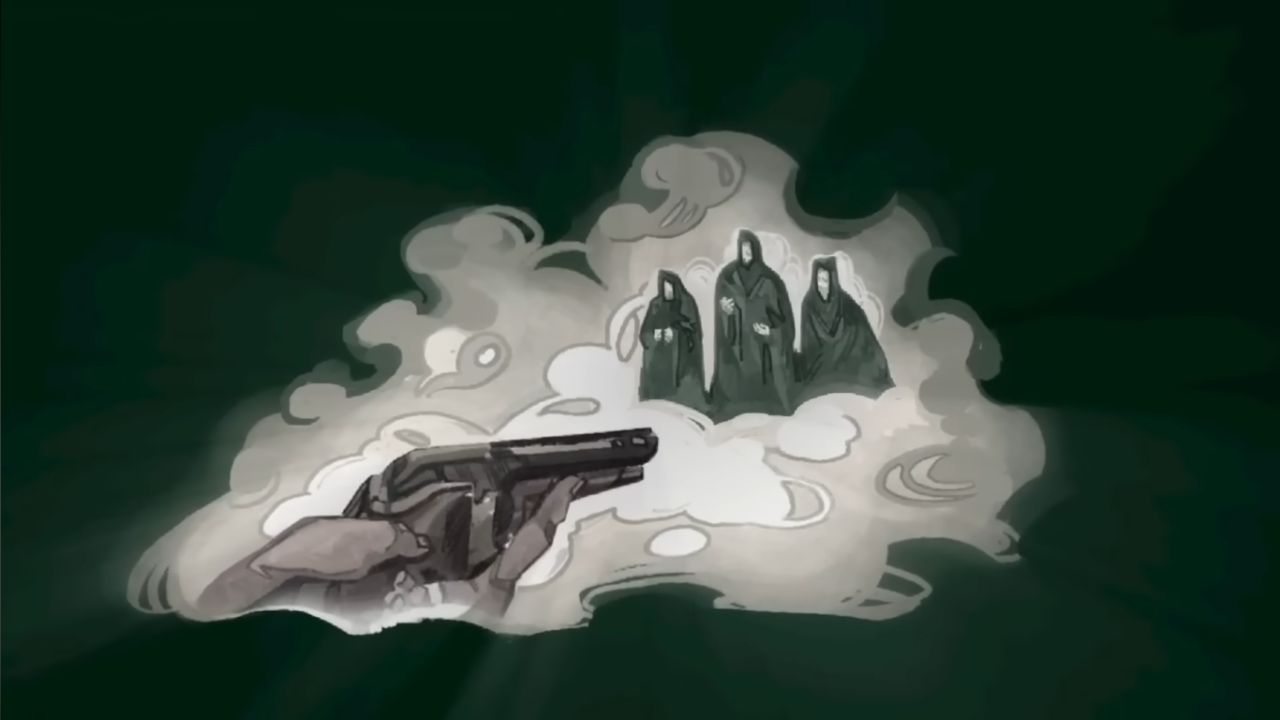
The Child of Doom path concludes not with triumph but with submission, reminding the player that in this world, even redemption demands a sacrifice.
Also, check our No, I'm not a Human Review and our other guides:
- No, I'm not a Human Guide | How to Get the Fema Ending
- No, I'm not a Human Guide | How to Get the Vigilante ending
- No, I'm not a Human Guide | How to get the Killer Ending
- No, I'm not a Human Guide | How to Get the Survive the Cellar Ending
- No, I'm not a Human Guide | How to Get the Survive Ending
- No, I'm not a Human Guide | How to Get the Good Ending
- No, I'm not a Human Guide | How to Get the Super Visitor Ending
Editor, NoobFeed
Latest Articles
No Data.