
No, I'm not a Human Guide | How to Get the Survive the Cellar Ending
Here's a guide on how to get the Survive the Cellar Ending
Game Guide by Mash Rahman on Oct 13, 2025
No, I'm not a Human is a game where you can't trust anyone, every action has consequences, and you are constantly in danger. This narrative offers many interesting endings, among them the Survive the Cellar ending.
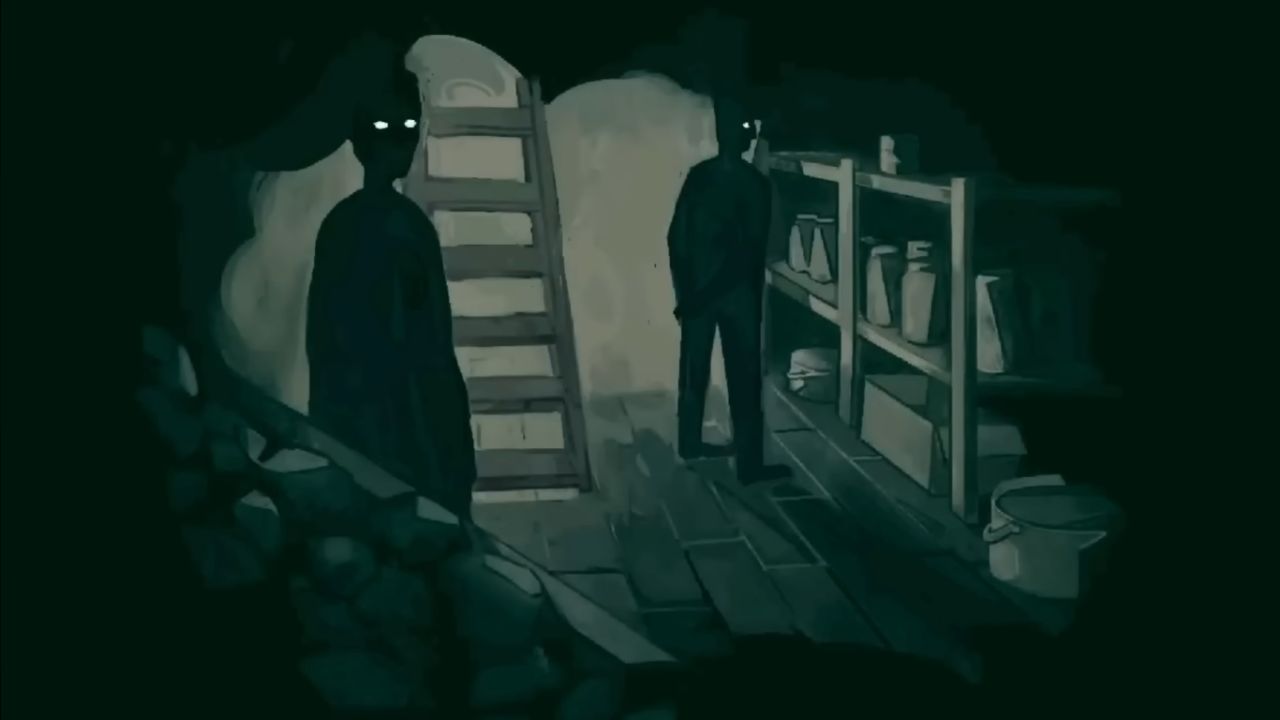
In this guide, I will help you get the Survive the Cellar ending in No, I'm not a Human and help you understand it.
In contrast to death in other endings that can be quick or symbolic, this one focuses on building tension, paranoia, and the nightmarish sensation of being trapped with monsters you cannot trust. In this case, the protagonist is trapped in the basement with some guests who have invaded the house, sometimes by the player's choice and sometimes by the game's progression.
As soon as they are aware that the visitors have arrived, the protagonist experiences increasing paranoia and fear, as if the visitors are scheming, waiting, and waiting for the perfect time to strike. Every movement and sound heightens their sense of vulnerability. Before visitors can even attack, the main character's fear begins to paralyze them.
Their thinking and decision-making become muddled, creating a vicious cycle in which fear breeds indecision and indecision breeds fear. The visitors finally overwhelm the main character, beating them up in a slow, torturous attack. The hero witnesses every instant of this attack, imagining distant, empty landscapes—a single house in the distance—before awareness ceases.
This ending is similar to "The End?" but slower and more painful. It suggests that, even in death, the protagonist can return to the odd "hole" or middle stage from earlier in the story. However, the trip is slower and filled with pain, as opposed to endings that eliminate death by a quick plunge into the hole.
This ending only comes about after careful deliberation of many factors. Composition of household is one of them. By Day 13, have only humans left in the house—or, if preferred, have certain guests who are not confirmed to be fully human. If the protagonist is completely alone, the ending still activates automatically.
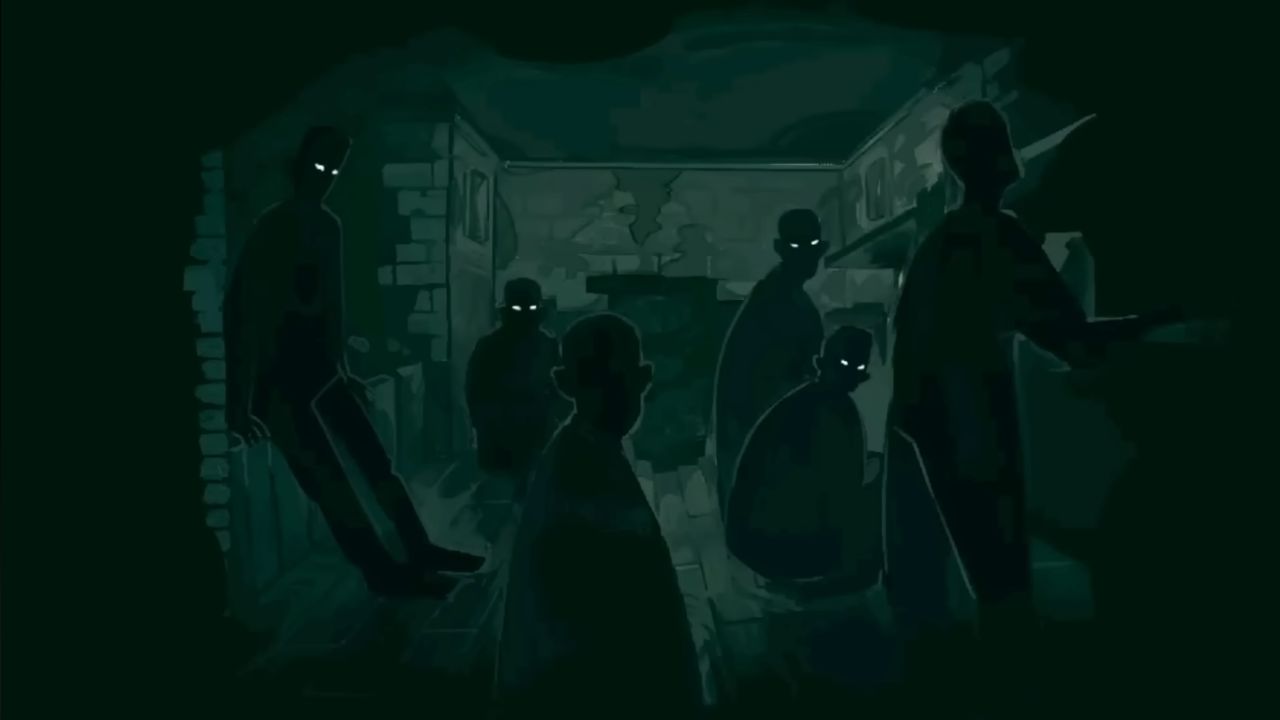
Ambiguous or suspicious guests add tension and create a more psychologically charged final setup. Household composition management affects visitor action and ultimately the conclusion. Second, don't make the protagonist completely human.
Do not perform activities that irretrievably define your humanity, such as finishing jobs or missions involving outside powers, giving away personal items that act as human evidence, or hosting visitors who freely validate your presence.
Failing to human-proof yourself creates more questions for the visitors and provides greater opportunities to trigger this ending. Players who finish validating their humanity are sent to alternate endings that are generally less gruesome or psychologically demanding.
Third, visitor timing and control of visitor entry must be provided. The ending requires visitors to enter the house under certain circumstances. While automatic according to the game's internal clock, some visitors enter automatically, but players control who enters and when by controlling doors and windows or triggering events that grant access.
Letting people in without fully understanding the repercussions, or failing to handle their entry, is directly responsible for the psychological tension that characterizes this ending. Fourth, being unable to or delaying proof checks is essential.
Alongside household control, dealings with the Vigilante or other oversight systems also affect the conclusion. If the protagonist fails to provide definitive evidence of humanity or missteps during interrogation, the visitors' illusory recognition of the protagonist as vulnerable or suspect increases. Ambiguity, reluctance, or refusal to verify identity intensifies the cellar experience.
The game mechanics favor ambiguity; therefore, failed or stalled proof answers are a key tactical play in accomplishing this result. To meet these demands, players must take a few strategic actions. Begin by preparing the house so that the household structure meets the criteria outlined above.

Eliminate or skip guests who would spoil the human-proofing of the protagonist and, if the player is solo, automatically trigger the ending if other conditions are met. Subsequently, provide visitors with an opportunity by making subtle choices that permit them to come into the house either by intention or by virtue of game mechanics.
Do not fully seal entry points if tension and ratcheting towards the conclusion are the objective. The visitor's entry somewhat determines how long the main character remains paranoid and scared. When interacting, keep unsure and fail or drag out proof checks.
Postpone, reveal ambiguous items, or omit dialogue that readily demonstrates compliance or openness. It makes it more likely the conclusion will be triggered. Optional raising of psychological tension may be achieved by maintaining ignorance of visitors' location, restricting movement, or behaving in ways that feed paranoia.
Sources within the community claim that choices that cause confusion and discomfort amplify the "trapped" sensation typical of this conclusion. Finally, the climactic peak is when the protagonist is trapped in the cellar and visitors surround him. This is a gradual, deliberate meeting in which the players experience growing psychological tension directly.
The attack is slow, fully developed, and horrifying, as the protagonist imagines distant, barren settings during loss of consciousness, linking this conclusion thematically to the "hole" incidents at the start of the game.
The "Survive the Cellar" ending first ranks several important narrative and psychological themes. Paranoia and isolation reign, with the protagonist's fear escalating in solitude and the presence of calculating visitors heightening vulnerability. The ending identifies the consequences of constructing choices and indecision, making it clear that small choices can be constructed into fatal acts.
The slow, prolonged attack emphasises the gravity of previous choices and contrasts with endings that include immediate death. In addition, the ending itself emphasises the ambiguity of identity: again and again, the player must decide who is human and who is a guest, reflecting the game's core mechanics under pressure.
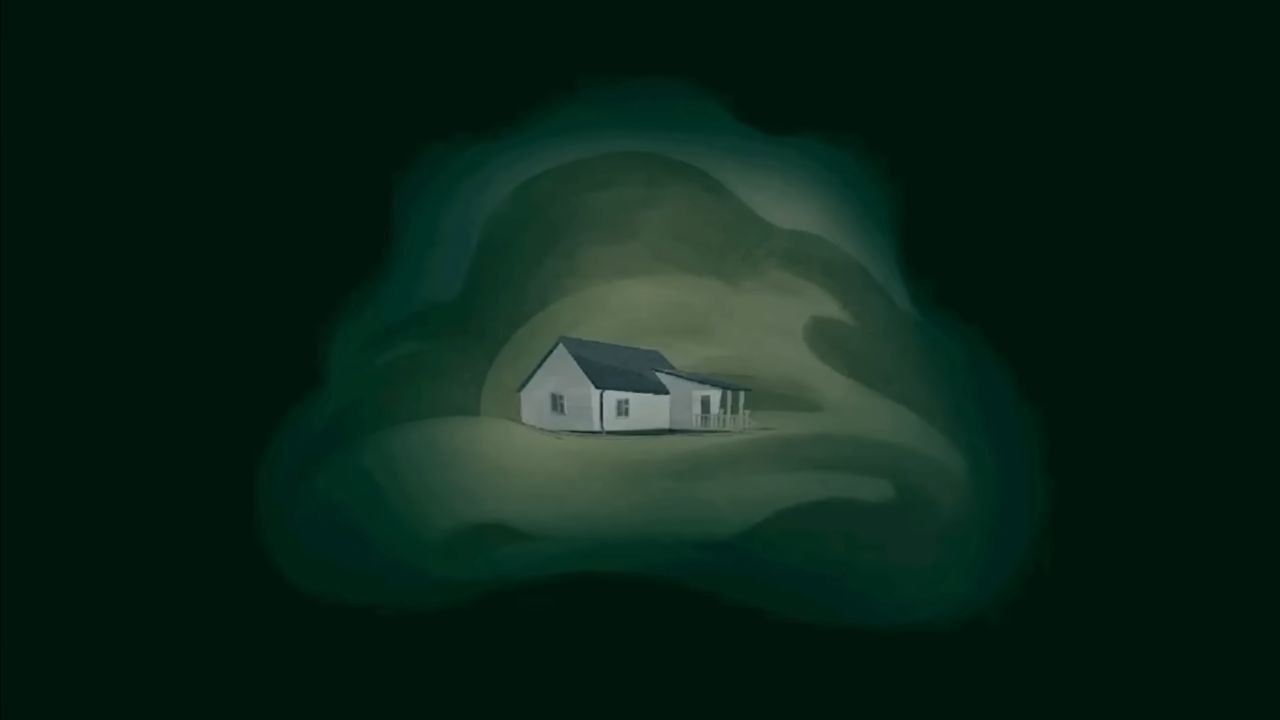
The coherent narrative of a return to a threshold location, or mysterious hole, connects this ending to other dark conclusions throughout the story, adding thematic depth and coherence to the game's diverse endings. Briefly, to initiate the "Survive the Cellar" ending, plan ahead and make deliberate, cautious decisions.
At Day 13, keep only humans or invite only selected guests remaining in the house. Steer clear of anything that makes the protagonist seem entirely human. Permit guests in through avenues that maximize suspense and result in proof checks failing or stalling at crucial conversations.
As an option, manage interactions and environmental clues to maximize paranoia, confusion, and fear. Saving up during and beyond critical days or guest arrival allows playing around with other options when needed. These actions always increase the likelihood of this high-stakes, emotionally intense ending.
It's striking as much for the cold portrayal of consequences as for its thematic consistency with the other endings, particularly those involving the mysterious hole, which emphasize the fine line between human and visitor and the pervasive influence of fear and loneliness throughout the game.
Also, check our No, I'm not a Human Review and our other guides:
Contributor, NoobFeed
Latest Articles
No Data.