
No, I'm not a Human Guide | How to Get the Good Ending
Here's a guide on how to get the Good ending in No, I'm not a Human.
Game Guide by Mash Rahman on Oct 06, 2025
No, I'm not a Human is a game that has many layers, with every decision affecting the ending you get. One of these endings, to me, seems to be one of the best endings, as it gives the player character a peaceful ending, even if it is a false one.
In this guide, I will help you get the Good ending in No, I'm not a Human.
How to get the Good Ending
Getting the good ending in No, I'm not a Human is one of the most rewarding challenges the game offers, blending careful observation with long-term decision-making. Unlike some of the more abrupt or tragic outcomes, the good ending is about perseverance, trust, and the acceptance of safety in isolation.
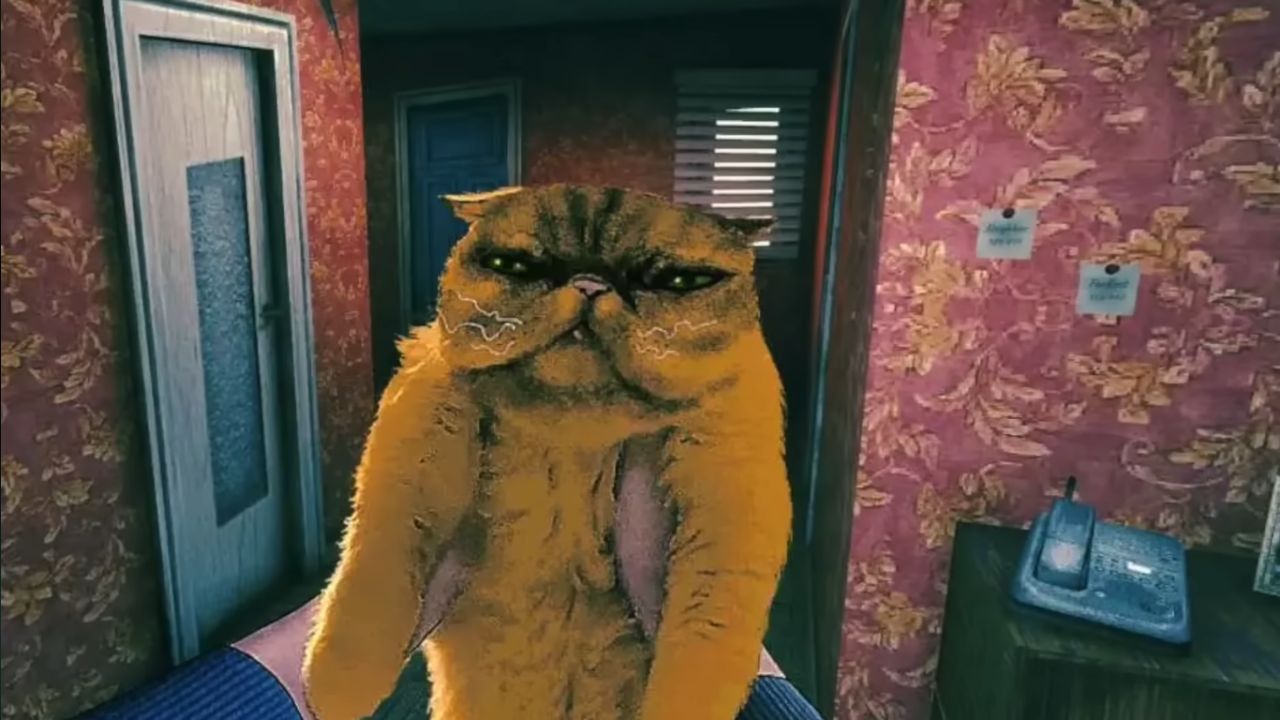
It requires you to remain calm and steady throughout the entire run, as a single mistake in judgment can lead to disaster. While the game offers multiple ending options, this one is the best-balanced and most optimistic.
To achieve this, you must survive until the final day, keep only humans in your home, and board up your house, shutting it off from the world and all that is within it that is dangerous. The following is a tutorial on how to make that outcome a reality, with details on both the mechanics and the storytelling elements that govern it.
The game begins simply enough, with noises in the door and strangers seeking asylum. From the beginning, the atmosphere conveys that the player is left in an uneasy position of trust. Any guest may become a friend or an enemy, and the cost of misestimation will be realized only much later on.
Not banking too much on fighting or sneaking like certain other survival horror games, No, I'm not a Human is all about meticulous reading of tiny cues.
You will be compelled to analyze behavior, verify contradictory information from radio broadcasts and newspapers, and notice contradictions in what the characters tell you.
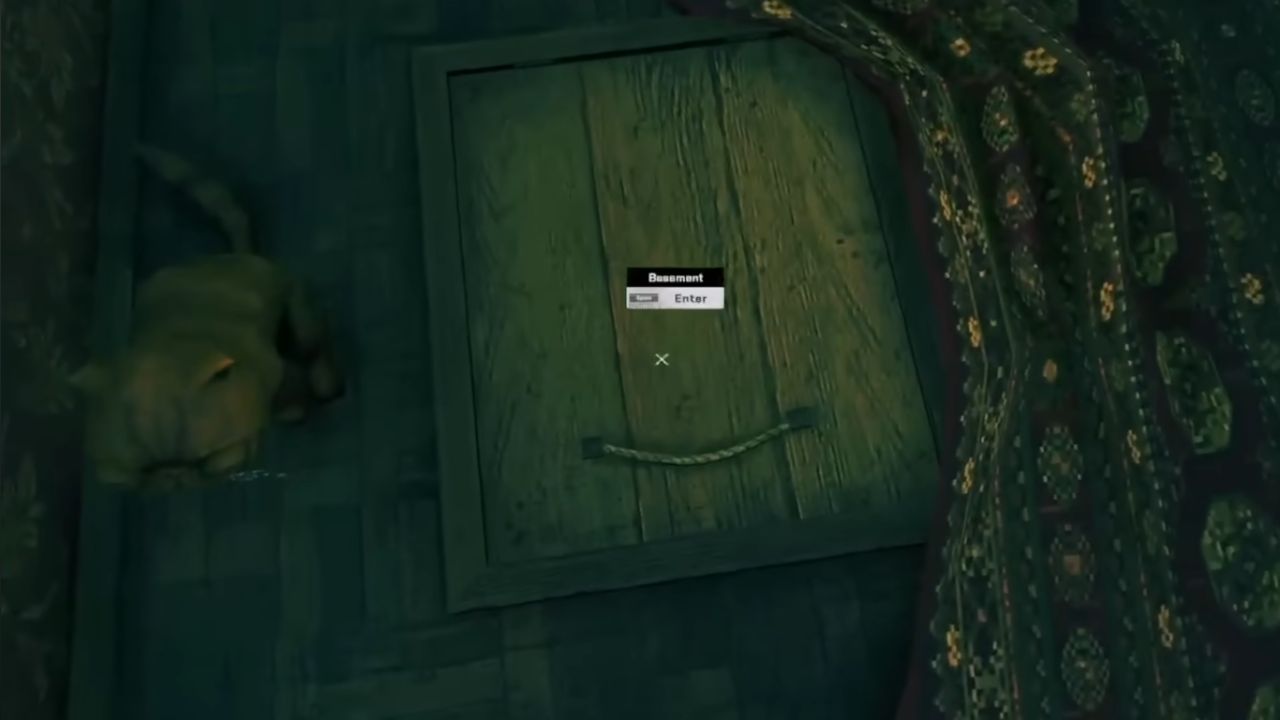
Each choice is part of a pattern, and setting that up in the correct manner is what allows you to survive peacefully rather than being overwhelmed by the Visitors.
In order to get the good ending, the initial massive requirement is that you develop a trust baseline within the first three days. You cannot be by yourself for long, as there's a scripted event on Night 4 when someone referred to as an Intruder arrives.
If you're single by this time, you won't get through the meeting. That means that on Day 3 at the latest, you should have some kind of human visitor in your residence. He or she is your anchor, your person who makes you live as the Intruder enters.
This is easily the most important checkpoint in the whole playthrough, as numerous new players ruin the run here by denying everyone out of fright or killing would-be allies too soon. The game's design encourages you to leave yourself open to risk in exchange for long-term security.
Having survived the Night 4 milestone, the second half of the game offers more potential but more danger as well. Between Days 5 and 13, even more visitors will arrive at your doorstep. Some will be genuine humans you can take in to save their lives, while others may be masked visitors.
The key to survival is doing exactly what you've learnt from broadcasts and memos. The game provides you with suggestions on how visitors behave, the paradoxes between what they say, or what they do at the edges of their stories. You must watch out for those signals when deciding whether or not to admit them.
Denial of admission is always best when you are unsure, but if you already have one or more human verifications, you can take some precautions without sealing yourself off. The talent in making it through this part is finding a balance between trusting and not trusting, but not going so far one way that you end up cutting your own throat.

When you make it to the final day, the stakes are higher than they've ever been before. Day 14 is when the ending branches are determined. If you have only individuals in your house and you choose to board up windows, then you'll lock in the good ending.
Boarding up the windows is more than a game choice; it is the hero's recognition that life outside no longer exists. Instead of taking chances on meeting Visitors or praying for a miracle beyond the door, you decide to endure behind the walls of your sanctuary.
The ending sequence reinforces this choice with finality and a sense of positive uncertainty. You and your fellow survivors remain alive, isolated from the world's dangers, but secure in the knowledge that you are all survivors together.
The risks associated with making this alternative feasible deserve to be mentioned. You will never survive the last day of your life and will die if you are alone when the Intruder comes on Night 4.
If you manage to keep a Visitor alive throughout your house up to the boarding sequence, they will turn on you, and the ending will degenerate into a darker one.
If you're too violent and slaughter everyone without discretion, you can effectively lock yourself out of the good ending as well, as the narrative admonishes excessive distrust by forcing you towards more middle-of-the-road or tragic conclusions.
The balance the game requires of you is acceptable: you must act quickly when a threat is apparent, but you must be strong enough to dare to trust enough to keep humanity in your home.
Details About the Ending
What makes this conclusion satisfying is not only that it is the "best" survival path, but also what it means in the context of the story. The subtitle of the game, No, I'm not a Human, is already setting the stage for the constant concern of identity.
You're never quite certain if the individuals coming to your door are really who they claim to be. The Visitors are that uncertainty, beings that embody humans but alter them in ways only the perceptive player could detect.
To achieve the good ending is to prove that you can traverse this fear without succumbing to despair or paranoia. It is about creating a tiny, secure space where real humans can exist, even if the world outside has been lost.
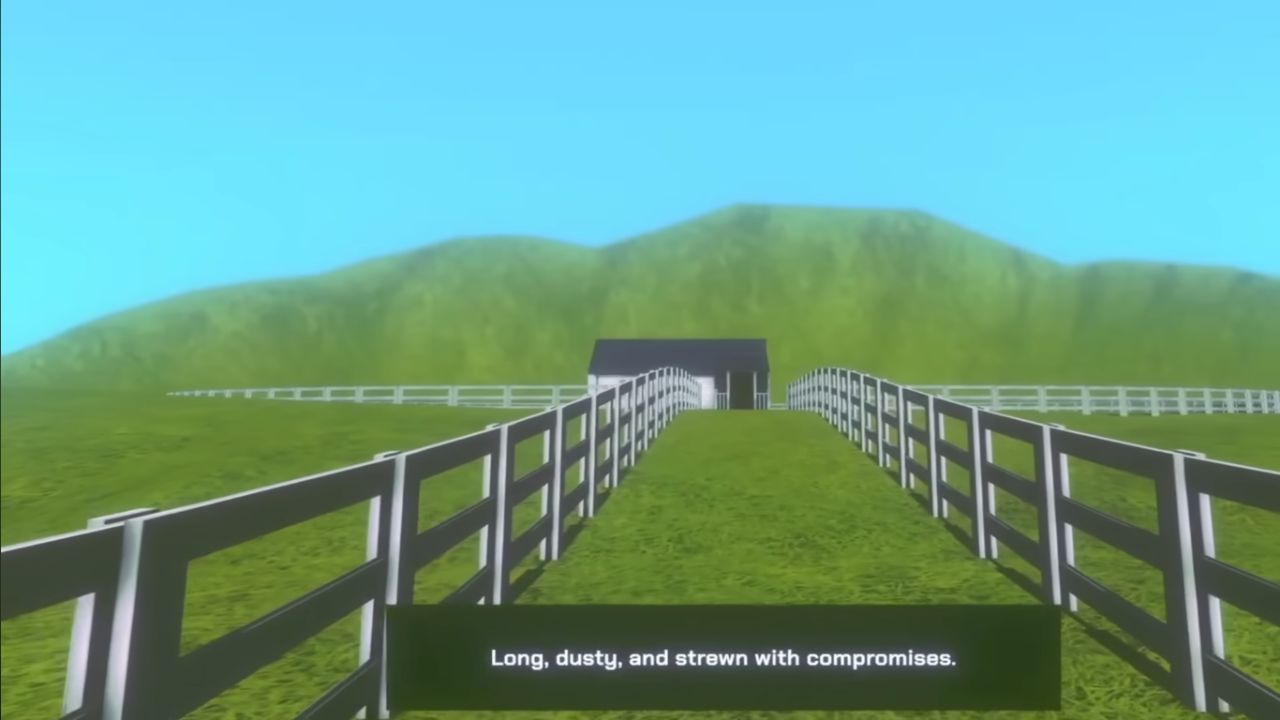
The good ending, in a sense, is unorthodoxly successful; it does not reclaim the world, nor does it eradicate the threat. Instead, it is cheerful for the possibility of survival, trust, and peace within bounds. It is hopeful precisely because it is modest.
Used then, the checklist for this conclusion is simple but unyielding. Make sure you have at least one human you can trust on Night 4 so that you will survive the Intruder.
Notice the details in the actions of the visitors and point them to the news to ensure your house is always safe from potential threats. Killing humans is not necessary since it will prevent you from getting the optimal outcome.
And finally, when it is time on Day 14, board the windows with humans alone inside. Do this consistently, and a good ending will be the result. The hero will take a life of safety and passive survival, and the ending will be on the best possible note that the game allows.
Getting the good ending is not merely about playing through the game. It is about overcoming its themes of fear, trust, and survival. The route forces you to balance instinct and hard facts, suspicion and compassion, and accept the limits as part of your resilience.
Also, check our No, I'm not a Human Review and our other guides:
Contributor, NoobFeed
Latest Articles
No Data.