
No, I'm not a Human Guide | How to get the Killer Ending
Here's a guide on how to get the Killer Ending
Game Guide by Mash Rahman on Oct 13, 2025
No, I'm not a human revolves itself around tragic storylines; no end is truly a good end, only melancholic. Some of the endings go as far as to make you feel like this really was the wrong choice to make, making the character go down such a dark path that it makes your skin shudder. One of these endings is the Killer ending.
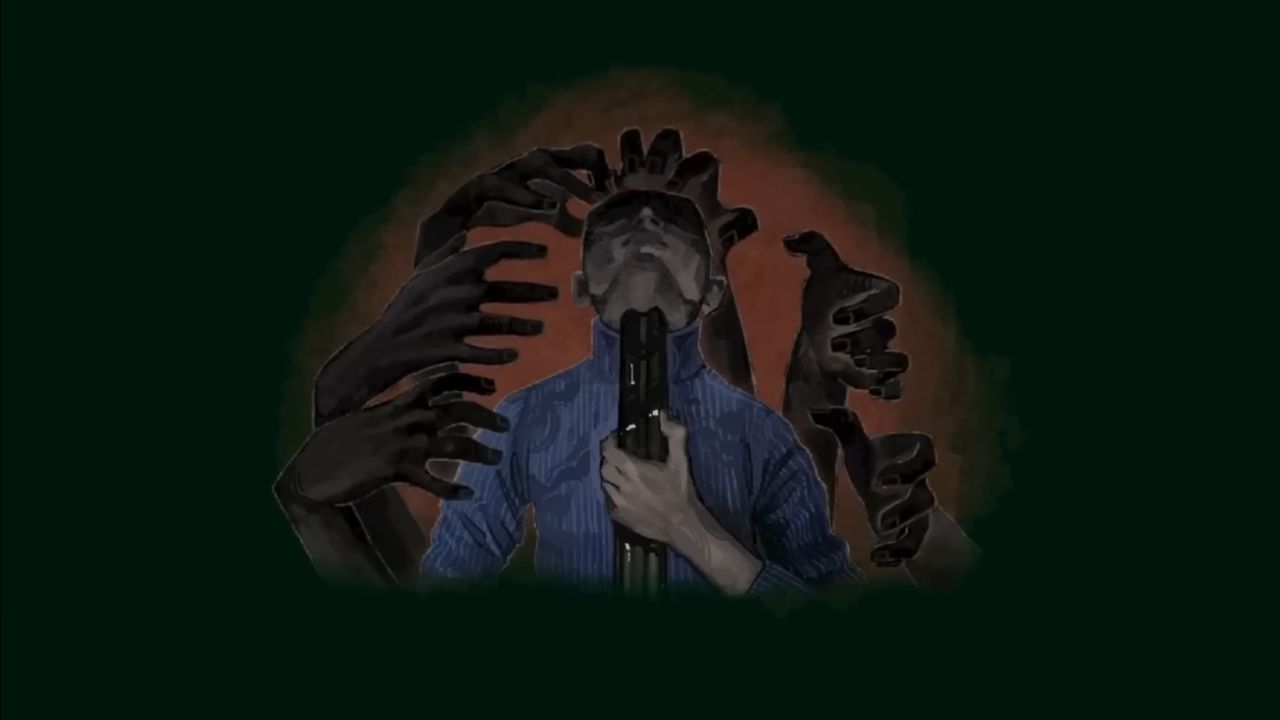
In this guide, I will help you get the Killer ending and help you understand it in No, I'm not a Human.
The true meaning of this ending lies in the human mind's susceptibility to continuous pressure and the consequences of giving in to worry as a motivating force. Attaining this position is something beyond the killing of characters; it is an unavoidable paranoia that runs throughout the book, so the story naturally evolves into disintegration and ethical collapse.
The Killer Ending is triggered by a sequence of in-game events that depict the protagonist's descent into madness and a newfound motivation to survive at all costs. You are then tasked from the early stages of the game with cultivating a keen sense of paranoia.
The game provides a reliable source of information about Visitors, warnings learned from watching television, and environmental signs that foretell danger. Taking these warnings into account and treating every visitor's actions as potentially harmful, the protagonist begins to behave on suspicion rather than on reason.
You have to resist the temptation to trust or empathize, even with the guests who have shown non-hostile intent, because any attempt at trust will incidentally nudge the game along an alternate, pacifist conclusion. All interactions must be managed as potential threat scans that generate the psychological tension required to initiate the Killer Ending.
Killing human guests is one of the key features of this path. In contrast to some of the other endings, where you are rewarded for being able to tell the difference between humans and Visitors, the Killer Ending is one where you outright kill what you perceive as threats.
Using the shotgun or whatever means are at hand, you have to continually attack the humans that take shelter in your home, and the game monitors these attacks as a measure of the protagonist's descent into madness.
The killings are not random; they are utilized as a means of reinforcing the motif of behavior inspired by paranoia, creating a feedback system where the protagonist would regard any newcomer as justification enough for employing more violence. It is prudent to maintain this cycle of action because sporadic breaks in violence or wavering may fail to initiate the correct sequence.
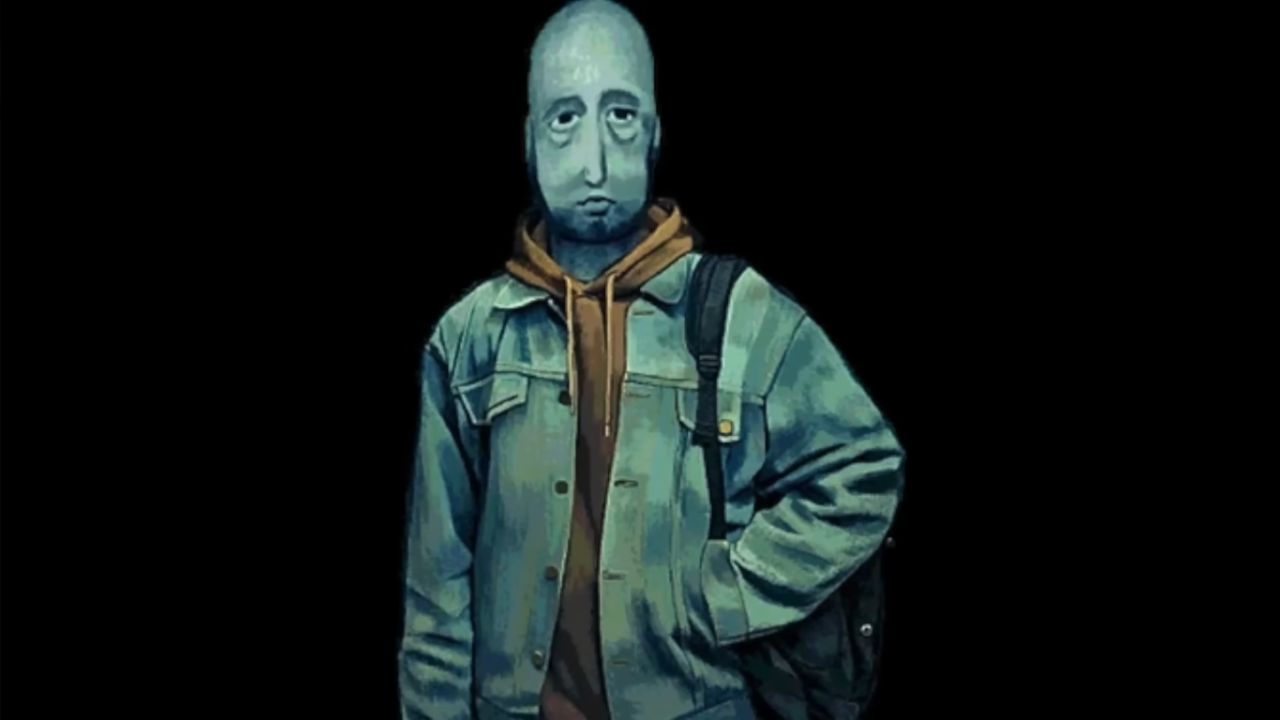
After proper paranoia and the evacuation of human visitors, the game introduces a main character, commonly known as the "Prophet" or "Egghead Guy", who drives the plot towards the Killer Ending. The character is introduced only after the protagonist has exhibited a behavior that loops constantly into cruelty and distrust.
His appearance isn't a plot twist; it's more like a checkpoint in the story, ensuring the protagonist has reached a full state of paranoia and moral compromise. You do not have direct control over this sequence, but must make sure past choices meet the required prerequisites, because deviating in any manner will make the ending fail to trigger.
The Prophet's words and presence amplify the sense of inevitability, stressing the psychological tension that defines this path. Approaching the Killer Ending, the sanity of the protagonist is undermined.
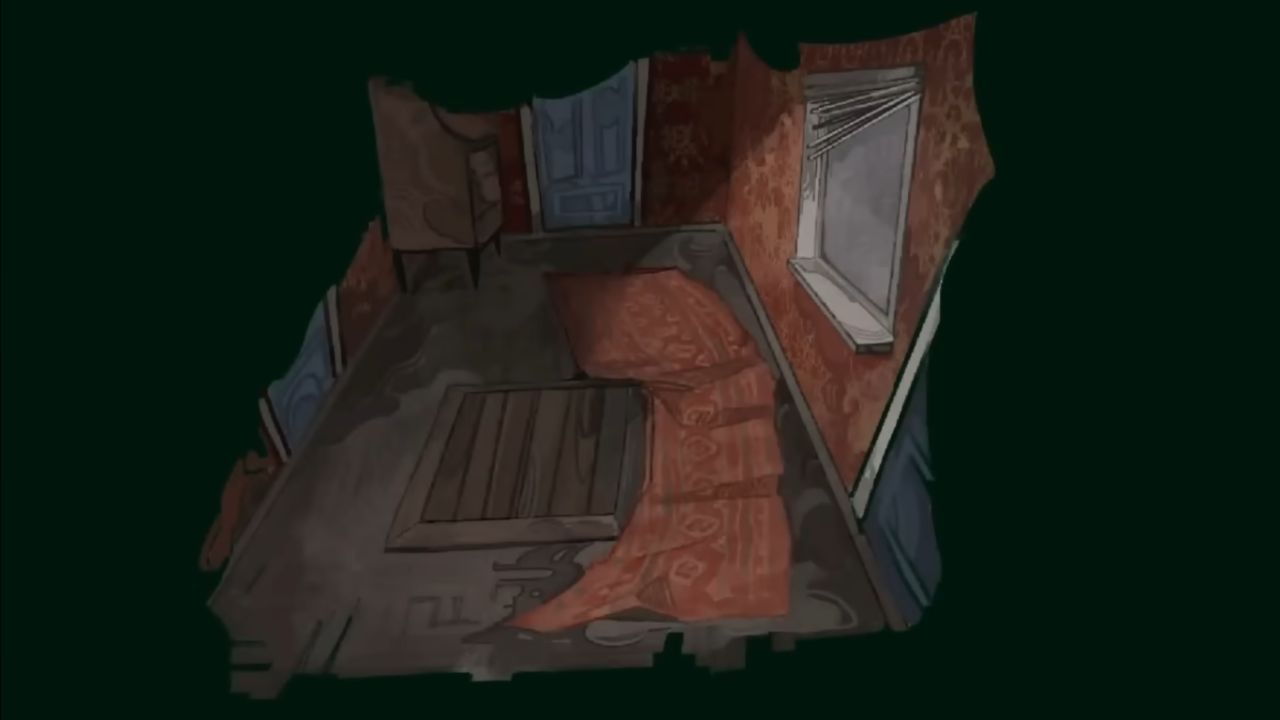
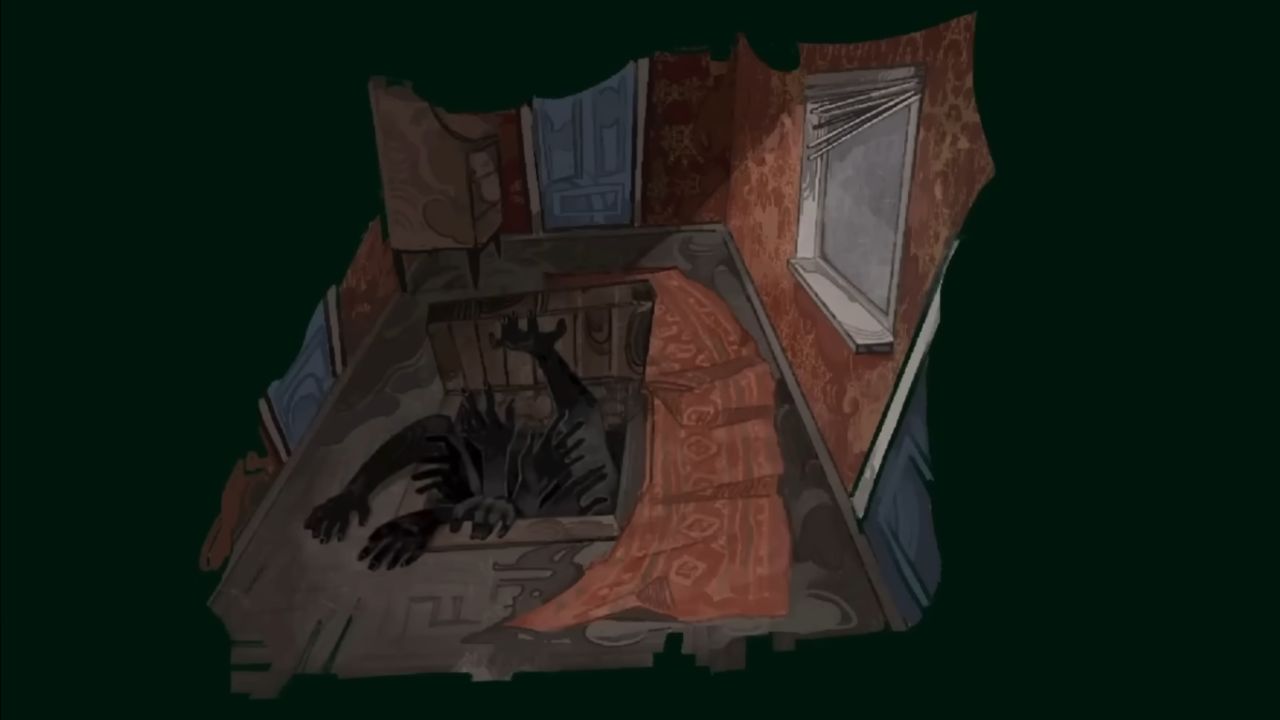
Survivors to you may look grotesque, objects and sounds take on dark meaning, and every decision is tainted by fear. The game depicts the protagonist's mental state in a way that reinforces the psychological horror they have been experiencing. When the protagonist is ready to shoot themself with the gun to escape punishment for paranoia, other survivors arrive.
They may attempt to stop the protagonist, which could lead to violence and sustain the punishment through undelayed fear. The narrative keeps some things ambiguous, such as whether the sun is poisonous to the protagonist, whether a Visitor ever shows up, and whether one can live, creating layers of tension and uncertainty that heighten the ending's psychological impact.
The Killer Ending addresses a variety of thematic elements that separate it from the other endings. Fear is of utmost significance, governing all decisions and delineating the protagonist's perception of friend and enemy.
This ending also shows what might happen when someone's morality is sacrificed: the protagonist's preemptive violence and the murder in "self-defense" reveal that you have truly sacrificed your morality for survival.
The theme of isolation is ever-present, with you killing all the other survivors and leaving them alone among the other survivors. The ending shows how susceptible humans can be to coercion, demonstrating how paranoia can distort reality and lead us to make catastrophic decisions.
Watching for environmental cues, listening for dialogue, and sensing subtle hints of character action all help maintain the right psychological path. Every choice must carry on the paranoid mindset of the protagonist so that the game is in tune with the pervasive pattern of paranoia and violence.
You have to be slow and mindful because dashing or erratic execution of these actions can prevent the ending from happening. The game promotes consistency in action and thought, rather than random violent outbursts. Once the conditions are met and the Prophet appears, the event culminates in a dramatic and morally unsettling denouement.
The actions of the protagonist trigger a sequence that mirrors the psychological consequences of paranoia and unhinged rage. The survivors struggle to stop you; even still, your mental state and the decision you made before have already decided your end. The ending emphasizes the inevitability of consequences when fear and suspicion dominate decision-making.
While the ending provides narrative closure, it deliberately leaves some elements open to debate, reinforcing the game's overarching themes of uncertainty, paranoia, and moral ambiguity.
You have to read actions as threats, kill human guests, and fail to make trust choices. The arrival of the Prophet is the narrative checkpoint that initiates the Killer Ending sequence, the point at which the protagonist's sense of reality is most warped.
It is a psychologically unsettling, morally dense, and thematically correct ending that emphasizes the consequences of letting fear direct every action.
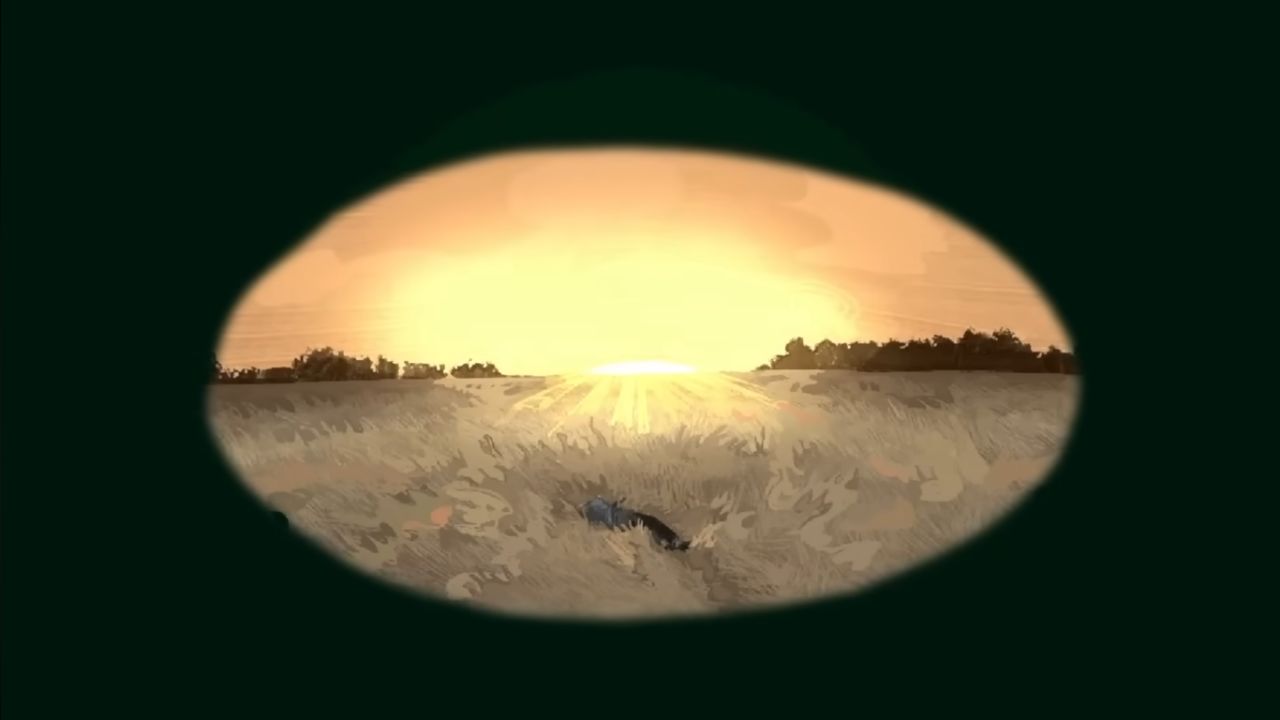
This ending provides insight into the game's narrative depth and psychological horror mechanics, highlighting how choices, perception, and moral judgment interact in extreme survival scenarios.
Also, check our No, I'm not a Human Review and our other guides:
Contributor, NoobFeed
Latest Articles
No Data.