
No, I'm not a Human Guide | How to Get the Cult Ending
Here's a guide on how to get the Cult ending in No, I'm not a human.
Game Guide by Mash Rahman on Oct 15, 2025
No, I'm Not a Human is a psychological survival-horror experience about trust, identity, and the human instinct to find meaning in the chaos. It unfolds over several nights during an apocalyptic event in which the world outside is consumed by an unbearable sun and society has collapsed into madness.
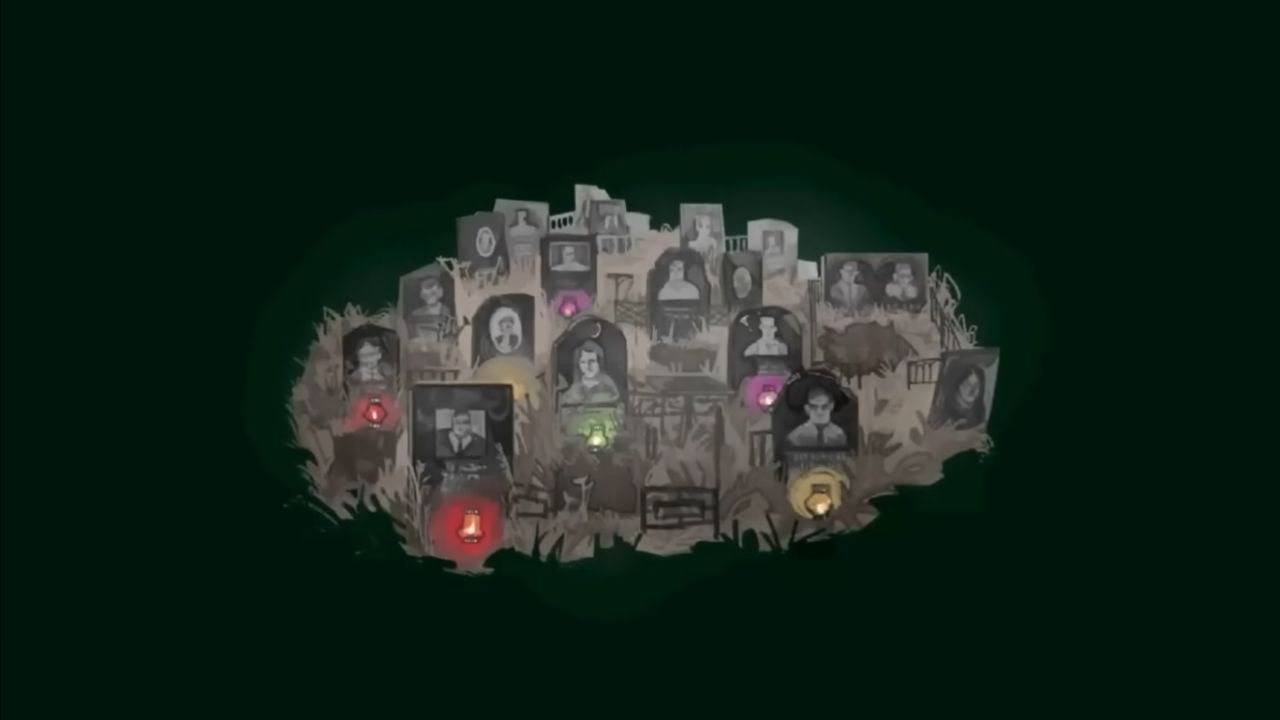
Players take on the role of a survivor barricaded inside a house, opening the door each evening to those seeking refuge. Some are human and plead for refuge, but others are mysterious "Visitors" —monsters who take on human form and bring carnage and corruption.
The player must decide whom to accept, whom to reject, and when to fire, based on scant information delivered in a nightly briefing that reveals one new trait to help separate the human from the imposter. Each decision pushes the game towards one of many endings.
Of these, the more interesting and unsettling is likely the Cultist Ending, or "May Death Cleanse Us of Our Sins." This route brings together fatalism, religiosity, and cosmic horror into a single tragic ending about how humanity handles what will inevitably be their fate. To gain access, the player must survive long enough to meet the cult emissary.
Somewhere in the middle of the game—around Night 8, usually—the doorbell rings, and someone at the door presents himself as a cult leader. He speaks slowly, his voice dripping with command and an almost godly resolve, and asks if he may leave some of his minions in your care for safekeeping.
They are Death Cult Peons. The best course of action is to comply with his request. If you discount them, the door to that realization is slammed shut immediately. The cultists are harmless enough inside, performing strange rituals and whispering to each other. They do no harm, unlike the Visitors, but their ominous silence and fires outside the window begin to create an impression that something darker and worse is imminent.
Your main goal from now on is to try to keep them alive. They all have to be kept alive until the cult leader returns. If someone is killed or taken by FEMA agents on their nightly round-up, the cult plot fails, and the ending is lost. FEMA is a totalitarian organization that shows up now and then to take people away for the sake of protection, but their activities result in execution or disappearance.
To keep them away from the cultists, you must manipulate the circumstances by issuing FEMA alerts against unwanted visitors or new arrivals. The alerts are aimed at individuals for removal. The fewer the visitors, the more secure the cultists will be.
Don't interfere in the matters yourself and let FEMA handle it.
Don't shoot them yourself, report them to FEMA, and don't allow Visitors to remain in the home long enough to cause harm. Since each evening holds the potential for a Visitor entering your sanctuary, careful protection is required.
Tune into the night broadcast to find out the new defining trait—shape of eyes, tooth count, or tone of voice—and inspect each guest accordingly. The cultists are actual people, and the game subtly suggests this through their serene demeanor and composed mentality, but they can still be killed if you do not maintain your home. The Cultist Ending is therefore a delicate balance of faith and restraint. The cultists start setting candles and wooden stakes all over the house over time.
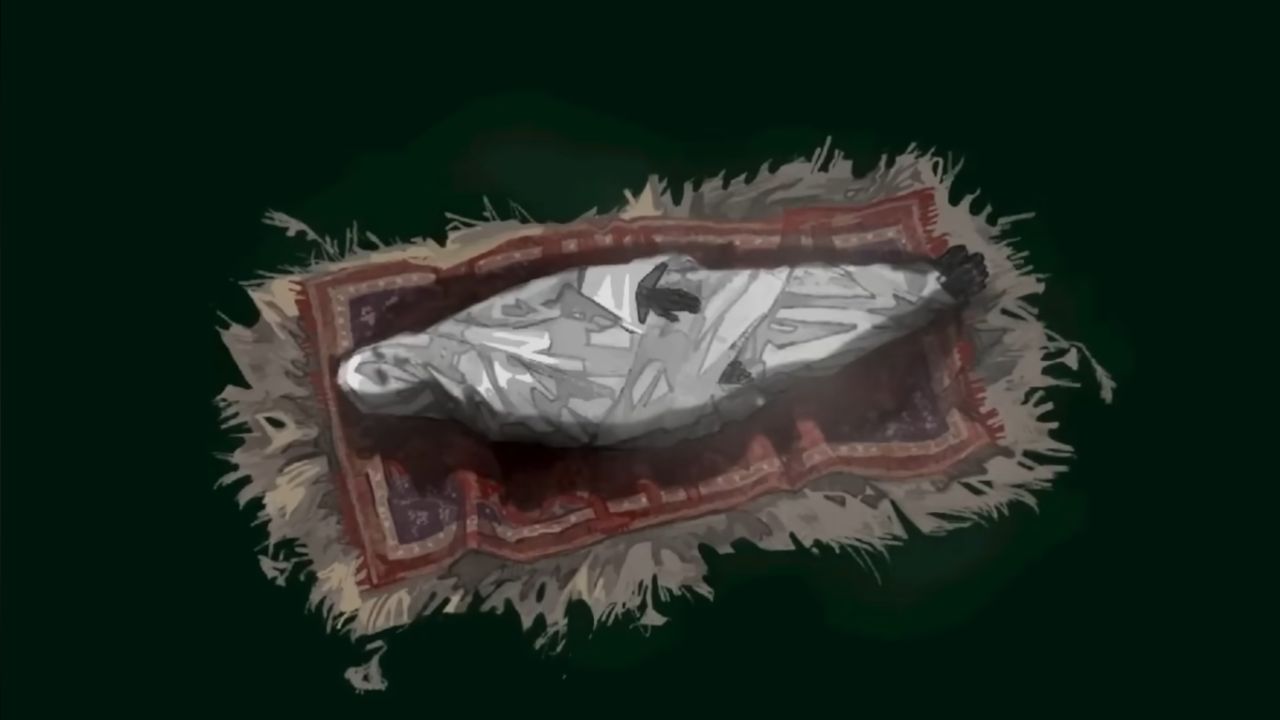
The visions are unsettling at first, but they play an important role in the ritual wherein they are engaged. Whereas the other endings are all about survival, rebellion, or isolation, the cultist ending places you in the middle of a condition of acceptance and peace in the face of death.
The interaction between the cult leader and the protagonist, when he comes back, is all about the ideology behind what they are doing. He informs them that his followers have voted to die at their own hands, without fear and en masse . In a deranged world outside, where death descends from Visitors or man's hand, they have found peace in ritual.
The chief invites you to sit with him and promises that each death will be remembered, that each soul will be named, and that memory will be transcendence. To take his offer is the fateful ultimate decision. Denying it breaks the path and leads to an alternate or neutral ending, but accepting it traps you under the Cult's ideology, leading to one of the game's most disturbing endings. Mood changes after acceptance.
The cultists silently gather outside as the night grows darker. The atmosphere hums with murmuring, low, chanting noises, and a dreamlike sequence of events transpires. The screen distorts, the music slows down to a heartbeat, and a gigantic tear opens up in the sky like a black hole.
For a brief moment, one thinks that reality will collapse. A voice then murmurs that the human brain cannot understand the secrets of the universe. The tear dissolves, the chant ceases, and there is blackness. The implication is that the Cult has achieved what they wanted: a kind of death greater than fear, witnessed by the universe but never understood by mortals.
Then everyone who died is remembered, and their burial spot is inscribed with their names and lit with candles. This gives the game a sense of dignity that runs through all of its other endings. The Cultist Ending symbolizes the capitulation of human rationality to faith in the face of the unfathomable.
Every other path in No, I'm Not a Human is about control—whether it's identifying the Visitors, resisting FEMA, joining the vigilante, or searching for the divine in the cellar. The cultist route rejects all of these. It asserts that peace lies not in victory but in understanding one's insignificance.
The hero's decision to join the Cult is a rather clever way to escape the cycle of violence, fear, and suspicion. The black hole is the limit between human understanding and the void of the universe.
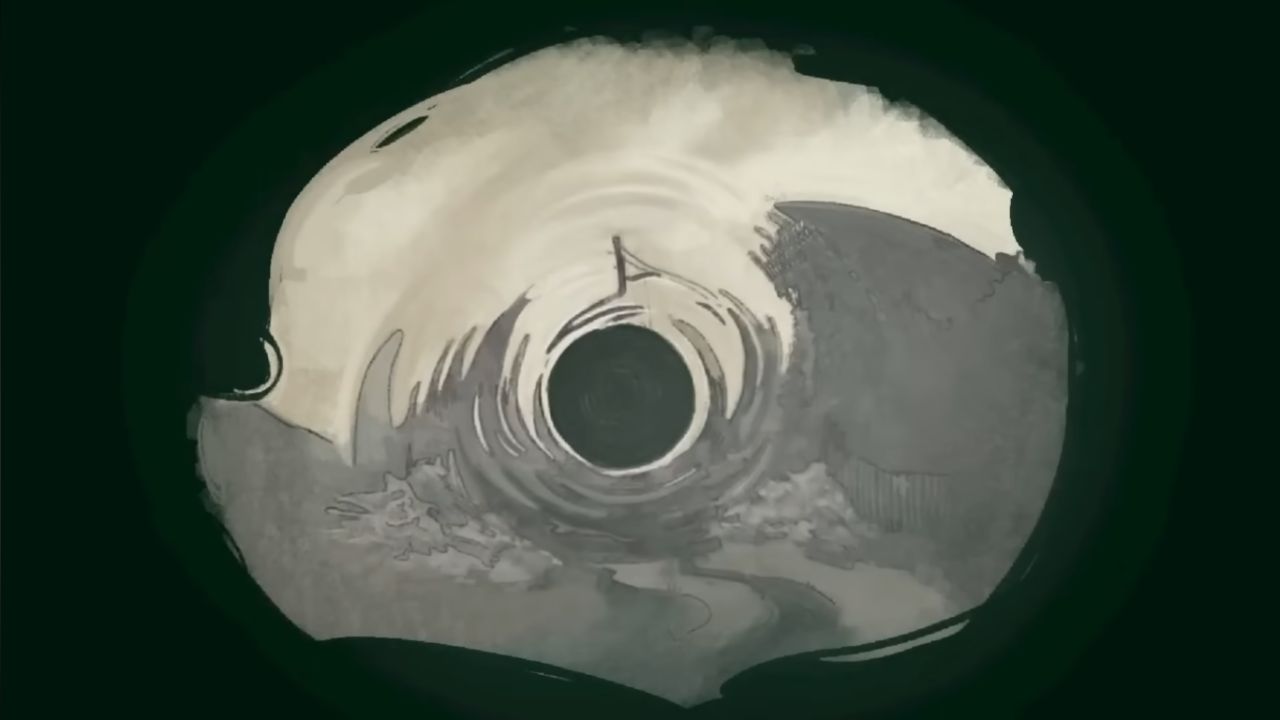
The line "our mind is not made to deal with the mysteries of the cosmos" acknowledges that there are certain truths beyond survival and that certain truths necessitate surrender, not effort. Players generally suggest completing this ending successfully by having the cultists as the only long-term visitors after they arrive, feeding them whenever possible, and minimizing risk by killing Visitors as soon as they are discovered.
Never give FEMA a cultist in order to get this ending.
Don't let the FEMA rolls do more than you do, and never give a cultist to them. If you weigh this and accept the cult leader's offer, the ending will unfold. This, though classed as one of the darker outcomes, is something fans have found to be strangely beautiful—a conclusion that makes sense for certain fates.
In contrast to other endings where the protagonist dies alone, hunted, or consumed, the cultist conclusion allows him to die remembered, part of a collective that faces the end with calm acceptance. Ultimately, the Cultist Ending of No, I'm Not a Human stands out for combining gameplay precision with existential reflection.
The moral responsibility to treat the guest and the ethical ambiguity of choosing faith over life raise the larger question at the heart of the game: what does it mean to be human when humanity itself is dying?
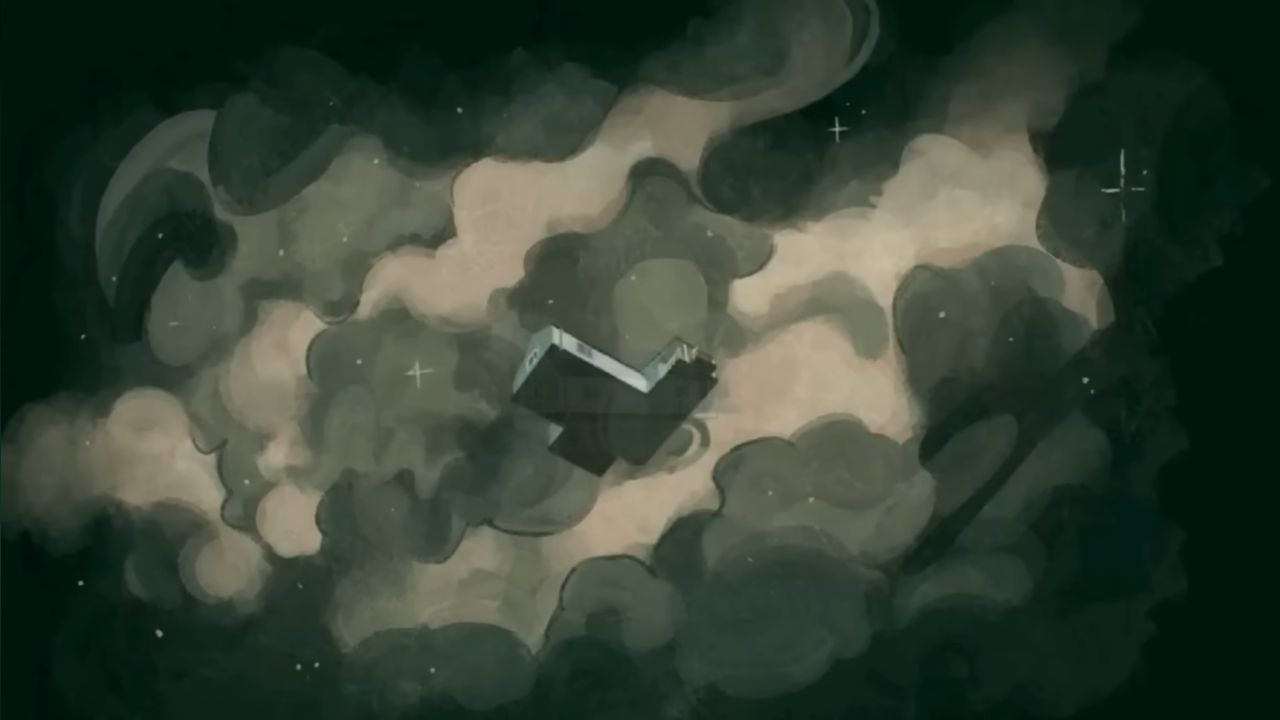
By choosing to be a cult member, the protagonist surrenders pretense and embraces the final truth—that death, when shared and celebrated, can be the final act of meaning in a heartless world.
Also, check our No, I'm not a Human Review and our other guides:
- No, I'm not a Human Guide | How to Get the Child of Doom Ending
- No, I'm not a Human Guide | How to Get the Fema Ending
- No, I'm not a Human Guide | How to Get the Vigilante ending
- No, I'm not a Human Guide | How to get the Killer Ending
- No, I'm not a Human Guide | How to Get the Survive the Cellar Ending
- No, I'm not a Human Guide | How to Get the Survive Ending
- No, I'm not a Human Guide | How to Get the Good Ending
- No, I'm not a Human Guide | How to Get the Super Visitor Ending
Editor, NoobFeed
Latest Articles
No Data.