
No, I'm not a Human Guide | How to Get the Fema Ending
Here's a guide to the FEMA ending and its lore implications.
Game Guide by Mash Rahman on Oct 15, 2025
No, I'm Not a Human is a world that has already gone by. The sun is now a monster — its radiance is oppressive, and its heat is lethal. The only survivors are living in the dark. When you begin the game, you find yourself in a seclusionist house, struggling with limited resources, with the door as your only connection to what remains of humanity.
Every night, someone knocks on the door. They can be human, running for their lives, or perhaps something other than human — a "Visitor", an impersonator who wears a human disguise but hungers for it. You are required to repeatedly decide who to grant entry to and who to slay.
The gameplay is seemingly simple but psychologically brutal.
The gameplay theme comes off as simple but is psychologically brutal. You have only so much energy per day, and each option -- questioning, analyzing characteristics, eavesdropping on the radio and television for reports -- takes it away. The reports caution you about new indicators that can help you identify Visitors: flawless teeth, unusual eyes, hairless underarms, and unusual voices.
Everything is conditional, though. The game repeatedly second-guesses your intuition, challenging you to play god. Killing a human means losing a piece of your sanity, but letting a Visitor live can doom everyone in your house. That tension is the heart of No, I'm Not a Human.
As the days go by, the government collapses, communication fails, and new factions emerge. Some survivors form cults, preaching salvation through fire. Others take justice into their own hands, becoming vigilantes.
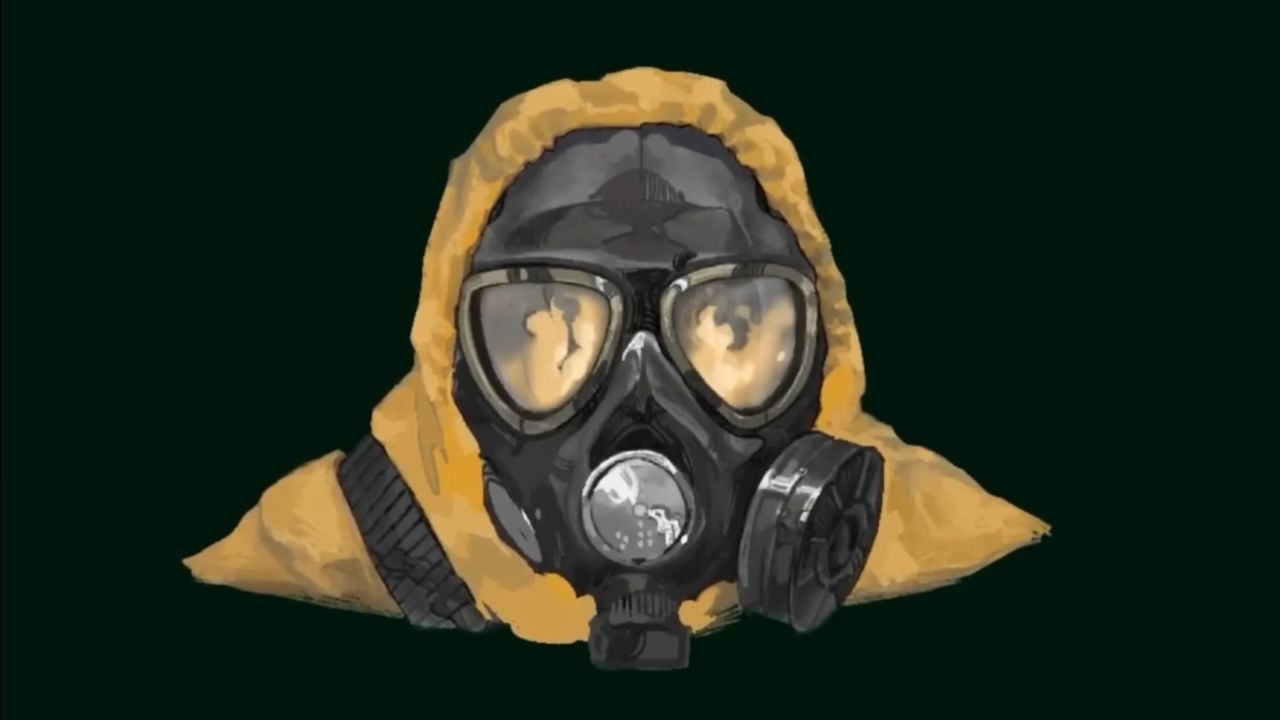
And then there's FEMA — the Federal Emergency Management Agency — which once again seems like something far more ominous than it implies. Hazmat-clad, the FEMA agents are the cold face of order in an unraveling world.
When they first arrive at your door, they're officious. They claim to be here to protect survivors, to restore order.
But their actions also hide a deeper reality: they take them away, lock them up in quarantine camps, experiment on them, and dispose of anyone that they are unable to use. Their sanitized suits and gentle voices hide something mechanical and merciless.
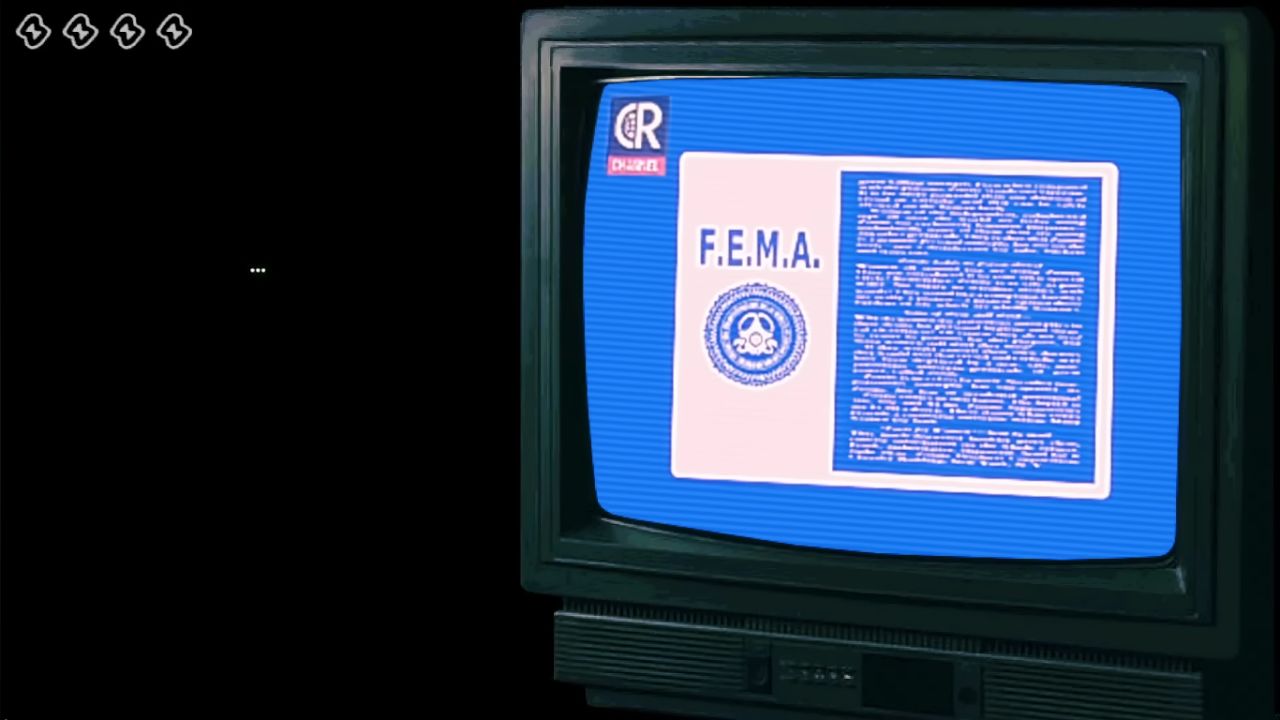
Getting the FEMA ending requires playing on the side of that machine. It is not one of the hardest endings to get, but it is one of the most morally claustrophobic ones. Listen intently to the TV announcements first. Occasionally, a number will appear on screen—the official FEMA number. Take note of it.
Use your phone to call that number whenever you can. Keep calling it over and over so that you have established your connection with them. The FEMA agent will visit you occasionally — usually on Days 4, 8, and 10 — and enquire about survivors at your address.
Each time, you'll be able to resist, question, or obey. Obedience is the key to achieving this ending. Always flip someone over, even if you suspect they might be human. FEMA doesn't care about your moral compass, and they only compensate for obedience.
You'll also be receiving official FEMA notifications — slips or scraps of paper that serve as a dark currency throughout your playthrough. You can leave these with guests for pickup. The FEMA agent will collect the tagged ones on his subsequent visit.
It's a despicable system, but it keeps you alive for longer, and it's important in making it to the FEMA path. Sacrificing every other person you do makes you a bargaining chip in FEMA's brutal chain of command.
Adhere to the routine. Never argue with the agent. Always stay calm, polite, and obedient. When he orders you to prepare, prepare. When he enquires if you'd prefer to serve, reply affirmatively without question.
If you are ever handed a hazmat suit or a role in "operations", accept it. Even the slightest demonstrations of disobedience — stalling, second-guessing, or trying to hide survivors — can push you into a different conclusion or kill you. FEMA does not tolerate hesitation.
As you become closer to the agency, you'll start noticing changes. Other survivors will talk behind your back about your choices. Some will beg you not to let the agents take anyone else.
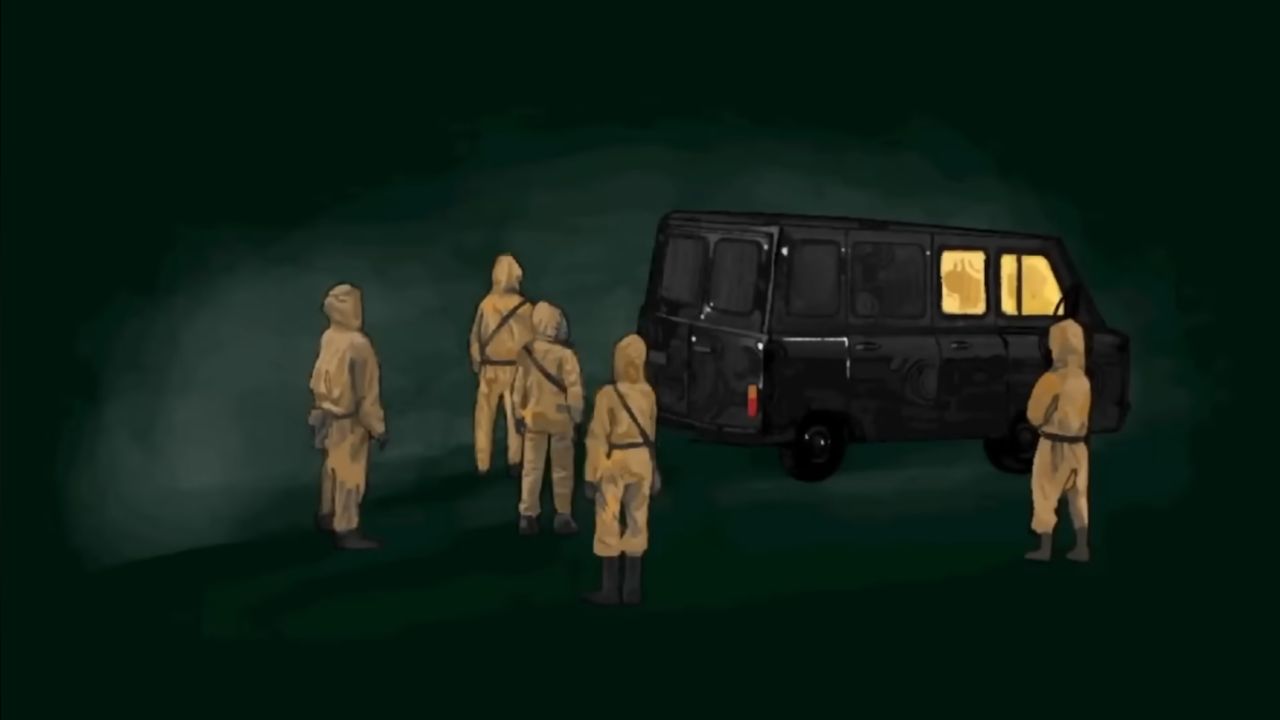
Others will simply disappear in the dead of night. The programs grow increasingly sinister, filled with propaganda for "reconstruction" and "population management." FEMA controls the country now, though, and they're not constructing a nation — they're building a prison system with white coats and sanitized deception.
The world beyond your doorstep is a wasteland of order, where human life is rationed, monitored, and disposable.
Finally, the FEMA agent shows up at your doorstep again. This is where everything begins to come together. He'll see your "loyalty" and invite you to join them. Accepting the position triggers the FEMA ending, also known by some in-game as "Welcome to FEMA" or "FEMA Compliance". The final scene is symbolically haunting.
You're seen through the agent's goggles, your reflection surrounded by black lenses that mirror fire and destruction. Your face is no more — replaced by just an empty visor. Your personality is gone, your humanity stripped away. You're now part of the system that killed everything you were trying to preserve.
Story-wise, it's one of the most terrifying endings.
This is a very chilling conclusion. With the cultist or vigilante endings, the player is making choices based on faith or desperation. The FEMA ending is about giving in. You give up moral agency for the illusion of survival.
It's a reflection in the player's face: after all the paranoia, all the killing, all the judging, were you really better than the Visitors? The goggles you put on at the end — opaque and reflective — symbolize that loss of self. You're now faceless, nameless, interchangeable.
By Day 12 or so, the recruiter makes an offer. Once that is accepted, your screen goes dark into the climactic sequence, the protagonist in a full hazmat suit, eyes hidden, surrounded by fire.
The narrator describes the protagonist's mind collapsing — he can no longer remember his home, his guests, or even his name. Duty, obedience, and incessant mechanical recurrence of FEMA's efforts are all that remain.
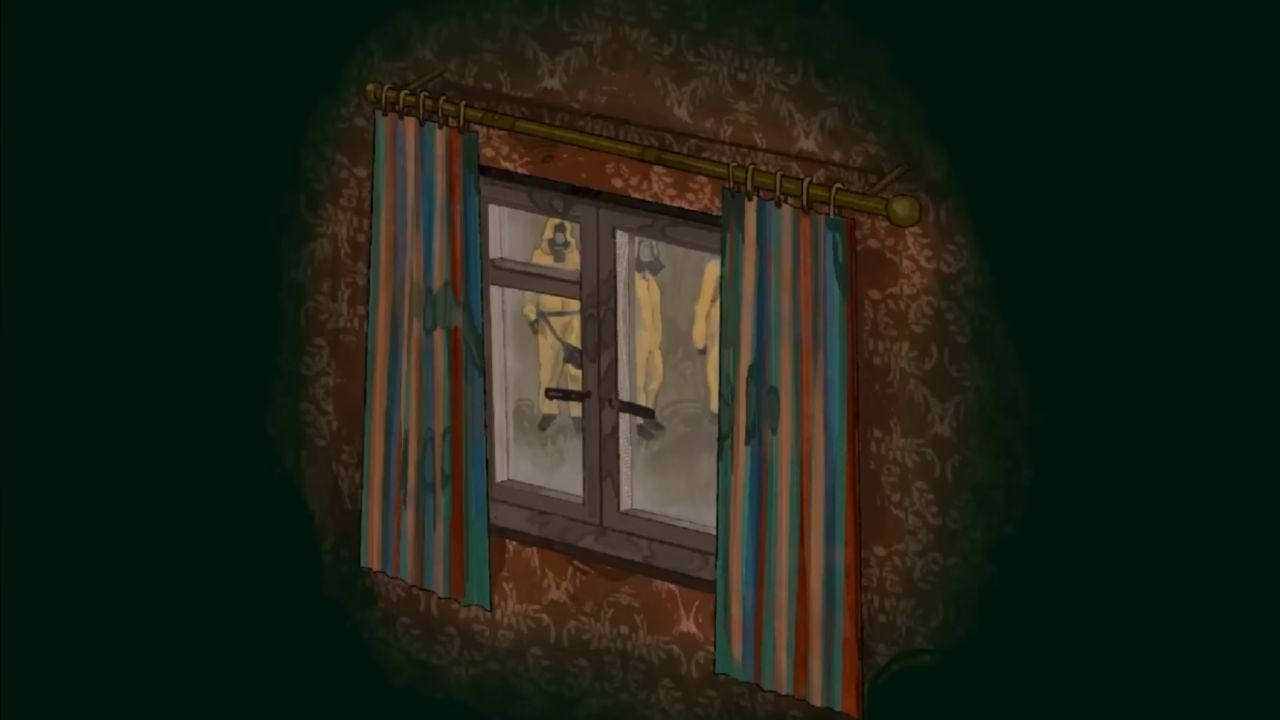
The FEMA finale doesn't make you secure or safe — it makes you survive at the cost of your soul. It's a bleak imitation of No, I'm Not a Human's general themes of paranoia, control, and erosion of empathy in a world that's lost sight of what it means to be human.
By the credits, you can't help but question every choice you made to end up there. Did you really live, or did you just become a type of monster?
Also, check our No, I'm not a Human Review and our other guides:
- No, I'm not a Human Guide | How to Get the Vigilante ending
- No, I'm not a Human Guide | How to get the Killer Ending
- No, I'm not a Human Guide | How to Get the Survive the Cellar Ending
- No, I'm not a Human Guide | How to Get the Survive Ending
- No, I'm not a Human Guide | How to Get the Good Ending
- No, I'm not a Human Guide | How to Get the Super Visitor Ending
Editor, NoobFeed
Latest Articles
No Data.