
No, I'm not a Human Guide | How to Get the Survive Ending
Here's a Guide on how to get the Survive ending in No, I'm not a Human
Game Guide by Mash Rahman on Oct 13, 2025
Among the many branching conclusions of No, I'm Not Human, one particularly dark yet profound ending stands out for its challenge and emotional depth: the Survive or Miserable Survival ending.
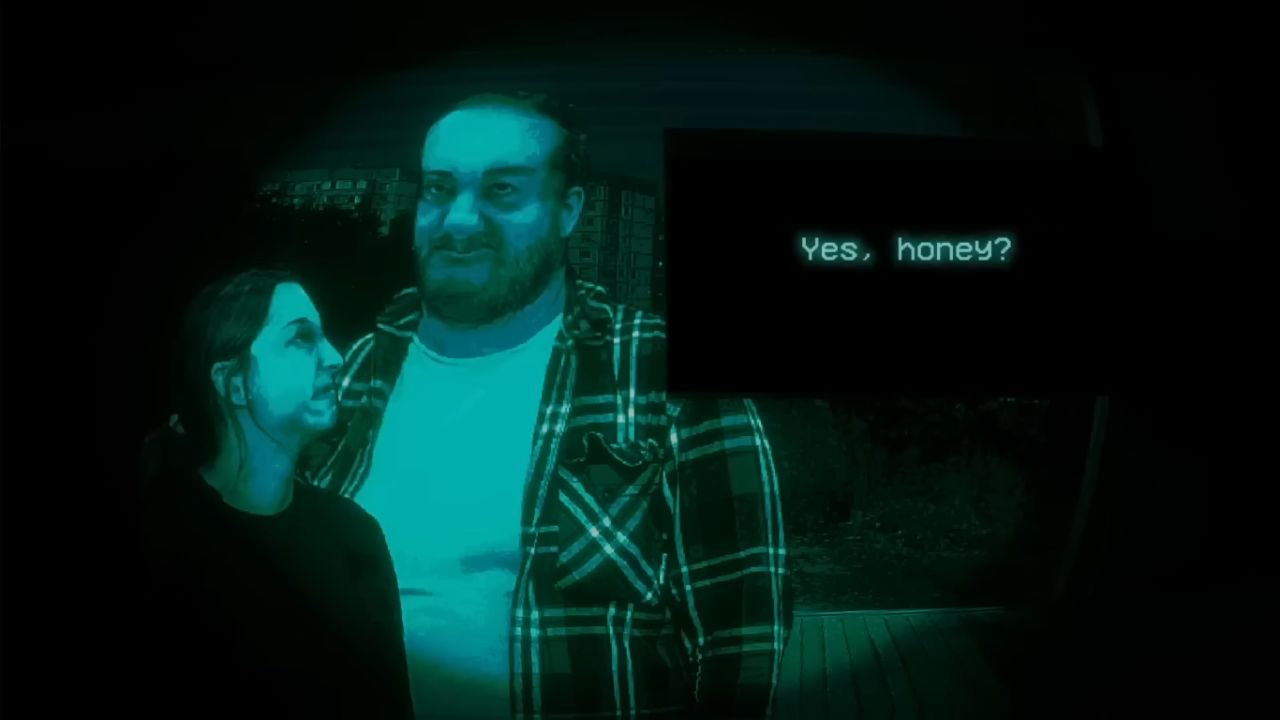
In this guide, I will help you get the Miserable Survival ending in No, I'm not a Human.
It's most commonly known by players as the "Miserable Survival" ending, and only if you identify all of the human guests perfectly and save them and reject or eliminate all of the alien imposter-disabling cheats.
Though this path appears to be the most ethical, it leads to one of the game's most emotionally desolate endings — one that calls into question whether living is worth it.
On each day of the game, the player is confronted with strangers at the door — some begging for help, others hiding behind their actual alien persona. For this ending, all of the player's decisions must be approached with concern.
You need to be able to distinguish genuine humans from camouflaged guests using subtle behavioral and visual cues.
One mistake —even showing mercy to a single guest —will exclude you from this outcome. Guns are necessary, but unnecessary ferocity risks innocent lives. You are not seeking to slaughter but to rescue mankind without losing judgment.
Rescuing everyone properly and safeguarding your shelter from the inhumane threats represent your commitment to truth and honor in a disintegrating world.
You will discover that along the way, there is an ongoing war of information between two sources: television and radio. TV broadcasts are colorful, tranquil, and soothing. TV glorifies FEMA, describing it as a good force rescuing civilians and restoring civil order.
But not so the radio. Independent news and underground broadcasters claim FEMA is not a benefactor but a ferocious government perpetrating massacres in the quarantine zones. Each report forces you to make decisions about what to believe.
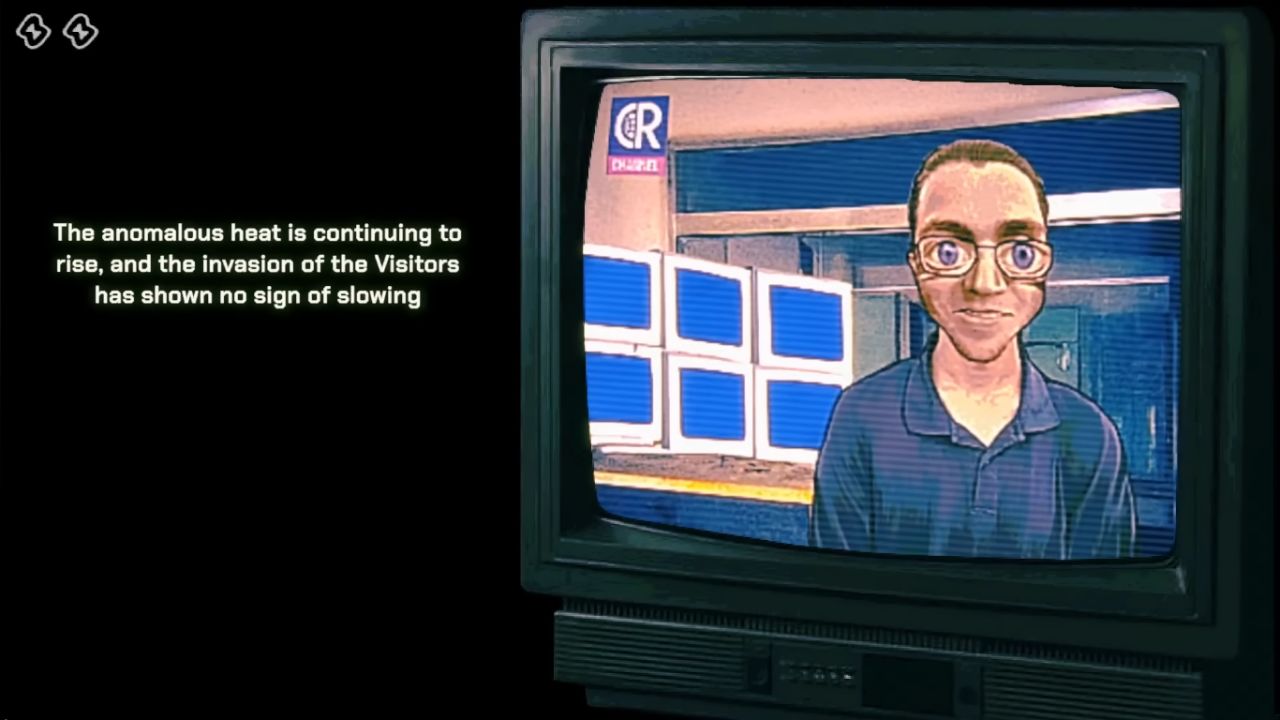
The game utilizes such conflicting reports to demonstrate how controlling information shapes people's opinions. By the halfway point, it is apparent that FEMA's on-screen image is a disguise for organized violence and ferocious ambition.
The propaganda war eventually ends with total censorship. FEMA gradually suppresses all nonconformist dissent, shutting down secret broadcasters one by one. Their activities expand beyond the quarantine zones as they occupy residential homes, militaries fear, and declare total control over state media.
FEMA later claims that the national government has been taken over by alien forces. Under this pretext, they overthrow the government entirely, justifying mass executions as acts of "containment". Official news reports that the remaining survivors have "escaped quarantine", a transparent excuse to eliminate them.
Citizens are instructed to seal their doors, board up windows, and avoid any contact with outsiders. This part of the game builds unbearable tension. Even though you've been making the correct moral choices, the situation outside only worsens. The hero's mission — saving humanity — is starting to feel pointless.
When the situation is at its worst, your hero opts to take shelter underground with the few remaining survivors. The surface dwelling above is no longer safe, and FEMA troops patrol the streets, killing anyone who ventures out. Down in the basement, there is a scarcity of cans of food and vegetables — just enough to get by.
Two months drag along in silence. The survivors are emaciated, exhausted, and emotionally broken. There's no sunlight, no news beyond what FEMA allows, and no sign of hope. The atmosphere in these final scenes is suffocating, forcing players to experience the psychological decay of isolation.
Gameplay slows down dramatically here. You're given a few interactive choices, emphasizing that survival itself has become meaningless repetition. The hero continues to sit and listen to the radio, clinging to bits of information such as 'a practice' and not 'as comfort'.
Weeks of despair have passed when FEMA's new government issues an announcement: the sun's activity has dropped off, and specialists have predicted that it won't be long before it's safe to go outside during the day. On paper, it is good news — the end of the apocalypse that began it.
But the hero himself doesn't experience any happiness; he feels only a hollow disappointment. This is the emotional climax of the conclusion. You see that your hero, too, has moved away from life.
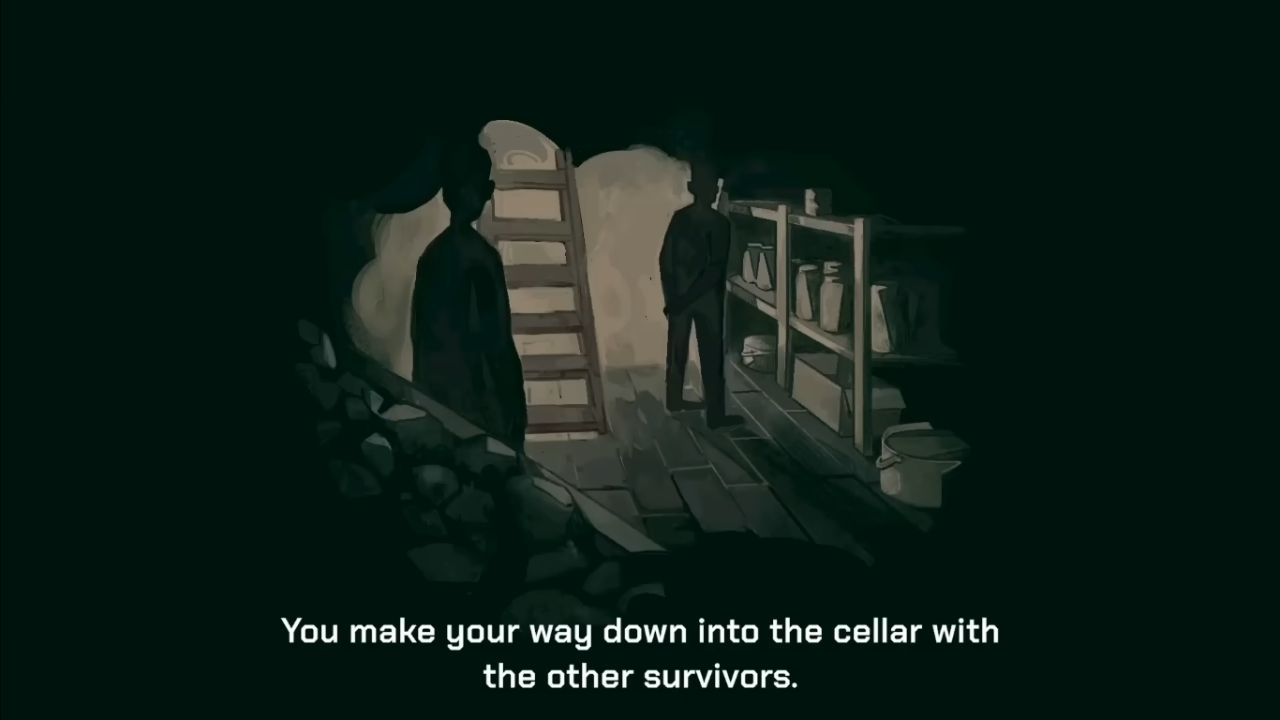
The apocalypse, with all its chaos and danger, had given him something to live for — something to focus on besides loneliness and nothing. Now that a return to normalcy is possible, he has nothing left to dream of.
The final minutes are downbeat but deeply introspective. The hero begins to dream of living "another year, maybe ten more". It is not a declaration of hope but a recognition of the emptiness of survival. The mood suggests that living without purpose can be worse than dying with purpose.
This ending captures the essence of No, I'm Not Human: the idea that humanity's greatest enemy is not the visitors but the despair within. The story concludes not with an explosion or revelation but with resignation — the acknowledgement that even after doing everything correctly, the world remains broken, and the soul remains hollow.
The "Miserable Survival" ending serves as a critique of both authoritarian control and personal disillusionment. FEMA's despotism is a symbol of how easily terror can justify tyranny. The contrast between the reassuring TV and the frightening radio symbolizes what really happens in times of crisis, with media manipulation in the real world.
In contrast, the numbness of the protagonist represents the nature of trauma: prolonged survival under terror drains all hope. The apocalypse is done, yet he does not feel alive enough to celebrate.
The game's title — No, I'm Not Human — takes on particular meaning here, suggesting that by the end of the game, the main character has lost the emotional richness that made him human.
Whereas in the other routes you die, escape, or learn cosmic secrets, the strength of this ending lies in realism. It resists giving either redemption or revelation, but rather just the dull ache of being alive. It's difficult to achieve because it demands impeccable gameplay and emotional endurance.
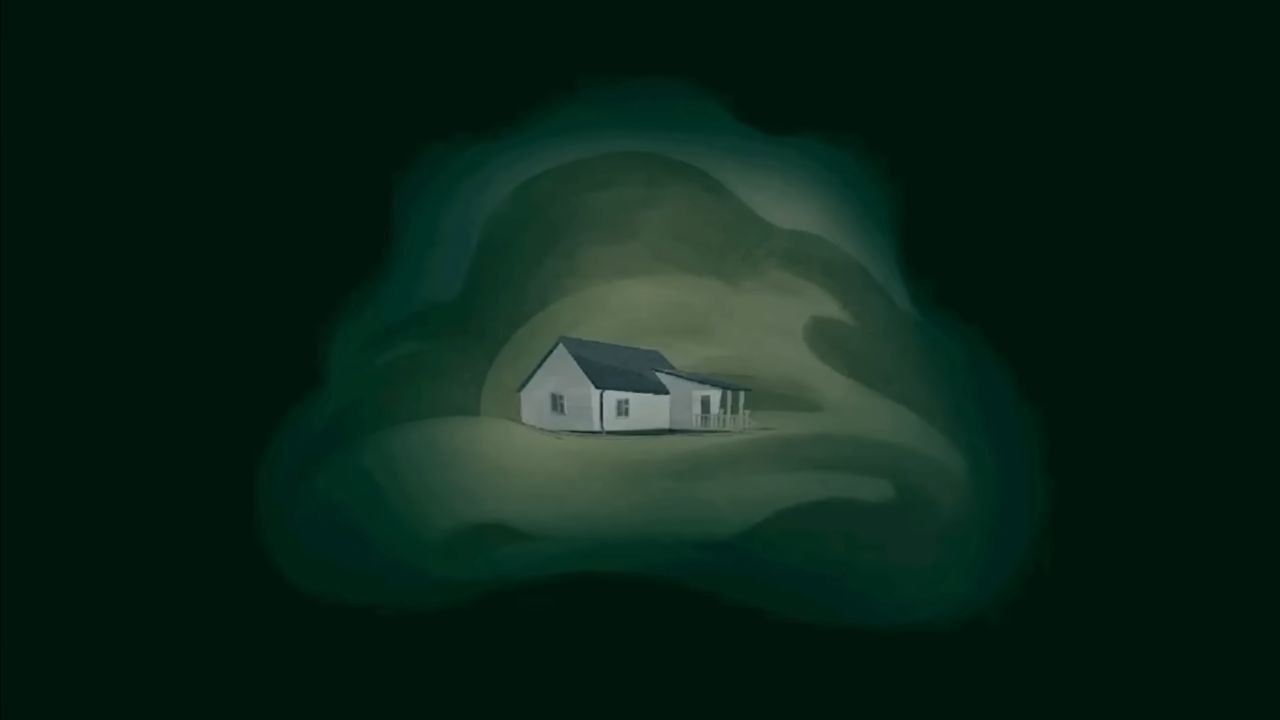
But it is rewarded with the game's greatest thematic message: survival does not equal living. By this realization, No, I'm Not Human makes a chilling declaration — even if you save the world, are incorruptible, and make it through the end of the world, you might lose what makes life worthwhile.
Also, check our No, I'm not a Human Review and our other guides:
Contributor, NoobFeed
Latest Articles
No Data.