
PS6 Handheld Could Launch at $600 Targeting Wider Audience and Market Growth
Sony positions the PlayStation handheld as a lower-cost entry point while expanding its ecosystem beyond traditional console upgrades.
Hardware by Tanvir Kabbo on Apr 19, 2026
The discussion of a possible PlayStation handheld is picking up steam as market forces, escalating component prices, and changing strategies redefine the future of next-generation gaming hardware. As handheld gaming continues to develop rapidly, cross-ecosystem and pricing comparisons have become key to determining where such a device might actually fit.
Market Environment and Competition
The PlayStation handheld might be introduced as a lower-priced entry point into the Sony console ecosystem. Well, relatively lower price. The PS6 might be the higher-end product. Meanwhile, the Legion Go now costs $2,000, and Zotac put its Zone Pro handheld release on hold due to the cost increases.
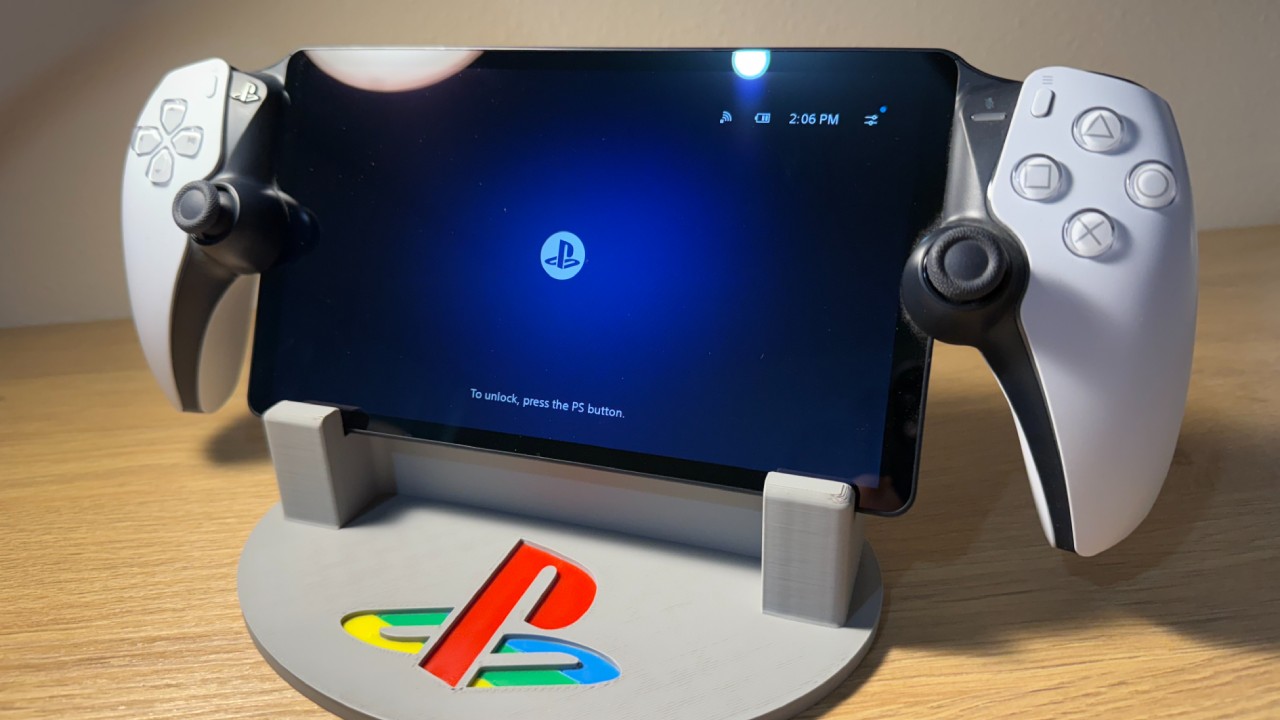
Whatever Lenovo and Zotac are up to, they are highly dependent on market conditions at the moment, which implies they are putting out devices that would incur losses, which is not a good idea. They are also low-volume devices. A more accurate comparison should be with what Nintendo is doing with Switch 2. The rationale for that being a more appropriate comparison is that Sony has an issue with increasing PlayStation's audience.
It is quite possible to argue that most PlayStation 5 purchasers already owned a PlayStation 4, suggesting the company is primarily pursuing a replacement strategy with its current customers. Instead, what is required is an increase in the number of people entering that ecosystem.
That was the genius of the original Switch. It worked as a product that did something meaningfully different, something that people wanted. That is a powerful strategy that Sony can consider.
Pricing Strategy and Subsidy Advantage
If the aim is to expand the total addressable audience, investment is required, which may take the form of subsidies. Lenovo and Zotac will not receive 30 percent of all games sold, and it is not a similar comparison. The Switch 2 comparison is much more applicable here.
Sony being in a position to offer a subsidy becomes a complete game-changer. Lenovo, Zotac, MSI, and Asus cannot afford to provide such support. Mass production would also be beneficial for a PlayStation handheld, as it would help reduce costs.
Hardware Expectations and Design Direction
The device will probably have a cheaper screen than PC handhelds. It would probably adopt a less complex design, with a smaller frame and lower wattage. It is reported to be in the 10W range, which is much lower than competing devices.
It can also be launched with a smaller internal storage capacity, such as 512GB, and expanded using mini-SSD standards or microSD Express. The emphasis can be moved from large internal storage to flexible expansion.
With a possible launch date approximately 1.5 years away, SSD and RAM prices will be more stable, which could help keep overall prices down.
Realistic Price Expectations
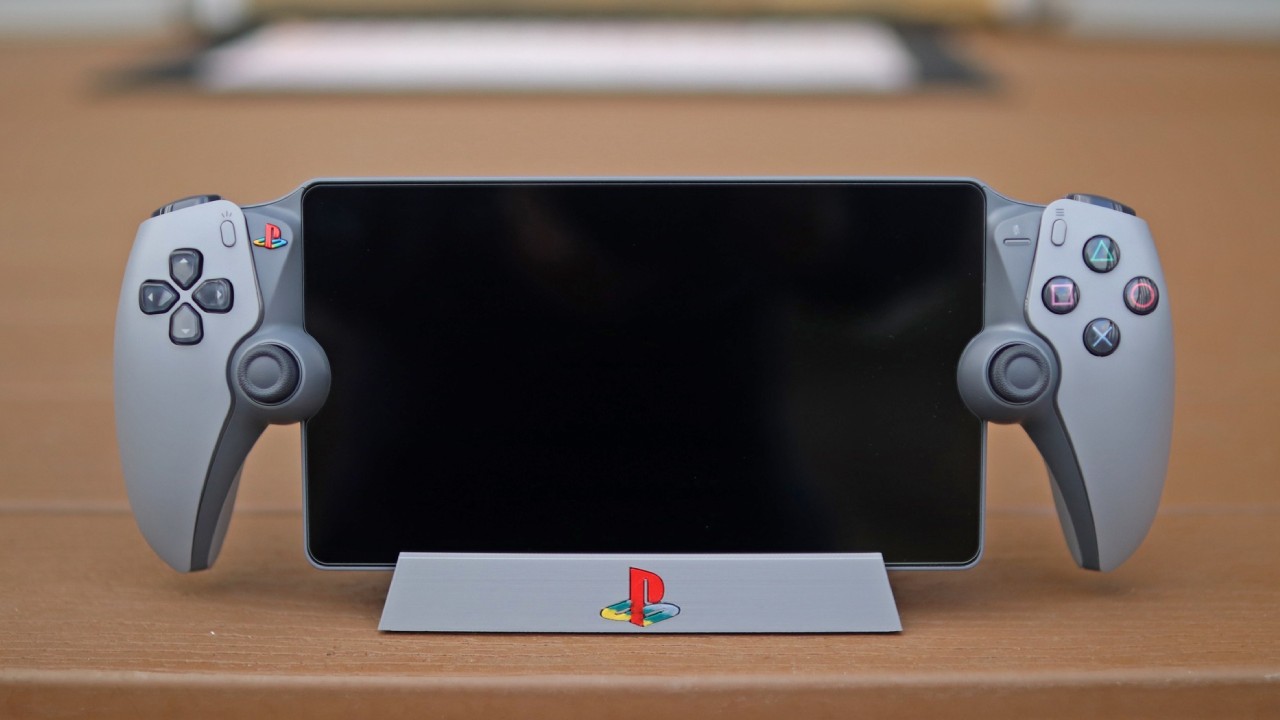
A price of 600 dollars seems like a fair estimate. That would put the device ahead of the Switch 2 and offer more capabilities. It would probably have more RAM, higher performance, and a more current architecture, making it an enthusiast device but still at a mainstream console price.
This would not be similar to a PS Vita-like device. The PS Vita would be priced at $ 250, but the new handheld would be a more expensive, larger, actively cooled, tablet-shaped device. It is a much more developed product, and the prices would have to be corresponding.
Market Realities and Cost Pressures
Pricing will be directly affected by the cost of memory and SSDs. The end result will probably be a higher price than many would like, even with Sony's capability to subsidize. It is just the way things are in the market.
It would still probably be less expensive than the PS6, which will likely be around $800 or even more. The handheld and console would cater to different segments, although they belong to the same ecosystem.
Consumer Expectations and Survey Insights
A survey on the expected price of the PlayStation 6 showed that 25 percent of respondents chose the highest price of $ 500, but that seems unlikely. Around 34% chose $599, 26% chose $699, and 15% were willing to go to $800 or higher. That is, 41 percent of the respondents are willing to pay more than 699.
Based on current market trends and the PlayStation 5's price trend, the most likely price will be above 699. At that, a handheld priced at $599 starts to look like a rather attractive option, even a substitute for some users.
Final Outlook
The pricing trend in the gaming industry is evidently upward. Expanding the total addressable market will be more important than ever, and a well-positioned PlayStation handheld could play a key role in that strategy.
Also, check our other hardware articles:
- AMD Ryzen 9 9950X3D Review: Setting The Standard For 2025 Gaming CPU
- Amazon Luna 2025 Review: Is Prime Gaming's Cloud Service Your Go-To For Casual Fun?
- AMD RX 9070 XT Review: AMD's RDNA 4 Champion for 1440p Gaming
- GeForce Now Ultimate: Ditching Your Gaming PC For Cloud RTX 4080 Power?
- NVIDIA GeForce RTX 5080 Review (2025): Still A 4K Gaming Powerhouse?
- Intel Core Ultra 9 285K Review And Performance Breakdown (2025)
- AMD Ryzen 7 9800X3D Review: 3D V-Cache Goes God Mode with Stunning Gaming Performance
- Intel Core Ultra 9 285K vs AMD Ryzen 7 9800X3D: In-Depth Gaming Performance and Benchmark Comparison
- NVIDIA GeForce RTX 5080 Super Performance In Cyberpunk 2077: Path Tracing & DLSS 4.0 Tested
- AMD Radeon RX 9070 XT In Cyberpunk 2077: Ray Tracing & FSR 4.0 Tested
- Intel Arc B580 Review: The $250 GPU Revolutionizing 1440p Gaming
- Intel Arc B570 Vs. B580: Value, Specs, And Real-World Gaming Performance
- RTX 5090 Laptop Vs. M4 Max MacBook Pro: Ultimate Raw Performance Vs. Battery Endurance
- Intel Arc b580 Vs. RTX 4060: Game Performance And Value Analysis
- RTX5090 Hell Is Us Demo 4K Ultra Benchmark: DLSS Vs. Native Performance Guide
- NVIDIA RTX 5070 Review: Mid-Range Muscle or Marketing Hype?
- Nintendo Switch 2 Review: Handheld Performance, Features & Value Breakdown
- RTX 5070 Ti Review: Performance, Thermals & Power Efficiency Tested
- Samsung Odyssey OLED G81SF Review 2025: Ultimate 32-Inch QD-OLED Gaming Monitor
- AMD RX 9070 Performance Review: Thermals, Clocks, and Real-World FPS
- AMD Ryzen 5 7600 Review: Best Budget Gaming CPU of 2025?
- AMD Radeon RX 7800 XT Review: RDNA 3 Power For Midrange Gaming
- Asus ROG RTX 5090 Astral OC Vs. Founders Edition: The 4K Gaming Benchmark
Senior Editor, NoobFeed
Gaming Hardware Updates
No Data.