
PS6 and PS5 Pro: Understanding Console Cycles and Future Game Development
Collaboration between Sony and AMD signals a long-term evolution in PlayStation hardware architecture and machine learning integration.
Hardware by Tanvir Kabbo on Oct 17, 2025
Recent discussions around the next-generation PlayStation hardware have sparked curiosity regarding upcoming technologies and console cycles. "Radiance cores," "universal compressions," and RDNA 5 hardware acceleration for DGF are some of the key words that have caused confusion. They still point in a general direction toward finding a balance between the needs of rasterization and the progress of ray tracing and machine learning.
Sony and AMD are still working together on new hardware and software enhancements, which shows how deeply they work together on modern console development.
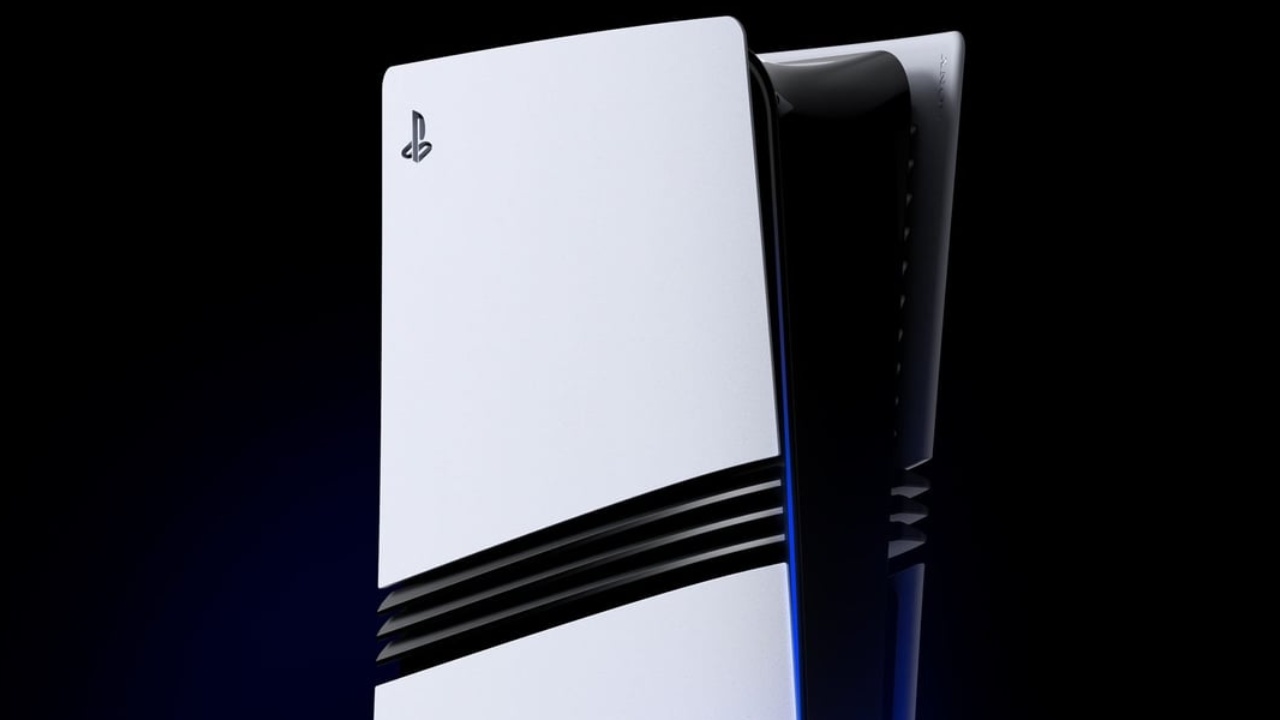
Collaboration Between Sony and AMD
Mark Cerny mentioned that AMD is producing this new technology for PCs very soon, maybe in reference to RDNA 5. On the other hand, PlayStation hardware is still a few years off. This extended timetable highlights how crucial it is for Sony and AMD to work together. Sony aids with coming up with concepts, designing hardware, and optimizing software.
This cooperation benefits AMD by providing insight and resources that were previously lacking, allowing PlayStation to influence hardware development from the ground up rather than relying solely on AMD's roadmap.
Console Cycle Considerations
The release dates of upcoming consoles make people wonder how long console cycles will go. Cerny's remark that the hardware might not be ready for a few years means that the console might not be out until 2028 or 2029, which would mean a seven- to nine-year cycle.
This longer time frame takes into account how game production has become more complicated, with software readiness now being the main problem instead of hardware limits. The long cycle allows studios to develop highly detailed titles while still leveraging the latest hardware innovations.
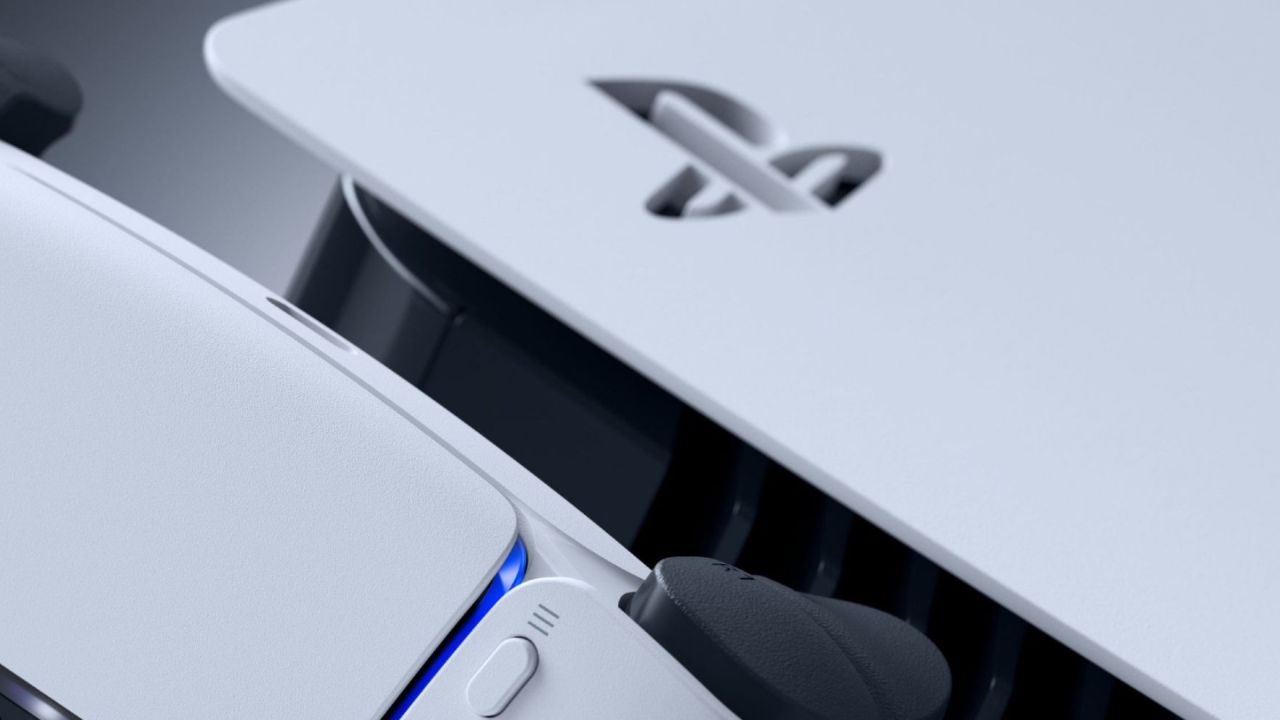
Handheld Devices and Continuation of the Generation
Speculation about a handheld device running PS5-class software offers an interesting way to keep the generation going. A handheld console could be released in the near future and complement the main console, creating a hybrid ecosystem for players.
However, preparing software for such devices is challenging, as even major developers like Naughty Dog experience delays, with PS5 titles taking years to release.
Game Development Timelines
The pace of game development has shifted dramatically in recent years. For example, Naughty Dog shipped four games on PS3 and three titles on PS4. Still, the current generation has yet to produce a major new release.
This slow pace, influenced by games-as-a-service strategies and increasing production complexity, aligns with the longer console cycle and suggests that hardware will no longer be the main limiting factor in gaming experiences.
Neural Arrays and Machine Learning Integration
Neural arrays are a new way to organize computing units for machine learning applications. These arrays let you use silicon more efficiently in an area than dedicated tensor cores do.
AMD's method is to get the most performance possible without relying just on specialized hardware. On the other hand, Nvidia relies on specialized cores. These technologies are complementary rather than redundant, providing flexibility in AI-driven graphics and computing tasks.
PS5 Pro and Future Hardware
Discussions about next-generation PlayStation hardware do not indicate the abandonment of PS5 Pro. Games developed with extensive effort for PS5 will benefit from additional engineering in PS5 Pro, similar to how PS4 Pro enhanced the previous generation.
Research conducted for PS5 Pro continues to contribute to future hardware development, ensuring continuity in performance improvements and features such as next-gen FSR 4 neural network enhancements.
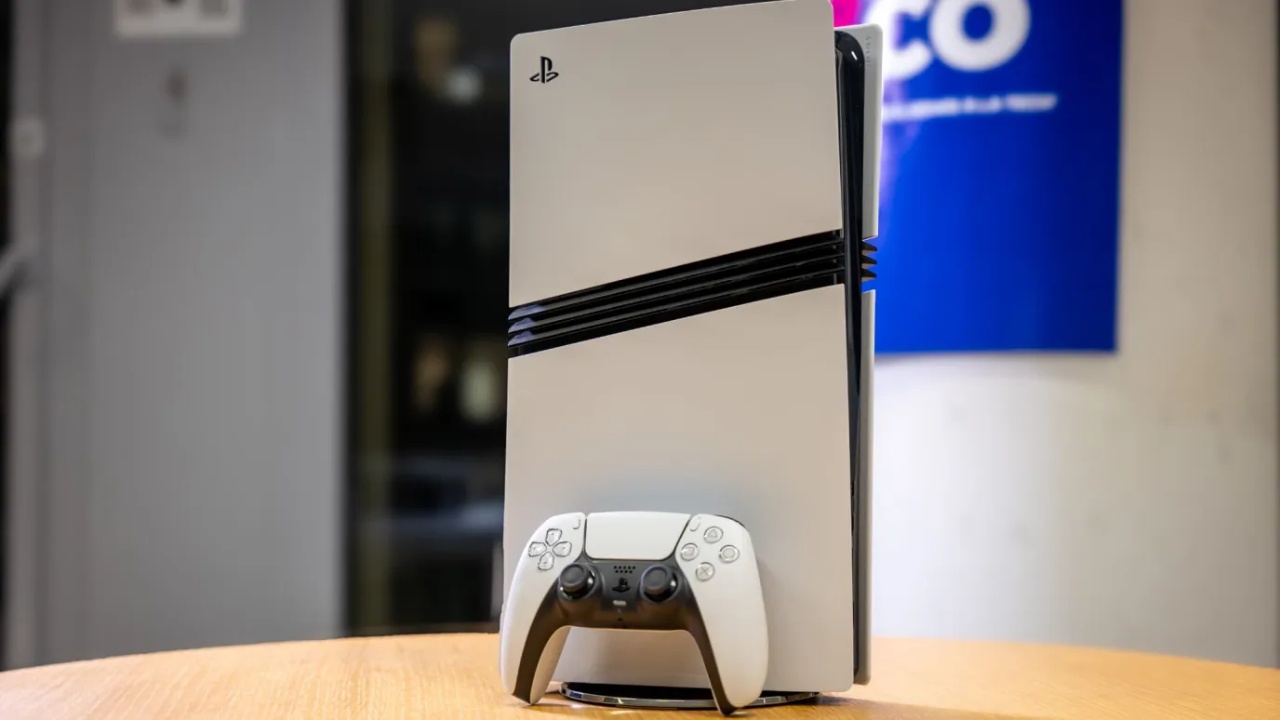
Final Thoughts
The changes to PlayStation hardware show how carefully Sony has balanced making new technology with keeping old software working. Longer console cycles, agreements with AMD, and the use of machine learning and neural arrays will make sure that future systems will be much faster.
The focus on both high-end hardware and potential handheld devices highlights a strategy to expand player experiences while managing development timelines effectively.
Also, Check Our Other PS5 Pro Articles:
- PS5 Pro vs. PS5 Slim: Frame‑Rate, Graphics & Performance
- PS5 Pro vs. Radeon RX 9060 XT vs RTX 5060 Ti: Ultimate $700 Gaming Showdown
- ASUS ROG Ally PS5 Remote Play | How to do Remote play on PS5 Using Sony's Official Remote Play App
- Stream PS5 Games on Steam Deck OLED: Step-by-Step Installation and Configuration
- AI Upscaling on PS5 Pro: Can PSSR Finally Match DLSS?
- PS5 Pro vs. PS5 Slim vs. PS5 — Design, Storage, Specs, and Gaming
- PS5 Pro vs. Xbox Series X: Specs, Price, Storage, Customization, and Gaming
- PS5 Pro vs. PC Gaming: Comparison of Graphics, Frame Rates, and Price
Senior Editor, NoobFeed
Gaming Hardware Updates
No Data.