
What the Future Holds for id Software After Mass Cuts
A breakdown of what id Software actually said, what co-founder John Carmack thinks, and the games that got caught in the middle of it all.
News by Mymunah Tasnim on Jul 12, 2026
By now, you've probably seen more takes on the id Software layoffs than you know what to do with, and sorting out what's actually confirmed from what's just noise online has been the hard part. A few days after the news broke, id Software finally addressed the layoffs directly, saying the cuts were spread across different teams.
But the studio still has the people it needs to keep making the games and technology it's known for. The statement pointed out that the team is now roughly the same size it was back when DOOM (2016) was in development, and that the studio's flat structure, where everyone works hands-on instead of sitting under layers of management, isn't going anywhere.
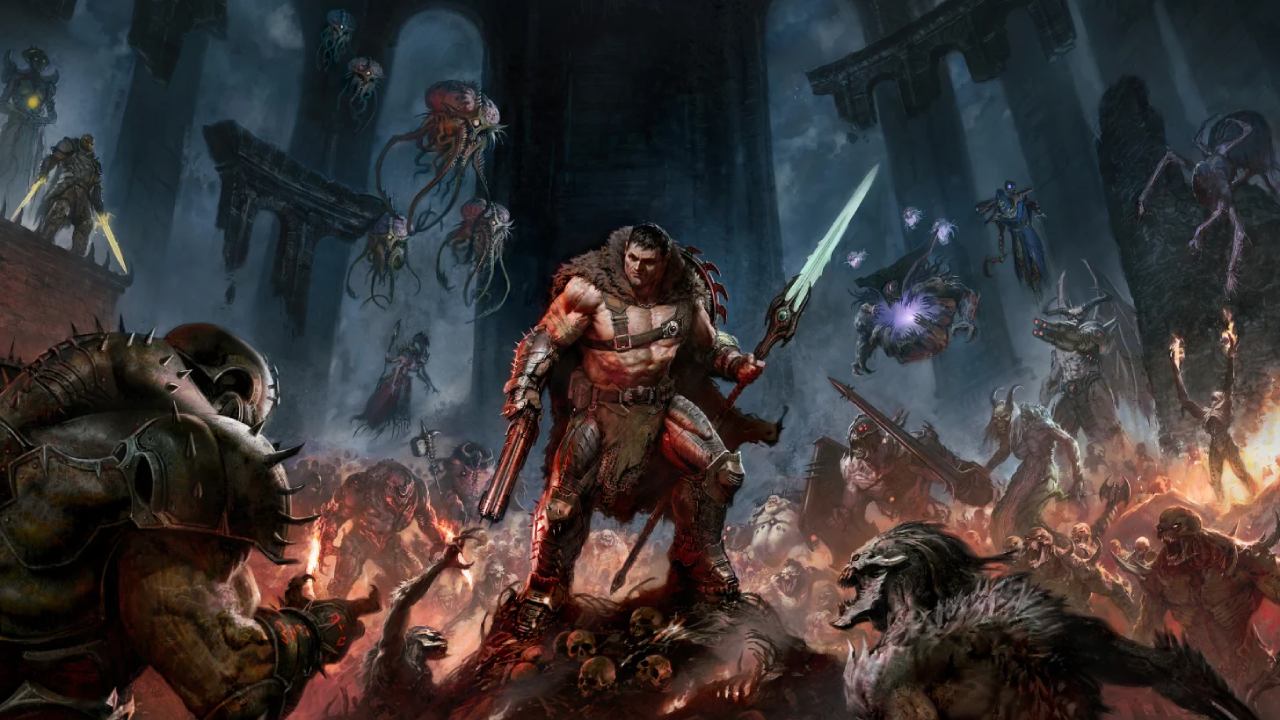
They also confirmed they still plan to be at QuakeCon this August.
This is a small but reassuring detail for anyone who worried the studio might not have a future left at all. Frank Shaw also responded to this trend, denying the theory that connected ID Software layoffs with H-1B visa hiring. According to him, the number of visas provided on the Internet reflects the total number of Microsoft employees, not only the number of XBOX's workers, and is a very low percentage.
In addition, he mentioned that the majority of the employees affected by the layoffs were not related to the H-1B visa program and that XBOX hires more Americans than any other firm in this industry. The figures associated with the layoffs at id Software have varied with each report.
While some media houses put the figure at about 130-135 people, others reported that the number was actually 136 people, in addition to other layoffs taking place at ZeniMax and Obsidian, which included a few dozen others within the Xbox Game Studios family.
The official filings revealed the true damage to id Software's headcount, confirming that 136 total roles were eliminated, 96 at the Richardson, Texas headquarters and 40 remote positions. Given that the communication union previously estimated the studio only had around 185 total employees globally before the cuts, dropping down to roughly 50 people in the US is a massive, staggering hit.
Early internet rumors gave fans a bit of hope by claiming the German office in Frankfurt wasn't touched by the layoffs.
Subsequent reports clarified that the tiny European branch only employs about 10 to 20 people anyway. That leaves a skeleton crew behind, making the studio far more gutted than the earliest noise online made it sound. John Carmack, one of the studio's original founders, shared his own reaction to the id Software layoffs publicly.
He admitted that his past comments about Microsoft being a solid caretaker of the id Software brand haven't held up well. He said he doesn't feel outright anger about what happened, guessing that id Software was likely a smaller piece of Microsoft's overall business, and that Minecraft's revenue has probably been carrying several other studios financially for years.
While he explicitly noted that he doesn't have access to the financial books, he pointed out that ID's games ultimately have to be massive commercial successes to survive long-term under a major corporation, rather than just being beloved by a passionate fanbase
He also cautioned against assuming executives made careless decisions, noting there wasn't an obvious path that would have doubled revenue from ID's games without some kind of tradeoff elsewhere. Before the id Software layoffs happened, the team had reportedly been pitching a handful of new game concepts internally.
One was a Perfect Dark-inspired project codenamed Fury.
pitched by game director Hugo Martin, with a sci-fi noir tone blending Louisiana and Chicago gangster influences with a cyberpunk aesthetic. It reportedly included a combat system called Gun Fu, mixing traditional gunplay with martial arts in a style similar to John Wick.
Another pitch was an original robot western concept called Ironwood, compared to something closer to Westworld. On top of that, there was talk of a cooperative multiplayer version of DOOM, along with ideas for bringing back classic weapons from Eternal and the 2016 reboot.
None of these projects had reportedly been officially greenlit before the cuts, so it's still unclear which ones, if any, survive with the smaller team now in place. The Perfect Dark pitch stands out the most, mainly because that franchise hasn't seen a new release since 2005, and there was apparently already concept art being produced for it before everything changed.
The future of id Tech, the engine this studio built and is known for, is another open question following the id Software layoffs. That engine has powered multiple shooters and other projects across Xbox Game Studios over the years, so losing focus on it would be a real setback for the wider organization, not just for id Software on its own.
The same concern applies to other strong in-house tech, like Playground Games' ForzaTech, since these tools tend to pay off the more studios actually get to use them.
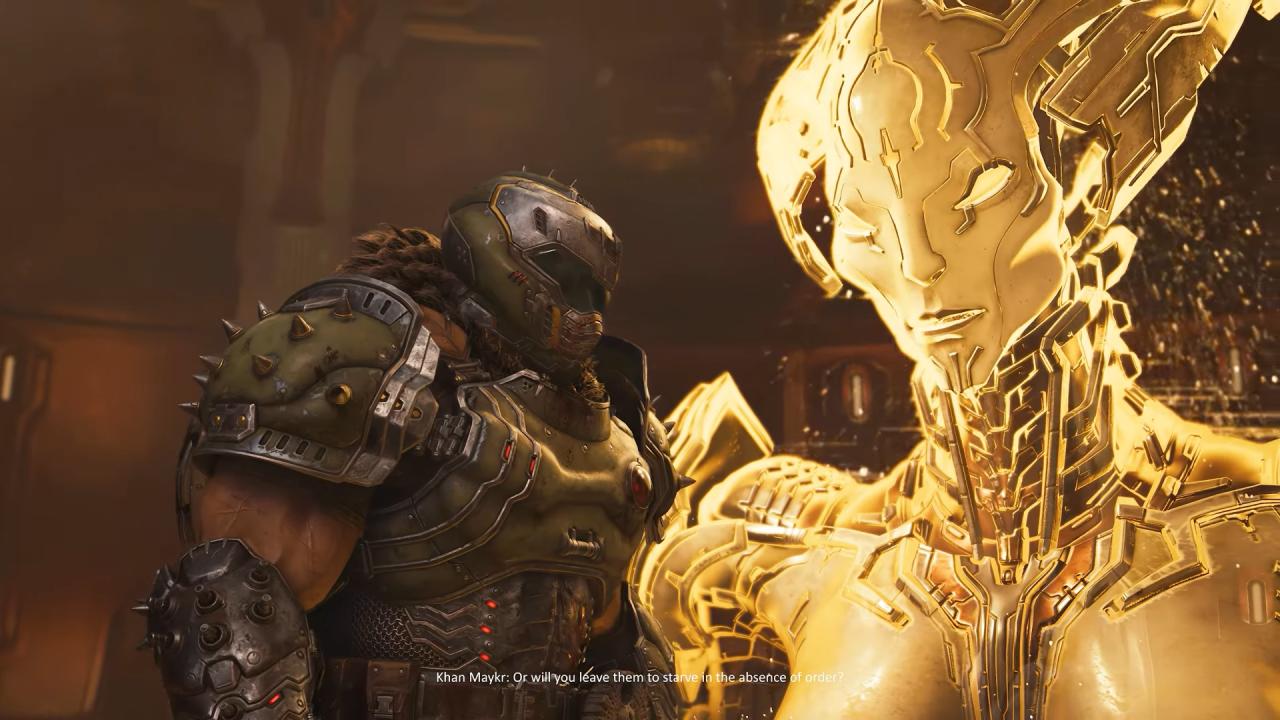
As for where DOOM goes next, DOOM: The Dark Ages left its story open enough for at least one more major chapter, which suggests the next entry could continue that same arc instead of jumping back toward something closer to the 2016 reboot.
The Revelations DLC has reportedly been well received on a quality level, which is a decent sign for what a smaller team could still pull off, even though the base game sold less than both Eternal and the original reboot did.
A cooperative multiplayer DOOM game is still one of the ideas floating around internally, and while it's not the most exciting pitch on the list, it could work fine as long as it avoids leaning into a live-service model, since that approach tends to hurt franchises more often than it helps them.
Zooming out, the id Software layoffs are just one part of a much bigger wave of cuts hitting Xbox and the games industry as a whole right now. Rising development costs, an oversaturated market, and overhiring during the pandemic have all been named as contributing factors.
There's also been growing concern around how much of people's playtime gets concentrated on a small handful of massive titles.
This leaves thousands of smaller games fighting for whatever attention is left over. Whether or not past acquisitions could have played out differently, the id Software layoffs and similar cuts across the industry seem to have been coming no matter which company owned which studio.
Sony, Embracer, and Microsoft have all gone through similar rounds of cuts recently, and that pattern doesn't look like it's slowing down anytime soon. For now, the id Software layoffs leave the studio smaller but still standing, with the remaining team focused on regrouping around whichever project ends up moving forward next.
Editor, NoobFeed
Related News
No Data.