
Bluey's Quest For The Gold Pen Review
Nintendo Switch 2
A whimsical storybook adventure built from childhood imagination and family warmth.
Reviewed by Zahra Morshed on May 28, 2026
You can see it coming: licensed games for kids generally make this one mistake. They depend far too much on popular personas and don’t deliver truly engaging experiences until the initial buzz wears off. Many of them turn out to be nothing more than interesting diversions based on recognition rather than good design.
Bluey's Quest for the Gold Pen serves a very different purpose in that bustling location. It doesn’t strive to be overly complex or flashy. It’s not about that; it’s about emotional familiarity and joyful discovery and the relaxing cadence that made the first animated series so popular with families all around the world.
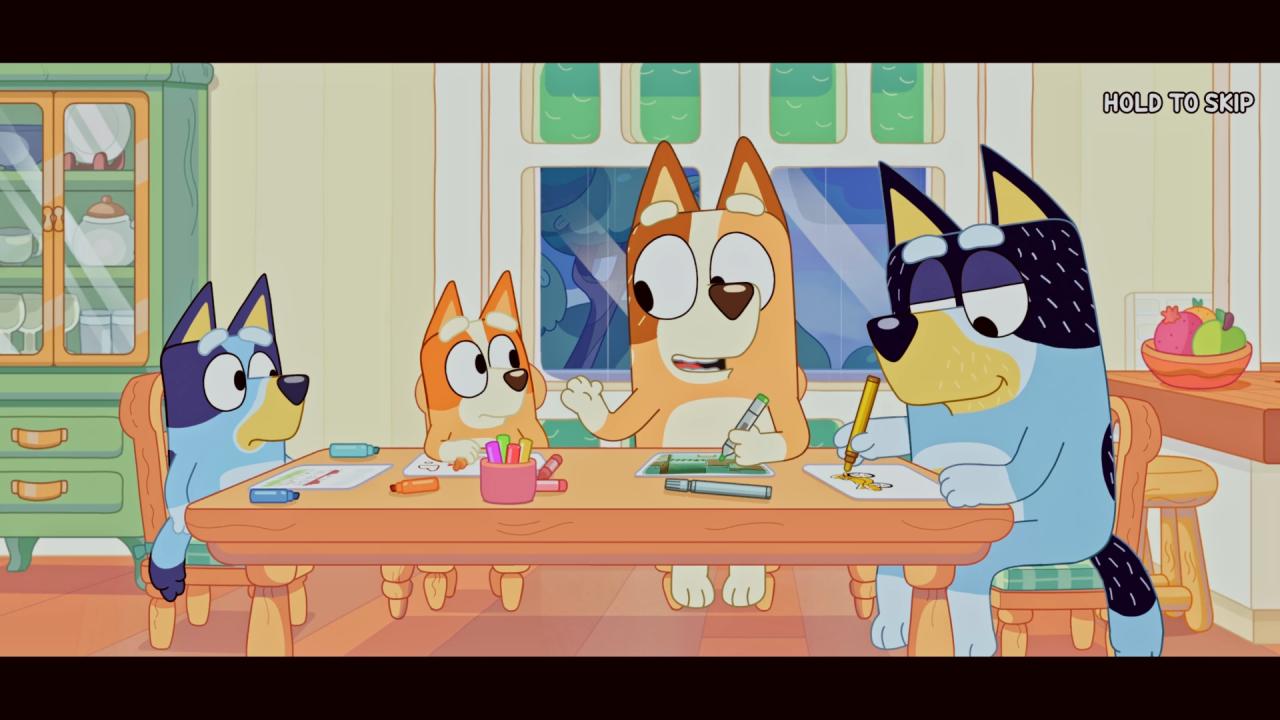
As the game is based on the very popular Bluey series, it understands the importance of staying true to the source material.
The TV show was adored not because it featured a lot of loud energy or over-the-top cartoon craziness, but because it demonstrated how families relate in a really honest and friendly way. Bluey's Quest for the Gold Pen brings that same emotional gentleness to life with delicate exploration, easy-to-use platforming, and a plot that should be engaging for kids just starting out with adventure games.
What sets Bluey's Quest for the Gold Pen apart from many other authorized children’s projects is its style. The game isn’t simply about reproducing sequences from the television program, but instead taps into the creative power of pretend play. It’s not really a straight adaptation; it’s more like walking into a kid’s made-up fairytale world, made up of drawings and toys and stories made up on the spot.
That artistic choice gives the trip a personality that is much beyond a replica of another series. Meanwhile, the game does not fully escape the challenges inherent in its intentionally simplistic structure. The difficulty levels are still relatively easy; several game ideas are rejected before they can fully develop; and exploration patterns are repeated a lot of the time.
And when you consider it through the prism of ease of use and family-friendly design, rather than technical complexity, you can realize how well Bluey's Quest for the Gold Pen works. The overall effect is a lovely experience, at times unambitious but never less than warm and sincere. The plot of Bluey's Quest for the Gold Pen is infused with the same creative flair that makes the animated episodes so special.
Bluey’s adventure is about looking for the famed Gold Pen in locales that look like they should be in a fantasy book. These locales are based on creative writing and stories young kids would make up when they were little. Rather than creating an emotional plot, the game functions by preserving the feeling of a family’s imagination going wild in real time.
The tale format is knowingly stupid, and this works well for the target group. Bluey's Quest for the Gold Pen doesn’t feature a difficult storyline or drama that is too hard for younger gamers to manage. Instead, there are tiny adventures, amusing side pathways, and collectible-focused goals that make you feel like you’re playing a long, imagined game with your brothers.
Bluey is the emotional heart of the adventure throughout.
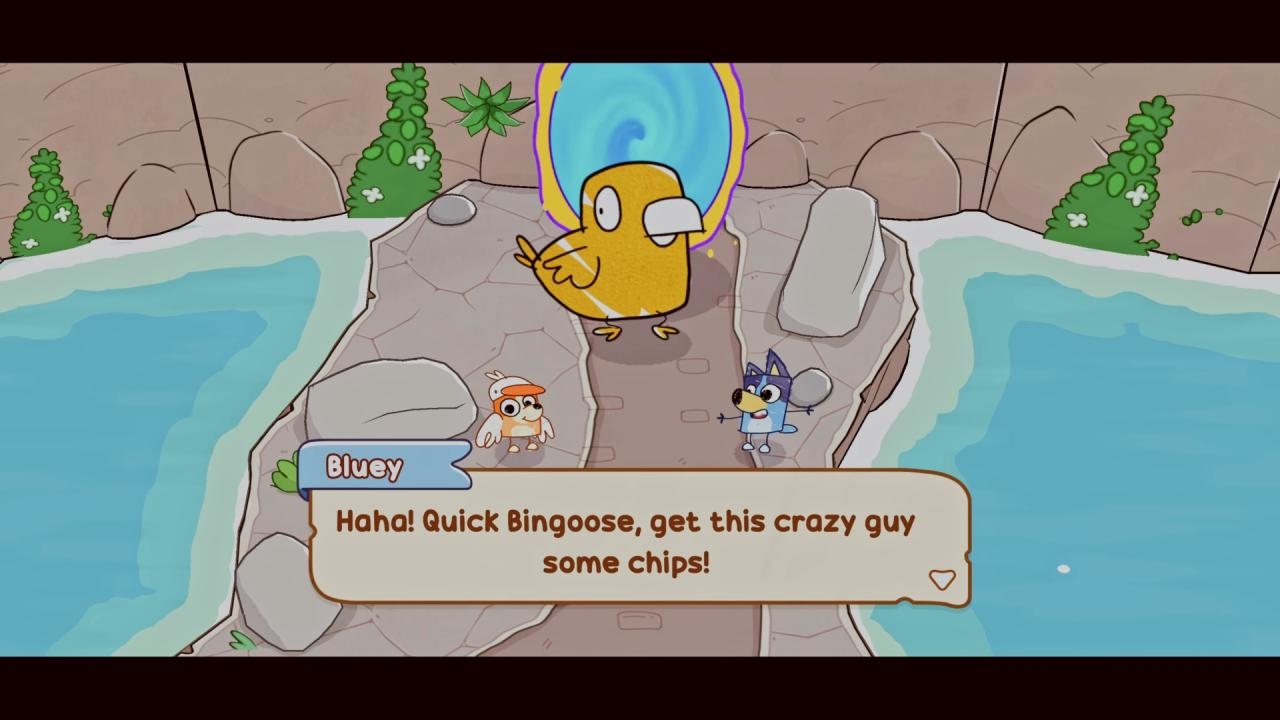
Her enthusiasm and curiosity set the tone for the overall experience, ensuring that even the tiniest jobs feel like part of a larger sense of discovery. Bingoose is mainly a guide character, but he brings a lot of comic energy and playful direction that keeps the trip feeling active without too many tutorial interruptions.
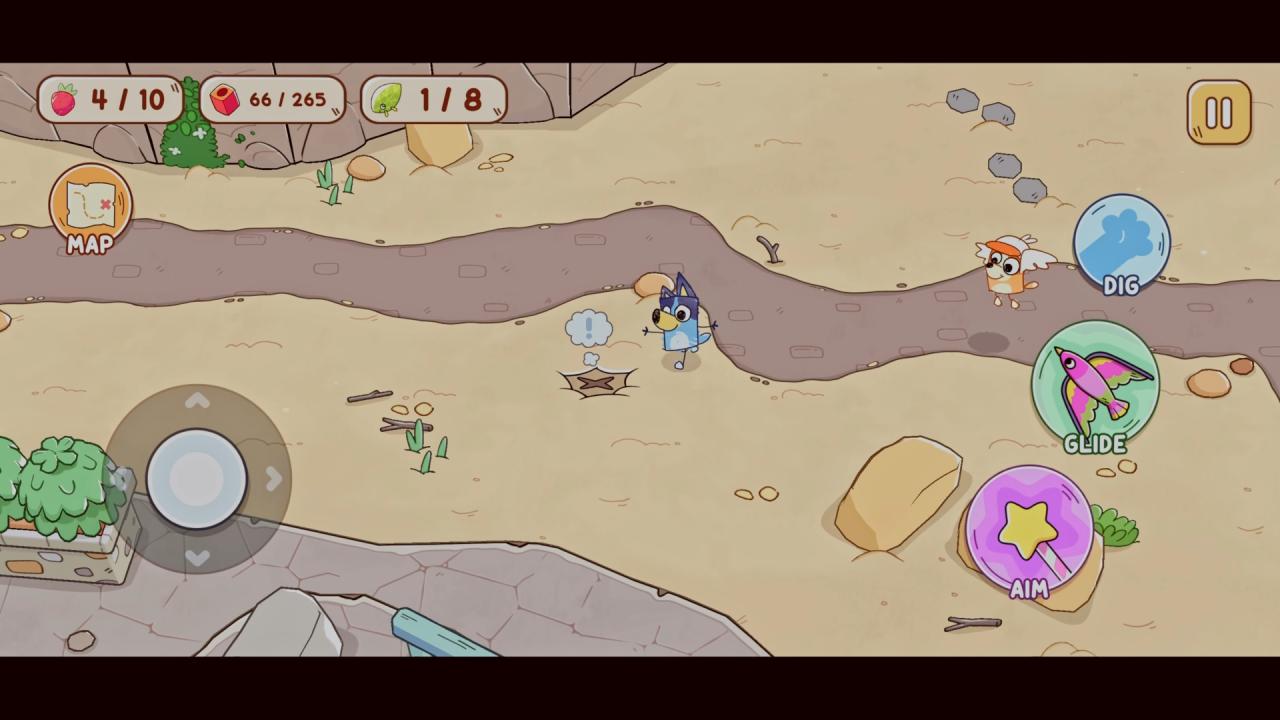
One of the great things about the narrative design is how well the environments match up with the plot. Snowy trails, forest tracks, areas that feel like fantasy worlds, and creative landscapes all feel like real-life versions of the games that Bluey and Bingo may make up together at home. Bluey's Quest for the Gold Pen always understands; setting can tell you more about what someone feels than talking non-stop.
But the story's simplicity also reveals its limits. Older players could find out in no time that the tale doesn’t shift much after the basics of gathering goods and exploring. The emotional stakes are deliberately kept low throughout the event. This maintains a light, inviting tone for kids but makes it tougher for experienced players who desire more intricate stories to get into the story over time.
Sometimes the pace suffers because the stage construction repeats goals that have been viewed too many times. Most of the levels are about finding passageways, grabbing objects, and opening routes. This makes some portions mix into each other, yet the game always looks cute. Bluey's Quest for the Gold Pen doesn’t lose any of its warmth or personality, but the plot doesn’t really surprise once you know the formula.
Yet, despite these issues, the game works because it respects Bluey’s inner identity. There is no cynicism whatsoever in the text. Every contact feels designed around support, creativity, and soft humor rather than needing to be humorous. That earnestness gives the trip a reassuring sense of self that you don’t see often in licensed kids’ games.
Bluey's Quest for the Gold Pen is a game that stresses ease of play above everything else. You have to guide Bluey through colorful stages filled with exploration trails, easy platforming puzzles, collection goods, and toy-based interactions to let him explore new locations on each map. The format is deliberately kept simple so that younger viewers can follow along without becoming discouraged.
The experience is based on exploration.
In each scenario, you are encouraged to explore side roads, explore hidden regions, and complete small tasks that help you progress through the stage. The collectibles are always visible on maps, giving a consistent rhythm of reward and discovery to keep younger players engaged without the need for severe spikes of challenge.
The toy’s mechanics give a wonderful diversity to discovery. There are motorcycles, boats, grappling tools, skating segments, or gliding sequences on various stages that vary how you travel and cross for a brief time. The mechanics don’t ever feel too hard to utilize, and they do a decent job of giving each location its unique feel and speed. Bluey's Quest for the Gold Pen is continuously coming up with new little concepts to keep things from getting stale.
It’s crucial that the controls are straightforward to use and fast enough for younger gamers who are still learning to play adventure games. Actions and benefits are straightforward to perceive, and objectives are evident without too many complex systems or a dense interface design. One of the game's best qualities is readability, as it keeps the pace effortlessly.
The collectible structure also allows for enjoyable, light wandering without making finishing feel essential. You can hunt for extra things and secret paths if you like, but the long completion requirements never impede progress. The brilliant guys who created Bluey's Quest for the Gold Pen recognize kids achieve better when they are free and not continuously punished for not learning optional stuff.
The mechanical ease might often make it difficult to get immersed. Most stages are set up in a very similar fashion. They all include exploration, short jobs, collectibles, and path unlocking. The environments vary, yet the core game cycle isn’t too different throughout the entire trip. After only a few steps, older players may detect the repetition.
Not being able to play with other people also feels oddly restrictive. A co-op that is built around family activities and sibling interactions sounds like a logical fit. Bluey's Quest for the Gold Pen suggests a lot of teamwork through Bingoose and the family-friendly tale, yet the game is still just for one player. The longer the sessions go on, the clearer that missing functionality gets.
Bluey's Quest for the Gold Pen, in the spirit of the source material, isn't really about regular battling all that much.
The game is mainly about interacting with the environment rather than foes or combat. The game promotes curiosity over conflict and revolves around solving moving puzzles and collecting objects to progress. The form of the puzzle is deliberately kept basic. The majority of the missions require uncovering secret locations, using toys to get past obstacles in the environment, or following Bingoose’s subtle directions to reach the next goal.
These methods are not so much mental exams as straightforward beginnings for adventure games that emphasize exploration for younger players. Most of the game's variety is found in toy-based features. The ice skating sections help you ascend to higher regions, the grappling sections make it easier to traverse from one point to another, and the boating sections provide minor modifications to the surroundings that momentarily shift the flow of the stage.
These mechanisms work effectively in Bluey's Quest for the Gold Pen because they all make sense in terms of movement and prize structure. Clarity is the best design option for the game. Everything you do is obviously visual and mechanical, and it's not overly difficult.
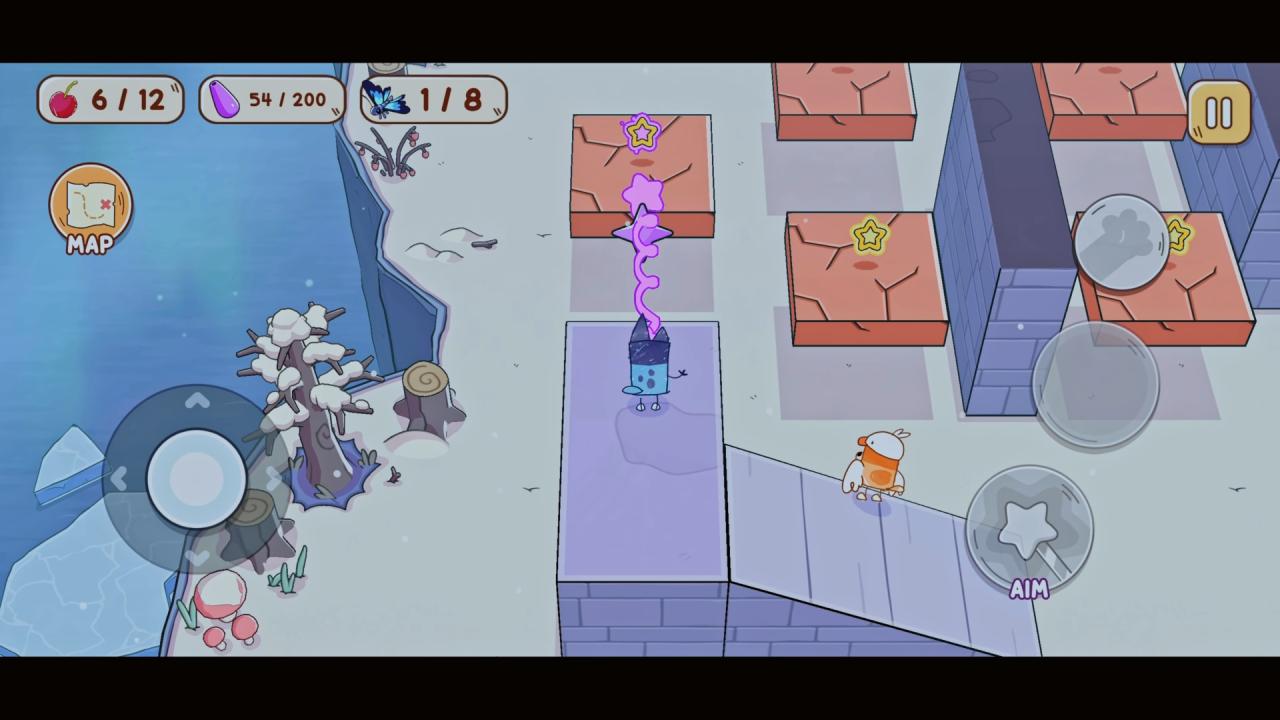
Younger players immediately understand how their choices affect their progress, helping them stay confident and on track during the game. The game doesn’t generally punish experimentation or curiosity. Still, the game mechanics occasionally seem to need a bit more tweaking. Many toy elements are only available for a limited time before they are gone for good, which prevents them from becoming more engaging gaming scenarios.
As time goes by, Bluey's Quest for the Gold Pen is not difficult. Usually it starts with a concept, does not use it much, and then goes to the next step immediately. After some exploration runs, the surrounding structures start to merge into the layouts. The art is still attractive, but many stages are built on the same corridor progression and small side jobs that wear down the sense of discovery over time.
The game has many various settings, but the basic principles are always the same. There are no tough fighting or punishingly difficult puzzles, though, which is a strength for the audience it is aimed for. Bluey's Quest for the Gold Pen clearly favors simplicity of access, comfort, and exploration over mechanical difficulty.
Adventure games are easier for younger players to get into as they don’t have as many challenging elements as bigger platform games.
One of the best things about Bluey's Quest for the Gold Pen is how it encourages kids to play effortlessly. The goals are still easy to read, the interaction with the environment feels natural, and the toys' operation is immediately tied to visible rewards. The experience is always mindful of the need for clarity and quickness for kids just beginning to play adventure games.
Bingoose is also a wonderful technique to obtain help without being too hard on gamers by interrupting them too often with instructions. Instead of frequent interruptions of the game with assistance boxes, the character employs movement and visual signals to help guide your attention to the main paths and hidden goals. That design choice retains the mood while making it accessible to all.
The many automobiles and traversal tools give the game enough variation to never seem totally static. There are brief sprinkles of new things in all of the different regions like boats, skating rinks, bikes, and grappling gadgets that keep younger players cognitively stimulated. Bluey's Quest for the Gold Pen understands the importance of giving tiny prizes all the time.
But the procedures rarely vary from what they were supposed to do at the outset. Most systems are shallow throughout the whole trip, so exploration patterns get monotonous over long periods. Older people may be quick to realize how little the underlying framework of the game changes from one phase to the next.
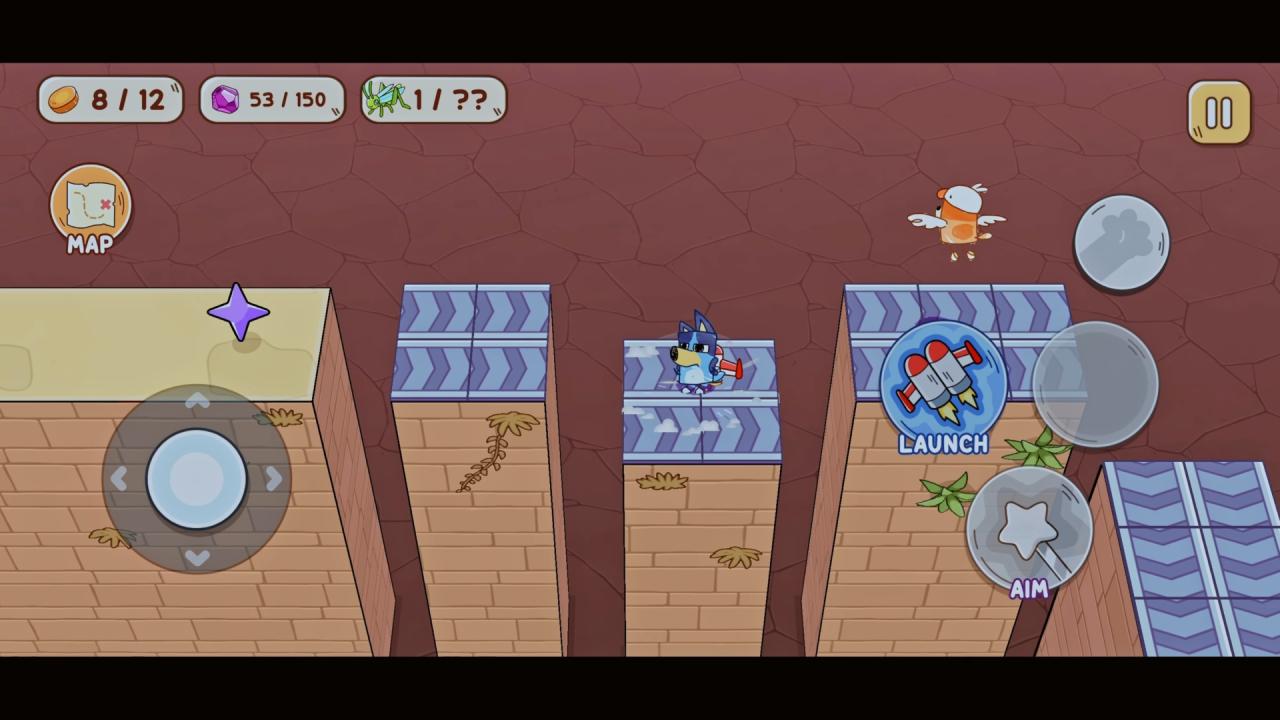
Still, the game's largest technological blunder is the absence of cooperative play. The world of fantasy, brothers and sisters, and family connections seems like a perfect fit for games that people play together. Much of Bluey's Quest for the Gold Pen feels like it was intended for two players, but it never quite commits to co-op.
The challenge level for balance is quite low throughout. This is wonderful for younger kids, but other players may enjoy the moments they have to be more precise with their planning or think strategically. The game trades challenge for comfort almost entirely.
And while these things are not ideal, the mechanisms still emotionally work because they make it feel like a joyful family game.
Bluey's Quest for the Gold Pen is not intended to be a hard platformer at all. But it doesn’t do this. It creates a safe and pleasant place where exploring is pleasurable, not stressful. Rather than experience points, Bluey's Quest for the Gold Pen is based on collecting things, completing levels, and advancing to the next phase.
Throughout each area, there are hidden optional goodies for you to locate, and crucial stuff to acquire that is needed to move forward as the game progresses. The idea of the collectibles is good, as the rewards seem to come frequently enough to keep the pace going, but not so difficult to complete that they slow the pace. Younger players will often find something similar, such as a hidden object, unlockable content, or a tiny reward for investigating.
Optional discovery and unlockable clips also inspire you to explore beyond the needed aims. These changes only add to the reasons why you might want to go back to environments, or search every area of them. Bluey's Quest for the Gold Pen is a brilliant game that helps young players see rewards directly tied to curiosity and exploration.
Most importantly, the game doesn’t let you grind at all too much. Kids can keep moving without having to farm over and over or experience severe failures. Progress is always kind and compassionate. This perfect pacing means there’s less irritation and more emotional momentum to carry you through the journey.
The art in Bluey's Quest for the Gold Pen is fantastic because it’s fantasy, not reality. The hand-drawn art design not only mimics the TV show but also transforms surroundings into living fairy-tale spaces inspired by children’s drawings and imaginative experiences.
The environment adds warmth and character along the way. Snowy trails, trails through trees, fantasy-inspired environments, and vividly colored travel zones all feel like they were crafted by hand with a great passion for the original material. Bluey's Quest for the Gold Pen is always a source of emotional comfort with childhood creativity.
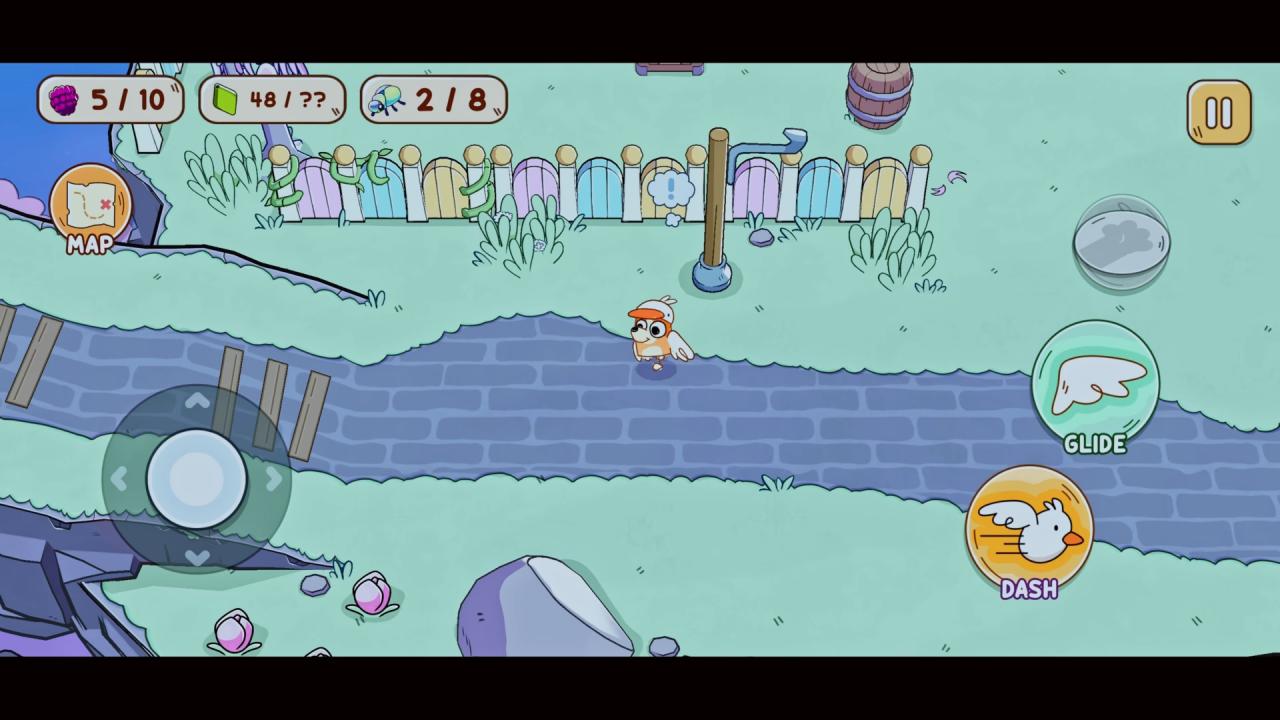
The animation remains basic, yet strong.
The characters move in a way that successfully expresses vitality and fun, while the intricacies of the environment keep things interesting without making the screen too crowded. The clear style of presentation makes it easy for younger viewers to see movement, routes, and goals.
The art direction also helps the game stand out from many other branded games that aren’t as impressive. You could just replicate the cartoon, but Bluey's Quest for the Gold Pen has its own special style by using your imagination and telling amusing stories. There is a fascination to the voyage, an unexpected charm born of creative conviction.
Bluey's Quest for the Gold Pen's emotive personality is kept alive by sound design to good effect. The voice actors provide the same warmth, humor, and family-friendly ambiance that made the television show so famous, making the transition to a game an emotional reality.
The delivery of the conversation is engaging, vibrant, but not too much so. Conversations come very organically, keeping with the relaxed family feel the company is known for. The acting helps the cutscenes feel less like interruptions in the game and more like short, playable stories.
While you walk, the ambient sounds and music sustain a gentle rhythm. The music never takes over the situations in a horrible way. Rather, it adds to the calm vibe with light melodies and pleasant sound effects, making the ride even more inviting.
The sound design is always there for usability, and that’s the main thing. Audio cues help discoveries feel natural, and the gradual pace that defines the experience is retained. Bluey's Quest for the Gold Pen understands the importance of emotional consistency in designing for families.
Bluey's Quest for the Gold Pen isn’t competing with the hard-to-handle platformers or the big adventure games for experienced gamers.
But more about producing a friendly first-person adventure game centered on imagination, exploration, and feeling like you know the game. That concentrated design theory is also the best thing about the game. The creative presentation makes the overall experience very happy.
The hand-drawn scenery, engaging toy features, and emotionally believable voice acting make the universe feel truly tied to Bluey’s personality rather than just exploiting well-known characters for commercial purposes.
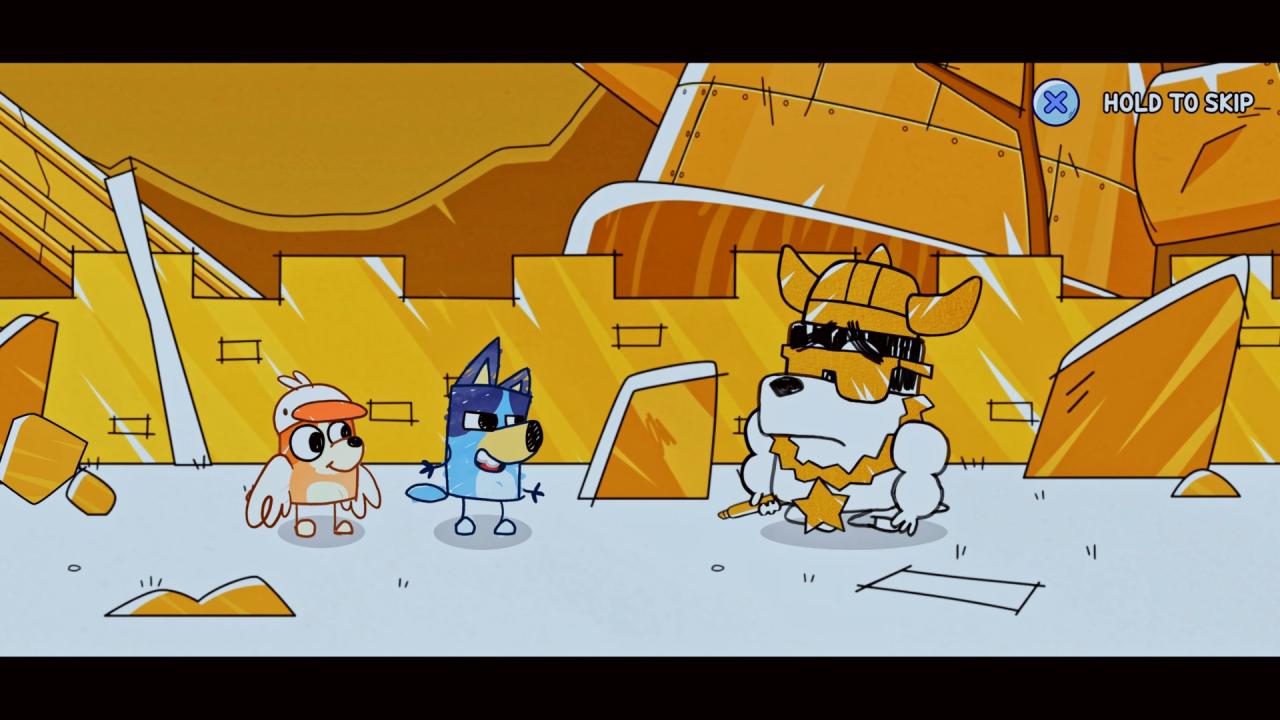
Furthermore, the adventure cannot go much further because the stages are too similar and you cannot work with other people. Exploration loops can become a little boring after a while, and the lack of a shared multiplayer experience is especially apparent in a series that is all about family fun and creative sister work.
Yet Bluey's Quest for the Gold Pen works because it recognizes what its readers desire. The experience for the little ones is bright, forgiving, and emotionally appealing, offering exploration techniques without making it too hard or confusing. Difficulty is never the point of the game; ease of play and imagination always are.
The end outcome of Bluey's Quest for the Gold Pen is exactly what a lot of families expect from a Bluey game. It has warmth, comedy, ease of access, and imaginative narrative all wrapped up in a visually beautiful trip meant to inspire curiosity, not competition. This adventure really goes to the core of what it means to play as a youngster and is excellent for younger Bluey fans wanting a gentle introduction to interactive adventure games.
Contributor, NoobFeed
Verdict
Filled with warmth, imagination and accessible exploration, Bluey's Quest for The Gold Pen lacks deeper gameplay complexity and misses co-op potential. But its heartfelt presentation makes it a delightful first adventure game for younger players.
74
Related News
No Data.