
Intel Core Ultra 270K and 250K Announced With More E-Cores and Faster DDR5 Support
Intel expands desktop processor lineup with Core Ultra 270K and 250K featuring improved multi-thread performance and faster memory compatibility.
Hardware by Nahe Yan on Mar 12, 2026
Intel has added two new desktop processors to its Core Ultra 200S Plus series. Core Ultra 7 270K and the Core Ultra 5 250K are both part of the release. The 200S Plus series is an update to the Core Ultra Series 2 CPUs. It has certain hardware changes compared to the 200S variants that came before it.
Intel says that the Core Ultra 7 270K is the fastest gaming desktop processor it has ever made. The announcement also discusses modifications to the architecture, improved memory support, and a new optimization tool that will improve performance across a range of workloads.
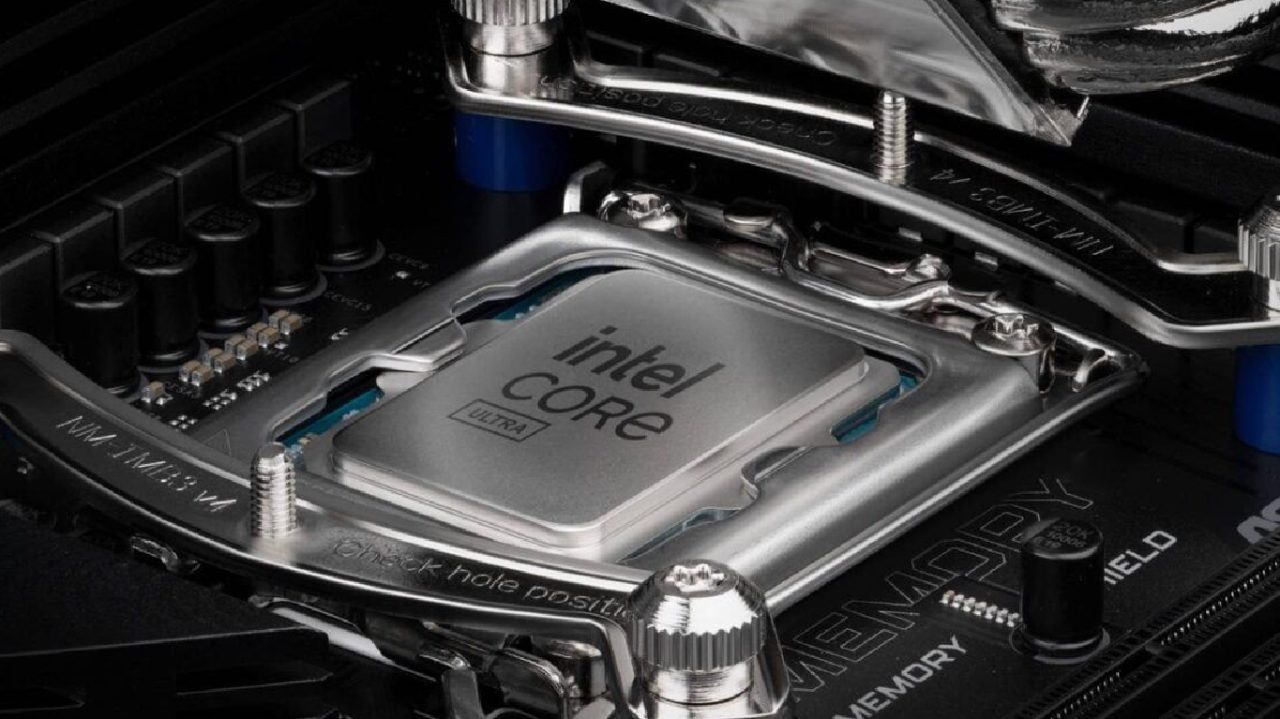
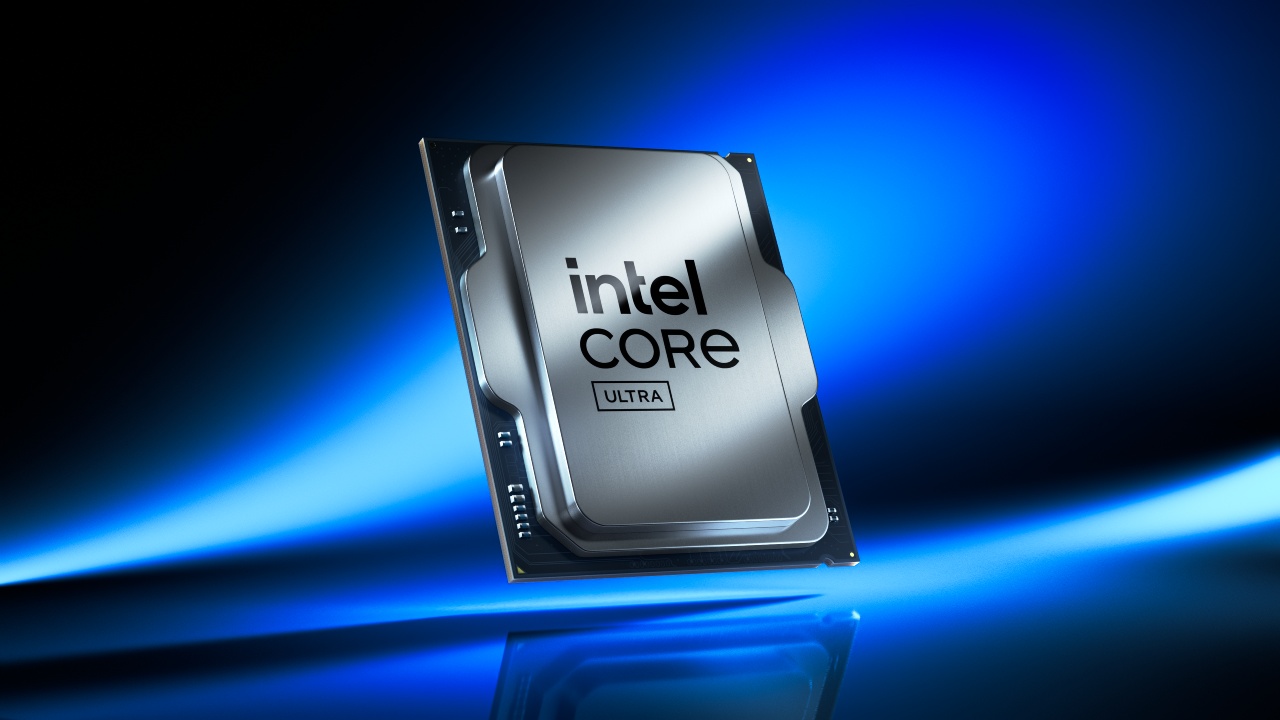
The Core Ultra 200S Plus Lineup
This lineup includes two new Intel processors. Core Ultra 7 270K is a new version of the 265K, and the Core Ultra 5 250K is a new version of the 245K.
Both CPUs now have four more efficiency cores than the ones they replaced. Core Ultra 7 270K has eight performance cores and 16 efficiency cores, which is more than the 265K's 12 efficiency cores. Core Ultra 5 250K now has six performance cores and twelve efficiency cores. 245K has only 8 efficiency cores.
There was no mention of clock-speed adjustments; thus, the Core Ultra 7 processor's boost frequency should remain at 5.5 GHz.
Improvements in Die-to-Die Frequency and Latency
Intel also noted that the die-to-die communication frequency has improved. The business said that the CPUs can reach up to 900MHz at the connection frequency.
The connection connects the CPU cores to the built-in memory controller. Intel said that higher frequencies speed up communication within the chip, lowering latency and improving gaming performance.
Claims About Gaming Performance
Intel said that the Core Ultra 7 270K can run games up to 15% faster than the previous model.
The result is based on testing 38 games. The company calculated the average frame rate across all 38 titles. It used that figure to estimate a performance boost of up to 15%.
More testing will show how well the CPU performs with different gaming engines and in real-world scenarios.
How well it Works with Many Threads Compared to Ryzen
Intel also looked at the Core Ultra 5 250K and the AMD Ryzen 9600X side by side. The business says that in some testing, the 250K performs up to 103% better with multiple threads.
The 3D Mark CPU Profile Max Threads test was chosen as the standard for comparing productivity. The results show how additional efficiency cores might affect workloads that use multiple threads.
But the benchmark only measures how well threads scale, not how well full-productivity workloads perform. To determine how well the system performs in the real world, additional testing will be needed.
Support for Memory and Compatibility with Different Platforms
Core Ultra 200S Plus series increases the maximum memory speed from 6400 MT/s to 7200 MT/s.
The processors also work with the 200S Boost BIOS configuration and are still compatible with motherboards that use the 800 series chipset. There is no need to modify the socket; users can install the processors on compatible systems without replacing the motherboard.
Intel also added early support for four-rank CU-DIMMs. These modules can hold up to 128GB of data each.
Intel's Binary Optimization Tool
Intel released a new software tool called the Intel Binary Optimization Tool. The tool changes built workloads to boost instructions per cycle and speed up performance.
The tool can improve performance even if it was designed for older x86 processors, game consoles, or other CPU architectures. Testing will show how the technology changes the performance of games and other tasks.
Final Thoughts
Intel said that both processors will be available on March 26. Core Ultra 7 270K will cost $299 at launch, $100 less than the 265K's debut pricing. Core Ultra 5 250K will cost $199 when it comes out. There will also be KF versions of both CPUs, which don't have the built-in graphics unit but keep the same core configuration and speed.
Also, check our other hardware articles:
- AMD Ryzen 9 9950X3D Review: Setting The Standard For 2025 Gaming CPU
- Amazon Luna 2025 Review: Is Prime Gaming's Cloud Service Your Go-To For Casual Fun?
- AMD RX 9070 XT Review: AMD's RDNA 4 Champion for 1440p Gaming
- GeForce Now Ultimate: Ditching Your Gaming PC For Cloud RTX 4080 Power?
- NVIDIA GeForce RTX 5080 Review (2025): Still A 4K Gaming Powerhouse?
- Intel Core Ultra 9 285K Review And Performance Breakdown (2025)
- AMD Ryzen 7 9800X3D Review: 3D V-Cache Goes God Mode with Stunning Gaming Performance
- Intel Core Ultra 9 285K vs AMD Ryzen 7 9800X3D: In-Depth Gaming Performance and Benchmark Comparison
- NVIDIA GeForce RTX 5080 Super Performance In Cyberpunk 2077: Path Tracing & DLSS 4.0 Tested
- AMD Radeon RX 9070 XT In Cyberpunk 2077: Ray Tracing & FSR 4.0 Tested
- Intel Arc B580 Review: The $250 GPU Revolutionizing 1440p Gaming
- Intel Arc B570 Vs. B580: Value, Specs, And Real-World Gaming Performance
- RTX 5090 Laptop Vs. M4 Max MacBook Pro: Ultimate Raw Performance Vs. Battery Endurance
- Intel Arc b580 Vs. RTX 4060: Game Performance And Value Analysis
- RTX5090 Hell Is Us Demo 4K Ultra Benchmark: DLSS Vs. Native Performance Guide
- NVIDIA RTX 5070 Review: Mid-Range Muscle or Marketing Hype?
- Nintendo Switch 2 Review: Handheld Performance, Features & Value Breakdown
- RTX 5070 Ti Review: Performance, Thermals & Power Efficiency Tested
- Samsung Odyssey OLED G81SF Review 2025: Ultimate 32-Inch QD-OLED Gaming Monitor
- AMD RX 9070 Performance Review: Thermals, Clocks, and Real-World FPS
- AMD Ryzen 5 7600 Review: Best Budget Gaming CPU of 2025?
- AMD Radeon RX 7800 XT Review: RDNA 3 Power For Midrange Gaming
- Asus ROG RTX 5090 Astral OC Vs. Founders Edition: The 4K Gaming Benchmark
Editor, NoobFeed
Gaming Hardware Updates
No Data.