
Sony Changes Policy for the Independent Studios for PlayStation Games
From lots of games to good ones, a new era of PlayStation creation starts.
News by Zahra Morshed on Aug 26, 2025
PlayStation has been known for decades for being able to mix big new ideas with well-known franchises. The companies that work under its name have made some of the most famous video games of all time, ranging from epic, cinematic adventures to fun, genre-defining experiments. Now, Sony Interactive Entertainment is indicating a change in direction, one that is a clear break from the all-in live-service approach that seemed likely at first.
Hermen Hulst, who runs PlayStation Studios, is at the center of this change. Hulst recently said that the focus is no longer on how many live-service games are being made, but on making sure that players can enjoy a wide range of high-quality experiences. The business world has taken notice: this isn't just a tweak to the plan; it's a complete 180-degree change from what was said just a few years ago.
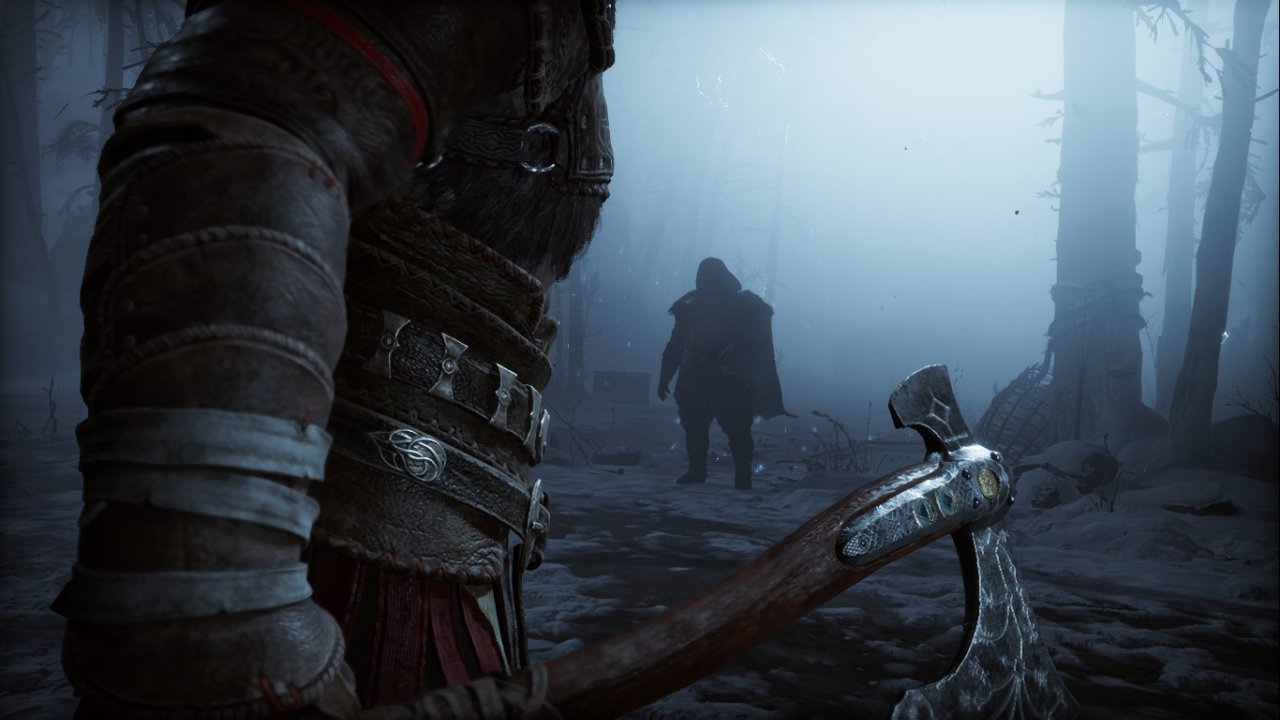
The shift in focus can be traced back to movies like Concord, whose lackluster reviews served as a warning about the dangers of following trends. "I don't want teams to always play it safe," Hulst said straight out. If we fail, though, I'd like it to be early and cheap.
It's an approach based on being strong. When you handle failures on purpose, they turn into lessons. From now on, those lessons will help ensure stricter oversight, more frequent testing, and a greater emphasis on community over volume. Sony's plan for the future isn't to flood the market with multiplayer trials. Instead, they want to create worlds, stories, and experiences that will last.
The change also supports Sony's long-standing image as a supporter of artists' freedom. Nicolas Doucet, the creative director of Team Asobi, talked about this balance in the piece. He said that his studio's creative DNA is still intact, even though it remains aligned with Sony's larger goals. "We'd have that talk if the creative side started to feel left out or punished," Doucet said.
This emotion brings out an important truth: PlayStation does not succeed by forcing everyone to be the same; instead, it does so by encouraging a wide range of unique voices. From Team Asobi to Santa Monica company to Guerrilla Games, each company has its own style and point of view. Sony's changing method makes sure that those voices stay true while still taking advantage of the power of working together.
Jason Connell, creative director at Sucker Punch Productions, said the same thing about the right amount of freedom and direction. As the team works on the follow-up to Ghost of Tsushima, Connell said that Sony didn't put any limits on their creativity. Instead, the company gave strategic advice by letting teams know when another studio was working in the same way. This kept teams from wasting time and effort on the same things.
This hands-off but well-informed way of thinking gives people a safe way to take creative risks. In this way, companies are protected from being laid off while their ideas are given the chance to grow. In reality, this means that PlayStation's original games are less likely to feel like copies of other games and more likely to be original, genre-defining experiences.
Hulst's words also made working together across the PlayStation Studios network seem more important. Teams have always worked together in some way, but the new approach calls for sharing ideas, technology, and creative solutions in a deeper and more planned way. Not to mention, PlayStation has many major showcases. This amount of cross-pollination not only works well, but it also makes sure that the ecosystem as a whole learns from both successes and failures.
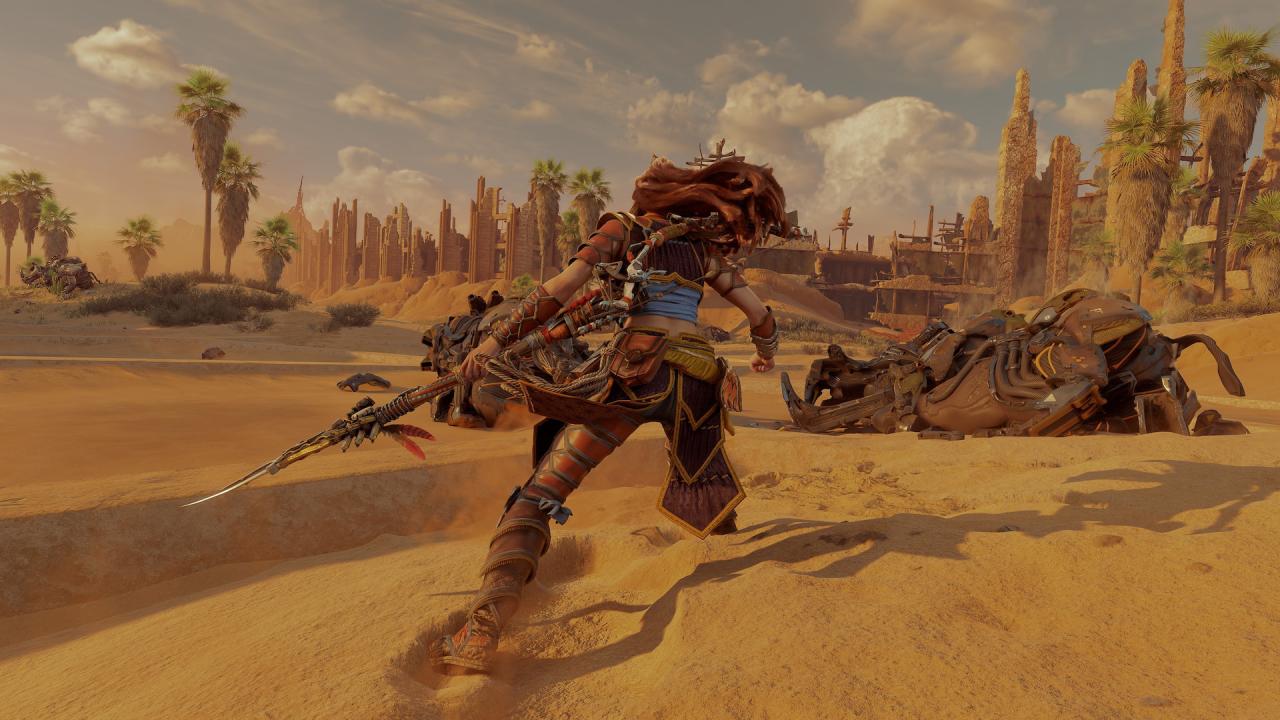
Imagine a world where animation innovations from The Last of Us Part II are used in Team Asobi's next platforming adventure or where systemic design breakthroughs from Horizon are used in RPGs with stories that haven't been released yet. It's helpful to have a group of top companies working together with a common goal.
There are bigger effects of this strategy reset. The gaming industry is currently struggling with issues of long-term viability, player engagement, and the right balance between live-service models and story-driven design. Sony's method shows that they are confident in what made PlayStation famous in the first place—craft, innovation, and sharing stories.
By not focusing so much on the number of live-service episodes and instead focusing on creativity, Sony presents itself as a company that sets standards rather than one that follows them. No matter if a game is a single-player story or a community-driven game, it will not be judged by its style but by the quality of the experience it gives.
The message is clear: Sony isn't giving up on live service altogether, but it is changing how it works with it. This new age is built on quality, diversity, and creativity. People will be honest about their mistakes, but they will also be seen as opportunities for learning and growth. Studios will be led, but they won't be tied down. Innovation will happen when people work together.
This isn't just a change in plan. This is a statement that PlayStation's biggest strength is not its size, but its vision. And as the next wave of games comes together, that vision will help make experiences that are both risky and long-lasting.
Contributor, NoobFeed
Related News
No Data.