
Xbox Says "Nothing Is Off the Table" as Asha Sharma and Matt Booty Signal a Return to the Console Core
New leadership at Xbox promises flexibility, transparency, and renewed focus on hardware, creativity, and long-term trust.
News by Mahi Araf on Feb 25, 2026
When you look at the current state of Xbox, it is hard not to feel like the brand has been stuck in a strange autopilot mode for the past few years. Xbox has not disappeared; it still delivers strong games and services, but it has also drifted away from the clear identity that once defined the brand. That is why the recent interview with new Xbox CEO Asha Sharma and Chief Content Officer Matt Booty feels so important. In their conversation with Windows Central's Jez Corden, they made one thing clear from the start: nothing is off the table.
The tone for everything that comes after is established by that one sentence. You're not hearing boxed-in tactics or inflexible promises. Rather, you are listening to leadership that seeks space to reflect and rebuild with a clear vision. That flexibility is exactly what we had been requesting all along for a platform that has been criticized for having conflicting messaging and unclear direction.
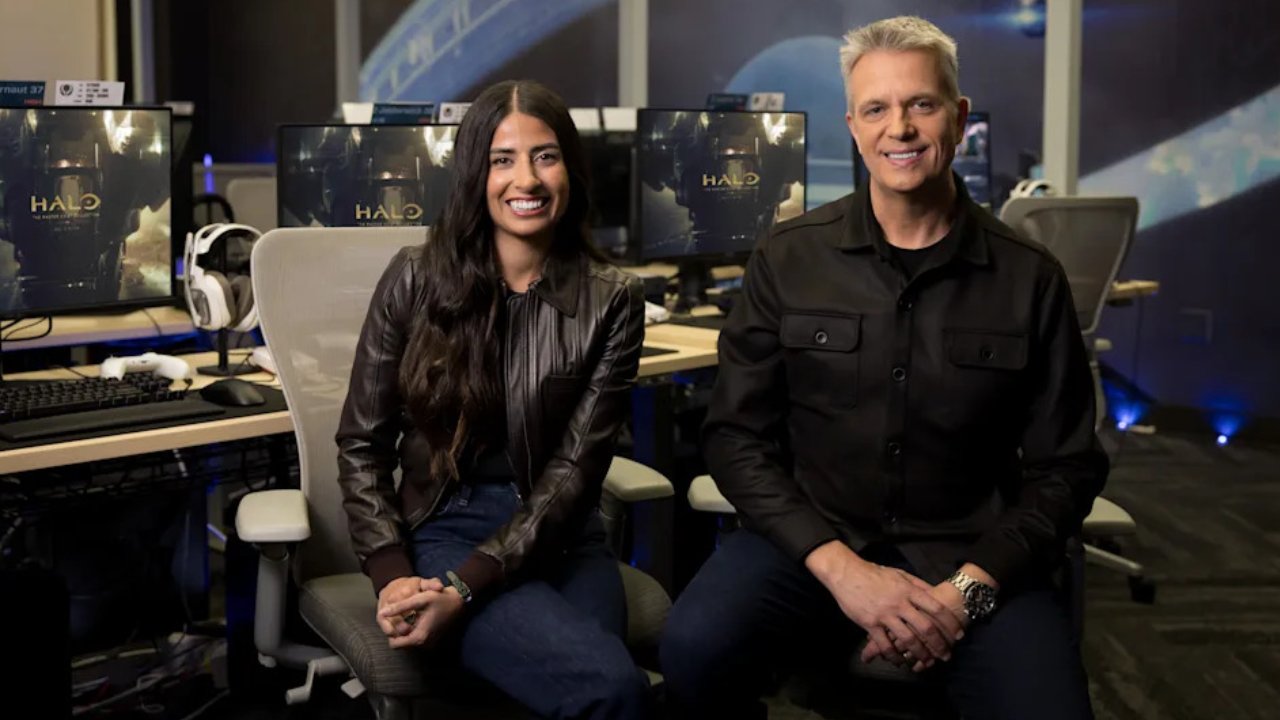
Asha Sharma bases her vision from the start on what she calls a "return to Xbox." Her view is about reconnecting with the essence that initially made the platform so dear to us. That message strikes a different chord with someone who has probably invested in the ecosystem for years. It's not just corporate lingo. You are hearing an attempt to reconnect emotionally with players who have stuck around through confusing strategies and uneven communication.
One of the most important moments in the interview comes when Sharma directly addresses console hardware.
She openly acknowledges that Xbox fans have invested decades into the platform. She talks about people who have spent up to 25 years building libraries, memories, and communities around Xbox. Then she says something that stands out: her commitment starts with the console.
That matters because it has been a long time since Xbox leadership spoke so directly about hardware. Recently, the focus shifted heavily toward services, cloud gaming, and multi-platform releases. While those strategies have value, they also created doubt about whether owning an Xbox console still mattered. Hearing a CEO emphasize hardware again feels like a course correction.
That commitment also comes at a time when console pricing has become a real concern. With recent price increases pushing some models close to $800, many players have questioned whether the value still makes sense. Sharma does not pretend those concerns do not exist. She frames future investment in hardware as part of rebuilding trust.
At the same time, she makes it clear that Xbox is not giving up on being flexible. She talks about meeting players and making it easier for people to switch between devices. That means continuing to support many platforms while making development more efficient. The goal is to help studios build once and deliver across many platforms without losing quality. Xbox wants to support consoles, PCs, and other devices without turning any of them into an afterthought.
The conversation also dives into Xbox's controversial multi-platform strategy. Xbox has become less strict about exclusivity in the last few years, and now big Xbox games are available on PlayStation and other platforms. That made it easier for more people to play their games, but it also made it less necessary to buy Xbox hardware. Sharma does not deny that there is tension amongst the community regarding that issue.
Instead, she uses the phrase "That's the plan until it's not the plan" to explain the current strategy. She is leaving room to change course if the data supports it.
That approach contrasts with previous leadership styles, where carefully worded statements sometimes created expectations that later fell apart. By refusing to lock herself into permanent positions, Sharma avoids creating a false sense of certainty. If exclusives make sense again, she wants the freedom to bring them back. If windowed releases work better, she wants room to explore that too.
She emphasizes that her first priority is understanding why past decisions were made. She wants to know which data were used, which goals were being optimized, and whether those choices still make sense today. That focus on analysis suggests she is not interested in repeating old habits just because they are familiar.
Transparency is another theme that runs through the interview. For years, Xbox limited public data about console sales and performance. The idea was to avoid negative headlines. In practice, it often led to speculation and confusion instead. Sharma seems open to changing that approach.

She talks about focusing on long-term value rather than short-term optics. For you, that could mean more honest conversations about where Xbox stands in the market, even when the numbers are not flattering, especially compared to the competition. After all, players tend to trust platforms that acknowledge challenges rather than hide from them.
The interview also highlights the leadership team's current 'learning tour.'
Sharma and Booty are visiting studios across the Xbox ecosystem, including teams under Bethesda, Activision, and Mojang. Their goal is to listen to fans before making major changes. Booty stresses that players should not expect sudden shifts. The team apparently plans to carefully review existing structures left behind by Spencer.
When Sharma talks about protecting player investment, it feels personal. She recognizes that people have poured thousands of dollars and countless hours into Xbox. That reality shapes her thinking. She frames future decisions around preserving that value, whether through hardware support or backward compatibility, among other demands from fans.
She also raises difficult questions about past moves, especially following the Activision Blizzard acquisition. Many of us expected more exclusives coming from Activision and clearer messaging to go with it. Instead, Xbox appeared disorganized. Sharma openly asks why those expectations were not met and why hardware messaging became inconsistent. That willingness to question major corporate decisions stands out.
Matt Booty reinforces this by addressing fears that Xbox might become just another publisher. He firmly rejects that idea. He explains that Xbox's studio system is built around being first-party and closely tied to hardware development. From early design decisions to performance optimization, those teams are embedded in the platform's future.
In other words, Xbox still sees itself as a platform, not just a content distributor.
That stance becomes even more important when discussing the wider industry. Right now, gaming platforms are competing not just with each other, but with social media, streaming, and algorithm-driven entertainment. Attention is divided, and finding new users is harder than ever before.
Sharma believes the answer is not chasing trends. Instead, she emphasizes building strong communities around core experiences. She warns against diluting creative focus just to pursue emerging audiences. Her view is simple: if you serve your core well, growth follows naturally.
She also outlines what she thinks makes a great platform. It comes down to quality and integrity. Deliver strong products, and make decisions that players and consumers can respect. That philosophy feels old-fashioned in a good way, especially in an industry often driven by short-term metrics.
Artificial intelligence is another topic that receives serious attention.
Sharma's background in Microsoft's AI division initially made some fans nervous. Many worry about automation replacing creativity. She addresses those fears directly. She frames AI as a tool, not a replacement. She draws clear lines about what Xbox will not do. There will be no flooding of the ecosystem with low-quality AI slop content.
Booty supports that stance. He explains that developers are free to use tools that help them, whether for coding, testing, or production support. There are no Microsoft mandates forcing AI adoption. His comparison to Photoshop is telling. When useful tools appear, studios adopt them naturally.
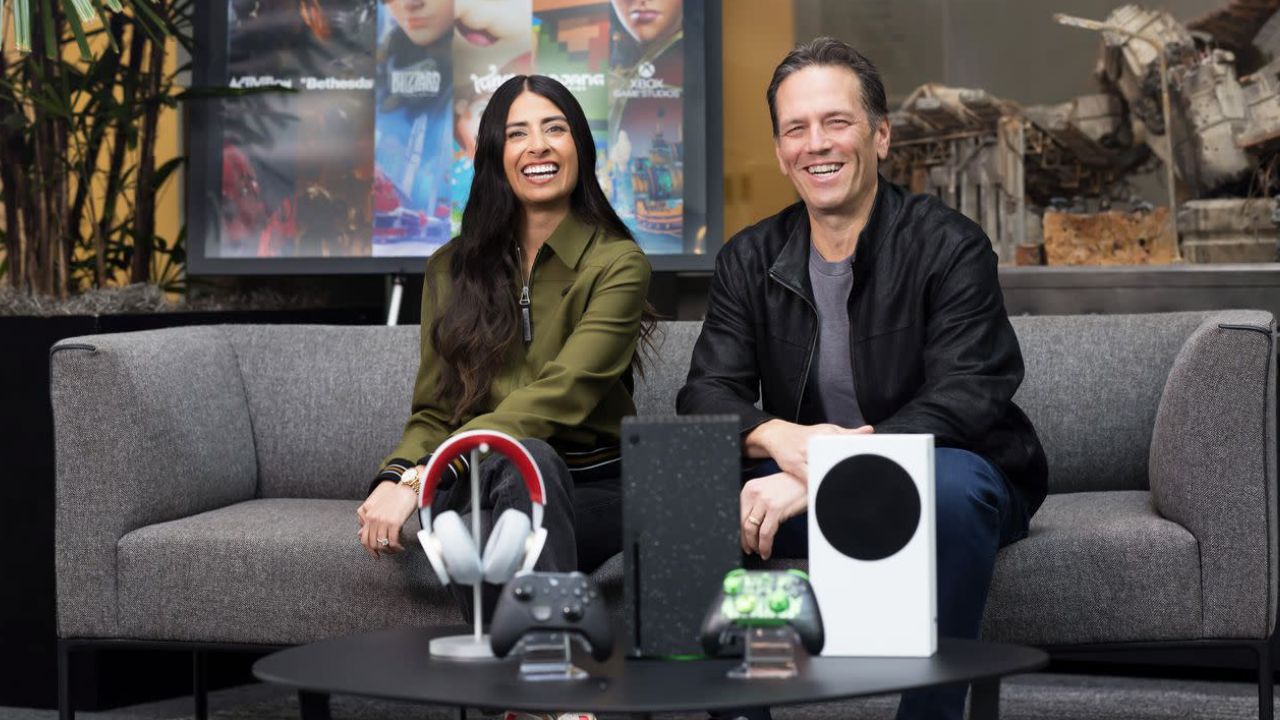
The message from Xbox is consistent: technology exists to support people, not replace them.
The interview also reassures fans of smaller and experimental projects. Booty describes Xbox as a federation of studios, ranging from tiny creative teams to massive franchises. He stresses that big successes often start small. If Xbox loses the ability to take risks, it loses its soul. He even shares how one day he might hear a pitch for a strange, artistic game, and the next day review plans for Call of Duty. That variety defines Xbox's portfolio.
That commitment matters if you care about more than just blockbuster releases. It suggests space will remain for unusual ideas and niche projects. Toward the end of the interview, Sharma reflects on Phil Spencer's legacy. She credits him with transforming Xbox culture after 2014 and putting players and creators first.
She doesn't back down from the challenges ahead, though. She talks about "proof over promise." She doesn't want big promises; she wants results. She promises to learn and talk to fans in the process. She says her job is a long-term one that is focused on building Xbox for the next 25 years or so.
She doesn't seem to be trying to get quick wins for the news. She is thinking about trust and sustainability.
At the end of the interview, the overall tone seems cautiously hopeful. You are not being promised a miracle change. You are being given a philosophy. Being flexible instead of rigid. Data instead of guesses. Fans over trends. Being creative instead of taking shortcuts. There will still be hard times. Changes are on the way, even if they happen slowly or quickly. But from what we saw so far, Xbox leadership seems to be on the same page about a clear goal for the first time in a long while.
Senior Editor, NoobFeed
Related News
No Data.