
Gothic 1 Remake Review
PC
A relentlessly authentic return that captures the soul of a classic while struggling to escape its oldest demons.
Reviewed by Zahra Morshed on Jun 05, 2026
Role-playing games don’t have the same type of lifelong fan loyalty that Gothic has. Gothic left its impact on PC gaming history with its harsh world and hard style. Over two decades on, Alkimia Interactive and THQ Nordic attempted to pick up where the series left off with Gothic 1 Remake, a project full of nostalgia, anticipation, and modern criticism.
Instead of reimagining a beloved classic, the developers decided to leave it untouched. That choice results in an experience that is both extraordinarily close to its roots and incorporates many of the design philosophies long since abandoned by current RPGs.
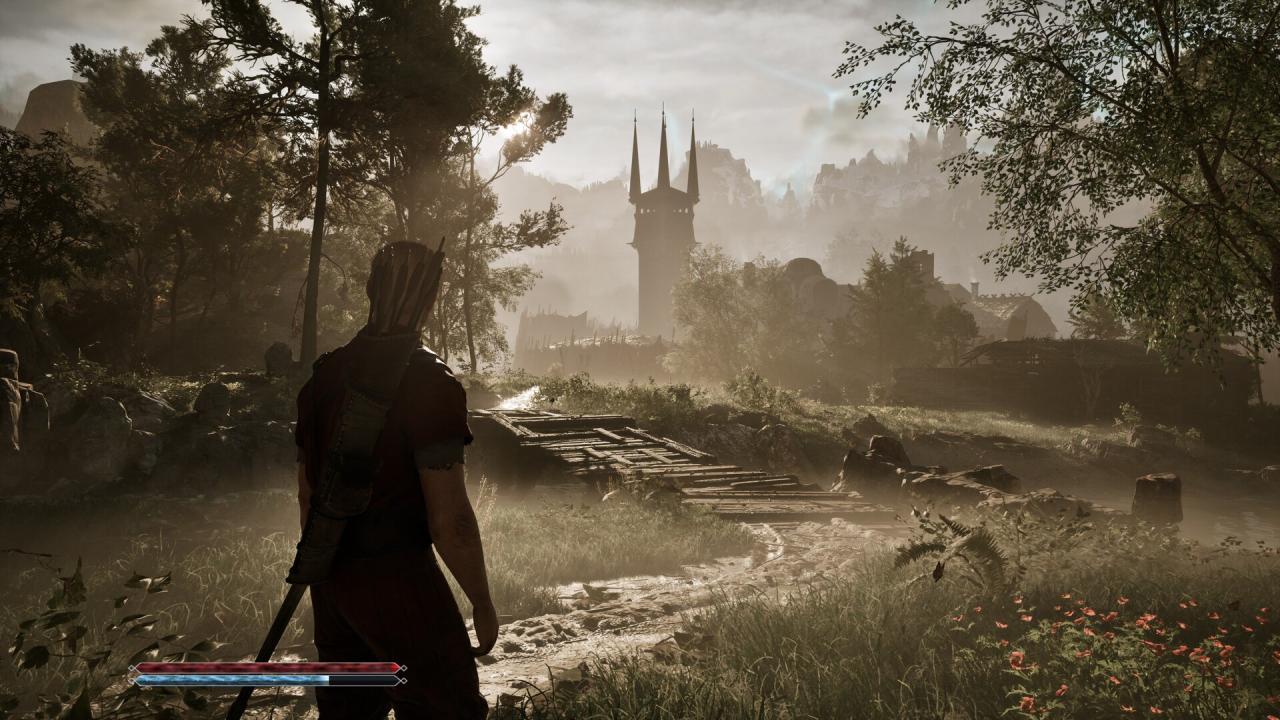
The Gothic 1 Remake is released at a time when the genre is all about accessibility and utilization.
Quest markers, simplified progression, and guided exploration are now standard in games. This remake feels almost subversive in comparison. The game doesn’t hold your hand; it requires you to be patient, to pay attention and to keep on going. That commitment to being genuine is commendable, even if it occasionally comes off as obstinacy.
The story is set in a prison colony behind a magic wall. One of the most original settings in the history of fantasy role-playing. Society in the colony has transformed into a fragile ecosystem, ruled by conflicting groups with differing ideals and unstable ties. Power is not given to you; you have to earn it. Learning how to fight is just as vital in life as learning about politics. It feels like this is a place of despair, not of courage, everywhere in the world.
The plot follows a nameless prisoner whose presence gradually alters the power dynamics in the colony. The writing does not contain basic conceptions of good and evil, so that any group might display both good and terribly flawed features. Decisions have real-world implications, so people think hard before behaving without thinking. This multi-faceted approach leads to a story that is real, surprising, and always interesting.
The remake does a couple of things to improve the plot, such as expanding the mythology and adding additional quest material. More background on the characters, cultures, and ambitions of various factions feels better fleshed out than before.
More thorough reports about more of the world’s political and historical aspects would be a good thing. So Gothic 1 Remake gives you a more complete story experience without losing the vibe that made the original so wonderful.
The key thing about Gothic 1 Remake is that it's all about immersion through player-driven discovery.
Objectives are not always accompanied by clear directions; thus, you have to listen to discussions, landmarks, and ambient cues. Exploration means something because you have to earn the knowledge you need rather than get it for free. This approach to design makes even simple activities fascinating journeys into the unknown.
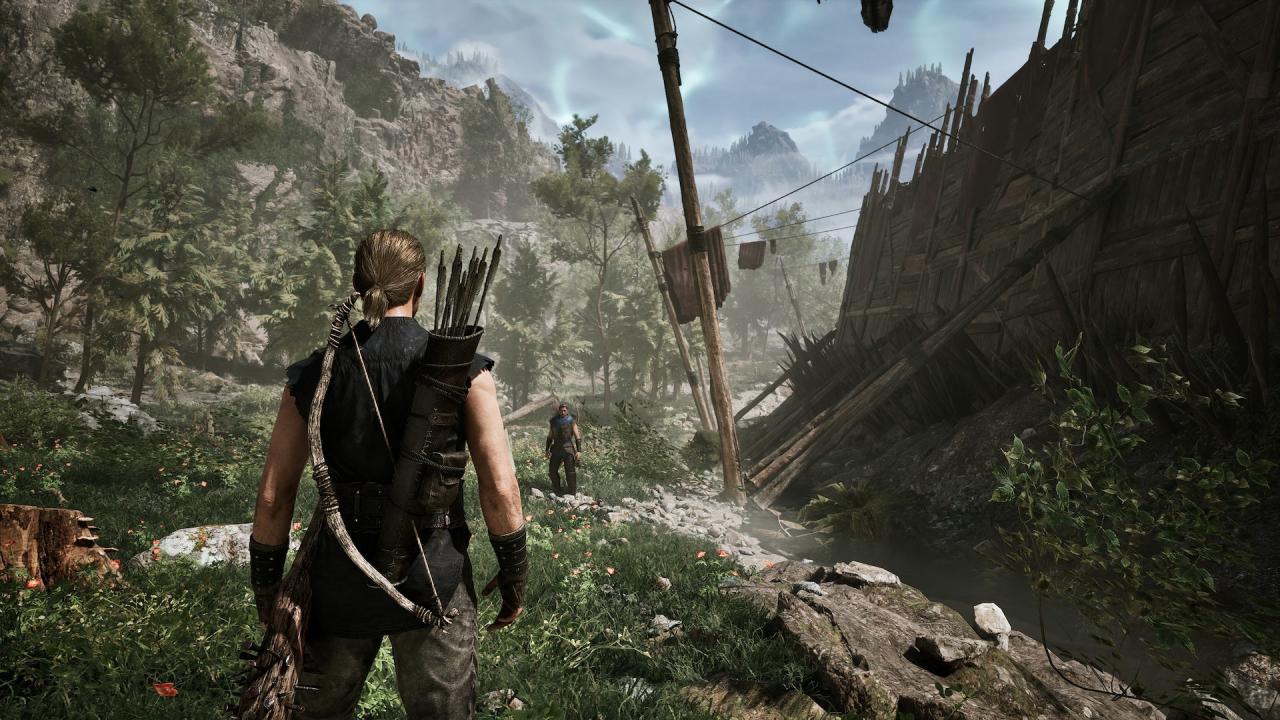
Progression is about character, relationships and faction alignment, not about handing individuals power straight away. The early hours are supposed to be limiting, to make you feel vulnerable, to have them prove themselves before they get real chances. It takes a lot of effort to obtain new skills, equipment, or social connections, so everything seems earned. This provides you with more control over your character’s development than many recent RPGs.
Habits and adaptation to new conditions are part of human life because the environment itself is a living system. Characters go to work, go on trips, establish friends, and strive for their own goals even when you are not active. This emphasis on creating a sense of reality in the surroundings enhances the immersion and reinforces the concept of a distinct culture. Gothic 1 Remake is at its best when it allows the world to convey stories spontaneously through observation rather than telling.
Combat is one of the most controversial features of the remake, and one of the major flaws. In battles, timing, positioning, and patience are at a premium, but the rules are often too complex for their own good. Fights become tests of determination, instead of showing off your prowess. There is tension, but pleasure is not usually the next step.
Having different kinds of foes is good to keep the trip interesting. Each monster has its own assault patterns, movement style, and tactical needs that cannot be addressed by doing the same thing over and over. You have to learn how to deal with any threat to survive.
While the fighting isn’t perfect mechanically by any means, this variation prevents the fighting from being fully predictable.
But many interactions still do not have the same responsiveness. Targeting issues, jerky movement and often extended gaps in animation make failure seem unrelated to your choice. The problem isn’t just that it’s hard. Tough fights may be entertaining if the systems are working right. The greater problem is that Gothic 1 Remake sometimes confuses friction with difficulty.
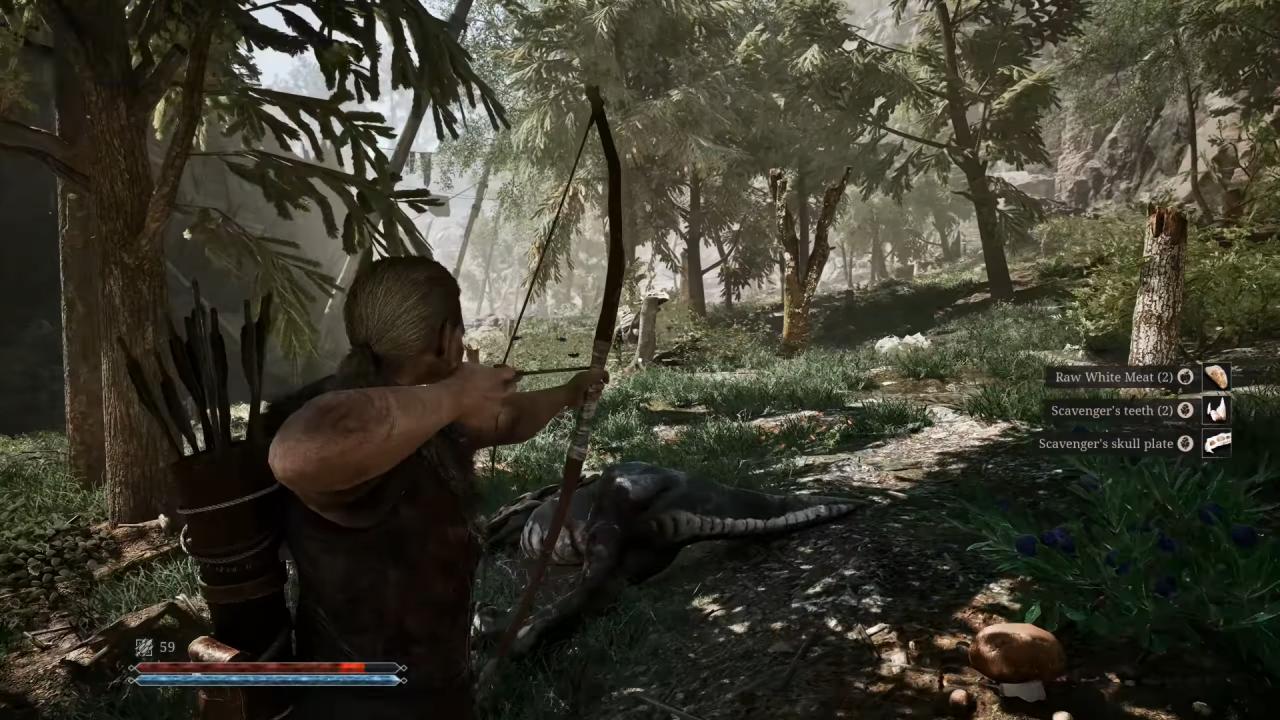
The mechanics of picking locks and how the world interacts with you create further layers of complexity for exploration. These elements encourage you to attempt new things and bolster the game’s commitment to immersion. But then sometimes they turn from interesting to a pain in the ass. Certain things take more patience than expertise. Things get drawn out, but not deep.
The best part about Gothic 1 Remake is that it always assumes you are smart. The game doesn’t hold your hands every step of the way; it trusts you to observe, deduce, and learn by doing. That confidence provides you a rewarding feeling of success that you don't get in modern design much anymore. The game never feels like it’s rushing to solve problems, so success is earned.
But it is an idea that often leads to irritation when applied to antiquated technologies. Limited direction is exciting when matched with intuitive systems, but not so good when paired with inconsistent implementation. Some quests become games of trial and error, not of logical investigation. Sometimes the scale between complexity and ease of use goes too much toward annoyance.
Character growth is done using the usual but difficult system of experience points, learning points, and specialist training. Defeating adversaries, completing objectives, and exploring risky locations open up new possibilities to advance. Growth happens slowly, making the world's harsh facts worse. Growth is slow; therefore, every tiny step forward feels big.
The downside to this strategy is obvious from the outset of the quest.
Sometimes it feels like progress is too much about fighting the same minor foes over and over, which can really slow down momentum. You can find yourselves in a position of seeking experience rather than achieving key goals. Gothic 1 Remake frequently confuses extended progression with pleasant progression.
But with improved hardware and more sophisticated abilities, the system exposes its true colors. Enemies that used to be scary grow simpler to handle, opening up new regions and tactical possibilities. The transition from weak outsider to strong winner is an interesting power curve. Gothic 1 Remake is one of the best RPGs to depict how you grow as a person when its growth systems finally got their groove on.
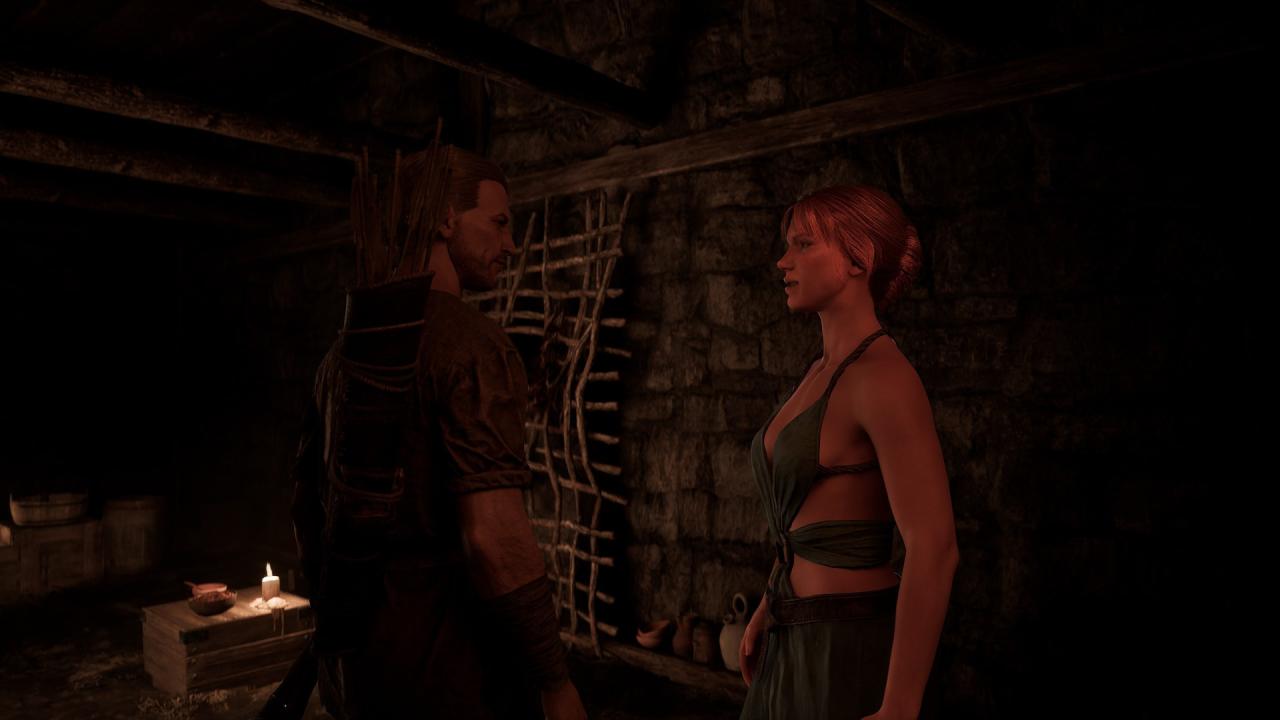
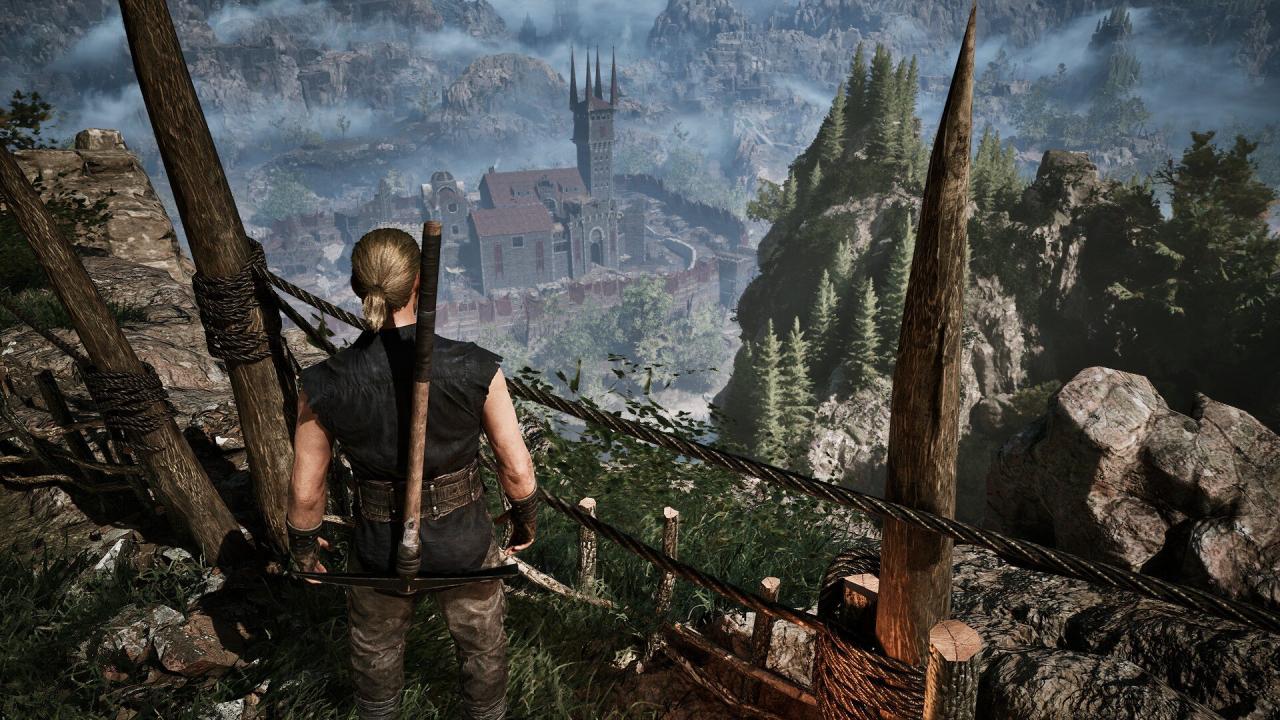
The remake is so much better than the original. With Unreal Engine 5, you can create incredibly realistic landscapes with the addition of weather effects, rugged architecture, and lighting that blends into the surroundings. The prison town looks and feels different from a lot of fantasy environments. It feels real and like someone lives there. Environmental stories thrive under careful creative supervision.
The character models are incredibly well done, especially the face details and how well they blend in with their backgrounds. People in the world look like they were made in hardship, hard effort, and survival, not the normal fantasy aesthetic. This attention to authenticity helps the scenario feel more believable and increases immersion.
Gothic 1 Remake always does an excellent job making the setting look harsh, terrifying, and authentic. But, with all these strengths, the technological execution undermines much of the visual success. There are frame rate, graphic pop-in, and optimization issues that often make it difficult to get into the game. Technical issues are particularly noticeable when smooth performance is most crucial, especially in exploration and fighting.
The artistic purpose is evident, but the execution is not always up to the quality of the artistic vision.
The game’s sound design is one of its best features. The music really gets at the grief, the danger, the mystery of the colony. Musical elements bring emotional weight to both exploration and story times, without detracting from the experience. Every piece of music is contributing in a very specific way to the ambiance.
The voice work generally helps to set the world, even if it can sometimes be a little stiff. It’s the delivery of the discussion that gives each group its particular identity and social structure. The characters don't seem like heroes of a novel; they sound like real individuals who have had a rough life. That earnestness makes the story more realistic throughout the campaign.
When you add ambient sounds, places have their own individuality and involvement is even better. There is a strong sense of geography, with wind, fauna, distant conversations, and natural influences featuring. Even though there are a few technical audio issues, the overall soundscape is still extremely good. The Gothic 1 Remake proves how much outstanding sound design can change every aspect of a role-playing game.
Gothic 1 Remake is a birthday present and a warning. It does a nice job of preserving the uncompromising approach that made the original one a cult favorite, but it also fixes many of the faults that hindered it from becoming more successful. The result is a game that merits respect, even if it’s not universally loved. The best portions of it are really remarkable, but the worst elements of it feel stubbornly unwilling to adapt to modern times.
Design ideas that run counter to the latest industry trends should be kept alive. It’s like there is a purpose to exploring, achievement is earned, and the planet is really alive. That kind of character is still unusual and should be noted. But some shaky tech, inconsistent fighting, and mechanisms that can wear thin rapidly hold the experience back from its full potential.
Gothic 1 Remake is a faithful return to the beloved setting of the original game for its fans, improved with better graphics and more content. It’s a fascinating but tough approach to get into a style that will not give in for folks who have never played an RPG before.
To be successful, you have to be patient, tough, and willing to accept that discomfort is part of the voyage. These things will decide whether the experience feels like a lost jewel or a carefully preserved antique.
Contributor, NoobFeed
Verdict
Gothic 1 Remake is a richly atmospheric RPG that rewards commitment with meaningful exploration and memorable progression, but clunky combat, technical issues, and outdated design choices prevent it from fully realizing its remarkable potential.
70
Related News
No Data.